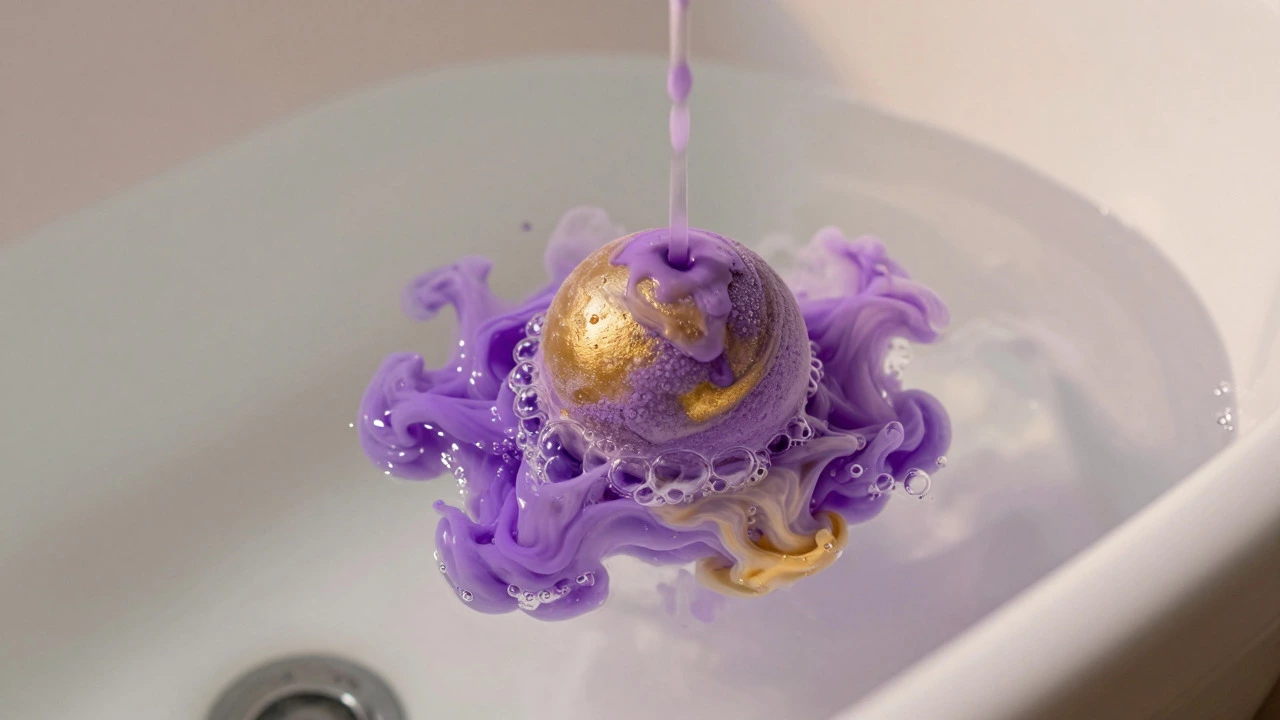
Bath Bomb Regulatory Classifier
Product Details
Select all that apply to the product's description:
Regulatory Requirements:
Enter product details and select claims to see how it is regulated.
The Short Answer: Yes, They Are
If you’ve ever wondered whether that fizzy sphere dissolving in your tub counts as a cosmetic, the answer is yes. At least in most major markets like the United States and the European Union, bath bombs are legally classified as cosmetics. This isn’t just a marketing label; it dictates how they are manufactured, tested, and sold.
But why does this classification matter to you? Because if a product is a cosmetic, it falls under specific safety regulations. It means the ingredients must be safe for topical use, the labeling must meet legal standards, and the manufacturer cannot make unproven medical claims. Understanding this distinction helps you navigate the beauty aisle with confidence, knowing exactly what rules govern the products you put on your skin.
Defining the Cosmetic Category
To understand why bath bombs fit here, we need to look at how regulatory bodies define "cosmetic." In the United States, the Food and Drug Administration (FDA) defines a cosmetic as any substance intended to be rubbed, poured, sprinkled, or sprayed on the human body for cleansing, beautifying, promoting attractiveness, or altering appearance.
Bath bombs clearly fall into the "cleansing" and "beautifying" buckets. You soak in them to clean your skin, soften calluses, and leave yourself smelling fresh. Unlike drugs, which treat or prevent disease, cosmetics focus on aesthetics and hygiene. Since bath bombs don’t claim to cure eczema or arthritis-though some shady brands might imply otherwise-they stay firmly in the cosmetic lane.
Cosmetic Regulation is the set of laws governing products applied to the human body for cleansing or beautifying purposes, ensuring safety without requiring pre-market approval for efficacy. This framework applies to everything from lipstick to bubble bath.
The Role of Ingredients in Classification
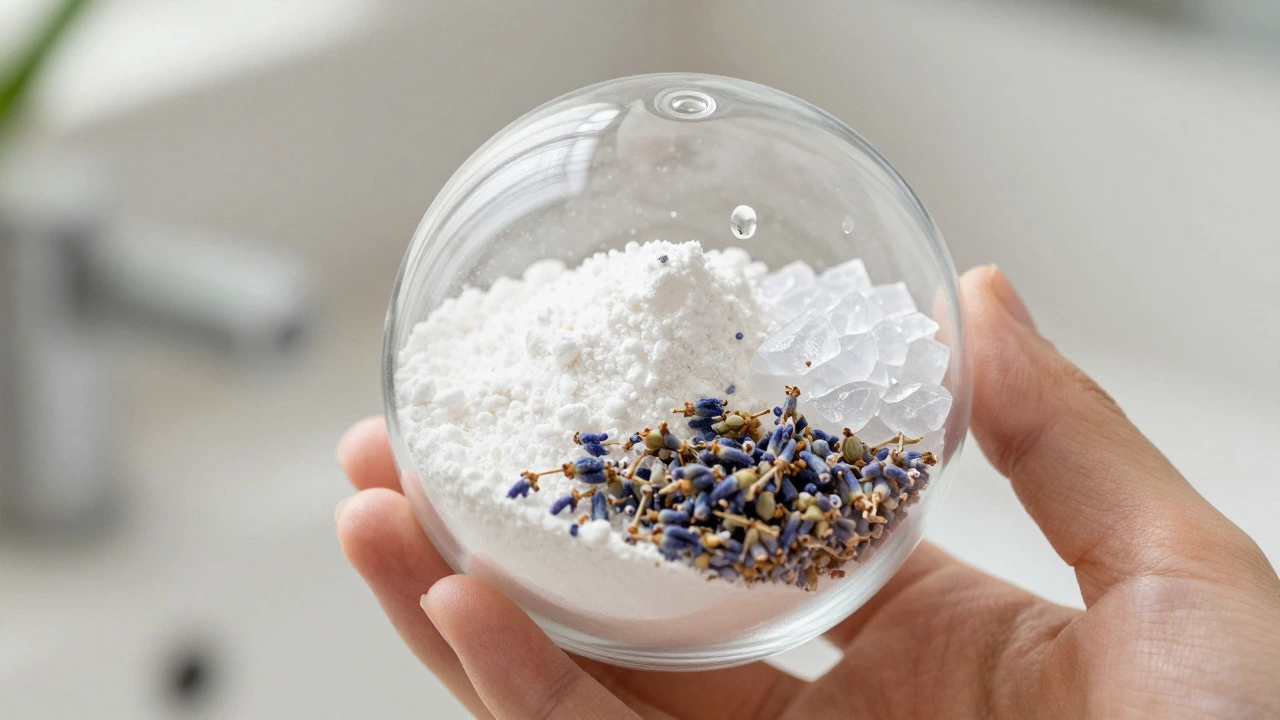
The ingredients inside a bath bomb play a huge role in its regulatory status. Most bath bombs contain sodium bicarbonate (baking soda), citric acid, oils, butters, colorants, and fragrances. These are standard cosmetic ingredients. When they mix with water, they create a fizzy reaction that releases these components onto your skin.
However, things get tricky when manufacturers add active pharmaceutical ingredients. If a bath bomb contains salicylic acid at concentrations meant to treat acne, or menthol intended to relieve muscle pain, it might cross the line into being an "over-the-counter drug" or a combination product. For the vast majority of bath bombs found in stores, though, the ingredient list remains purely cosmetic.
- Sodium Bicarbonate: A mild abrasive and pH buffer, common in toothpaste and cleansers.
- Citric Acid: Creates the fizz and acts as a chelating agent to preserve the product.
- Essential Oils: Used for fragrance and potential aromatherapy benefits, regulated as cosmetic fragrance ingredients.
- Clays and Exfoliants: Like kaolin or poppy seeds, used for physical exfoliation, a cosmetic function.
Global Perspectives: US vs. EU Regulations
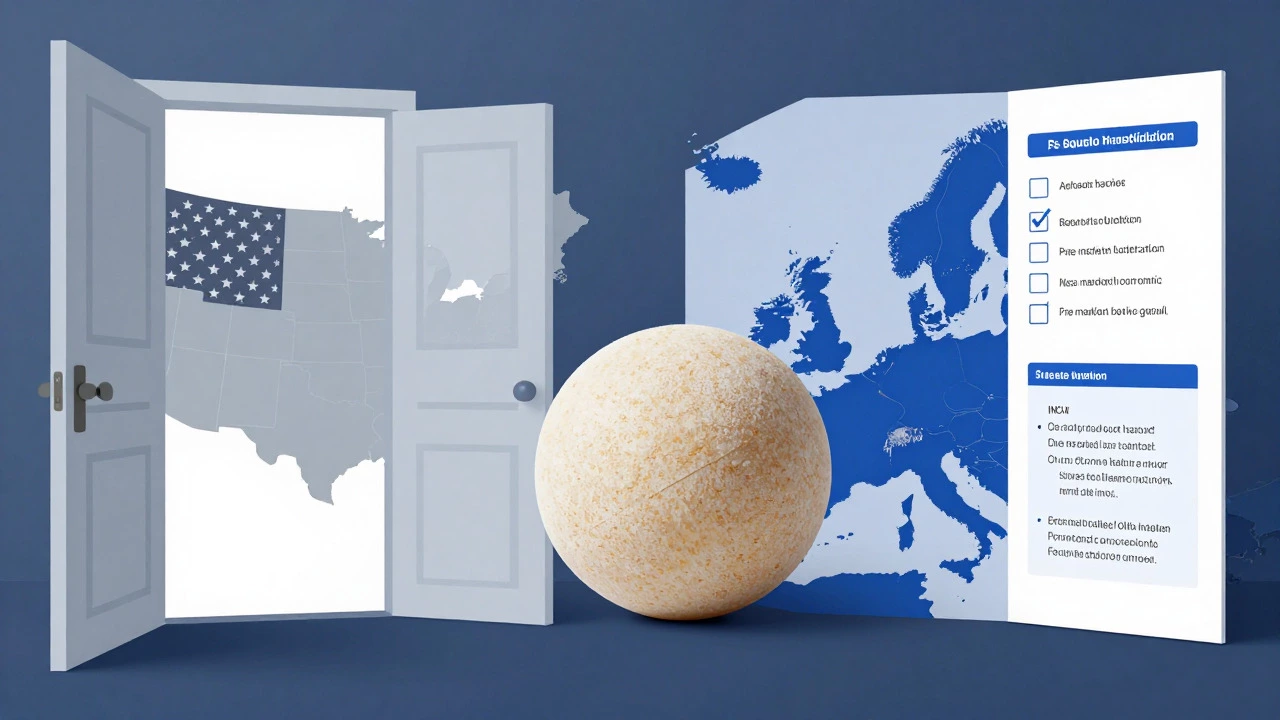
While the US classifies bath bombs as cosmetics, the level of scrutiny varies globally. In the European Union, cosmetics are subject to stricter pre-market notification via the CPNP (Cosmetic Products Notification Portal). Every ingredient must be listed according to the INCI (International Nomenclature of Cosmetic Ingredients) system, and banned substances are strictly enforced.
In contrast, the US operates under a post-market surveillance model. Manufacturers are responsible for ensuring their products are safe before selling them, but they don’t need FDA approval to launch a new bath bomb scent. This difference means that while a bath bomb is a cosmetic in both places, the safety checks it undergoes before reaching your shelf can differ significantly.
| Regulatory Aspect | United States (FDA) | European Union (EC) |
|---|---|---|
| Pre-Market Approval | Not required for finished products | Notification via CPNP required |
| Ingredient Listing | Required on label (no strict format) | Strict INCI nomenclature required |
| Safety Assessment | Manufacturer’s responsibility | Mandatory by a qualified safety assessor |
| Banned Substances | ~15 substances banned/restricted | ~1,600+ substances restricted/banned |
Why the Label Matters for Consumers
You might ask, "So what? It’s still just a bath bomb." The label matters because it protects you. If a bath bomb is misclassified as a "wellness supplement" or "aromatherapy aid," it might bypass certain safety testing requirements. By keeping it in the cosmetic category, regulators ensure that heavy metals in colorants, allergens in fragrances, and microbial contamination are monitored.
For instance, synthetic dyes used in bath bombs must be approved for external use. If a brand tries to sell a bath bomb as a "detox treatment," they are making a drug claim. The FDA has sent warning letters to companies making such claims, forcing them to reformulate or relabel. Knowing this helps you spot greenwashing or false advertising.
Navigating Misleading Marketing Claims
Marketing often blurs the lines. Brands love using words like "therapeutic," "healing," or "anti-inflammatory." While these words sound nice, they can trigger regulatory scrutiny. A bath bomb that claims to "soothe sore muscles" is walking a fine line. If it relies on the heat of the water, it’s likely okay. If it claims the *ingredients* actively reduce inflammation through biological mechanisms, it might be considered a drug.
As a consumer, look at the fine print. If the product says "helps relax" rather than "treats anxiety," it’s staying within cosmetic bounds. If it promises to "cure dry skin conditions," be skeptical. True cosmetics improve appearance or cleanliness; they don’t alter physiological functions.
Special Cases: Soap vs. Bath Bomb
It’s worth noting the difference between bath bombs and bar soap. In the US, traditional soap is not regulated as a cosmetic unless it makes additional claims (like moisturizing or deodorizing). Bath bombs, however, are almost always treated as cosmetics because they are rinsed off after a short period and often contain additives beyond basic cleansing agents. This distinction ensures that the colorful, scented spheres you buy undergo more rigorous safety evaluations than a simple bar of castile soap.
What to Look for on the Label
When buying bath bombs, check for clear ingredient lists. In the EU, you’ll see INCI names like "Sodium Bicarbonate" and "Citric Acid." In the US, you should still see a full ingredient disclosure, even if the formatting is less standardized. Avoid products that hide behind proprietary blends or vague terms like "natural extracts" without listing specific components. Transparency is a hallmark of compliant cosmetic manufacturing.
Also, look for expiration dates. Cosmetics have a limited period of safety (LPSC) once opened. Bath bombs, especially those with organic oils, can go rancid. A proper cosmetic label will include a Period After Opening (PAO) symbol, usually an open jar icon with a number like "12M" indicating 12 months of safe use.
Are bath bombs regulated by the FDA?
Yes, the FDA regulates bath bombs as cosmetics. This means manufacturers must ensure the product is safe for use and properly labeled, although they do not need FDA approval before selling the product.
Can bath bombs be considered drugs?
Bath bombs become drugs if they make therapeutic claims, such as treating acne, eczema, or muscle pain. Most bath bombs are cosmetics because they only claim to cleanse or beautify the skin.
Is there a difference between bath bombs and soap regulations?
Yes. Traditional soap is often exempt from cosmetic regulation in the US unless it makes extra claims. Bath bombs are consistently regulated as cosmetics due to their formulation and usage patterns.
Do bath bombs need to list all ingredients?
Yes, cosmetic regulations require full ingredient disclosure. In the EU, this follows strict INCI naming conventions. In the US, ingredients must be listed, though the format may vary slightly.
Are natural bath bombs safer than synthetic ones?
Not necessarily. "Natural" is not a regulated term in cosmetics. Both natural and synthetic ingredients must pass safety assessments. Some natural essential oils are potent allergens, while many synthetic colorants are rigorously tested for safety.
 Skincare