Mature Skin Facial Selector
Select your primary skin concern and sensitivity level below to find the safest and most effective treatment for your needs.
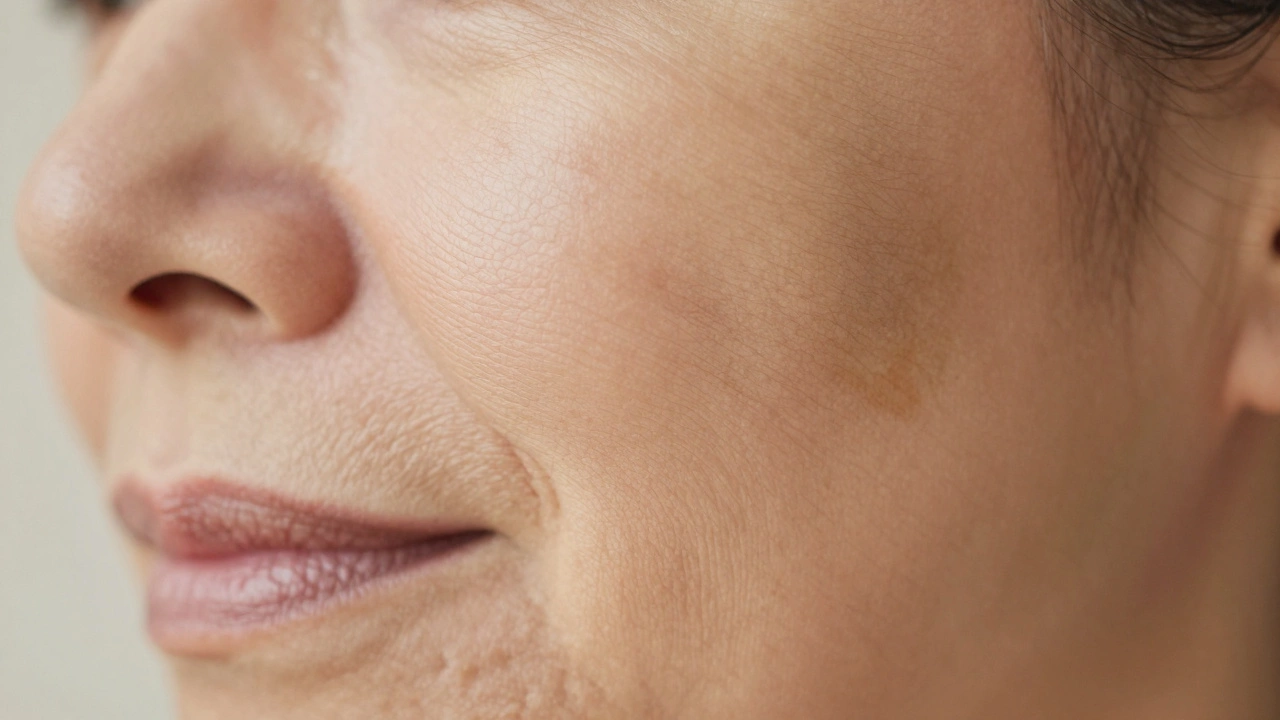
At 66, your skin isn't just 'older'; it's fundamentally different. The collagen production that kept your face firm in your 40s has slowed significantly, and the natural oil glands don't work as hard as they used to. You might be looking for a facial, but not just any facial will do. In fact, many standard spa treatments can actually irritate thinning skin or cause unnecessary redness. So, what is the best facial for a woman in her mid-60s? It’s not about harsh peels or aggressive scrubbing. It’s about hydration, barrier repair, and gentle stimulation.
If you live in Sydney, where the humidity changes drastically between summer and winter, or anywhere with strong UV exposure, protecting that delicate moisture barrier is your number one priority. This guide breaks down exactly which treatments work, which ones to avoid, and how to get real results without risking damage.
Understanding Skin Changes After 60
Before booking an appointment, it helps to understand what is happening under the surface. By age 66, several key biological shifts have occurred. First, the epidermis (the outer layer) thins out. This makes the skin more translucent and prone to bruising or tearing if handled roughly. Second, the dermis loses elastin fibers. This is why gravity starts winning the tug-of-war, leading to sagging around the jawline and neck.
Third, and perhaps most importantly for facial choices, sebum production drops. Sebum is the natural oil that keeps skin soft and waterproof. Without enough of it, dry patches appear, fine lines look deeper because they are shadowed by dehydration, and irritation sets in easily. A facial at this stage shouldn't try to 'fix' aging-that’s impossible-but it should support the skin’s reduced ability to heal itself.
Many women in their 60s also deal with medical conditions like rosacea, hyperpigmentation from years of sun exposure, or sensitivity due to long-term use of retinoids. Knowing your specific skin type-whether it’s dry, combination, or sensitive-is crucial before choosing a treatment.
Top Facial Treatments for Mature Skin
Not all facials are created equal. Some are designed for oily, acne-prone teenage skin and are far too harsh for mature complexions. Here are the three types of facials that consistently deliver results for women over 65.
1. The Hydrating Hydrafacial
Hydrafacial is a non-invasive treatment that uses a vortex-fusion tip to cleanse, exfoliate, extract, and hydrate the skin simultaneously. For older skin, this is often the gold standard. Why? Because it’s gentle. Unlike manual extractions, which can leave bruises on thin skin, the Hydrafacial uses suction that is adjustable. The technician can lower the pressure to ensure comfort while still clearing out pores.
The real magic lies in the infusion step. The machine pushes hyaluronic acid, peptides, and antioxidants deep into the skin layers. Hyaluronic acid holds up to 1000 times its weight in water, giving that immediate 'plump' look that reduces the appearance of fine lines. If you have dry skin, ask for the 'HydraPeel' or 'Plump' booster. It leaves the skin glowing without the downtime of chemical peels.
2. LED Light Therapy Facials
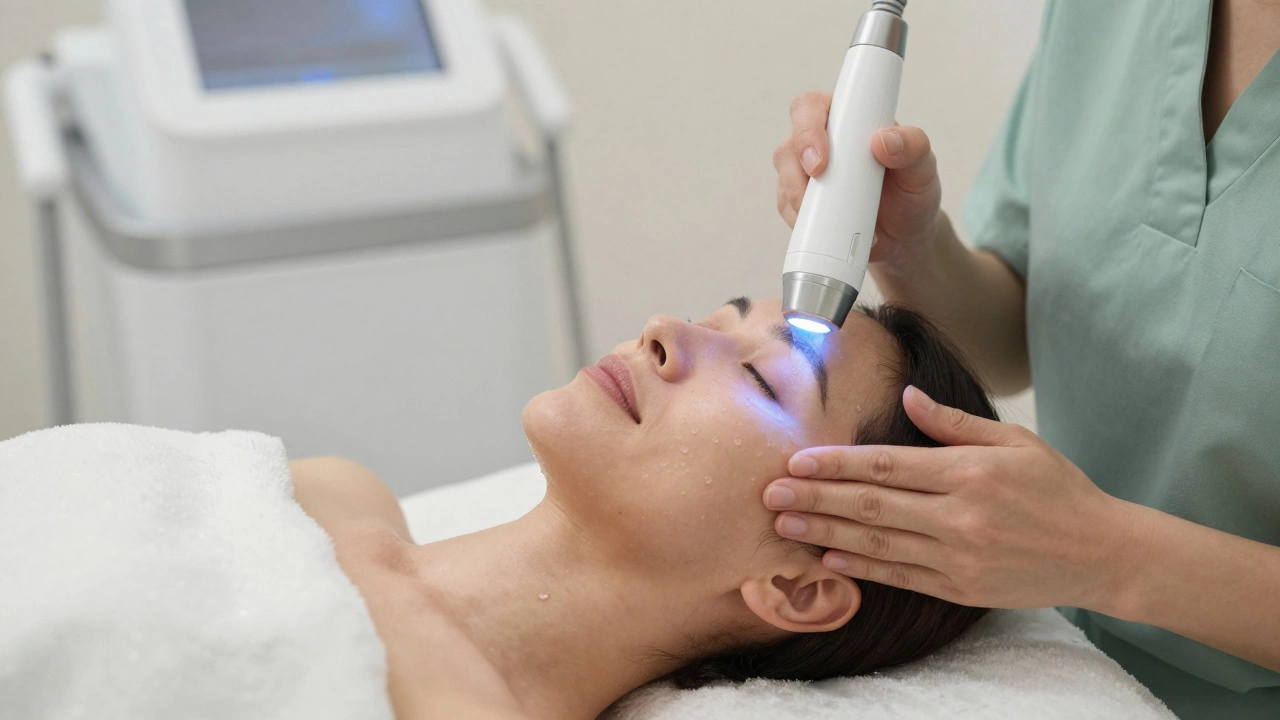
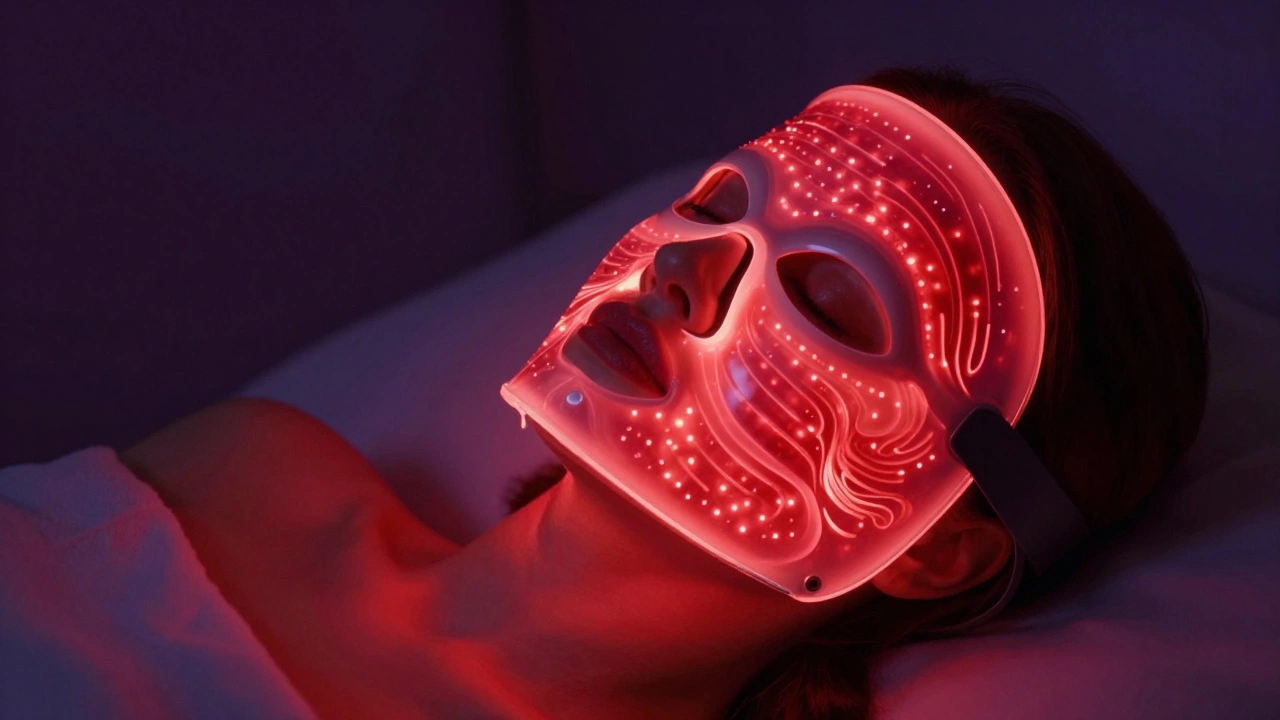
LED Light Therapy is a treatment using specific wavelengths of light to stimulate cellular activity and reduce inflammation. This is perfect if you have sensitive skin or rosacea. Red light (around 630-700nm) penetrates the dermis to stimulate mitochondria, the powerhouses of cells. This encourages collagen production without any heat, friction, or chemicals. Blue light is less relevant here unless you struggle with occasional breakouts, but red light is the star for anti-aging.
You won’t feel much during an LED facial other than warmth. It’s relaxing, requires zero recovery time, and works well alongside other treatments. Many clinics offer it as an add-on to a basic massage facial. For best results, consistency matters. One session gives a glow; six sessions spaced two weeks apart can visibly improve texture and tone.
3. Enzyme Peels Instead of Acid Peels
Traditional chemical peels use alpha-hydroxy acids (AHAs) like glycolic acid. While effective, high concentrations can burn or irritate mature skin. Enzyme Peels, however, use fruit-derived enzymes (like papain from papaya or bromelain from pineapple) to dissolve dead skin cells gently. They work on the surface level without penetrating deeply enough to cause inflammation.
This is ideal for dull, uneven skin tone. Enzymes brighten the complexion and allow your moisturizers to absorb better. Look for a facial labeled 'gentle exfoliation' or 'fruit enzyme treatment.' Avoid anything labeled 'deep peel' or 'medical grade' unless you are under the care of a dermatologist.
| Treatment Type | Best For | Downtime | Risk Level |
|---|---|---|---|
| Hydrafacial | Dryness, fine lines, congestion | None | Low |
| LED Light Therapy | Sensitivity, collagen boost, redness | None | Very Low |
| Enzyme Peel | Dullness, uneven texture | Mild redness (1-2 hours) | Low |
| Microcurrent | Sagging, lifting | None | Low |
| Deep Chemical Peel | Severe pigmentation (use caution) | 1-2 weeks | High |
Treatments to Approach with Caution
While we want to rejuvenate, we must protect. At 66, the skin’s healing factor is slower. Certain popular treatments carry higher risks of post-inflammatory hyperpigmentation (dark spots left behind after injury) or scarring.
- Harsh Mechanical Exfoliation: Avoid facials that use rough walnut scrubs or large-grit crystals. These create micro-tears in thin skin. Stick to sonic brushes with ultra-fine bristles if mechanical cleansing is needed.
- High-Concentration Retinol Facials: While retinol is great for home care, a clinical-strength retinol facial can cause severe peeling and stinging if your barrier is compromised. Always patch test first.
- Hot Steam Openers: Traditional facials often use hot steam to open pores. For mature skin, excessive heat can dilate capillaries, worsening rosacea or spider veins. Ask for warm towels instead of direct steam.
The Role of Massage and Lymphatic Drainage
Don’t underestimate the power of a good massage. As we age, fluid retention becomes common, especially around the eyes and jawline. A facial that incorporates Lymphatic Drainage techniques helps move stagnant fluids out of the tissue. This reduces puffiness and creates a more defined jawline instantly.
Look for therapists trained in modalities like Gua Sha or specialized facial massage. The motion should be upward and outward, following the natural flow of lymph toward the neck nodes. This not only looks better but feels incredibly relieving for tension held in the face and forehead.
Choosing the Right Clinic in Sydney
If you are in Sydney, you have access to some of the best aesthetic practitioners in the world. However, not every salon specializes in mature skin. When searching for a provider, look for these credentials:
- Certified Estheticians: Ensure they have advanced training in geriatric skin or mature skin care.
- Consultation First: A good therapist will never rush you into a treatment. They should assess your skin thickness, sensitivity, and current product routine.
- Product Quality: Check the brands they use. Medical-grade skincare lines like Obagi, SkinCeuticals, or Dermalogica are reliable choices for older skin because they are formulated with stability and efficacy in mind.
In neighborhoods like Surry Hills or Paddington, many boutiques focus on luxury experiences. While nice, ensure the experience doesn't overshadow the clinical effectiveness. You want results, not just relaxation.
Home Care Between Facials
A facial is a boost, not a cure-all. To maintain results, your daily routine matters more. After a hydrating facial, your skin will crave moisture. Use a rich cream containing ceramides and niacinamide. Ceramides rebuild the barrier, while niacinamide calms inflammation and improves elasticity.
Never skip sunscreen. Even if you stay indoors, UVA rays penetrate windows and accelerate collagen breakdown. Use a broad-spectrum SPF 50+ daily. In Australia, where UV levels are high even in winter, this is non-negotiable. Reapply every two hours if you are outside.
Frequency and Expectations
How often should you get a facial? For mature skin, once a month is ideal. This aligns with the skin’s natural turnover cycle, which slows down with age. Weekly facials are usually unnecessary and can strip the skin. Bi-monthly visits are acceptable if budget is a concern, but monthly consistency yields better long-term hydration and texture improvements.
Expect subtle changes rather than dramatic transformations. A good facial will make your skin look brighter, feel softer, and help your makeup apply more smoothly. It won’t erase deep wrinkles, but it will make them less noticeable by keeping the skin plump and healthy.
Can I get a Hydrafacial if I have rosacea?
Yes, but with modifications. Inform your esthetician about your rosacea. They should use low suction settings and avoid serums containing alcohol or strong fragrances. Focus on calming boosters like cucumber or green tea extracts. LED red light therapy is often a safer alternative during flare-ups.
Is microcurrent safe for thin skin?
Microcurrent is generally safe and non-invasive. It stimulates muscles beneath the skin rather than altering the skin surface. However, ensure the device uses conductive gel properly to prevent dragging. If you have very fragile capillaries, consult a doctor first, as the electrical impulses might cause slight flushing.
What should I avoid doing after a facial?
Avoid direct sun exposure for 24-48 hours. Do not use active ingredients like retinol, AHAs, or BHAs for at least 3 days post-treatment to prevent irritation. Skip hot yoga or saunas immediately after, as heat can exacerbate redness. Stick to gentle cleansing and heavy moisturizing.
How much does a quality facial cost in Sydney?
Prices vary widely. A basic 60-minute facial ranges from $150 to $250. Advanced treatments like Hydrafacial or those incorporating LED therapy typically cost between $250 and $400. Medical-grade clinics may charge more, but the expertise and product quality often justify the investment.
Can facials replace Botox or fillers?
No, facials cannot replace injectables. Facials improve skin health, hydration, and texture. Botox relaxes muscles to smooth dynamic wrinkles, and fillers restore volume loss. However, maintaining healthy skin through facials can enhance the results and longevity of injectable treatments by providing a better canvas.
 Skincare