Personalized Hair Care Routine Builder
Answer the questions below to get a customized product guide tailored to your specific hair needs.
Your Custom Hair Care Plan
You know that feeling when you spend twenty minutes styling your hair, only to have it look flat and lifeless by lunchtime? Or worse, it feels like straw the moment you touch it? Most people think they need a miracle serum or a $50 salon treatment. But here is the truth: healthy hair starts with what goes into it, not just what sits on top of it. Your scalp is skin, and your hair strands are dead cells that need maintenance, not magic.
If you’ve ever stood in the beauty aisle staring at a wall of bottles promising "volume," "repair," and "shine" all at once, you’re not alone. The problem isn’t usually one bad product; it’s a mismatch between your hair’s actual needs and what you’re buying. Let’s cut through the marketing noise and figure out exactly which hair care products actually work, based on science and real-world results.
Start With Your Scalp, Not Just Your Strands
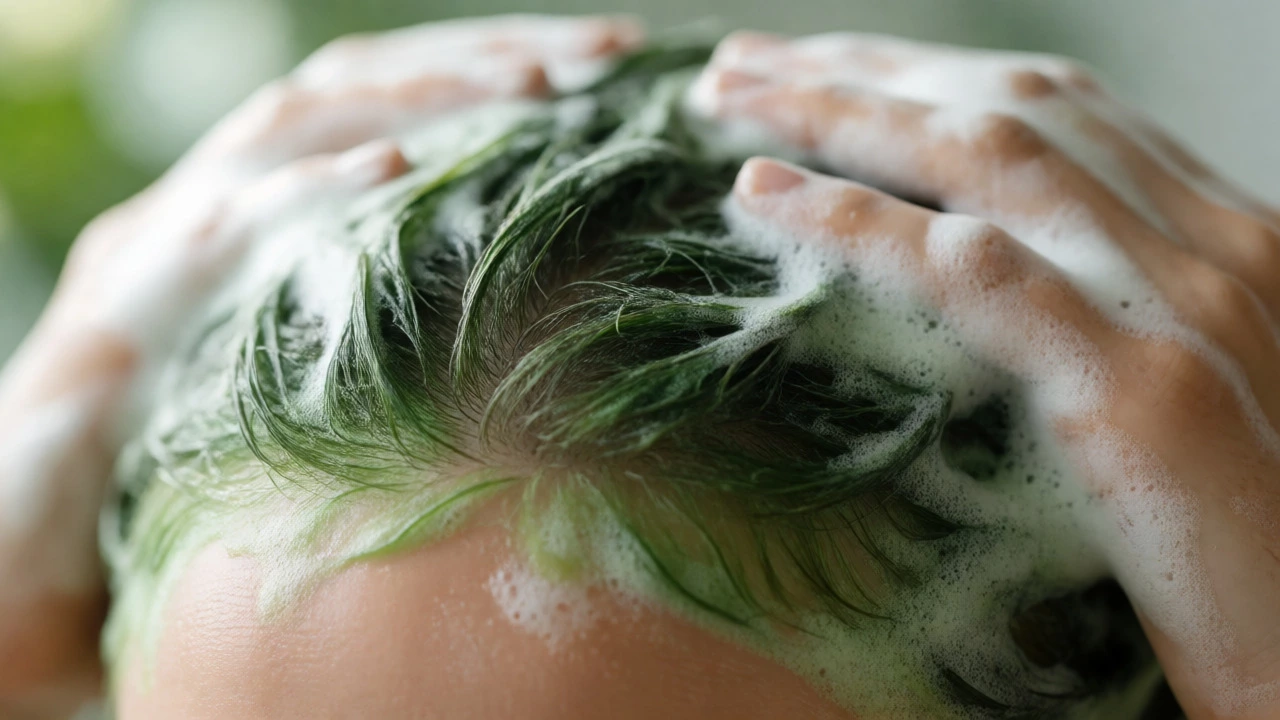
Think of your scalp as the soil and your hair as the plant. If the soil is clogged, dry, or inflamed, nothing grows well. Many people skip this step entirely, focusing only on the ends. But if your roots are greasy or flaky, no amount of expensive conditioner will fix the overall health of your hair.
Sulfate-free shampoos are often recommended because sulfates (like Sodium Lauryl Sulfate) are harsh detergents that strip natural oils. While they clean effectively, they can leave your scalp tight and itchy. If you have curly, color-treated, or dry hair, switching to a gentle, sulfate-free formula can reduce breakage and maintain moisture balance.
- Oily Scalp: Look for clarifying shampoos with salicylic acid or tea tree oil to remove buildup without over-drying.
- Dry/Itchy Scalp: Choose hydrating formulas with aloe vera or hyaluronic acid.
- Dandruff: Use medicated shampoos containing ketoconazole or zinc pyrithione twice a week.
The Conditioner Rule: Less Is More (But Location Matters)
Here is a common mistake: applying conditioner from root to tip. Unless you have extremely coarse or afro-textured hair, conditioner belongs on the mid-lengths and ends. Why? Because your scalp produces natural sebum (oil). Adding heavy conditioners to the roots weighs hair down and clogs follicles, leading to limp hair and potential acne along the hairline.
For most people, a lightweight, silicone-free conditioner works best daily. Silicones (ingredients ending in -cone or -conol) coat the hair shaft to create slip and shine. They feel great initially, but they build up over time, blocking moisture from entering the hair strand. This leads to the "dry but coated" phenomenon where your hair feels slippery outside but brittle inside.
Weekly Deep Treatments: The Real Game Changer
Conditioner is for detangling and surface smoothing. A hair mask is for repair. You don’t need a mask every day-once a week is plenty for most hair types. Think of it as a weekly spa day for your hair.
| Hair Type | Key Ingredient to Look For | Why It Works | Frequency |
|---|---|---|---|
| Fine/Oily | Hydrolyzed Wheat Protein | Strengthens without weighing down | Once every 1-2 weeks |
| Curly/Wavy | Shea Butter & Coconut Oil | Seals in moisture to define curls | Once a week |
| Color-Treated | Keratin & UV Filters | Repairs cuticle and prevents fading | Once a week |
| Damaged/Bleached | Bond Builders (e.g., Olaplex) | Reconnects broken disulfide bonds | As directed by product |
Pro tip: Apply your mask to damp, not soaking wet, hair. Water blocks absorption. Squeeze out excess water first, then apply the mask from ears down. Leave it on for the recommended time-usually 10-15 minutes. Sleeping in a mask overnight is rarely necessary and can sometimes lead to protein overload, making hair stiff and prone to snapping.
Heat Protection Isn't Optional
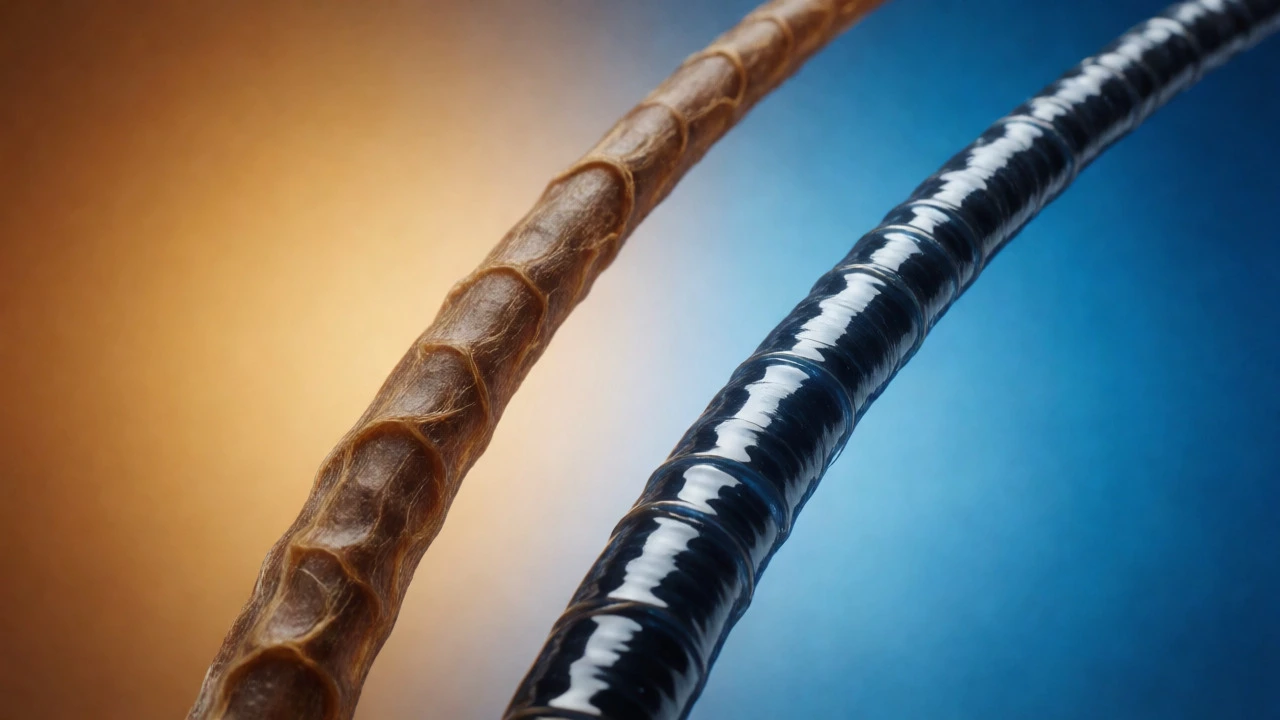
If you use a blow dryer, straightener, or curling iron, heat protectant is non-negotiable. Hair keratin begins to degrade at temperatures above 150°C (302°F). Most styling tools reach 200°C+ (400°F+). Without protection, you are literally cooking the proteins in your hair.
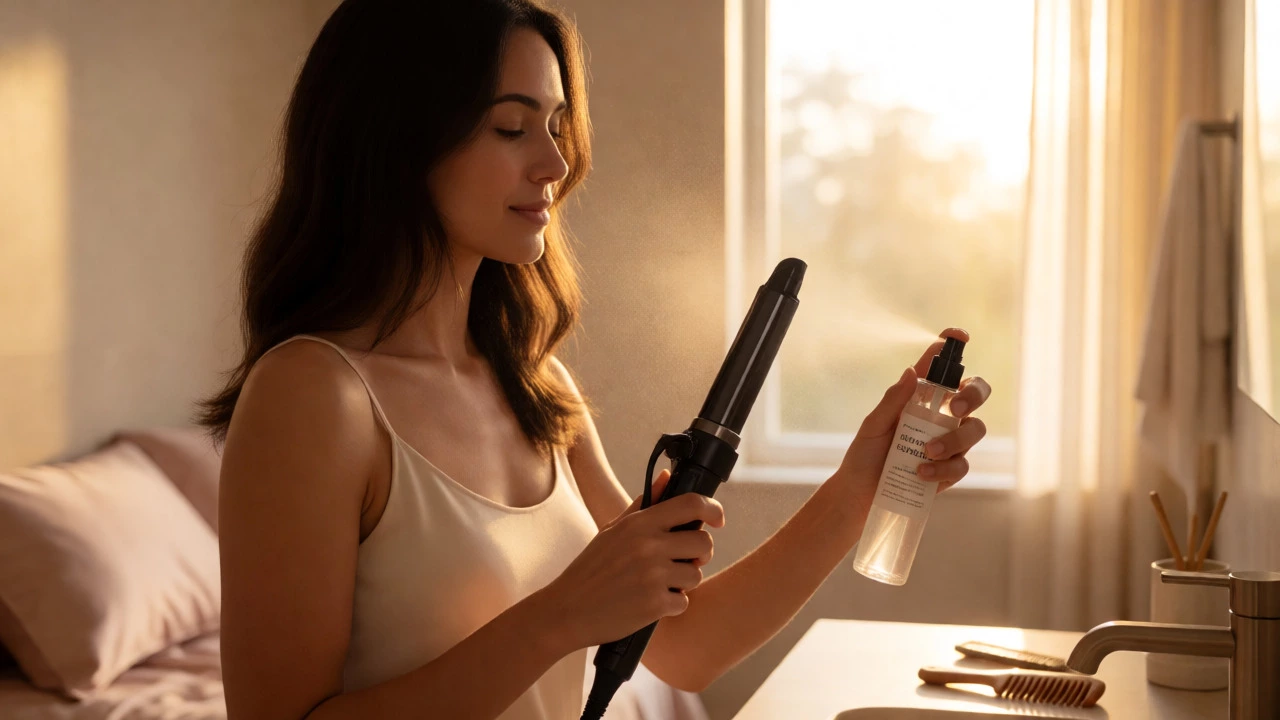
A good heat protectant spray creates a thermal barrier between your hair and the hot tool, reducing moisture loss and preventing split ends. Look for ingredients like dimethicone (for slip), panthenol (for strength), and natural oils like argan or marula (for nourishment). Apply it evenly before drying or styling. If you air-dry, you might still benefit from a light leave-in cream to combat humidity frizz, especially in Sydney’s coastal climate.
Don't Ignore the Tools You Use
Your products matter, but so do your tools. Cotton pillowcases absorb moisture from your hair while you sleep, leading to tangles and friction breakage. Switching to a silk or satin pillowcase can significantly reduce morning frizz and preserve your style longer.
Similarly, check your brush. Wet hair is at its weakest state. Using a standard paddle brush on wet hair causes unnecessary snap-back damage. Instead, use a wide-tooth comb or a flexible detangling brush specifically designed for wet hair. Start from the ends and work your way up to the roots gently.
Building Your Routine: A Simple Checklist
You don’t need ten steps. You need consistency. Here is a baseline routine for maintaining healthy hair:
- Cleanse: Shampoo only the scalp. Let the suds run down the lengths as you rinse.
- Condition: Apply conditioner to mid-lengths and ends. Detangle gently with fingers or a wide-tooth comb.
- Treat: Once a week, swap conditioner for a targeted hair mask.
- Protect: Apply heat protectant before any hot styling.
- Maintain: Trim ends every 8-12 weeks to prevent splits from traveling up the shaft.
Remember, healthy hair is also about internal health. Hydration, protein intake, and stress management play huge roles. No shampoo can fix nutritional deficiencies. If you notice sudden shedding or texture changes, consider looking at your diet and general health alongside your product choices.
Frequently Asked Questions
How often should I wash my hair?
It depends on your scalp type. Oily scalps may need washing every 1-2 days, while dry or curly hair types can go 3-7 days. Over-washing strips natural oils, causing the scalp to produce more oil to compensate, creating a vicious cycle.
Do expensive hair products work better than drugstore ones?
Not necessarily. Price often reflects packaging and marketing rather than ingredient quality. Check the ingredient list. High-end brands sometimes use cheaper fillers, while affordable brands can have excellent active ingredients like hydrolyzed proteins or ceramides.
What is 'protein overload' in hair?
Protein strengthens hair, but too much makes it stiff, brittle, and prone to breaking. Signs include hair that snaps easily when stretched and feels rough or straw-like. If this happens, switch to moisturizing products for a few weeks to restore elasticity.
Is silicone bad for hair?
Silicones aren't inherently bad; they provide slip and shine. However, non-water-soluble silicones can build up, blocking moisture. If you use them, ensure you occasionally use a clarifying shampoo to remove residue, or opt for water-soluble silicones if you prefer low-maintenance routines.
Can I use body wash instead of shampoo?
Occasionally, yes. But body washes are formulated for skin pH and often contain heavier moisturizers that leave hair looking dull and feeling heavy. Shampoos are specifically designed to lift dirt and oil from the hair shaft without excessive residue.
 Skincare