💇♀️ Salon Experience Risk Checker
Loading...
Your Salon Risk Profile
Personalized Action Plan
Walk into any beauty salon is a commercial establishment providing professional grooming and cosmetic services including haircuts, coloring, facials, and manicures. in Sydney or anywhere else, and you might hear the same grumbles. It’s not just about a bad haircut. It’s about the feeling that your time and money didn’t match the result. We’ve all been there: sitting in the chair for three hours, only to walk out looking like we got hit by a windstorm. Or paying premium prices for a facial that left our skin more irritated than before. These recurring issues aren’t random; they stem from specific gaps between what clients expect and what salons deliver.
Understanding these pain points helps both clients set better boundaries and owners improve their operations. Whether you are a regular customer trying to find a reliable spot near you, or a business owner looking to reduce negative reviews, knowing the common friction points is key. Let’s break down the most frequent complaints and why they keep happening.
The Communication Gap: When "Bob" Means Something Different to Everyone
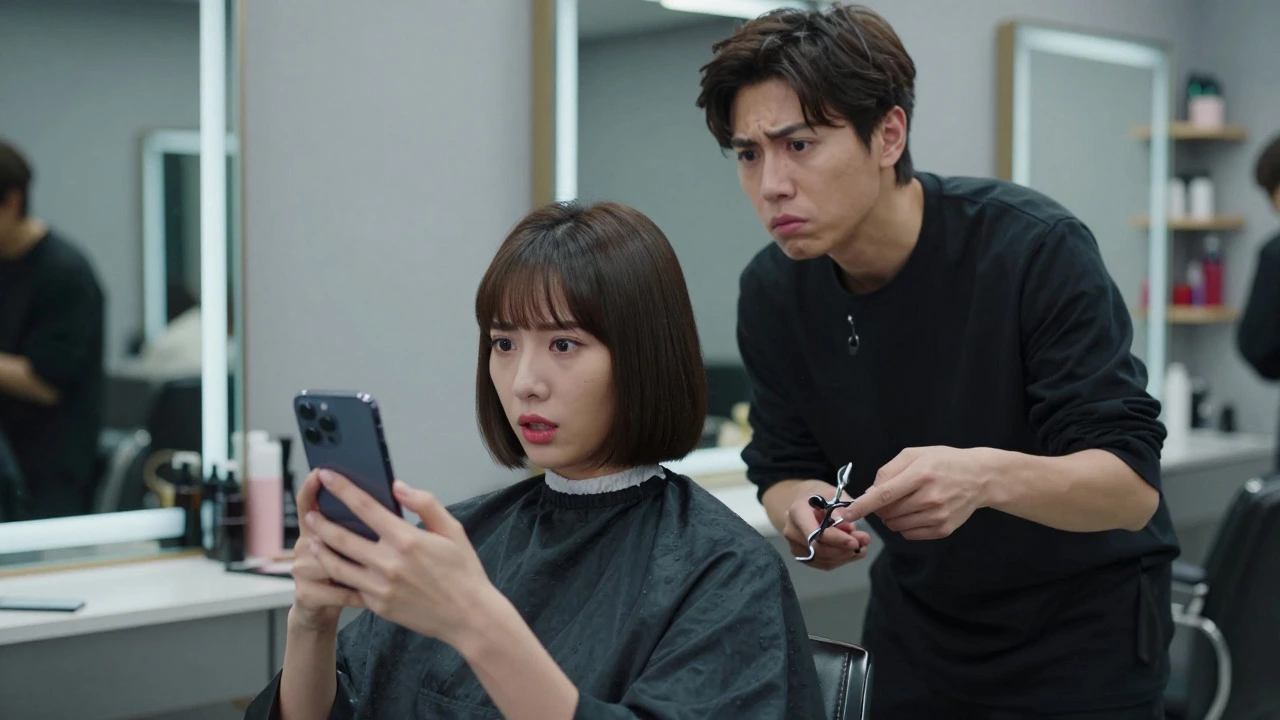
The number one source of frustration is miscommunication. You show a stylist a photo of a sleek, chin-length bob. They cut it, and you get a shaggy, uneven mess. Why? Because words like "short," "layered," or "blunt" mean different things to different people. This disconnect often happens because clients assume the stylist can read their mind based on a single Instagram image.
Stylists, on the other hand, often rely on technical terms that don't translate well to everyday language. If you ask for "texture," do you want soft waves, choppy layers, or pinched ends? Without a detailed consultation, the stylist guesses. The solution isn't always blaming the staff. Often, it's about how the client presents their request. Bringing multiple reference photos, specifying exactly where you want length changes, and discussing maintenance requirements beforehand drastically reduces this risk. However, if a salon skips the consultation phase entirely, the fault lies with the service provider.
Pricing Surprises and Hidden Costs
Nobody likes surprises on their credit card statement. In many salon pricing models is a system where costs vary based on service type, product usage, and stylist seniority., the base price covers the labor, but additional charges can pile up quickly. Common hidden costs include:
- Product add-ons: A blow-dry might cost $40 extra if you wanted it done after your color treatment.
- Tips: While tipping is customary in some regions, it’s not always expected in Australia, yet some clients feel pressured by high menu prices that already seem inflated.
- Upgrades: Being told mid-service that your hair needs a "deep repair mask" that adds $30 to the bill.
To avoid this, always ask for an all-inclusive quote before you sit down. A transparent price list that clearly separates labor from product costs builds trust. If a salon doesn't have clear signage or digital menus, be skeptical. Clear communication here saves arguments at the register.
Scheduling Chaos: Waiting Times and Rushed Appointments
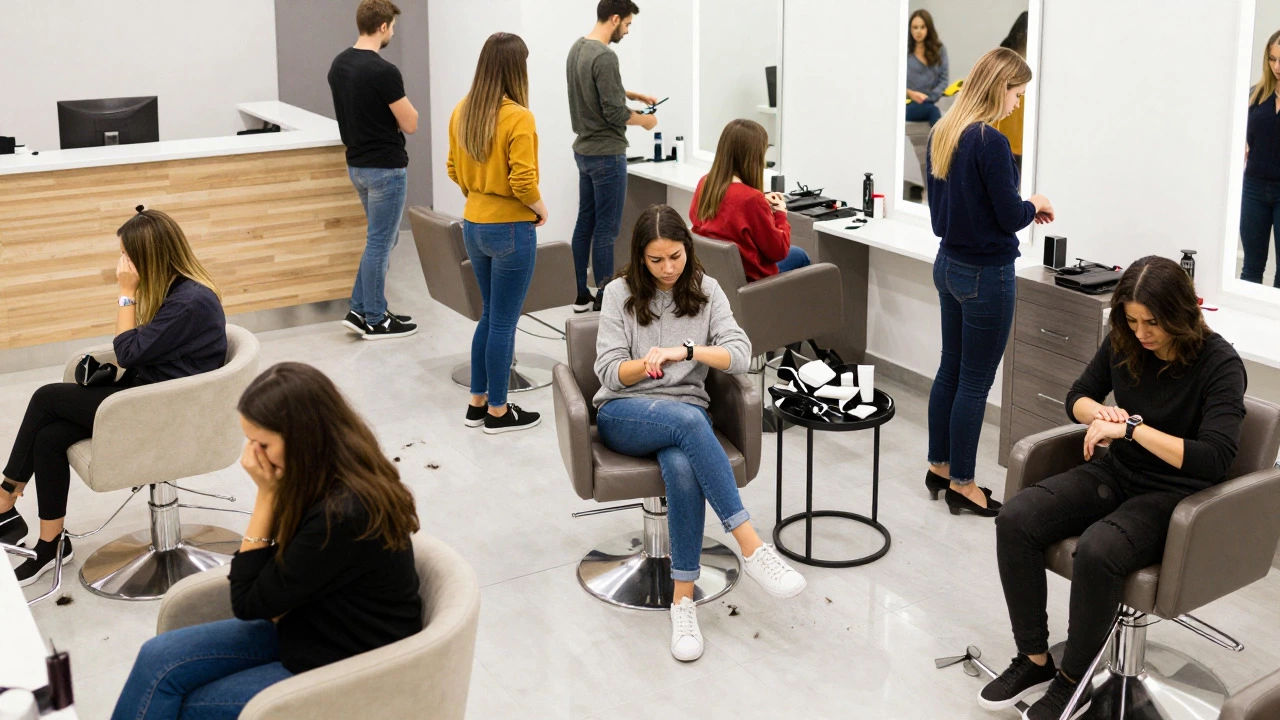
Time is precious. Booking a slot for 10 AM and being told you'll be ready by 11:30 is annoying. But showing up at 10 AM and waiting another 45 minutes because the previous client ran over? That’s a dealbreaker for many. Scheduling inefficiencies are a major complaint in busy urban areas like Sydney, where foot traffic is high.
This usually happens for two reasons. First, back-to-back bookings without buffer time. Second, underestimating how long complex services take. A full balayage takes significantly longer than a root touch-up. If the front desk books you in a 60-minute slot for a 90-minute job, you’re setting yourself up for stress. Conversely, rushed appointments happen when stylists try to make up for lost time later in the day. You can tell when a stylist is rushing: they skip the final brush-out, they don’t explain the styling process, and they barely look at you while working. Both scenarios-waiting too long and being rushed-damage the client experience.
Hygiene and Environment Issues
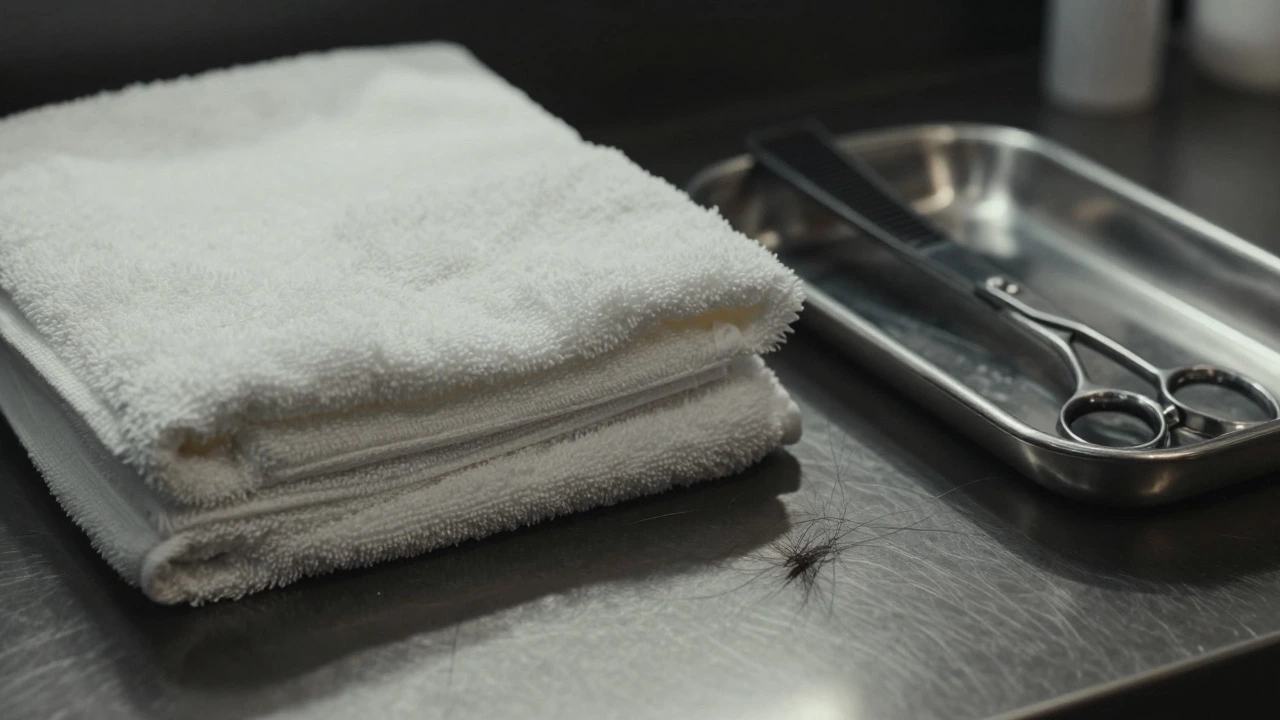
You wouldn’t go to a dentist who didn’t sterilize their tools, right? Yet, hygiene complaints in salons are surprisingly common. Clients notice dirty towels, clippings on the floor, or shared combs that haven’t been sanitized. In a post-pandemic world, standards have shifted. People are more aware of germs and expect higher cleanliness levels.
Beyond visible dirt, there’s the issue of ambiance. Is the music too loud? Is the lighting harsh? Does the place smell strongly of ammonia or old shampoo? These sensory details matter. A clean, calm environment signals professionalism. If the waiting area is cluttered with empty bottles or the chairs are sticky, it reflects on the service quality. Regular audits of the physical space are essential for maintaining a positive reputation.
Product Recommendations That Feel Like Sales Pitches
There’s a fine line between helpful advice and aggressive selling. Many clients complain that they were pushed to buy expensive products they didn’t need. For example, being told you *must* use a specific brand of sulfate-free shampoo because everything else will ruin your color. While some products are indeed necessary for certain treatments, the pressure can feel manipulative.
A good stylist explains *why* a product is beneficial and offers alternatives within different price ranges. If the only option presented is the most expensive one in the shop, it raises red flags. Transparency about product ingredients and benefits helps build trust. Clients appreciate when a stylist says, "This works well, but if budget is tight, this cheaper alternative does the same job." That honesty wins loyalty.
| Complaint Category | Primary Cause | Client Solution | Salon Fix |
|---|---|---|---|
| Miscommunication | Vague instructions | Bring multiple photos | Mandatory consultation |
| Hidden Costs | Unclear pricing structure | Ask for all-inclusive quote | Digital transparent menus |
| Scheduling Issues | Buffer time lack | Book complex jobs earlier | Realistic time estimates |
| Hygiene Concerns | Inconsistent cleaning | Observe station cleanliness | Daily sanitation checks |
How to Choose a Better Salon Next Time
If you’re tired of these issues, how do you find a reliable spot? Start by checking recent reviews, but look beyond the star rating. Read the comments. Do people mention specific stylists by name? Are there consistent complaints about waiting times or rude staff? Look for photos of actual results, not just stock images.
When you visit, pay attention to the first five minutes. How is the greeting? Do they offer water? Do they ask about your hair history or skin concerns? A thorough intake process is a strong indicator of care. Also, check if they let you inspect the products they plan to use. If you have sensitive skin or allergies, this step is non-negotiable.
Finally, trust your gut. If the vibe feels off, or the stylist seems disinterested, it’s okay to switch. Your comfort matters as much as the technical skill. A great salon respects your time, communicates clearly, and delivers consistent results without hidden fees. Finding that balance takes a bit of research, but it’s worth it for peace of mind and better hair (or skin).
Why do salons charge so much for simple services?
High costs often reflect rent in prime locations, the expertise of senior stylists, and the quality of products used. Additionally, overheads like insurance, training, and marketing contribute to the final price. Always ask what is included in the base rate to understand the value.
Is it normal to wait longer than my booked time?
Minor delays of 10-15 minutes can happen due to unexpected complexity. However, waiting over 30 minutes regularly indicates poor scheduling management. If this happens frequently, it may be a sign to consider a different provider.
How can I ensure my haircut matches the photo I bring?
Bring 3-5 photos showing different angles. Discuss your hair texture and density with the stylist, as straight hair behaves differently than curly hair. Agree on a test section before committing to the full cut if possible.
Are salon products really necessary?
Not always. Professional products often have higher concentrations of active ingredients, which can yield better results for specific treatments like color protection. However, drugstore brands can work well for general maintenance if they suit your hair type.
What should I do if I’m unhappy with my result?
Speak to the stylist calmly and immediately. Most salons have a policy for corrections within 48-72 hours. Be specific about what you dislike. Avoid emotional outbursts, as they rarely lead to better outcomes. Keep receipts and photos as proof of the original state.
 Skincare