Salon Prep Checker
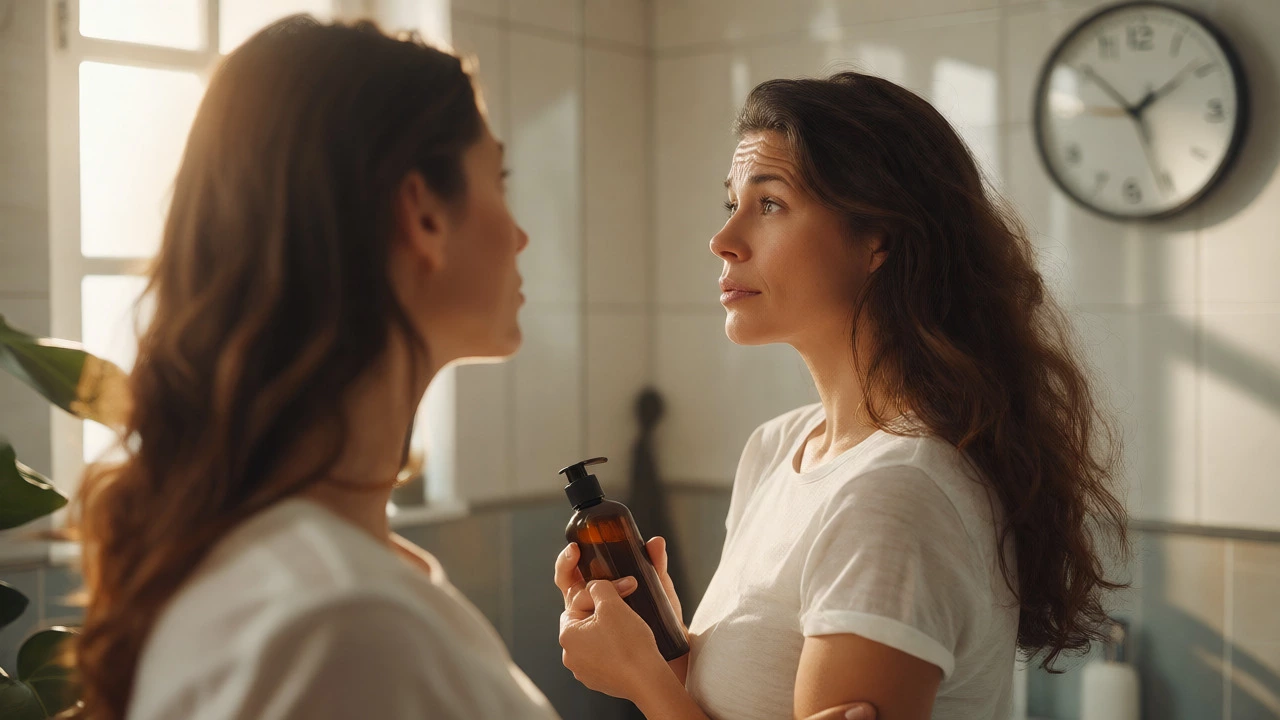
You’re standing in your bathroom, shampoo bottle in hand, staring at the clock. Your appointment is in an hour. Do you wash it now so it’s clean and fresh for the stylist? Or do you leave it alone, hoping they don’t notice the day-old grease? It’s a common dilemma that leaves many clients sweating before they even sit in the chair.
Here is the blunt truth: Hairdressers generally prefer unwashed hair, specifically hair that hasn't been washed within the last 24 to 48 hours. But this isn’t because stylists are lazy or dislike cleanliness. It’s about physics, product performance, and getting the best result for your specific cut or color. Washing your hair immediately before an appointment can actually sabotage the work they are trying to do on your head.
Why Natural Oils Are Your Best Friend During a Cut
When you wash your hair, you strip away the natural sebum produced by your scalp. This oil sounds gross when you think about it as "grease," but in the salon chair, it acts as a crucial lubricant. Think of it like engine oil in a car; without it, parts grind against each other. With it, things glide smoothly.
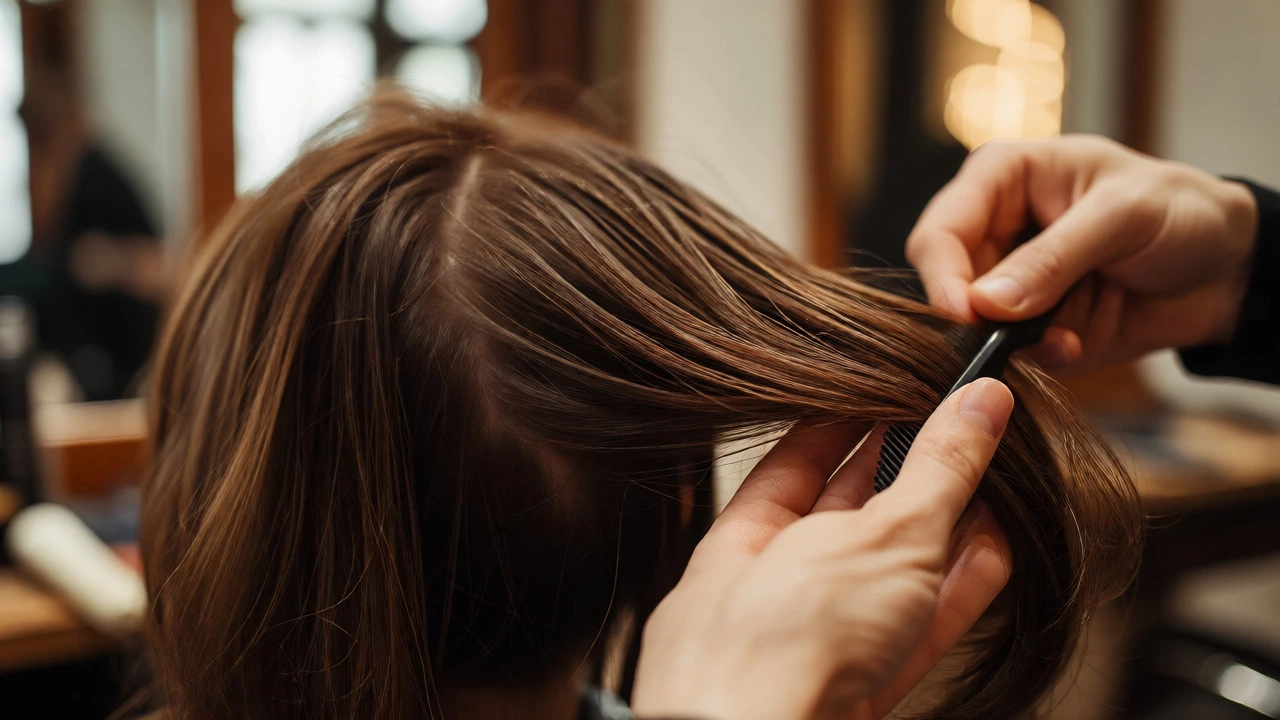
Stylists use scissors and combs to manipulate strands of hair. If your hair is freshly washed, it is often fluffy, static-prone, and resistant to cutting evenly. The natural oils weigh the hair down slightly, allowing the stylist to see the true weight line of your cut. They need to know how your hair falls naturally, not how it behaves when it’s artificially stripped and fluffed up with conditioner.
- Lubrication: Sebum reduces friction between the comb teeth and the hair shaft, preventing breakage during detangling.
- Visibility: Slightly oily hair clumps together more predictably, making it easier to section off for precision cuts.
- Static Control: Freshly washed hair generates static electricity, which makes fine hair fly away and difficult to control.
The Chemistry of Color: Why Dirty Hair Protects Your Scalp
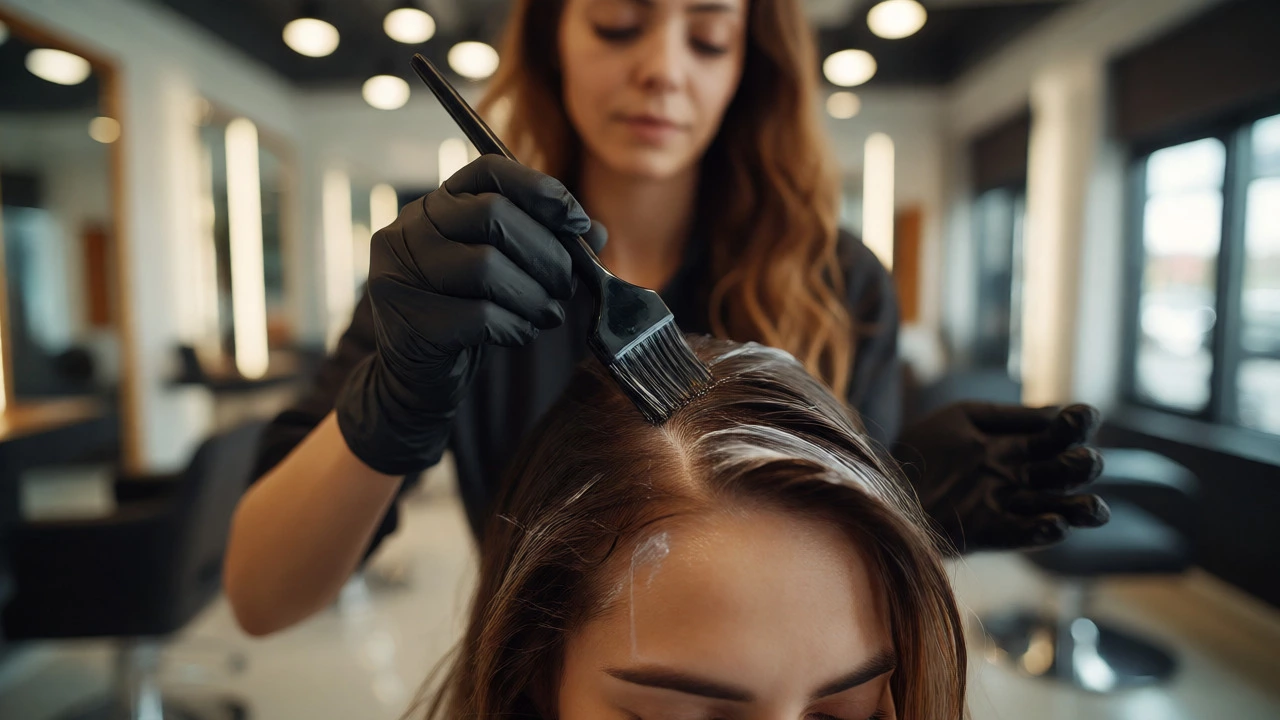
If you are going in for a Hair Color service, the rule becomes even stricter. You absolutely should not wash your hair the morning of your appointment. In fact, most colorists will tell you to skip washing for at least 24 hours prior.
Permanent hair dye contains ammonia and peroxide, chemicals that open the hair cuticle to deposit pigment. These same chemicals can irritate the skin. That layer of natural oil on your scalp serves as a protective barrier. It prevents the dye from stinging, burning, or causing contact dermatitis on sensitive skin areas near the hairline and behind the ears.
Furthermore, some pigments adhere better to hair that has a slight texture rather than squeaky-clean smoothness. While modern bond-building treatments have improved this dynamic, the general industry standard remains: dirty hair holds color more evenly and protects the client’s comfort.
| Service Type | Recommended State | Why? |
|---|---|---|
| Standard Haircut | Unwashed (1-2 days) | Better visibility of natural fall; reduced static. |
| Blow Dry / Style | Clean & Dry | Product buildup interferes with heat styling longevity. |
| Permanent Color | Unwashed (24+ hours) | Natural oils protect scalp from chemical irritation. |
| Balayage / Highlights | Unwashed (24+ hours) | Prevents scalp sensitivity during long processing times. |
| Keratin Treatment | Clean (Clarified) | Requires zero residue for the treatment to bond correctly. |
When Clean Hair Is Actually Better
So, is there ever a time you should show up with squeaky-clean locks? Yes. If you are booking a blow-dry only, or if you are getting a specialized treatment like a deep conditioning mask or a keratin smoothing service, clean hair is preferred.
For a blow-out, the stylist needs to apply heat-protectant sprays and volumizing mousses. If your hair is coated in day-old sebum and dry shampoo, these products won’t penetrate properly. The style might look great in the salon but fall flat two hours later because the product slid right off the oily surface.
Keratin treatments are particularly picky. These services require the hair to be completely free of mineral deposits and product buildup. Often, salons will ask you to come with clean hair, or they will perform a clarifying wash themselves before applying the protein solution. Always check with your specific salon’s policy for these high-maintenance treatments.
The Dry Shampoo Trap
Many people try to cheat the system by using heavy amounts of dry shampoo to make their hair look presentable while keeping it "dirty." Be careful here. While a light dusting is fine, caking on dry shampoo creates a chalky residue that stylists hate.
Dry shampoo absorbs oil, but it doesn’t remove it. Instead, it turns the oil into a gritty paste mixed with starch or silica. When a stylist tries to cut through this, the scissors get gummy. More importantly, if you are coloring, this residue blocks the dye from penetrating the hair shaft evenly. You might end up with patchy color that fades quickly.
If you must use dry shampoo, apply it sparingly at the roots and brush it through thoroughly. Avoid spraying it heavily on the mid-lengths and ends where the stylist will be working.
How to Prepare for Your Appointment Like a Pro
Understanding the "why" helps you prepare better. Here is a simple checklist to ensure you walk into the salon ready for success, regardless of whether you washed your hair yesterday or today.
- Check the Service Type: Look at your booking confirmation. Is it a cut, color, or treatment? Adjust your washing schedule accordingly.
- Skip Heavy Products: Avoid waxes, gels, or thick creams the night before. These create a barrier that water and shampoo struggle to remove, forcing the stylist to spend extra time scrubbing.
- Keep it Tangled-Free: Even if you aren’t washing, brush your hair gently before leaving home. Knots are frustrating for everyone and waste valuable appointment time.
- Communicate: If you washed your hair out of habit, just say so. A good stylist can still work with clean hair. They might add a texturizing spray to give it grip. Don’t stress-communication beats perfection.
What About Curly and Textured Hair?
Curly hair operates under different rules. For many curly-haired clients, washing too close to an appointment causes frizz. The act of drying curly hair disrupts the curl pattern, leading to a halo of fuzz that hides the true shape of the cut.
Stylists who specialize in curls often prefer hair that has air-dried naturally after being washed 2-3 days ago. This allows the curl clumps to settle and tighten. If you arrive with freshly blown-out curls, the stylist may struggle to see where the natural spring begins and ends, potentially cutting too much length.
Conversely, if you have very tight coils or afro-textured hair, some stylists prefer clean, damp hair for stretching techniques before cutting. Always ask your specialist stylist for their personal preference, as techniques vary widely across textured hair communities.
Frequently Asked Questions
Is it rude to go to the hairdresser with dirty hair?
Not at all. Most stylists expect and prefer unwashed hair for cuts and colors. As long as your hair isn't matted or covered in excessive product buildup, it is perfectly acceptable. In fact, showing up with greasy roots shows you respect the technical requirements of the service.
Can I wash my hair the night before my appointment?
Yes, washing the night before is often ideal. It gives the natural oils time to travel down the hair shaft, providing the lubrication stylists love, while ensuring the hair is relatively clean. Just avoid sleeping on cotton pillowcases if you have delicate extensions, as friction can cause tangles.
What if I sweat heavily before my appointment?
Sweat is salt and water, which is different from sebum. If you’ve worked out and sweated profusely, it’s okay to rinse your hair with water only, no shampoo. Let it air dry. If you must use shampoo, use a tiny amount and rinse thoroughly. Inform your stylist if your hair feels sticky, as they may adjust their technique.
Does unwashed hair affect the price of the service?
Generally, no. However, if your hair is extremely tangled or filled with unremovable product buildup (like old hairspray or wax), some salons may charge an additional detangling fee or take longer to complete the service. Keeping your hair manageable at home prevents surprise costs.
Should I bring my own hairbrush?
No, unless you have a very specific medical condition or extreme sensitivity. Salons sanitize their tools rigorously. Bringing your own brush can introduce bacteria from your home environment into the sterile salon space. Trust the professional tools provided.
 Skincare