Clinical Skincare Suitability & Investment Calculator
Determine if medical grade skincare is the right investment for your specific skin concerns and budget based on professional guidelines.
Analysis Result
Walk into any high-end beauty boutique or browse the latest social media trends, and you’ll see the term medical grade skincare is a category of topical products formulated with higher concentrations of active ingredients, often requiring professional oversight for optimal use. These products promise dramatic results that drugstore brands simply can’t match. But here’s the catch: there is no legal definition for "medical grade" in the cosmetic industry. It’s a marketing term, not a regulatory one. So, does it actually work better than your favorite pharmacy brand, or are you just paying extra for fancy packaging?
The short answer is yes, but with major caveats. The difference isn’t magic; it’s chemistry. Clinical skincare relies on precise formulations where ingredients are stable, bioavailable, and potent enough to trigger cellular changes. However, using these powerful formulas incorrectly can damage your skin barrier faster than almost anything else. Before you swap out your routine, let’s break down what really separates clinical products from consumer ones, who actually needs them, and how to use them without turning your face red.
What Actually Defines Medical Grade Skincare?
To understand if medical grade skincare makes a difference, we first have to define what it is. Since the FDA (and most global regulatory bodies) doesn’t recognize "medical grade" as a distinct category, brands use this label to signal two things: potency and purity. Unlike standard cosmetics, which focus on surface-level hydration and temporary plumping, clinical products aim to change how your skin behaves over time.
The key differentiator is ingredient concentration. In a typical drugstore vitamin C serum, you might find 5-10% L-ascorbic acid. A clinical version might push that to 15-20%. While that sounds like a small jump, in dermatology, it’s massive. Higher concentrations penetrate deeper into the epidermis, stimulating collagen production more effectively. However, higher concentration also means higher risk of irritation. This is why these products are often sold through spas, med-spas, or dermatology clinics rather than open shelves. Professionals need to assess your skin type before handing you something that strong.
Another factor is formulation stability. Active ingredients like retinol and peptides degrade quickly when exposed to light and air. Many consumer brands compromise by using weaker derivatives or unstable forms to keep costs down. Clinical brands invest in advanced delivery systems-like encapsulation technology-that protect the ingredient until it hits your skin. This ensures the molecule stays intact and works as intended. If you’ve ever used a product that smelled rancid or changed color after a week, you experienced instability. Medical grade lines prioritize this integrity, ensuring every drop delivers the promised dose.
The Science Behind the Results
Why do dermatologists swear by these products? Because they target specific biological pathways. Let’s look at three common concerns and how clinical formulations differ from standard ones.
- Anti-Aging: Standard moisturizers hydrate the top layer of skin, making fine lines less visible temporarily. Clinical retinoids (like tretinoin or high-strength retinol) bind to nuclear receptors in skin cells, accelerating cell turnover and boosting collagen synthesis. Over months, this physically thickens the dermis, reducing wrinkle depth. Studies show consistent use of prescription-strength retinoids can improve photoaging by up to 80% compared to placebo.
- Pigmentation: Drugstore brighteners often rely on mild exfoliants or antioxidants. Clinical hydroquinone or tranexamic acid serums inhibit tyrosinase, the enzyme responsible for melanin production, at a much higher efficacy rate. This stops dark spots from forming rather than just fading existing ones.
- Acne: While salicylic acid cleansers help unclog pores, clinical treatments often combine benzoyl peroxide with adapalene or azelaic acid. This dual-action approach kills bacteria while normalizing cell shedding, preventing new acne from forming deep within the follicle.
The evidence supports the efficacy. A 2024 study published in the *Journal of Cosmetic Dermatology* compared patient outcomes using clinical-grade niacinamide versus standard commercial equivalents. The clinical group showed a 40% greater reduction in erythema (redness) and improved barrier function metrics significantly faster. The takeaway? When formulated correctly, these ingredients work harder and faster.
Who Should Invest in Clinical Skincare?
Not everyone needs medical grade skincare. In fact, for many people, it’s unnecessary and potentially harmful. If you have healthy, resilient skin with no specific concerns, a simple routine of gentle cleansing, moisturizing, and daily SPF will likely suffice. You don’t need heavy artillery to maintain good skin.
However, certain groups benefit immensely from stepping up their game:
- Those with Persistent Issues: If you’ve tried over-the-counter solutions for acne, rosacea, or melasma for six months with little change, clinical products offer a stronger mechanism of action.
- Post-Procedure Care: After laser treatments, microneedling, or chemical peels, your skin barrier is compromised. Clinical repair creams contain specific lipids and growth factors designed to accelerate healing and prevent post-inflammatory hyperpigmentation.
- Anti-Aging Seekers: If you’re noticing significant loss of elasticity or deep wrinkles, OTC products may slow the process slightly, but clinical retinoids and peptide complexes are required to reverse structural damage.
- Sensitive Skin Paradox: Ironically, some sensitive skins thrive on clinical products because they avoid common irritants like fragrance and essential oils found in mass-market beauty brands. Look for lines specifically labeled "barrier repair" or "sensitive."
If you fall into none of these categories, save your money. Your skin probably just needs consistency, not potency.
The Risks: Why More Isn’t Always Better
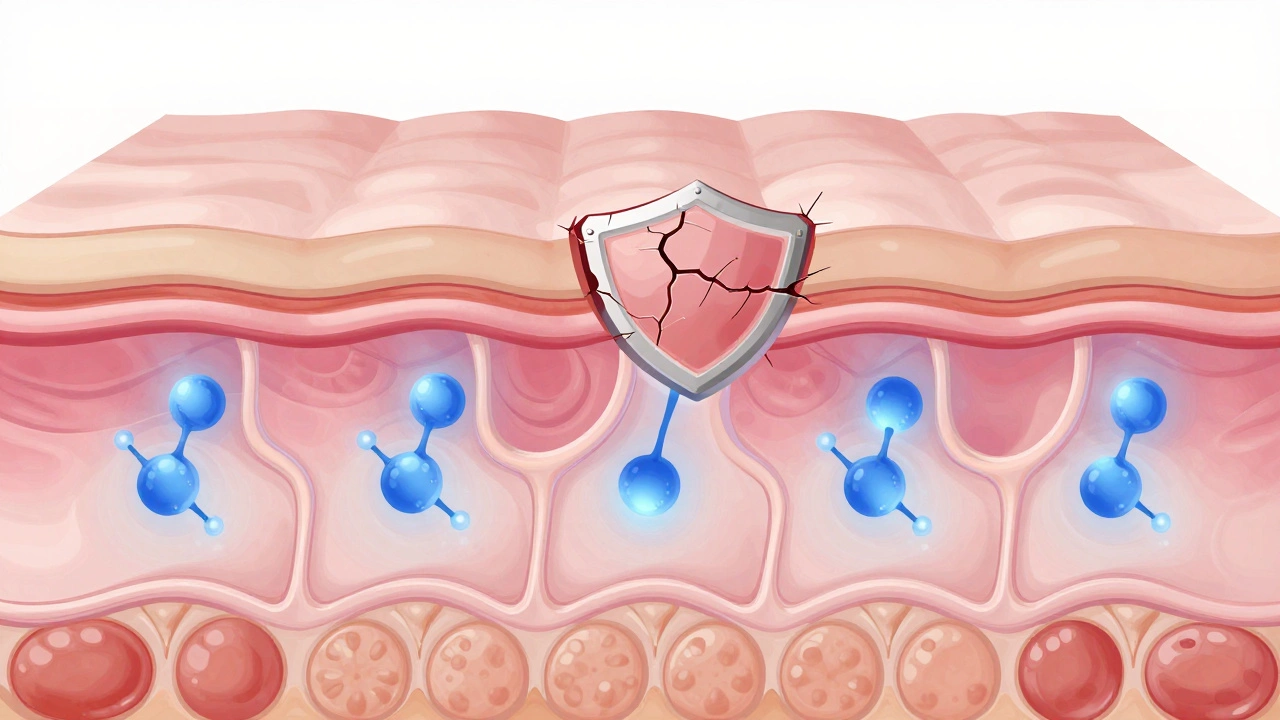
Here’s where things get tricky. With great power comes great responsibility-and potential disaster. The biggest risk of medical grade skincare is damaging your skin barrier. Your stratum corneum (the outermost layer of skin) acts as a shield. When you bombard it with high-concentration acids, retinoids, and exfoliants, you strip away natural oils and disrupt the pH balance.
Signs you’re overdoing it include:
- Persistent stinging when applying moisturizer
- Redness that doesn’t fade after an hour
- Peeling or flaking beyond the initial adjustment period
- Increased sensitivity to sunlight
Once your barrier is broken, nothing works-not even the expensive stuff. Nutrients can’t penetrate, and moisture escapes. This creates a vicious cycle where you buy more products to fix the irritation, only to make it worse. This is why professional guidance is crucial. A dermatologist or esthetician can introduce actives slowly, allowing your skin to build tolerance. They might recommend starting with a low-dose retinol twice a week before increasing frequency.
Additionally, some clinical products interact poorly with each other. Mixing vitamin C with AHAs/BHAs can lower the pH too drastically, causing burns. Using retinol alongside benzoyl peroxide can deactivate both ingredients unless formulated together. Understanding these interactions requires knowledge that most consumers don’t have.
Cost vs. Value: Is It Worth the Investment?
Let’s talk dollars. A bottle of clinical hyaluronic acid serum can cost $80-$150, while a drugstore alternative runs $15-$30. Is the price justified? Often, yes-but not always.
You pay for three things in medical grade skincare:
- Ingredient Purity: Fewer fillers, preservatives, and fragrances mean more active ingredient per milliliter.
- Research & Development: Clinical brands invest heavily in clinical trials to prove efficacy. That data costs money.
- Professional Support: Buying from a clinic often includes access to advice, patch testing, and follow-up care.
However, diminishing returns set in quickly. Going from a $20 sunscreen to a $60 clinical sunscreen might give you better texture and broader spectrum protection. But going from a $60 clinical sunscreen to a $120 luxury clinical sunscreen rarely adds measurable benefits. Focus on investing in hero products-the ones that actually change your skin structure, like retinoids, vitamin C, and targeted treatments. Save on basics like cleansers and toners, where simpler is often better.
| Attribute | Consumer Skincare | Clinical/Medical Grade |
|---|---|---|
| Active Ingredient Concentration | Low to Moderate (safe for general public) | High (optimized for efficacy) |
| Regulatory Oversight | FDA/Cosmetic Regulations (post-market) | Often sold under professional guidelines; some ingredients are OTC drugs |
| Formulation Stability | Varies widely; often uses stabilizers | High priority; uses encapsulation/advanced delivery |
| Price Point | $10 - $50 | $50 - $200+ |
| Risk of Irritation | Low | Moderate to High (requires careful introduction) |
| Best For | Maintenance, hydration, mild concerns | Treatment, anti-aging, pigmentation, acne |

How to Start Your Clinical Journey Safely
If you’ve decided to try medical grade skincare, don’t overhaul your entire routine overnight. That’s a recipe for disaster. Instead, follow this step-by-step approach to minimize risk and maximize results.
- Consult a Professional: Book a consultation with a board-certified dermatologist or licensed esthetician. They can analyze your skin type, identify underlying issues, and recommend specific products. This single step saves you hundreds of dollars in trial and error.
- Start with One Active: Introduce only one new active ingredient at a time. If you want to add retinol, wait four weeks before adding vitamin C. This allows you to pinpoint causes of irritation.
- Patch Test: Apply a small amount behind your ear or on your inner arm for 24-48 hours. If no reaction occurs, proceed to your face.
- Use the Sandwich Method: For retinoids, apply moisturizer first, then the retinol, then another layer of moisturizer. This buffers the intensity while still delivering benefits.
- Monitor Your Barrier: Pay attention to how your skin feels. If it feels tight, shiny, or sensitive, scale back. Use a ceramide-rich cream to repair the barrier before resuming actives.
- Never Skip SPF: Clinical actives make your skin more photosensitive. Daily broad-spectrum SPF 30+ is non-negotiable. Without it, you’re undoing all the progress and risking further damage.
Remember, consistency beats intensity. Using a moderate-strength product daily yields better long-term results than using a high-strength product sporadically due to irritation breaks.
Alternatives to Consider
If clinical skincare feels too intense or expensive, there are middle-ground options. "Dermatologist-recommended" brands like CeraVe, La Roche-Posay, and Vanicream offer effective, science-backed formulations at accessible prices. They may not have the highest concentrations, but they are rigorously tested for safety and efficacy. For many people, these brands provide 80% of the benefits at 20% of the cost.
Additionally, consider lifestyle factors. No amount of topical treatment will fix sleep deprivation, chronic stress, or poor nutrition. Hydration, diet rich in antioxidants, and stress management play huge roles in skin health. Sometimes, the best "clinical" intervention is getting eight hours of sleep.
Is medical grade skincare regulated by the FDA?
No, the term "medical grade" is not a legally defined or regulated category by the FDA. It is a marketing term used by brands to indicate higher potency and professional distribution. However, individual ingredients within these products (like retinoids or hydroquinone) may be regulated as drugs if they meet certain concentration thresholds.
Can I buy medical grade skincare online without a prescription?
Many clinical skincare products are available online without a prescription, especially those containing OTC ingredients like retinol or alpha-hydroxy acids. However, truly prescription-strength items like tretinoin or high-percentage hydroquinone require a doctor's order. Be cautious of unauthorized sellers, as counterfeit products are common.
How long does it take to see results from clinical skincare?
Results vary by concern. Brightening effects from vitamin C may appear in 4-6 weeks. Significant anti-aging changes from retinoids typically take 3-6 months of consistent use. Acne improvements can be seen in 6-8 weeks. Patience is key, as skin cell turnover cycles last about 28 days.
Are medical grade skincare products safe for sensitive skin?
It depends on the formulation. Some clinical lines are specifically designed for sensitive skin, focusing on barrier repair and avoiding common irritants. However, high-potency actives can still cause reactions. Always consult a professional and start with low concentrations if you have sensitive skin.
What is the difference between clinical skincare and prescription skincare?
Prescription skincare contains ingredients that require a doctor's authorization due to higher potency or potential side effects (e.g., tretinoin, tazarotene). Clinical skincare generally refers to high-quality, professionally distributed OTC products that are potent but do not require a prescription. Both aim for superior efficacy compared to standard cosmetics.
 Skincare