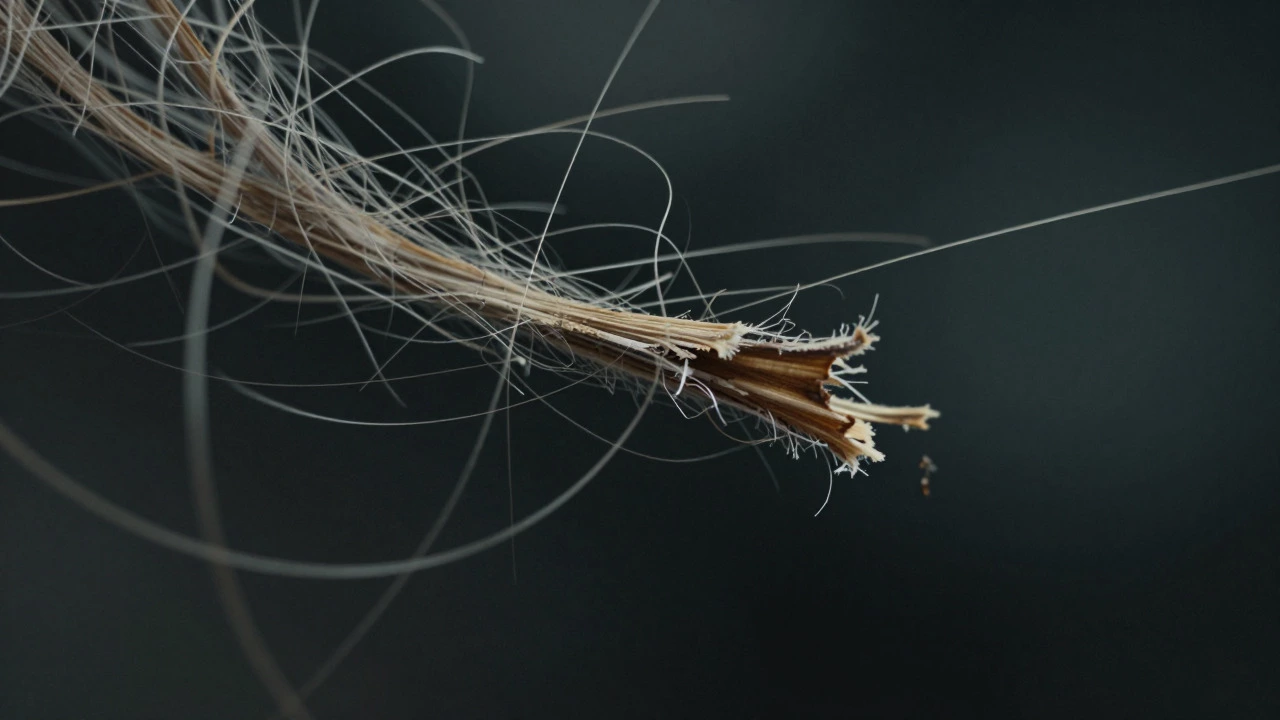
Hair Damage Diagnostic Tool
Identify Your Hair's Needs
Select all symptoms that apply to your current hair condition
Your hair feels like straw. It snaps when you brush it. You look in the mirror and wonder how your once-shiny locks turned into a tangled mess of dryness and breakage. If this sounds familiar, you aren’t alone. Between heat styling, chemical treatments, and environmental stressors, most people damage their hair at some point. The good news? You can bring damaged hair back to life. It takes patience, the right products, and a shift in how you handle your strands daily.
Repairing hair isn’t about magic potions. It’s about understanding what broke your hair and fixing those specific weaknesses. Whether you have bleached blonde ends or heat-damaged curls, the path to restoration involves strengthening the structure, sealing in moisture, and protecting against future harm. Let’s walk through exactly how to turn your hair around.
Understanding Why Your Hair Is Damaged
Before you start slathering on expensive serums, you need to know what caused the damage. Hair is made of keratin, a tough protein that forms the outer cuticle and inner cortex. When that structure breaks down, moisture escapes, and your hair becomes weak. Identifying the culprit helps you choose the right repair strategy.
- Heat Damage: Flat irons, curling wands, and blow dryers strip moisture from the hair shaft. Over time, this causes bubbles to form inside the hair strand (bubble hair), leading to snap points.
- Chemical Processing: Bleaching, perming, and relaxing open up the cuticle to change color or texture. This process dissolves natural proteins, leaving hair porous and fragile.
- Mechanical Stress: Rough brushing, tight ponytails, and sleeping on cotton pillowcases cause friction. This leads to split ends and breakage along the length.
- Environmental Factors: Sun exposure, chlorine, and hard water degrade the hair’s protective layer. In Sydney, our strong sun and coastal salt air can accelerate this drying effect.
If you’re unsure which type of damage you have, look at your ends. Split ends indicate mechanical or chemical wear. Brittle, snapping hair often points to protein loss or heat damage. Greasy roots with dry ends suggest a moisture imbalance.
The Difference Between Protein and Moisture
This is where most people go wrong. They throw everything at their hair-protein masks, deep conditioners, oils-and end up with stiff, straw-like strands. Here’s the secret: damaged hair needs balance. Too much protein makes hair brittle. Too much moisture makes it mushy and weak.
Protein Treatments are products containing hydrolyzed keratin, wheat, or soy that fill in gaps in the hair cuticle. Use these if your hair feels stretchy, limp, or breaks easily when wet. Think of protein as the bricks in a wall; they rebuild structure.
Moisturizing Conditioners are formulas with humectants like glycerin and emollients like shea butter that hydrate and soften the hair shaft. Use these if your hair feels dry, rough, or tangles constantly. Moisture is the mortar that holds the bricks together and keeps them flexible.
To test your hair’s needs, try the "strand test." Take a single wet hair and gently stretch it. If it stretches slightly and returns to normal, it’s healthy. If it stretches and doesn’t return, it needs protein. If it snaps immediately, it’s too dry and needs moisture.
Step-by-Step Routine to Restore Broken Hair
Fixing damaged hair requires a consistent routine. You can’t undo months of neglect in one weekend. Follow these steps to gradually rebuild strength and shine.
- Trim Regularly: Yes, it hurts to cut off length, but split ends travel up the shaft. Trim half an inch every 8-12 weeks to stop further fraying.
- Switch to Sulfate-Free Shampoo: Harsh sulfates strip natural oils. Look for gentle cleansers that maintain your scalp’s pH balance without over-drying the lengths.
- Deep Condition Weekly: Apply a rich mask after washing. Leave it on for 20 minutes. For extra penetration, cover your hair with a plastic cap and apply low heat from a hooded dryer or warm towel.
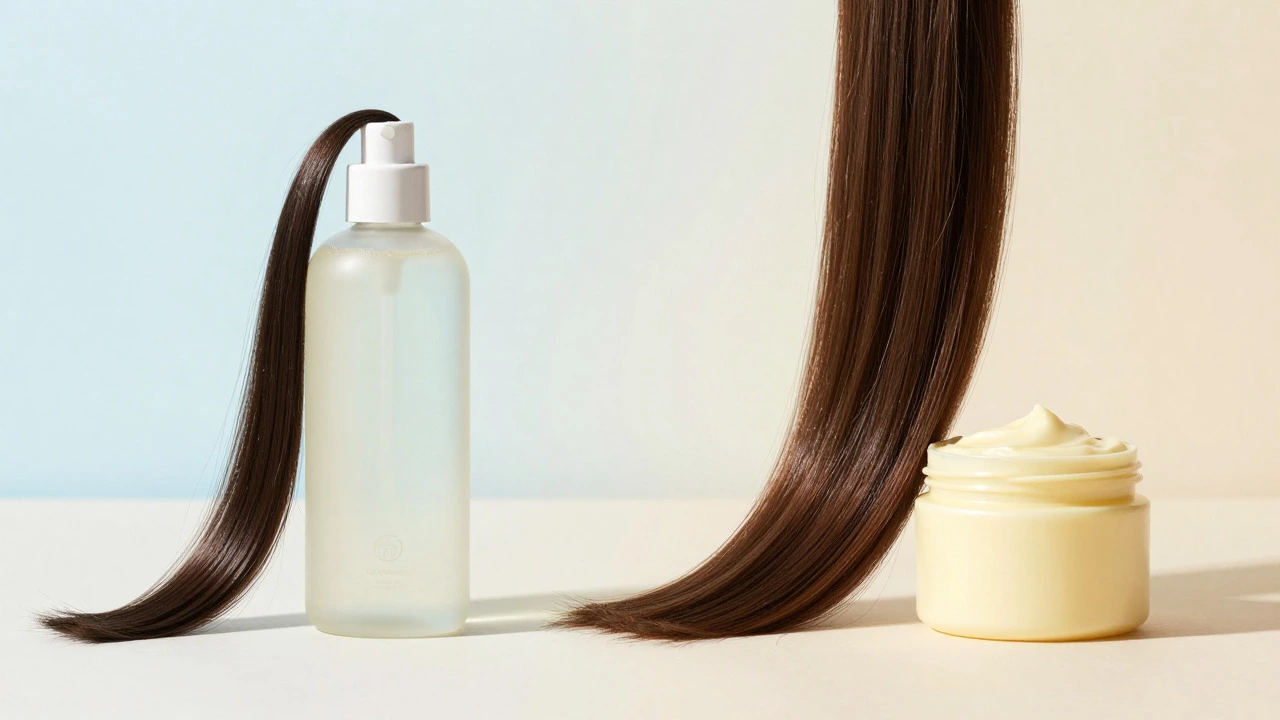
- Use Leave-In Products: After rinsing, apply a leave-in conditioner or cream to damp hair. This seals in hydration and provides detangling benefits before you style.
- Seal with Oil: Finish with a lightweight oil like argan or jojoba on the ends. This creates a barrier against humidity and reduces frizz.
Consistency matters more than product price. A $10 conditioner used correctly will outperform a $50 serum used sporadically.
Protective Styling and Daily Habits
You can repair your hair all week, but ruin it overnight with bad habits. How you treat your hair outside the shower determines its long-term health.
| Habit | Why It Helps | How to Do It Right |
|---|---|---|
| Silk Pillowcase | Reduces friction while sleeping | Replace cotton cases with silk or satin to prevent breakage and bedhead. |
| Cold Water Rinse | Seals the cuticle | Rinse hair with cool water at the end of your shower to lock in moisture and boost shine. |
| Air Drying | Eliminates heat stress | Let hair dry naturally whenever possible. If using a dryer, use the lowest heat setting. |
| Wide-Tooth Comb | Prevents snagging | Detangle wet hair only with a wide-tooth comb, starting from the ends and working up. |
Also, consider protective styles like loose braids or buns. These keep ends tucked away and reduce exposure to wind and sun. Just avoid tight elastics that pull on the roots. Use spiral coils or fabric scrunchies instead.
When to See a Professional
Sometimes home care isn’t enough. If your hair is severely chemically processed or breaking off in clumps, you might need professional intervention. Salons offer bond-building treatments like Olaplex or K18. These products work on a molecular level to reconnect broken disulfide bonds in the hair structure.
Bond builders are different from standard conditioners. While conditioners sit on top of the hair, bond builders penetrate the cortex to repair internal damage. They’re especially effective for bleached hair. Ask your stylist about incorporating these into your next service. Note that results vary based on the extent of damage, so manage expectations.
Ingredients to Avoid and Embrace
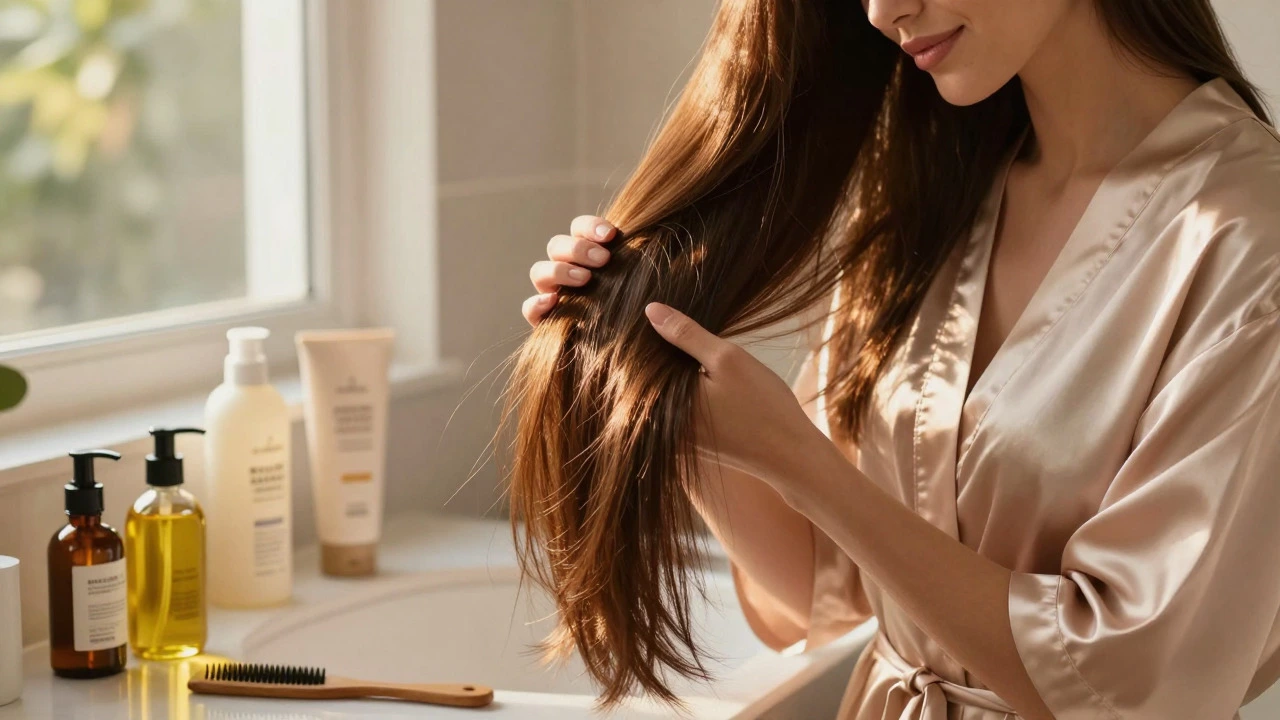
Reading labels is crucial. Some ingredients marketed as "natural" can actually worsen damage if misused.
Avoid:
- Alcohol (short-chain): Ingredients like ethanol or SD alcohol dry out hair quickly. Look for fatty alcohols like cetyl or stearyl alcohol, which are moisturizing.
- High Concentration Sulfates: Sodium lauryl sulfate (SLS) is too harsh for fragile hair. Opt for sodium laureth sulfate or cocamidopropyl betaine.
- Heavy Silicones: Dimethicone can build up on porous hair, blocking moisture. If you use silicone-heavy products, clarify monthly with a chelating shampoo.
Embrace:
- Hyaluronic Acid: Draws moisture into the hair shaft without weighing it down.
- Ceramides: Mimic the hair’s natural lipids to reinforce the cuticle.
- Amino Acids: Small protein fragments that easily penetrate damaged areas to strengthen from within.
Realistic Timelines for Recovery
Patience is key. Hair grows about half an inch per month. Visible improvement usually takes 4-6 weeks of consistent care. Significant transformation requires 3-6 months. Don’t get discouraged if you don’t see changes overnight. Focus on how your hair feels-less tangling, more elasticity, and softer texture are early signs of success.
Remember, dead hair can’t truly be "healed" like skin. You’re improving the appearance and feel of existing strands while nurturing new growth. Once the damaged parts grow out or are trimmed, your hair will look healthier overall.
Can damaged hair ever fully recover?
Existing damaged hair cannot be completely restored to its virgin state because hair is dead tissue. However, you can significantly improve its texture, strength, and appearance through proper care. True recovery comes from growing out new, healthy hair while maintaining the current strands.
How often should I use protein treatments?
For moderately damaged hair, use a protein treatment once every 2-4 weeks. Overuse leads to protein overload, making hair stiff and brittle. Listen to your hair-if it feels crunchy or snaps easily, reduce frequency and focus on moisture.
Is it better to cut split ends or use sealant products?
Cutting is the only permanent solution for split ends. Sealants and serums temporarily hold splits together but don’t repair the structural damage. Regular trims prevent splits from traveling up the shaft, which saves length in the long run.
Does diet affect hair repair?
Yes. Hair is made of protein, so adequate intake of lean meats, eggs, beans, and nuts supports growth. Vitamins like Biotin, Iron, and Omega-3 fatty acids also contribute to healthier follicles and stronger strands from the root up.
Can heat styling still be used on damaged hair?
Minimize heat styling during the repair phase. If necessary, always use a heat protectant spray and keep tools below 180°C (350°F). Limit heat usage to once or twice a week to allow hair to recover between sessions.
 Skincare