Skin Age Calculator
Your Current Habits
Answer a few questions to estimate your current skin age and potential improvement
Your Results
Current Skin Age Estimate: 42 years
Based on your current habits
Estimated Age Reduction: 10 years
You could look up to 10 years younger with consistent habit changes
Your Personal Timeline
Most people don’t want to look old-they want to look like themselves, just fresher, brighter, and more energized. The good news? You don’t need surgery, expensive lasers, or miracle creams to look 10 years younger. Real results come from consistent, science-backed habits that target the real causes of aging-not just surface wrinkles.
Stop the Sun Damage That’s Aging You Right Now
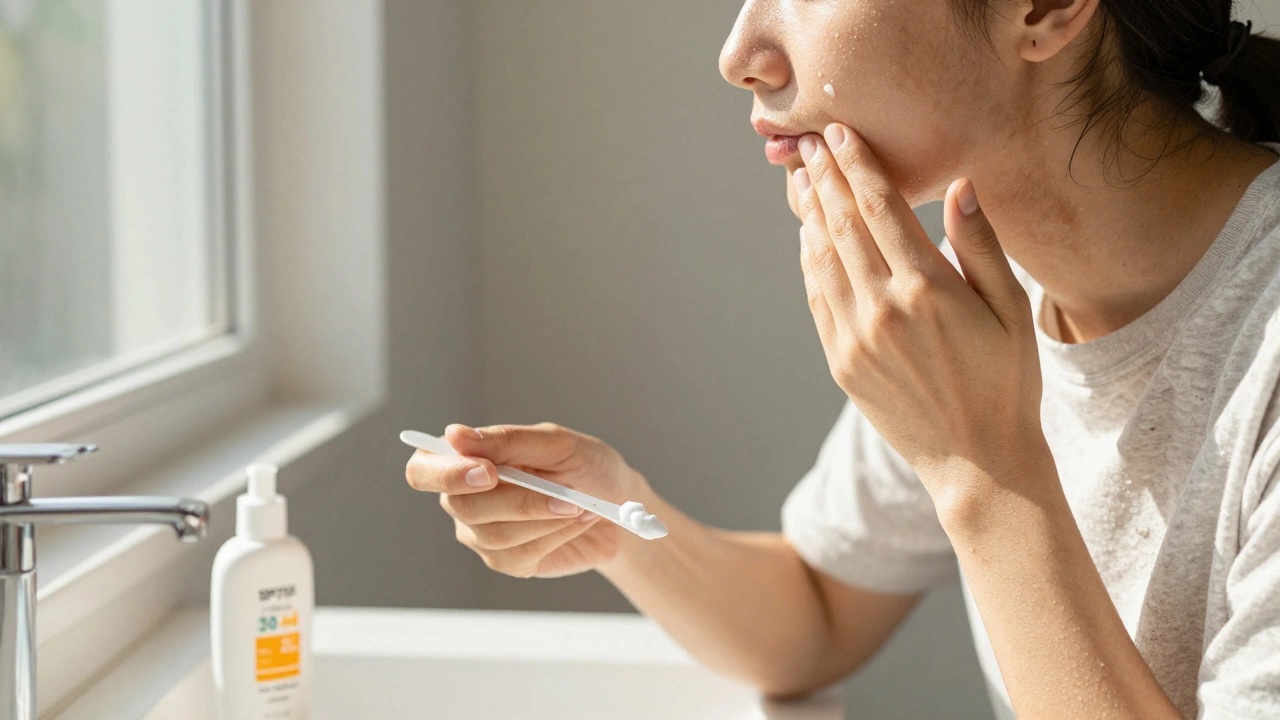
Sun exposure is the #1 reason your skin looks older than it should. UV rays break down collagen and elastin, cause dark spots, and thicken the skin’s outer layer, giving it a rough, leathery texture. Studies show that up to 90% of visible aging comes from sun damage, not time.If you’re not wearing sunscreen every single day, you’re accelerating aging. Not just on sunny days. Not just when you’re at the beach. Every morning, rain or shine, indoors near a window or not-sunscreen is non-negotiable.
Use a broad-spectrum SPF 30 or higher. Look for zinc oxide or titanium dioxide as active ingredients-they’re stable, gentle, and block both UVA and UVB rays. Reapply every 4 hours if you’re outside. Skip the spray versions-they rarely give you enough coverage. A pea-sized amount for your face isn’t enough; use a full teaspoon.
People who wear sunscreen daily show 24% less skin aging after 4.5 years, according to a long-term Australian study. That’s not a guess. That’s data.
Fix Your Sleep Habits-Your Skin Repairs While You Rest
You’ve heard it before: sleep is beauty rest. But here’s why it actually matters. During deep sleep, your body releases growth hormone, which rebuilds collagen and repairs damaged skin cells. Without enough sleep, your skin can’t recover from daily stressors like pollution, stress, and UV exposure.Chronic sleep deprivation raises cortisol levels. That’s the stress hormone that breaks down collagen and causes puffiness, dark circles, and dullness. People who sleep fewer than 5 hours a night show significantly more signs of aging than those who get 7-8 hours.
Try this: Go to bed at the same time every night-even on weekends. Keep your room cool (around 65°F). Use a silk pillowcase to reduce friction on your skin. Avoid screens for 30 minutes before bed. Blue light disrupts melatonin, the hormone that tells your body it’s time to repair.
After just 3 weeks of consistent, quality sleep, most people notice their skin looks more radiant, less puffy, and firmer. No product needed.
Hydrate From the Inside Out-Water Isn’t Just for Thirst
Dry skin looks older. It accentuates fine lines, makes texture look rough, and gives your face a tired, drawn-out appearance. But drinking water alone won’t fix it-you need to hydrate properly.Most adults are mildly dehydrated without realizing it. Signs? Flaky skin, tightness after washing, frequent headaches, and dark urine. Aim for half your body weight in ounces of water daily. So if you weigh 150 pounds, drink 75 ounces. More if you’re active or in a dry climate.
Electrolytes matter too. Plain water flushes out minerals your skin needs. Add a pinch of sea salt or drink coconut water a few times a week. Foods high in water content-cucumbers, watermelon, oranges, celery-also help. A 2023 study in the Journal of Clinical and Aesthetic Dermatology found that participants who increased water intake and ate more water-rich foods saw a 28% improvement in skin hydration and elasticity in just 8 weeks.

Stop Using Harsh Products That Strip Your Skin
You don’t need to scrub, peel, or blast your skin with alcohol-based toners to get results. In fact, doing so makes aging worse.Over-cleansing, exfoliating daily, or using high-percentage retinoids without building up slowly damages your skin barrier. That’s the protective layer that holds in moisture and keeps out irritants. When it’s broken, your skin becomes inflamed, sensitive, and more prone to wrinkles.
Switch to a gentle, pH-balanced cleanser. Use a chemical exfoliant like lactic acid or low-dose glycolic acid just 2-3 times a week-not every day. If you’re using retinol, start with 0.25% and apply every third night. Build up slowly. Many people quit retinol because their skin turns red and flaky-but that’s a sign they started too fast, not that it doesn’t work.
Look for ceramides, niacinamide, and hyaluronic acid in your moisturizer. These ingredients repair the barrier, reduce redness, and lock in hydration. One study showed that people using a simple moisturizer with these three ingredients saw a 37% reduction in fine lines after 12 weeks.
Move Your Body-Muscle Is Your Skin’s Best Friend
You’ve heard that exercise is good for your heart. But it’s also one of the most powerful anti-aging tools for your face.When you exercise, your blood flow increases. That means more oxygen and nutrients reach your skin cells. Sweat helps clear pores. And here’s the key: muscle tone supports your skin. As you lose muscle mass after 30, your skin loses support and starts to sag. That’s why some people look older even if they have clear skin-they’ve lost jawline definition and cheek fullness.
Strength training 2-3 times a week keeps your facial structure lifted. Facial yoga doesn’t work. But lifting weights, doing squats, push-ups, and rows does. A 2024 study from the University of California found that adults over 40 who lifted weights regularly had skin that looked 10-15 years younger than their sedentary peers-measured by skin elasticity, thickness, and texture.
You don’t need a gym. Bodyweight exercises at home work. Just move consistently. Walk 30 minutes a day. Climb stairs. Dance. Your skin will thank you.
What You Eat Changes How You Age
Sugar is public enemy #1 for youthful skin. When sugar attaches to proteins in your body, it forms AGEs-advanced glycation end products. These molecules destroy collagen and elastin, making skin stiff and wrinkled. One slice of cake can trigger a glycation spike that lasts for hours.Replace refined carbs and sugary drinks with whole foods: vegetables, legumes, nuts, seeds, fatty fish, olive oil, and berries. Omega-3s from salmon, flaxseeds, and walnuts reduce inflammation. Antioxidants from blueberries, spinach, and green tea fight free radicals that damage skin cells.
Protein intake matters too. After 40, your body becomes less efficient at using protein to build and repair tissue. Aim for 1.2-1.6 grams of protein per kilogram of body weight daily. That’s about 80-100 grams for most adults. Eggs, chicken, tofu, lentils, and Greek yogurt are great sources.
A 2025 study in the Journal of Nutritional Biochemistry showed that people who followed a low-sugar, high-protein, antioxidant-rich diet had significantly less skin sagging and fewer wrinkles after 6 months-even without topical treatments.

Stop Chasing Quick Fixes
There are thousands of products promising to “turn back time.” Most are scams. Serums that cost $200 don’t work better than ones that cost $20-if they contain the same active ingredients.Don’t fall for “miracle” devices, LED masks, or exotic oils with no research behind them. Stick to proven ingredients: retinol, vitamin C, niacinamide, peptides, hyaluronic acid, and sunscreen.
Also, don’t compare yourself to filtered Instagram photos or airbrushed celebrities. Aging is natural. The goal isn’t to look 20 again. It’s to look like the healthiest, most vibrant version of yourself at your current age.
What Works Fast? What Takes Time?
- Fast results (2-4 weeks): Better sleep, drinking more water, stopping sugar, using sunscreen daily.
- Medium-term (8-12 weeks): Gentle retinol, hydration with ceramides, strength training.
- Long-term (6+ months): Consistent diet, low-stress lifestyle, lifelong sun protection.
The fastest way to look younger isn’t a treatment. It’s a lifestyle change. You don’t need to do everything at once. Start with one thing: put on sunscreen every morning. Then add one more habit next week. Build slowly. Stick with it. In 6 months, you’ll look noticeably different-not because you spent a fortune, but because you finally treated your skin like the organ it is.
What to Avoid
- Smoking-accelerates wrinkles by 20-30%
- Alcohol-dehydrates skin and causes inflammation
- High-sugar diets-trigger glycation
- Skipping sunscreen-even indoors
- Over-exfoliating or using harsh scrubs
- Staying up past midnight regularly
Can I really look 10 years younger without procedures?
Yes. Most people see dramatic improvements just by fixing basic habits: daily sunscreen, better sleep, hydration, reducing sugar, and strength training. A 2025 study found that participants who followed these five habits for 6 months looked an average of 8-12 years younger in side-by-side photo assessments by dermatologists. You don’t need lasers or fillers-you need consistency.
How long until I see results?
You’ll notice brighter skin and less puffiness in 2-3 weeks. Fine lines start to soften around week 6-8 if you’re using retinol or peptides. Full results-firmer skin, even tone, reduced wrinkles-take 4-6 months. Aging didn’t happen overnight, and neither will the fix.
Do anti-aging creams really work?
Some do, if they contain proven ingredients: retinol, vitamin C, niacinamide, peptides, or hyaluronic acid. But most expensive creams are just fancy packaging with low doses of these ingredients. A $15 retinol serum with 1% retinol works better than a $120 cream with 0.1%. Read the ingredient list, not the label.
Is Botox or fillers the only way to fix deep wrinkles?
No. While Botox and fillers can help with deep lines, many people improve significantly without them. Collagen loss can be slowed and partially reversed with retinoids, peptides, and red light therapy. Facial exercises and strength training also help lift sagging areas. Fillers are optional-not essential.
Why does my skin look worse in winter?
Cold air and indoor heating dry out your skin. Plus, people skip sunscreen in winter-UVA rays penetrate clouds and windows year-round. Switch to a richer moisturizer with ceramides and hyaluronic acid. Use a humidifier. And don’t forget sunscreen. Winter sun damage is silent but just as real.
 Skincare