Personalized Anti-Aging Plan Generator
Based on the science-backed strategies in this guide, build your custom roadmap to reverse visible aging signs.
Your Custom Strategy
You walk past a mirror and notice that one line you’ve never seen before. It’s not just about vanity; it’s about the biological reality that our cells slow down, our collagen thins, and gravity does its work. But here is the good news: while we cannot stop time, modern dermatology and lifestyle science have given us powerful tools to hit the rewind button on visible aging. You can reverse some signs of aging and look significantly younger by combining topical actives, professional procedures, and internal health strategies.
The secret isn’t a single miracle cream. It’s a layered approach. Think of your skin like a building. If the foundation (your gut health and sleep) is cracked, painting the walls (makeup or light moisturizers) won’t fix the structural damage. To truly reverse aging, you need to repair the structure from the inside out and then polish the exterior.
Understanding What Actually Causes Visible Aging
Before you spend money on treatments, you need to know what you are fighting. Most people blame wrinkles solely on smiling too much or squinting at the sun. While those factors play a role, they only account for about 10% of facial aging. This is called intrinsic aging-the natural clock ticking away in your DNA.
The other 90%? That is extrinsic aging, driven largely by UV radiation, which causes photoaging, characterized by deep wrinkles, pigmentation spots, and loss of elasticity. This process breaks down collagen and elastin, the proteins that keep skin plump and bouncy. When these fibers snap, skin sags. Additionally, chronic inflammation from poor diet and stress accelerates this breakdown through a process known as 'inflammaging.'
To reverse this, you must address both the genetic timeline and the environmental damage. You can't change your genes, but you can drastically alter how they express themselves through epigenetics-essentially turning off the 'aging' switches and turning on the 'repair' switches.
The Topical Powerhouses: Ingredients That Work
Your skincare routine is the first line of defense and offense. Forget gentle, fragrance-laden lotions if you want real reversal. You need ingredients that penetrate the barrier and signal your cells to behave like they did ten years ago.
- Retinoids: These are the gold standard. Derived from Vitamin A, retinoids force skin cells to turnover faster and stimulate new collagen production. Look for prescription-strength tretinoin or high-quality over-the-counter retinol. Start slowly to avoid irritation, but consistency is key. Studies show consistent use can reduce fine lines by up to 30% in six months.
- Vitamin C: This antioxidant neutralizes free radicals from UV exposure and pollution. More importantly, it is essential for collagen synthesis. Without Vitamin C, your body literally cannot build strong collagen fibers. Use a stable L-ascorbic acid serum in the morning under sunscreen.
- Hyaluronic Acid: This molecule holds up to 1,000 times its weight in water. It doesn't rebuild structure, but it plumps the surface, making fine lines less visible instantly. It’s the difference between a deflated balloon and an inflated one.
- Niacinamide: This form of Vitamin B3 improves skin elasticity, minimizes pore appearance, and strengthens the skin barrier. It pairs well with retinoids to reduce irritation.
Apply these in layers. Cleanser, toner, treatment serums (Vitamin C in AM, Retinoid in PM), moisturizer, and always, always sunscreen. Skipping sunscreen renders all other steps useless because you are undoing the repair work every day.
In-Clinic Treatments for Faster Results
If topicals are the daily maintenance, professional treatments are the major renovations. For noticeable reversal of sagging and deep wrinkles, you often need energy-based devices that reach deeper than creams ever could.
| Treatment Type | Best For | Downtime | Longevity |
|---|---|---|---|
| Laser Resurfacing (CO2 or Erbium) | Deep wrinkles, sun damage, texture | 7-14 days | 5-10 years |
| Microneedling with PRP | Skin tightening, acne scars, overall glow | 2-3 days | 1-2 years (with maintenance) |
| Botox/Dysport | Dynamic wrinkles (forehead, crow's feet) | None | 3-4 months |
| Hyaluronic Acid Fillers | Volume loss, nasolabial folds, lip augmentation | Minimal (bruising possible) | 6-18 months |
| Radiofrequency Microneedling | Skin laxity, jawline definition | 1-2 days | 1-2 years |
Laser resurfacing remains the most dramatic option. By creating controlled micro-injuries, it forces the body into emergency repair mode, laying down fresh, organized collagen. However, it requires significant downtime. For those who want subtlety, microneedling combined with Platelet-Rich Plasma (PRP)-often called the 'Vampire Facial'-uses your own growth factors to heal and tighten skin with less risk of pigmentation issues, making it safer for darker skin tones.
Injectables like Botox prevent new wrinkles from forming by relaxing muscles, while fillers replace lost volume. The trend in 2026 is toward 'natural' results-small amounts used strategically to refresh the face without looking 'done.' Overfilling leads to the unnatural, stretched look many fear. Choose a provider who prioritizes anatomy over volume.
Internal Reversal: Diet, Gut Health, and Supplements
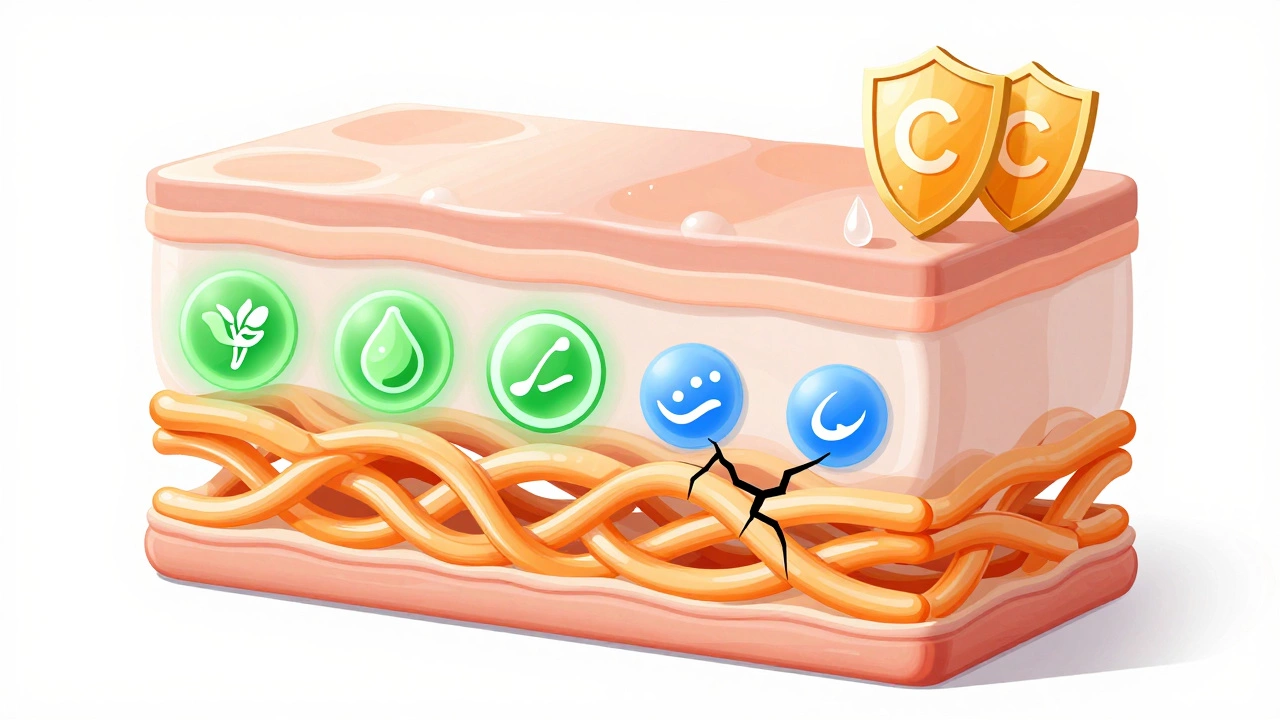
Your skin is a reflection of your internal environment. You can buy the most expensive serum, but if your body is inflamed, your skin will show it. Chronic inflammation ages you faster than any external factor except UV rays.
Start by reducing sugar and refined carbohydrates. Sugar binds to proteins in your body in a process called glycation, forming Advanced Glycation End-products (AGEs). AGEs make collagen stiff and brittle, leading to sagging and yellowing of the skin. Cutting back on sweets isn't just for weight loss; it’s for skin elasticity.
Increase your intake of omega-3 fatty acids found in salmon, walnuts, and flaxseeds. These fats reduce inflammation and help maintain the skin’s lipid barrier, keeping moisture locked in. Antioxidant-rich foods like berries, leafy greens, and dark chocolate provide the raw materials your skin needs to fight oxidative stress.
Supplements can bridge the gap if your diet isn’t perfect. Collagen peptides have shown promise in clinical trials for improving skin hydration and elasticity when taken daily for 8-12 weeks. Vitamin D deficiency is linked to premature aging, so ensure your levels are optimal, especially if you live in a city with limited sun exposure. Astaxanthin, a carotenoid found in algae, acts as an internal sunscreen, protecting skin cells from UV damage from within.
Lifestyle Factors: Sleep, Stress, and Habits
Let’s talk about the things that cost nothing but yield high returns. Sleep is when your body produces human growth hormone (HGH), which repairs tissues and builds muscle. During deep sleep, blood flow to the skin increases, delivering oxygen and nutrients. Chronic sleep deprivation raises cortisol levels, a stress hormone that breaks down collagen. Aim for 7-9 hours of quality sleep, preferably on your back to avoid 'sleep lines' from pressing your face into a pillow.
Stress management is equally critical. High cortisol not only degrades collagen but also impairs the skin barrier, leading to dryness and sensitivity. Practices like meditation, yoga, or even regular walking can lower baseline stress levels. Your nervous system directly impacts your skin’s ability to heal and regenerate.
Avoid smoking and limit alcohol. Smoking constricts blood vessels, depriving skin of oxygen and nutrients, while also damaging collagen directly. Alcohol dehydrates the body and causes inflammation, leading to puffiness and redness. These habits accelerate aging visibly within weeks.
Emerging Technologies in 2026
The field of anti-aging is moving fast. In 2026, we are seeing the rise of peptide-based therapies that mimic the body’s natural signaling molecules. Unlike retinoids, which can be irritating, certain peptides gently instruct fibroblasts to produce more collagen without causing inflammation. Topical copper peptides, for example, are gaining popularity for their wound-healing and firming properties.
Another emerging area is microbiome skincare. Just as gut health affects overall wellness, the skin’s microbiome-the community of bacteria living on your surface-plays a crucial role in barrier function and immunity. Products prebiotics and postbiotics are designed to feed beneficial bacteria, reducing inflammation and preventing breakouts that can lead to scarring and aging.
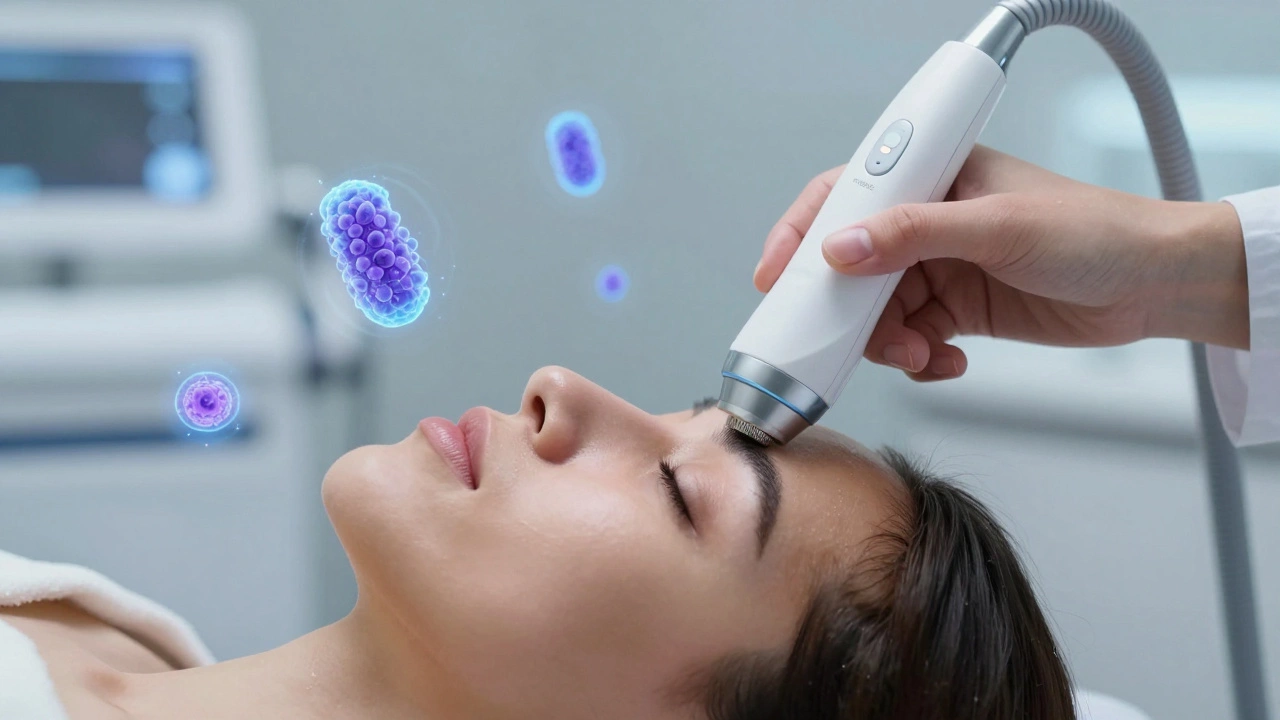
Non-invasive radiofrequency devices for home use have also become more effective. While they don’t match clinical lasers, consistent use of FDA-cleared devices can provide mild tightening and improved tone, serving as a great maintenance tool between professional visits.
Building Your Personalized Anti-Aging Plan
Reversing aging isn’t one-size-fits-all. A 30-year-old focused on prevention needs a different strategy than a 50-year-old addressing volume loss. Here is a simple framework to build your plan:
- Assess your concerns: Is it wrinkles, sagging, pigmentation, or dullness? Identify the primary issue.
- Establish a baseline routine: Cleanse, treat (retinoid/Vitamin C), moisturize, protect (SPF 30+). Do this consistently for three months before adding anything else.
- Add targeted treatments: Introduce serums for specific issues like niacinamide for pores or hyaluronic acid for dryness.
- Consider professional interventions: If topicals aren’t enough after 6 months, consult a board-certified dermatologist or plastic surgeon for lasers or injectables.
- Optimize internal health: Review your diet, sleep, and stress levels. Make one small change each week.
Patience is non-negotiable. Skin cell turnover takes about 28 days in young adults and longer as we age. You won’t see results overnight. Consistency over months and years is what creates lasting change.
Can I really reverse aging, or only slow it down?
You can reverse some signs of aging, particularly those caused by sun damage and dehydration. Topical retinoids and laser treatments can significantly improve texture, reduce fine lines, and restore some collagen density. However, you cannot reverse genetic aging or completely eliminate deep structural changes like bone loss. The goal is improvement and restoration, not returning to your exact teenage self.
What is the most effective anti-aging ingredient?
Retinoids (like tretinoin or retinol) are widely considered the most effective topical ingredient for reversing signs of aging. They have the strongest scientific backing for stimulating collagen production and accelerating cell turnover. Sunscreen is the most important preventive ingredient, blocking further damage.
Do anti-aging creams actually work?
Only if they contain active ingredients that penetrate the skin barrier. Moisturizers alone hydrate and temporarily plump skin but do not reverse aging. Creams with retinoids, vitamin C, peptides, and alpha hydroxy acids (AHAs) can produce measurable improvements in texture and firmness over time. Be wary of marketing claims without scientific evidence.
Is Botox safe for long-term use?
Yes, Botox has been used safely for decades. It works by temporarily relaxing muscles that cause dynamic wrinkles. Long-term use may actually prevent wrinkles from becoming etched into the skin. However, it should be administered by a qualified medical professional to avoid side effects like drooping eyelids or asymmetry.
How does diet affect skin aging?
Diet plays a major role. High sugar intake leads to glycation, which damages collagen and elastin. Diets rich in antioxidants, omega-3 fatty acids, and vitamins support skin repair and reduce inflammation. Staying hydrated also helps maintain skin turgor and clarity. What you eat directly impacts how old your skin looks.
When should I start using anti-aging products?
Prevention is cheaper and easier than correction. Start using sunscreen daily in your early 20s. Introduce vitamin C and basic moisturizers in your mid-20s. Consider retinoids in your late 20s or early 30s as collagen production begins to decline. Starting early helps maintain youthful skin rather than trying to fix extensive damage later.
 Skincare