Beauty Box Matchmaker
Miss your monthly Birchbox? Answer these quick questions to find the perfect replacement for your beauty routine.
Service Name
Monthly Cost
Why it fits you:
Description goes here.
Key Features:
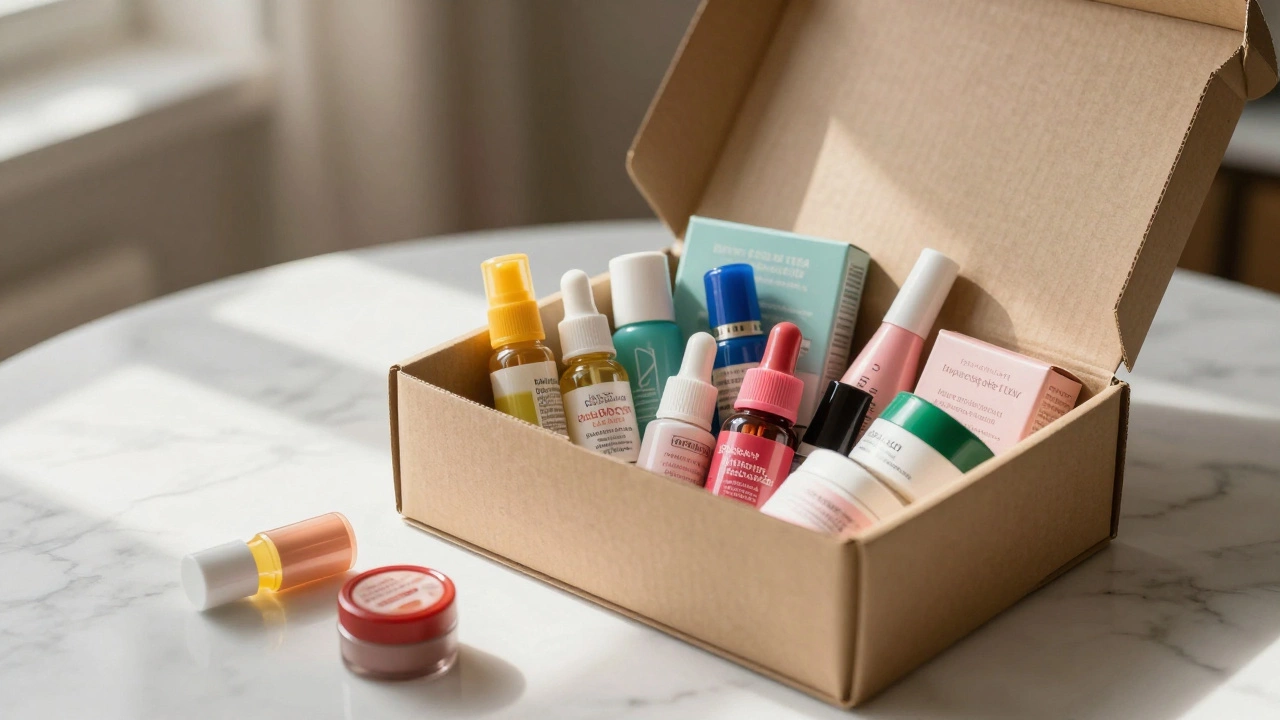
For years, Birchbox was the definitive monthly beauty discovery service that delivered curated samples of makeup, skincare, and hair care products directly to subscribers' doors. It helped launch countless indie brands into the mainstream and taught a generation of shoppers to try before they buy. But if you haven't heard from them lately, or if your last order vanished into thin air, you're not imagining things. The landscape has shifted dramatically.
The short answer is: Birchbox as we knew it-the monthly, direct-to-consumer subscription box-is effectively defunct for new customers in many markets. However, the brand itself hasn't completely disappeared from the face of the earth. To understand what happened, why it matters, and where your beauty routine goes from here, we need to look at the timeline of events and the current state of the industry.
What Happened to Birchbox?
Birchbox launched in 2010, riding the early wave of the subscription economy. At its peak, it was valued at over $500 million and had hundreds of thousands of active subscribers. The model was simple: pay a small fee (usually around $13-$15 per month), receive three to five full-size or deluxe sample products, and get access to discounted full-size versions on their website.
However, by late 2023 and into 2024, several major shifts occurred. First, Birchbox significantly scaled back its direct-to-consumer operations in the United States. Many long-time users reported that their subscriptions were canceled without clear warning, or that the option to renew simply vanished from the app and website. This wasn't a glitch; it was a strategic retreat.
The company pivoted toward B2B (business-to-business) partnerships and wholesale distribution. Instead of sending boxes directly to homes, they began focusing on supplying samples to retailers like Sephora and Ulta, or partnering with other platforms to deliver content rather than physical goods. For the average consumer who just wanted their monthly box, this meant the service was no longer available.
If you are looking for similar services while traveling abroad, some regions still have robust local directories for various lifestyle services, such as this directory, which shows how niche markets operate differently in places like Almaty, though obviously unrelated to beauty boxes.
Why Did Birchbox Step Back?
Several factors contributed to the decline of the traditional Birchbox model:
- Rising Shipping Costs: The cost of delivering small packages globally skyrocketed after 2020. Margins on a $13 box became razor-thin when shipping alone could cost $5-$8.
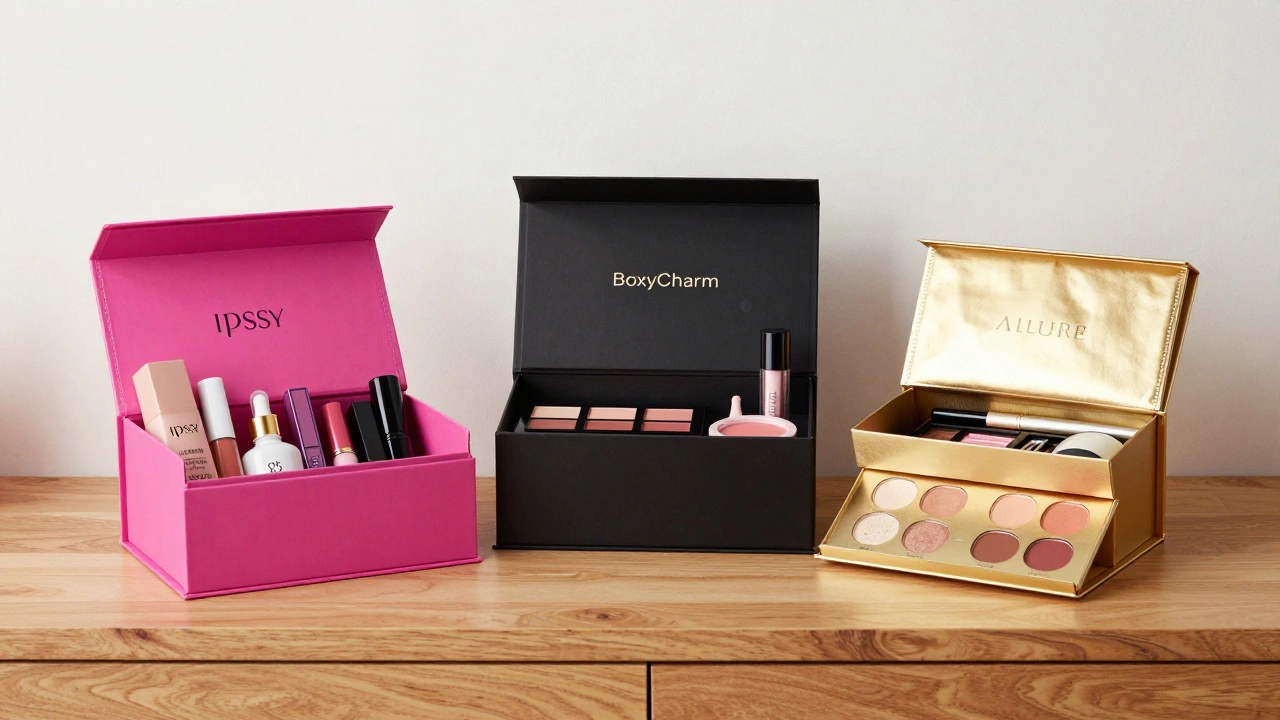
- Market Saturation: Competitors like Ipsy, BoxyCharm, and even Amazon’s own subscription options fragmented the market. Consumers had too many choices.
- Brand Shifts: Major beauty brands stopped relying on sample boxes for customer acquisition. They moved their marketing budgets to social media influencers and TikTok ads, which offered more direct ROI.
- Consumer Fatigue: People got tired of receiving products they didn’t want. The "surprise" element turned into clutter for many subscribers.
Is Birchbox Completely Dead?
Not entirely, but it depends on where you live. In Canada, Birchbox continued operating for a bit longer under different management structures, but even there, activity has slowed significantly. In the US, the main website often redirects to partner pages or displays messages about limited availability.
If you try to sign up today, you might find:
- A waitlist page with no clear end date.
- A redirect to a third-party retailer.
- An error message indicating the service is unavailable in your region.
This ambiguity is frustrating for loyal fans. Unlike a clean shutdown, this slow fade leaves people wondering if they should keep checking back. The reality is that the era of the low-cost, mass-market beauty sample box is largely over.
Best Alternatives to Birchbox in 2026
If you miss the thrill of discovering new products each month, don’t worry. The market has evolved, and several strong alternatives now fill the void. Here’s how they compare:
| Service | Monthly Cost | Product Type | Customization Level | Best For |
|---|---|---|---|---|
| Ipsy Glam Bag | $13-$15 | Samples & Mini Sizes | High (Quiz-based) | Beginners & Budget Shoppers |
| BoxyCharm | $25-$35 | Full-Size Products | Medium | Makeup Lovers & Value Seekers |
| Allure Beauty Box | $25 | Full-Size Skincare & Makeup | Low | Premium Product Enthusiasts |
| Furla Beauty | $30 | Luxury Samples | Medium | Luxury Brand Fans |
How to Choose the Right Box for You
Before subscribing to any alternative, ask yourself these questions:
- Do you prefer samples or full sizes? If you hate wasting money on tiny pots that run out in two days, skip Ipsy and go for BoxyCharm or Allure.
- Are you willing to customize? Services like Ipsy use detailed quizzes to match products to your skin tone and preferences. If you don’t mind generic selections, cheaper boxes work fine.
- What’s your budget? Factor in shipping taxes. A $13 box can easily become $18 after fees.
- Do you want flexibility? Some services let you pause or skip months easily. Others require cancellation emails. Check the terms.
The Future of Beauty Discovery
The death of Birchbox marks the end of an era, but not the end of discovery. Brands are now using digital sampling-sending virtual try-ons via AR apps-or offering "try-at-home" kits with free returns. Sephora’s Beauty Insider program allows members to earn points for samples, reducing the need for a separate subscription.
Additionally, direct-to-consumer brands like Glossier and Rare Beauty offer their own loyalty programs that include free samples with purchases. This means you no longer need a middleman to discover new products. You can often get better curation by following trusted reviewers on YouTube or TikTok.
Common Mistakes When Switching Services
When moving from Birchbox to a new service, avoid these pitfalls:
- Ignoring the cancellation policy: Some boxes charge restocking fees if you cancel within 30 days.
- Not updating your profile: If your skin type changes (e.g., from oily to dry due to age or climate), update your quiz answers immediately. Otherwise, you’ll receive unsuitable products.
- Assuming all samples are usable: Some brands send "tester" sizes that are poorly packaged or expire quickly. Check reviews before committing.
Is Birchbox completely shut down?
Birchbox has largely ceased its direct-to-consumer subscription model in the US. While the brand name exists, new sign-ups are extremely limited or non-existent for most users. It has pivoted to B2B partnerships and wholesale distribution instead.
Can I still redeem my Birchbox credits?
If you had unused credits or rewards, contact their customer support immediately. However, many users report that redemption portals are offline. There is no guarantee that old credits will be honored post-shutdown.
What is the best replacement for Birchbox?
For most former Birchbox users, Ipsy Glam Bag is the closest alternative in terms of price and product variety. If you prefer full-size items, BoxyCharm offers better value despite the higher monthly cost.
Did Birchbox go bankrupt?
Birchbox did not file for Chapter 7 bankruptcy liquidation. Instead, it underwent a strategic restructuring and sale of assets. The parent company continues to operate in other sectors, but the consumer-facing beauty box arm was wound down.
Will Birchbox ever return?
There are no official announcements regarding a relaunch of the monthly subscription box. Given the current market trends favoring digital discovery and retail partnerships, a return to the old model is unlikely in the near future.
 Skincare