Organic Certification Checker
Check Organic Certification Standards
Enter the percentage of organic ingredients and select preservatives used to see which certification standards you meet.
About Certification Standards
USDA Organic requires 95% organic ingredients for the "Organic" label. ECOCERT and COSMOS have different requirements for natural origin ingredients and synthetic chemical restrictions.
Remember: "Natural" is not regulated. Only certified products have third-party verification.
Walking down the aisle at your local pharmacy or scrolling through an online beauty store, you see the word "organic" everywhere. It promises purity, safety, and nature. But when you look closely at a brand like Eminence Organics, which is a professional skincare line known for fruit enzyme masks and natural formulations, the label feels a bit confusing. Is it actually organic, or is it just marketing speak? This question comes up constantly in beauty forums and among estheticians in Sydney and beyond. The short answer is nuanced: they use organic ingredients, but they lack the official third-party certification that defines true organic skincare.
Understanding the difference between a brand that is "natural" and one that is "certified organic" is crucial for making informed choices. Many consumers assume that if a company puts "Organics" in its name, every bottle on the shelf meets strict agricultural standards. That is often not the case. To figure out where this brand stands, we need to look at the regulatory frameworks, the ingredient lists, and the specific claims made by the company itself.
The Reality of Organic Certifications
Before judging the brand, you need to know what you are looking for. In the world of organic skincare, there are specific bodies that grant certification. The most recognized standards include USDA Organic, which is a United States Department of Agriculture program that certifies agricultural products, ECOCERT, which is a European private organization that certifies natural and organic cosmetics, and the COSMOS Standard, which is a global standard for organic and natural cosmetics.
To earn the USDA seal, a product must contain at least 95% certified organic ingredients. If it says "made with organic ingredients," it only needs 70%. Anything less cannot make organic claims on the front label. ECOCERT and COSMOS have similarly strict rules regarding the percentage of natural origin ingredients and the prohibition of synthetic chemicals like parabens, phthalates, and certain preservatives. Without these seals, a brand is self-regulating. They can claim to be organic, but there is no independent auditor verifying their supply chain.
Eminence's Position on Certification
So, does Eminence have these seals? The answer is no. While the brand name includes the word "Organics," they do not hold USDA Organic certification or ECOCERT certification for their product line. Instead, they market themselves as a "natural" brand. They emphasize that their products are handmade in Hungary and use a high percentage of natural ingredients. This distinction is vital. "Natural" is a term that is largely unregulated in the beauty industry. A product can be labeled natural even if it contains synthetic preservatives or fragrances.
Eminence states on their website that they use organic ingredients where possible. They focus heavily on fruit enzymes and botanical extracts. However, because they are not certified, they are not required to disclose the exact percentage of organic content in every formula. This creates a gray area. You might buy a mask thinking it is 100% organic, only to find out later that the preservative system or the water source does not meet organic agricultural standards. For consumers who prioritize verified purity, this lack of transparency is a significant drawback.
Ingredient Breakdown: What's Actually in the Bottle?
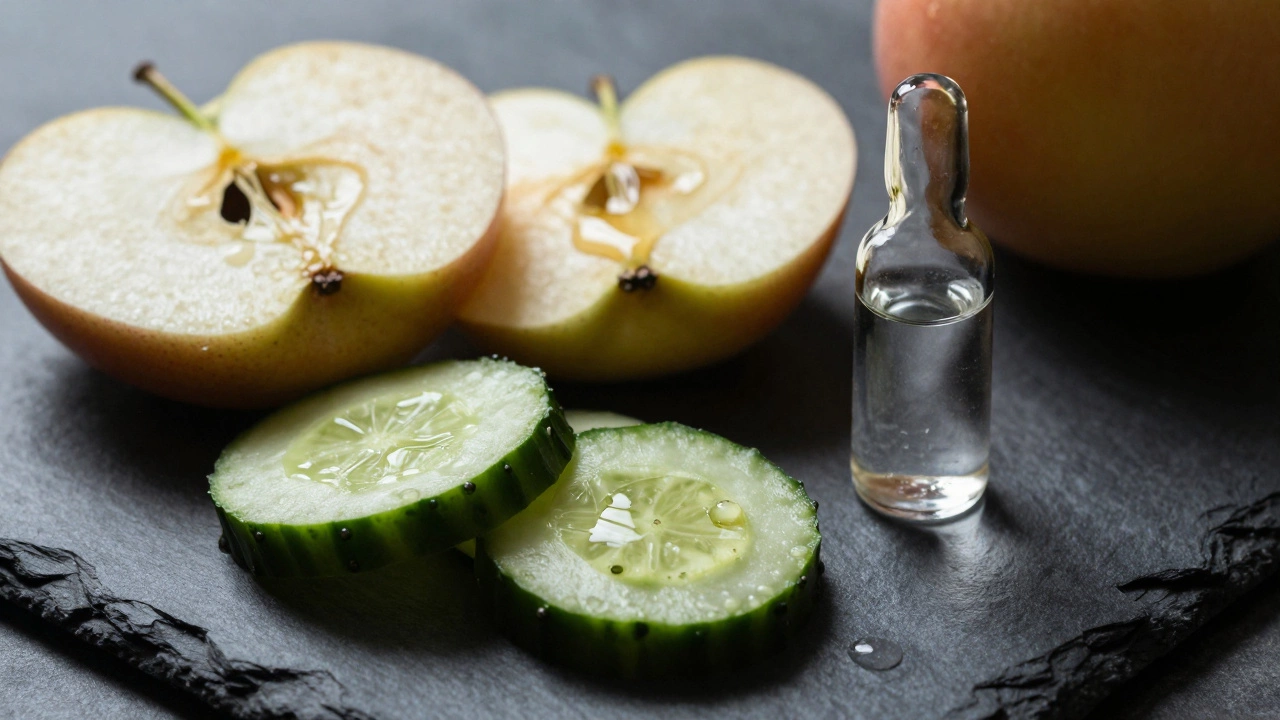
To understand the quality, we have to look at the ingredients list. Eminence products often feature recognizable botanicals like apple, cucumber, and honey. These are indeed organic-friendly ingredients. However, a closer look reveals the presence of synthetic compounds necessary for preservation and stability. For example, many of their products contain phenoxyethanol. While this preservative is considered safe by regulatory bodies, it is synthetic and not allowed in certified organic formulations under strict standards like COSMOS.
Another common ingredient is synthetic fragrance or essential oils that are not certified organic. Essential oils are natural, but unless the plant was grown without pesticides and processed according to organic rules, they don't count toward an organic certification. Eminence uses a mix of certified and non-certified botanicals. This hybrid approach allows them to create stable products that last longer on the shelf than a truly raw organic product might. However, it also means you are paying a premium for a blend that isn't fully organic.
Consider the popular Organic Apple Enzyme Mask. It contains organic apple extract, which is great. But it also contains ingredients like glycerin and various emulsifiers that may be derived from synthetic sources or non-organic plants. The presence of these ingredients doesn't make the product "bad," but it disqualifies it from being labeled "organic" in the strict regulatory sense. It is a natural product with organic components, not a certified organic product.
Comparison with Certified Brands
If you are looking for verified organic skincare, it helps to see how Eminence stacks up against brands that hold the certifications. There are several competitors in the market that prioritize full certification over the "natural" label. To make this clear, let's look at a comparison of key attributes.
| Feature | Eminence Organics | Certified Organic Brands (e.g., Juice Beauty) |
|---|---|---|
| Certification | None (Self-claimed Natural) | USDA Organic, ECOCERT, COSMOS |
| Organic Content | Varies (Not disclosed) | 70% - 100% (Verified) |
| Preservatives | Phenoxyethanol, Benzoates | Natural Preservatives (e.g., Radish Root) |
| Price Point | Premium ($) | Premium to Luxury ($$) |
| Availability | Spas, Clinics, Online | Retailers, Online, Specialty Stores |
As you can see, the main difference lies in the verification. Certified brands must undergo annual audits to maintain their status. Eminence relies on their own internal quality control. This doesn't necessarily mean their products are unsafe, but it means you cannot verify the organic claim independently. If your goal is to support sustainable agriculture and avoid synthetic pesticides in your beauty routine, a certified brand offers that guarantee.
Price Versus Value
Eminence products are priced at a premium, often comparable to luxury brands. You might pay upwards of $100 AUD for a jar of mask or a bottle of serum. When you factor in the lack of certification, the value proposition changes. You are paying for the brand reputation, the texture, and the immediate results rather than the organic purity. The fruit enzymes in their masks do provide exfoliation, and the botanicals can be soothing. Many users report glowing skin after use. However, if you are paying specifically for "organic" as a standard of purity, you might be overpaying compared to a certified alternative that offers similar efficacy.
In the Australian market, where humidity and sun exposure are factors, skincare stability is key. Eminence products are formulated to be stable in various climates. This often requires the synthetic preservatives mentioned earlier. A fully organic product might have a shorter shelf life or require refrigeration. If you value convenience and longevity, the Eminence formula makes sense. If you value ingredient purity above all else, you might need to look elsewhere.

Who Should Use Eminence?
Despite the lack of certification, Eminence is not a bad brand. It is well-suited for people who want natural-leaning skincare without the hassle of managing fresh, unpreserved products. It works well for those with sensitive skin who tolerate the specific preservative system used. The focus on fruit enzymes is excellent for dull skin or those needing gentle exfoliation. However, if you are strictly vegan, you should check individual products, as some contain honey or beeswax. If you are strictly against synthetic preservatives, Eminence is not the right choice.
It is also worth noting that many professional estheticians use Eminence. This professional backing suggests the products are effective for clinical results. The lack of organic certification is often a trade-off for performance and stability in a professional setting. If you are buying these products through a spa treatment, the application technique often matters more than the organic status of the ingredients.
Frequently Asked Questions
Is Eminence Organics USDA certified?
No, Eminence Organics is not USDA certified. They do not display the USDA Organic seal on their packaging, nor do they claim to meet the 95% organic ingredient threshold required for that certification.
Why is Eminence not certified organic?
The brand likely chooses not to certify to maintain flexibility in their formulations. Certification restricts the types of preservatives and stabilizers they can use, which can affect product shelf life and texture. They prioritize "natural" claims over strict organic certification.
Do Eminence products contain synthetic preservatives?
Yes, many Eminence products contain synthetic preservatives like phenoxyethanol. These are used to prevent bacterial growth and extend the shelf life of the products, which is necessary for a brand sold globally.
Is Eminence cruelty-free?
Yes, Eminence Organics claims to be cruelty-free. They do not test their finished products or ingredients on animals. However, they do not have Leaping Bunny certification, which is the gold standard for cruelty-free verification.
Are Eminence products vegan?
Not all Eminence products are vegan. Some formulations include honey, beeswax, or milk proteins. You need to check the ingredient list of each specific product to confirm if it is vegan-friendly.
Can I use Eminence if I have sensitive skin?
Many people with sensitive skin tolerate Eminence well due to the soothing botanicals. However, the presence of essential oils and synthetic preservatives means patch testing is recommended before full application.
Is Eminence worth the price?
If you value the specific texture and professional results of their fruit enzyme masks, yes. If you are paying specifically for certified organic ingredients, you might find better value in fully certified brands.
Where can I buy Eminence in Australia?
In Sydney and across Australia, Eminence is typically available through professional skin clinics, spas, and authorized online retailers. It is less common in general retail pharmacies compared to mass-market brands.
Does Eminence use parabens?
No, Eminence states that their products are paraben-free. They use alternative preservative systems, though some of these alternatives are synthetic in nature.
What is the difference between natural and organic skincare?
Natural skincare means ingredients are derived from nature but may not be grown without pesticides. Organic skincare requires ingredients to be grown without synthetic pesticides or fertilizers and must be certified by a governing body.
Ultimately, the decision to use Eminence depends on what you prioritize in your routine. If you want the efficacy of fruit enzymes and the prestige of a professional line, it is a solid choice. If you are committed to verified organic agriculture and avoiding all synthetic preservatives, you will need to look at certified brands instead. Reading the label is always the best way to ensure the product matches your values.
 Skincare