Cruelty-Free Brand Checker
Check if Your Brand is Truly Cruelty-Free
Based on the article about Jergens' animal testing policies, this tool verifies if brands meet global cruelty-free standards by checking key factors like China sales and certifications.
Enter a brand name and click "Check Cruelty-Free Status" to see the results.
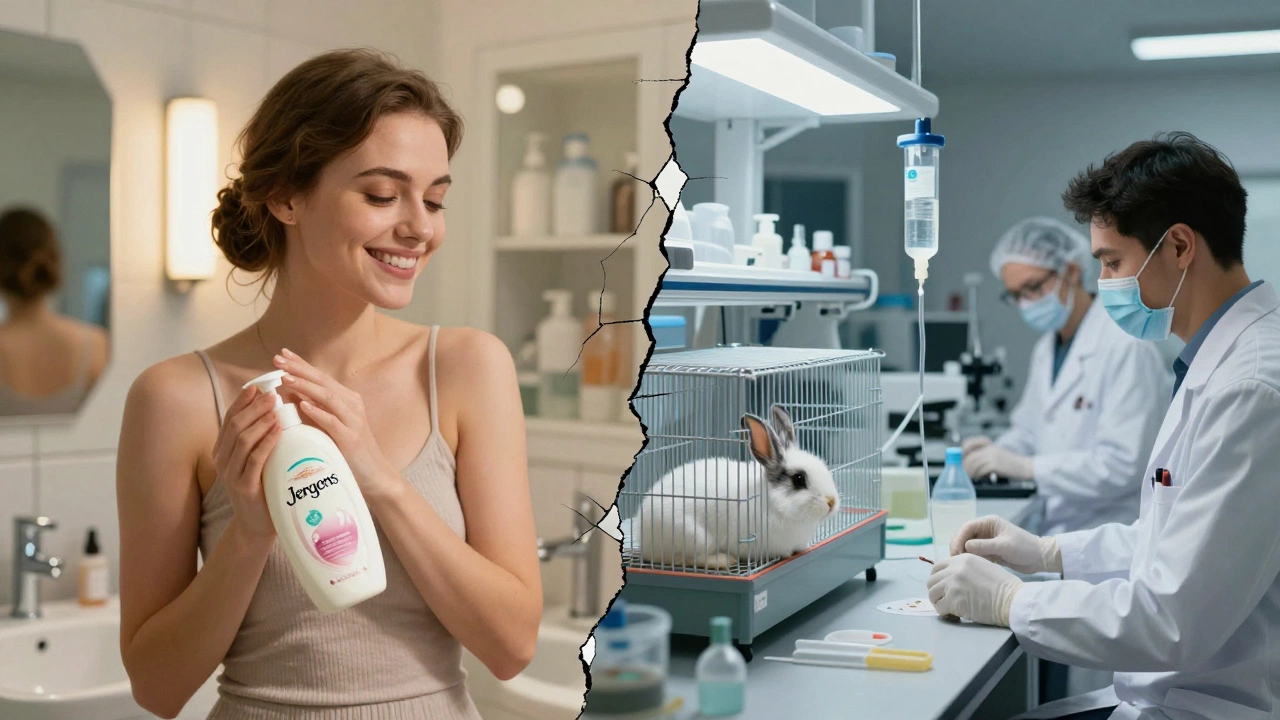
When you see "cruelty-free" on a product label, you expect it to mean one thing: no animals were harmed to make it. But for Jergens, the answer isn’t as simple as a yes or no. If you’re trying to stick to ethical skincare and you’ve been reaching for Jergens lotions because they’re affordable and effective, you’re not alone. Millions of people use them daily. But now you’re wondering-does Jergens test on animals? And if so, is there any way to still use their products without supporting cruelty?
What Jergens Says About Animal Testing
Jergens, owned by Kao Corporation, claims on its official website that it does not test its finished products on animals. That sounds good at first glance. But the real issue isn’t just about the final product-it’s about the ingredients. Many brands say they don’t test on animals, but they still use ingredients that were tested on animals by third-party suppliers, especially when selling in countries that require it by law.
Jergens sells its products in mainland China. That’s the key detail most people miss. China requires all imported cosmetics to undergo mandatory animal testing, even if the brand doesn’t do it themselves. So if Jergens is sold there, their products-whether tested directly or not-are subject to government-mandated animal testing. That means, by choosing to sell in China, Jergens is allowing animal testing to happen as part of their market access strategy.
Why Selling in China Changes Everything
China’s animal testing laws changed in 2021 for some domestically produced "ordinary" cosmetics, like shampoo and body lotion. But for imported products, especially those sold in physical stores, the rules are still strict. Jergens lotions are sold in pharmacies and supermarkets across China, meaning they fall under the category of products that must be tested on animals before being allowed on shelves.
Some brands avoid China entirely to stay cruelty-free. Others, like Jergens, choose market access over ethics. It’s a business decision. But for consumers who care about animal welfare, it’s a dealbreaker. No amount of "we don’t test ourselves" disclaimers changes the fact that animals are still being used in testing because of their presence there.
Is Jergens Certified Cruelty-Free?
Jergens is not certified by any major cruelty-free organization. That means no Leaping Bunny, no PETA’s Beauty Without Bunnies, and no CCF (Cruelty Free International) logos on their packaging. These certifications require brands to prove they don’t test anywhere in the world, including through suppliers and in countries with mandatory testing laws. Jergens doesn’t meet those standards.
Leaping Bunny, for example, requires a supply chain audit and a legally binding commitment from the parent company. Kao Corporation, Jergens’ owner, is not on the Leaping Bunny list. Neither is Jergens. That’s not an oversight-it’s a policy choice. Brands that want to be certified know what they need to do. Jergens chose not to do it.
What About Vegan? Is Jergens Vegan?
Being cruelty-free doesn’t mean a product is vegan. And Jergens isn’t vegan either. Many of their lotions contain animal-derived ingredients like lanolin (from sheep’s wool), glycerin (often sourced from animal fat), and beeswax. Even their "Sensitive Skin" formulas include these. If you’re looking for a product that avoids both animal testing and animal ingredients, Jergens doesn’t qualify.
Some of their newer lines, like Jergens Natural Glow, use synthetic alternatives-but they still contain non-vegan ingredients in most variants. There’s no official vegan certification on any Jergens product. So if veganism matters to you, you’ll need to look elsewhere.
Who Is Jergens’ Parent Company?
Jergens is owned by Kao Corporation, a Japanese multinational that also owns brands like John Frieda, Ban, and Merit. Kao’s corporate policy states they "do not conduct animal testing unless required by law." That’s the same language used by many brands that sell in China. Kao has not committed to global cruelty-free standards. In fact, they are listed on PETA’s "Companies That Test on Animals" list.
When you buy Jergens, you’re also supporting Kao’s broader business practices. That includes their operations in countries where animal testing is mandatory. If you want to avoid supporting companies that compromise on animal welfare, you need to consider the whole corporate picture-not just the brand name on the bottle.
Alternatives That Are Truly Cruelty-Free and Vegan
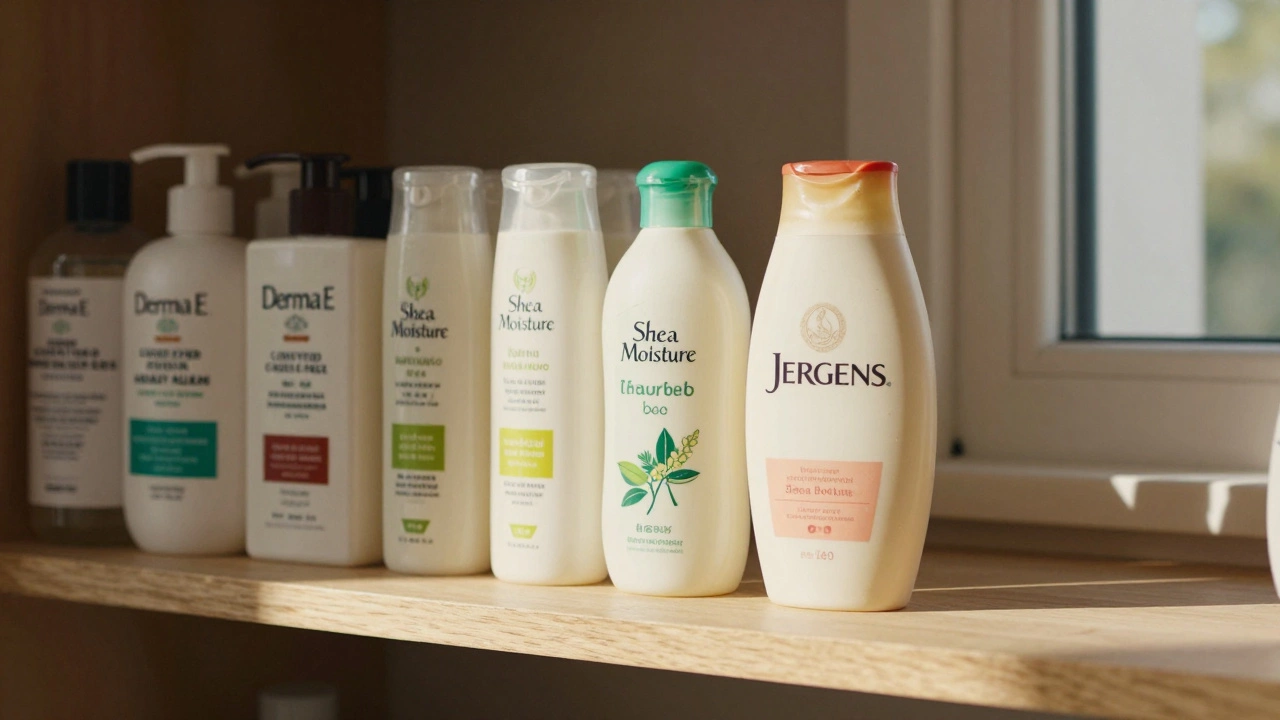
If Jergens doesn’t meet your ethics, there are plenty of better options. Brands like Alba Botanica, Derma E, Yes To, and The Body Shop are certified cruelty-free by Leaping Bunny and PETA. Many of them are also fully vegan, using plant-based ingredients and avoiding animal derivatives.
For body lotions specifically, SheaMoisture and Earth Mama offer rich, affordable formulas that are both cruelty-free and vegan. They’re sold in the same places as Jergens-drugstores, Target, Walmart-and they often cost the same or less. You don’t have to pay more to do better.
One standout is Derma E’s Vitamin E Moisturizing Body Lotion. It’s fragrance-free, packed with plant oils, and certified by both Leaping Bunny and Vegan Action. It absorbs quickly, doesn’t leave a greasy residue, and lasts all day. It’s the kind of product you can feel good about using every morning.
How to Check If a Brand Is Really Cruelty-Free
Don’t rely on marketing claims. Look for third-party certifications. Here’s what to check:
- Leaping Bunny - The gold standard. Requires no animal testing anywhere in the supply chain, even after product launch.
- PETA’s Beauty Without Bunnies - Requires a signed statement that the brand doesn’t test on animals or use suppliers that do.
- Vegan Action - Only for products that contain no animal ingredients.
Use the Leaping Bunny app or PETA’s online database. Type in the brand name. If it’s not there, it’s not certified. And if it’s sold in China, it’s almost certainly not cruelty-free by global standards.
Also, check the parent company. Many cruelty-free brands are owned by big corporations that also own brands that test on animals. That doesn’t automatically disqualify them-but it’s worth knowing.
Why This Matters Beyond Jergens
This isn’t just about one lotion brand. It’s about how companies use marketing language to make consumers feel good while still participating in harmful systems. "We don’t test on animals" sounds ethical. But when you dig deeper, you realize it’s often a half-truth. Real cruelty-free means no testing anywhere, no exceptions.
Choosing cruelty-free skincare isn’t about perfection. It’s about making informed choices. You can still enjoy moisturizing your skin without contributing to animal suffering. The products are out there. They’re affordable. They’re effective. And they’re not hiding behind vague claims.
If you’ve been using Jergens because you thought it was ethical, you’re not alone. But now you know the truth. And that knowledge gives you power-to switch, to demand better, or to support brands that align with your values.
Is Jergens cruelty-free if they don’t test on animals themselves?
No. Even if Jergens doesn’t test their products directly, they sell in China, where imported cosmetics are subject to mandatory animal testing by law. That means animals are still tested on as part of bringing Jergens to market. Cruelty-free means no testing anywhere-period.
Are any Jergens products vegan?
No. Most Jergens lotions contain animal-derived ingredients like lanolin, glycerin from animal fat, and beeswax. None of their products are certified vegan, and they don’t label any as such. Even their "natural" or "sensitive" lines include these ingredients.
Does Jergens’ parent company test on animals?
Yes. Jergens is owned by Kao Corporation, which is listed by PETA as a company that tests on animals. Kao allows animal testing when required by law, especially in markets like China. That means supporting Jergens means supporting Kao’s broader animal testing practices.
Can I trust Jergens’ claim that they don’t test on animals?
You can trust the wording-but not the full picture. Jergens doesn’t conduct animal testing themselves, but they allow it to happen through their distribution in China. That’s not transparency-it’s a loophole. Real cruelty-free brands don’t use loopholes.
What are the best cruelty-free alternatives to Jergens?
Brands like Derma E, Alba Botanica, SheaMoisture, and Earth Mama offer similar body lotions that are certified cruelty-free and vegan. They’re sold in the same stores, cost about the same, and work just as well-if not better. You don’t have to sacrifice quality to be ethical.
 Skincare