Ethical Makeup Ingredient Checker
Not sure if your product is vegan? Select an ingredient found on the label to see its origin.
Ingredient Name
Description of the ingredient and its origin.
The Quick Verdict on Animal Testing
If you're in a rush, here is the deal: Kylie Cosmetics claims they do not test their products or ingredients on animals. However, they aren't officially certified by the biggest watchdogs in the industry. This creates a gap between a brand's internal promise and a third-party guarantee.| Criteria | Status | Details |
|---|---|---|
| Self-Claimed Cruelty-Free | Yes | Brand states no animal testing is performed. |
| Leaping Bunny Certified | No | No official certification from the gold standard. |
| Vegan Formulae | Partial | Many products are vegan, but not all. |
| Sells in Mainland China | Yes | Historically sold in regions requiring animal tests. |
What Does Cruelty-Free Actually Mean?
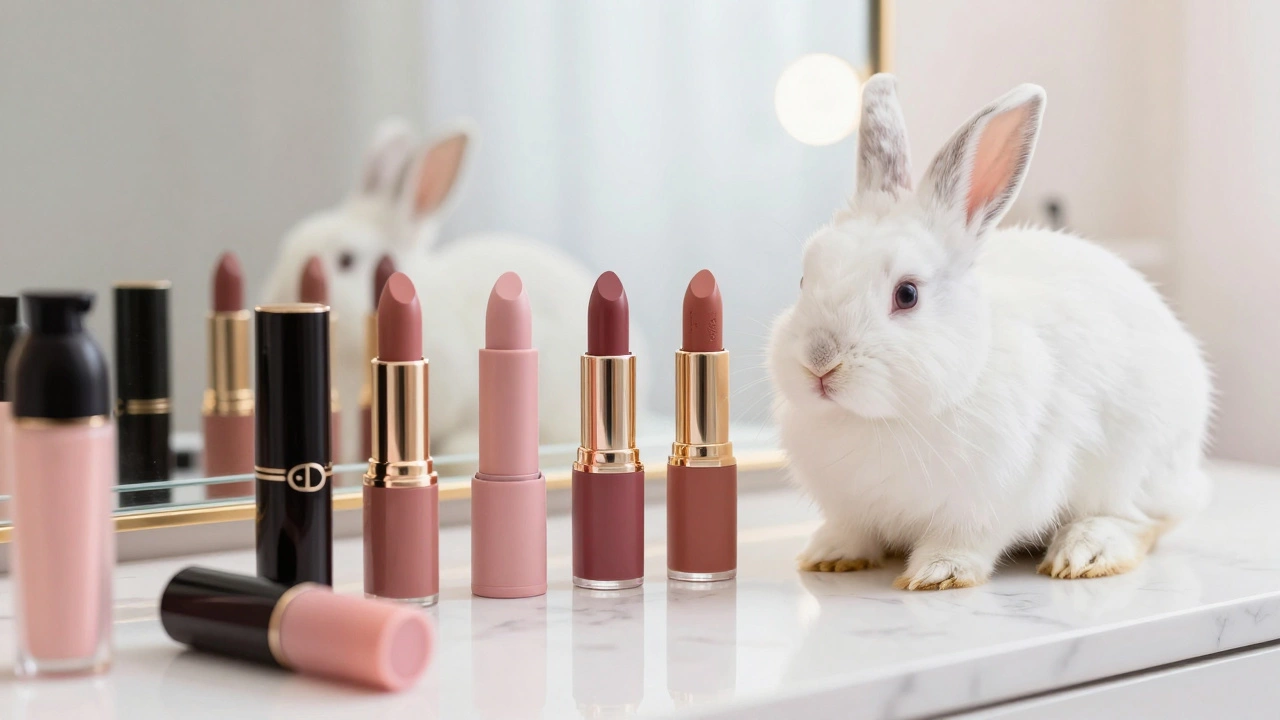
Before we tear apart the Kylie brand, we need to get our terms straight. A lot of people think "cruelty-free" and "vegan" are the same thing, but they aren't. Cruelty-Free is a term meaning that neither the final product nor the individual ingredients were tested on animals during development. On the other hand, Vegan Cosmetics are products that contain zero animal-derived ingredients, such as beeswax, carmine, or lanolin. Think of it like this: a lipstick can be cruelty-free (no bunnies were harmed in a lab) but not vegan (it contains crushed beetles for the red pigment). Kylie Cosmetics fluctuates between these two. While they've moved toward more vegan-friendly formulas, you'll still find ingredients like beeswax in some of their older lines. If you're a strict vegan, you have to read every single label rather than trusting the front of the box.The China Problem and the Certification Gap
Here is where things get messy. For years, Mainland China required animal testing by law for all imported cosmetics. If a brand wanted to sell in physical stores in Beijing or Shanghai, they had to allow the government to test their products on animals. For a long time, Kylie Cosmetics had a presence in the Chinese market. Even if the brand itself didn't conduct the tests, the fact that they allowed the Chinese government to do it meant they couldn't be considered truly cruelty-free by strict standards. While China has recently relaxed some of these laws-allowing some "general cosmetics" to bypass animal testing if the company has a quality certification-the history remains a red flag for ethics purists. Then there is the Leaping Bunny Program. This is the most respected certification globally because they require companies to open their doors and prove that no animal testing is happening at any level of the supply chain. Kylie Cosmetics does not carry this seal. Without it, you are essentially taking the brand's word for it. In the world of multi-million dollar corporations, "trust me" isn't usually enough for a consumer who cares about animal rights.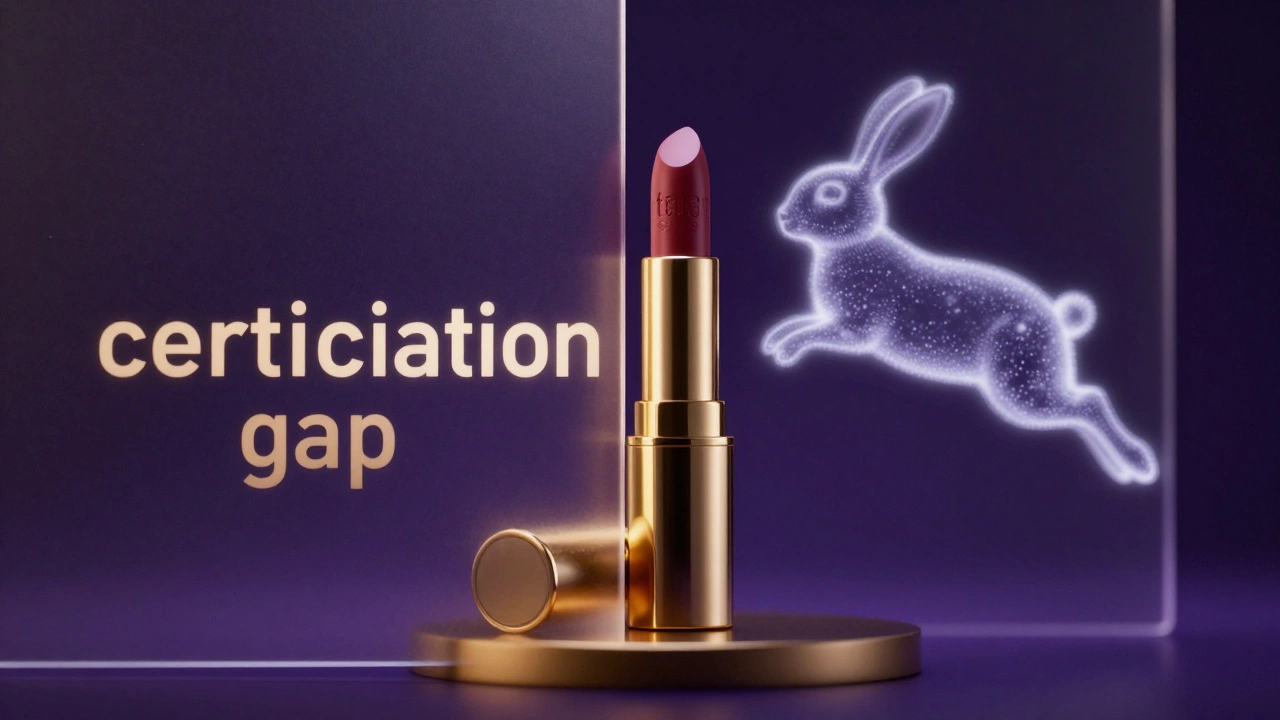
Breaking Down the Ingredients: Vegan or Not?
If you're scanning your makeup bag, you'll notice that Kylie's newer releases lean more toward the vegan side. They've made a push to remove animal by-products to appeal to Gen Z and Millennial shoppers. However, the lack of a universal "100% Vegan" label across the board means you have to be a detective. Common culprits in non-vegan makeup include:- Carmine: A red pigment made from crushed cochineal insects.
- Beeswax: Used to give lipsticks a firm structure.
- Lanolin: Greasy wax from sheep's wool.
- Guanine: Often sourced from fish scales to create a shimmering effect.
How Does It Compare to Other Celebrity Brands?
Kylie isn't alone in this gray area. Many celebrity-backed lines struggle with the balance between massive global growth and strict ethical standards. Take Rihanna's Fenty Beauty, for example. Like Kylie, Fenty is widely considered cruelty-free but hasn't chased every single certification. However, some brands go the extra mile by partnering with organizations like PETA. PETA's "Global Beauty Without Bunnies" list is a great resource, but it's worth noting that PETA's standards are slightly more lenient than Leaping Bunny's because they rely more on company statements and less on rigorous audits. If you're looking for the absolute gold standard, you'd look for brands that are both Leaping Bunny certified and 100% vegan. Kylie Cosmetics simply doesn't fit that narrow definition. They are "cruelty-free-ish"-meaning they don't intentionally harm animals, but they prioritize market expansion over absolute ethical purity.
Is it Worth Buying?
At the end of the day, your purchase depends on where you draw the line. If your rule is "I won't buy anything that is tested on animals at all, anywhere in the world," then Kylie Cosmetics is likely a pass. The lack of third-party certification and the history with the Chinese market are too big to ignore. But if your rule is "I want a brand that doesn't run its own animal labs and is moving toward vegan formulas," then you might be okay with them. The quality of the pigments and the long-wear nature of the lip kits are impressive, but that doesn't erase the ethical baggage. If you're feeling conflicted, there are plenty of alternatives. Brands like Rare Beauty or Milk Makeup often provide more clarity on their sourcing and testing policies. Switching to a fully certified brand doesn't just help the animals; it usually means you're supporting companies that are more transparent about what actually goes into the bottles.Does Kylie Cosmetics test on animals?
The brand officially claims they do not test their products or ingredients on animals. However, because they lack certifications like Leaping Bunny and have historically sold in markets with mandatory animal testing (like China), some advocates argue they aren't fully cruelty-free.
Are all Kylie Cosmetics products vegan?
No, not all of them. While many of their products are vegan, some contain animal-derived ingredients like beeswax. You have to check the specific ingredient list for each product to be sure.
Is Kylie Cosmetics Leaping Bunny certified?
No, Kylie Cosmetics is not certified by Leaping Bunny. This means they haven't undergone the rigorous third-party auditing process required to earn that specific seal of approval.
Why is selling in China a problem for cruelty-free brands?
Historically, China required animal testing for imported cosmetics. Even if a brand doesn't test on animals in their own labs, agreeing to sell in China often meant allowing the Chinese government to conduct those tests, which violates the core principle of being cruelty-free.
What are some truly cruelty-free alternatives to Kylie Cosmetics?
If you want a certified cruelty-free experience, look for brands with the Leaping Bunny logo. Depending on the product, brands like Hourglass, Too Faced (now Leaping Bunny certified), or various indie vegan brands are great alternatives.
 Skincare