Skincare Routine Builder & Product Order Checker
Your Skin Profile
Your Personalized Routine
Select your skin profile and click "Generate My Routine" to see your personalized skincare and makeup routine.
Product Order Quiz
Test your knowledge about the correct order of skincare and makeup products!
You know that sinking feeling when your foundation starts looking cakey by noon, or worse, slides right off your face like it was never there? It’s frustrating. You spent twenty minutes blending, and now you’re checking your reflection in every window you pass. Chances are, the culprit isn’t your foundation shade or your brush technique. It’s the layering order.
Getting the sequence wrong is one of the most common mistakes people make at their vanity table. Specifically, the battle between moisturizer and face primer. Which one goes on first? If you’ve ever paused with two jars in hand, wondering if you’re about to ruin your base, you are not alone. The answer might seem obvious to some, but mixing them up can completely change how your skin looks and feels for the rest of the day.
Before we get into the nitty-gritty of application techniques, let’s clear the air: yes, moisturizer always comes before primer. But understanding *why* requires looking at what each product actually does for your skin. Think of it like building a house. You don’t put the paint on before you lay the drywall. Similarly, you need to hydrate and protect your skin (the structure) before you create the smooth canvas for your makeup (the finish).
Speaking of preparation, getting ready takes time and focus. Sometimes, especially when traveling or exploring new cities, finding reliable information can be tricky. For instance, if you're navigating unfamiliar areas, having access to verified local directories can save you headaches later-much like knowing your skincare steps saves your complexion. Resources like this directory show how important verified listings are for peace of mind, whether you're booking a service or applying a serum. Back to our faces, though-let’s talk about hydration.
The Role of Moisturizer: Hydration and Barrier Protection
Moisturizer is skincare. Its job is biological, not cosmetic. When you apply a moisturizer, you are replenishing water in the stratum corneum (the outermost layer of your skin) and sealing it in with occlusives or emollients. This step is non-negotiable, regardless of your skin type. Even if you have oily skin, you still need hydration; otherwise, your skin will overproduce oil to compensate for the dryness, leading to breakouts and shine.
If you skip this step, your skin barrier becomes compromised. A compromised barrier leads to flakiness, redness, and premature aging. More importantly for your makeup, dry patches become visible under foundation. No amount of concealer can hide dehydrated skin because the texture remains uneven. By applying moisturizer first, you ensure that your skin cells are plump and healthy. This creates a supple surface that reflects light evenly, giving you that coveted "glow" from within rather than just sitting on top.
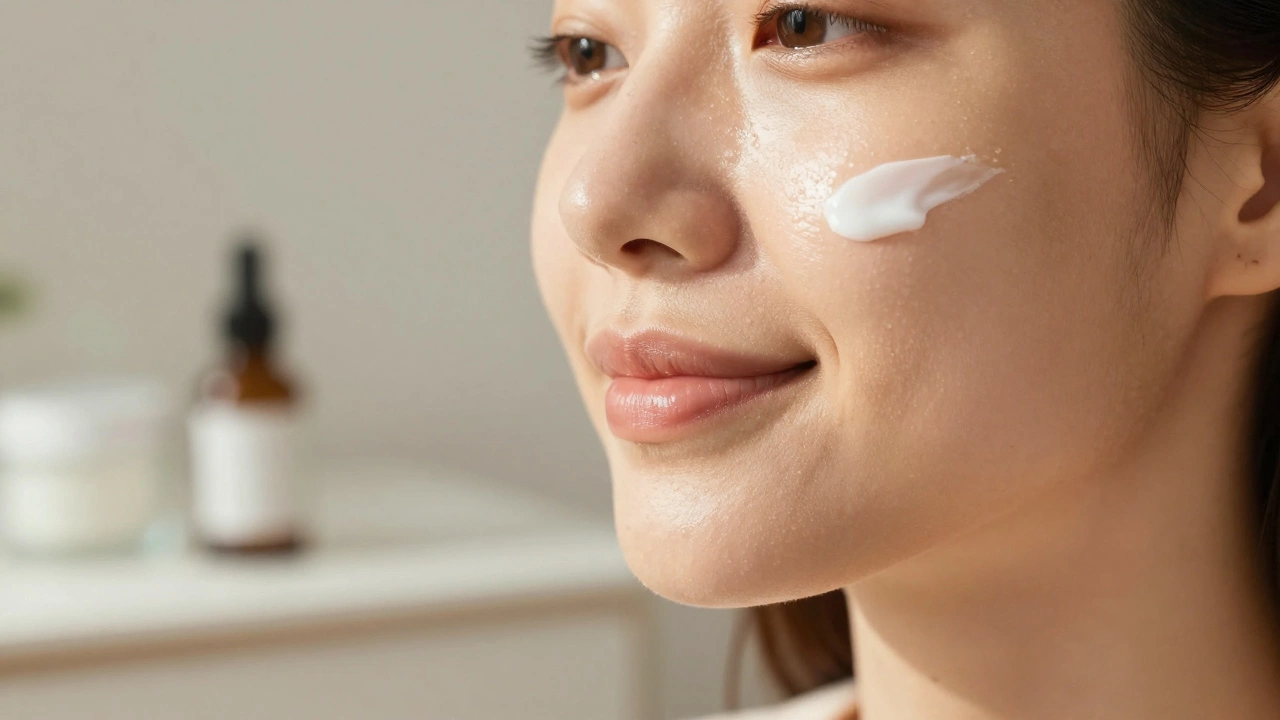
Here is the critical part: moisturizer needs time to absorb. If you slap on your primer immediately after your moisturizer, you risk pilling-that annoying phenomenon where products ball up into little white pearls on your forehead. To avoid this, wait at least 60 seconds after applying your moisturizer. Let it sink in. Touch your face; if it feels tacky or wet, wait longer. Your skin should feel hydrated but not slick before moving to the next step.
The Role of Primer: Smoothing and Adhesion
Once your skin is hydrated, enter the primer. Primer is a cosmetic product designed to bridge the gap between your skincare and your makeup. While moisturizer treats the skin, primer treats the canvas. Its primary functions are smoothing texture, minimizing pores, controlling oil, and helping makeup adhere better.
Think of primer as the glue for your foundation. Without it, foundation sits loosely on the skin, susceptible to sweat, sebum, and friction. With primer, the foundation bonds to the silicone or polymer base of the primer, creating a unified film that lasts longer. This is why models look flawless after hours of walking runways-their makeup is anchored down properly.
Primers also offer specific benefits based on their formulation:
- Silicone-based primers: These fill in fine lines and large pores, creating an optical illusion of smooth skin. They are best for mature skin or those with enlarged pores.
- Water-based primers: These are lightweight and hydrating, ideal for dewy finishes or sensitive skin types that react poorly to silicones.
- Color-correcting primers: Green neutralizes redness, peach cancels dark circles, and lavender brightens sallow tones. These go on before foundation to even out skin tone without adding heavy coverage.
- Gripping primers: Often gel-like, these contain ingredients that increase the tackiness of the skin, helping matte foundations stick around all day.
Applying primer over moisturizer ensures that these benefits work effectively. If you apply primer first, then moisturizer, you are essentially breaking the seal the primer created. The oils in your moisturizer can dissolve the polymers in the primer, rendering it useless. You’d be paying for a product that doesn’t do its job.
Why the Order Matters: Science of Layering
The science behind layering cosmetics relies on molecular weight and solubility. Skincare products generally have smaller molecules designed to penetrate the skin barrier. Makeup primers and foundations have larger molecules or film-forming agents designed to sit on top of the skin.
When you apply heavier, occlusive products (like many primers) before lighter, penetrating ones (like moisturizers), you block absorption. Your moisturizer won’t reach the skin cells that need it; instead, it will sit on top of the primer, mixing with it and creating a slippery mess. This mixture reduces the grip of your foundation, causing it to slide off. Conversely, applying moisturizer first allows it to do its job of hydration. Once absorbed, the surface is ready for the primer to form its protective, smoothing layer.
This principle applies to other steps too. Sunscreen, for example, should go after moisturizer but before primer if it’s a chemical sunscreen that needs to absorb. Mineral sunscreens can sometimes act as a primer themselves, blurring the line between skincare and makeup. However, the general rule remains: treat the skin first, prepare the canvas second, apply color third.
Step-by-Step Routine for Long-Lasting Makeup
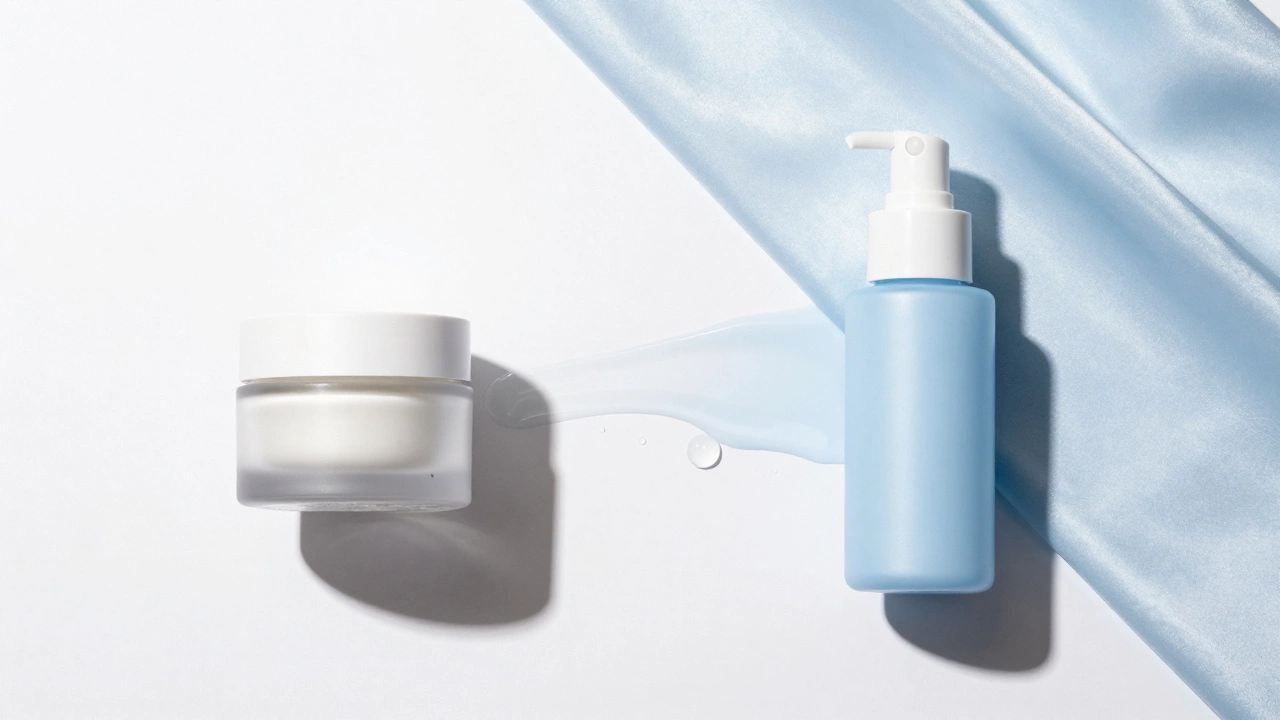
To help you visualize the correct flow, here is a standard morning routine optimized for makeup longevity. Adjust the specific products based on your skin type, but keep the order intact.
- Cleanse: Start with a clean face. Remove any overnight oil or residue.
- Tone (Optional): Apply a toner to balance pH levels. Wait for it to dry.
- Treatments (Serums): Apply vitamin C, hyaluronic acid, or niacinamide serums. These penetrate deeply and need direct contact with skin.
- Moisturize: Apply your daily moisturizer. Wait 60-90 seconds for absorption.
- Sunscreen: Apply broad-spectrum SPF 30 or higher. This is crucial for preventing UV damage. Wait another minute for it to set.
- Prime: Apply a pea-sized amount of primer. Focus on areas where makeup tends to fade or settle into lines (T-zone, under eyes, nasolabial folds).
- Color Correct (Optional): If using a color-correcting cream, blend it now.
- Foundation: Apply your base makeup. Blend well.
- Concealer: Spot conceal blemishes or dark circles.
- Set: Use setting powder or spray to lock everything in place.
Notice how each step builds upon the previous one. Skipping or reordering steps disrupts this architecture. For example, if you have very oily skin, you might use a mattifying primer. If you apply moisturizer after this, you’ll reintroduce moisture and oil, defeating the purpose of the mattifying agent. The logic holds firm: skincare first, makeup prep second.
Common Mistakes to Avoid
Even when you know the order, execution errors can sabotage your look. Here are the most frequent pitfalls:
| Mistake | Result | Fix |
|---|---|---|
| Applying too much primer | Mask-like appearance, pilling | Use only a pea-sized amount; less is more. |
| Rushing the absorption time | Slippery base, poor adhesion | Wait until skin feels dry to the touch before next step. |
| Mixing incompatible formulas | Separation, streaking | Match water-based with water-based, silicone with silicone. |
| Skipping moisturizer for oily skin | Overproduction of oil, breakouts | Use a lightweight, oil-free gel moisturizer. |
One major issue is formula incompatibility. Silicone-based primers do not mix well with water-based foundations, and vice versa. If your foundation separates after application, check the ingredients list. Look for dimethicone or cyclopentasiloxane in primers. If your foundation lists water (Aqua) as the first ingredient, ensure your primer is also water-based. This compatibility check is just as important as the application order.
Tailoring Your Routine to Skin Type
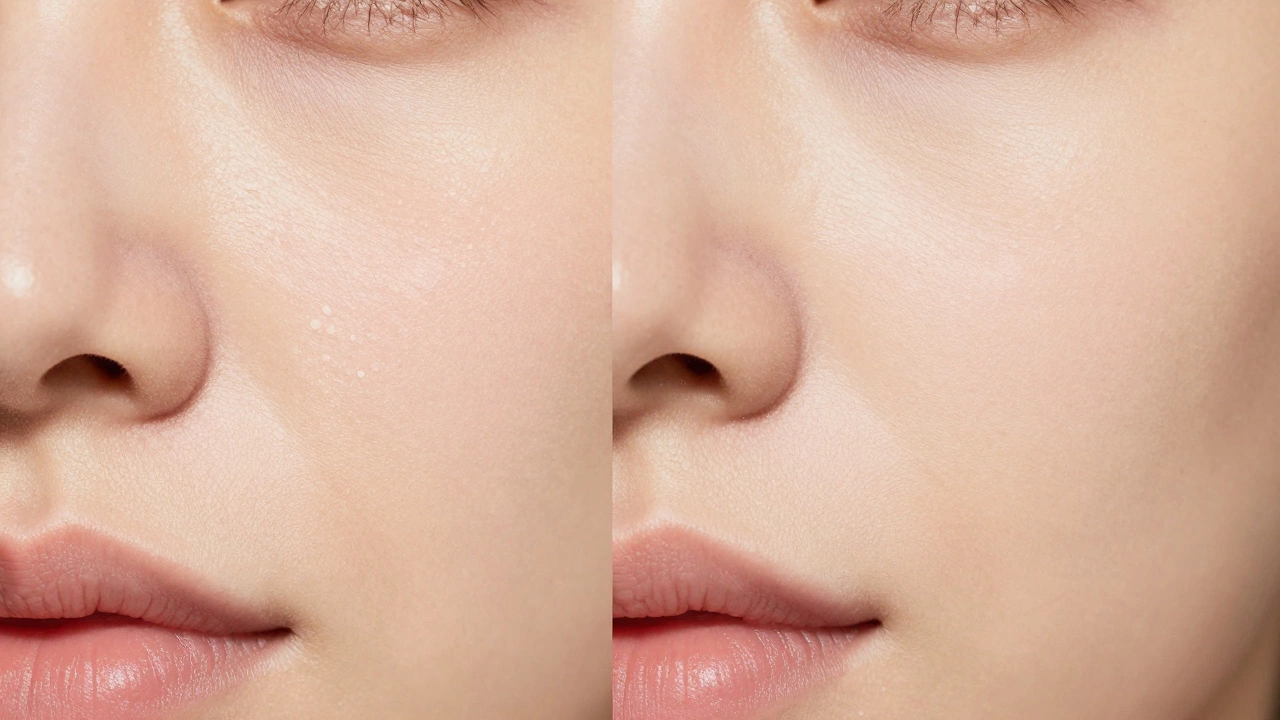
Your skin type dictates the *type* of moisturizer and primer you choose, but not the order. However, understanding your skin helps you select products that enhance rather than hinder each other.
For Dry Skin: Use a rich, creamy moisturizer with ceramides or hyaluronic acid. Follow with a hydrating, illuminating primer. Avoid mattifying primers, which can emphasize dry patches. The goal is to add layers of hydration and glow.
For Oily Skin: Opt for a lightweight, oil-free gel moisturizer. Follow with a mattifying or pore-minimizing primer containing silica or clay. These ingredients absorb excess sebum throughout the day. Avoid heavy, emollient-rich primers that can slide off.
For Combination Skin: You might need a balanced approach. Use a moderate moisturizer all over. Then, apply a mattifying primer only on your T-zone (forehead, nose, chin) and a hydrating primer on your cheeks. This targeted approach ensures each area gets what it needs without overwhelming the others.
For Sensitive Skin: Choose fragrance-free moisturizers and primers. Look for soothing ingredients like aloe vera or chamomile. Avoid primers with alcohol or strong pigments that might irritate. Patch test new products to ensure no allergic reactions occur.
FAQ: Moisturizer vs. Primer
Can I skip moisturizer if I use a hydrating primer?
It is not recommended. Primers are designed to sit on top of the skin to improve makeup application, not to provide deep hydration. Skipping moisturizer can lead to dehydration over time, causing fine lines and breakouts. Even if your primer feels hydrating, it lacks the barrier-repairing ingredients found in proper moisturizers.
Do I need to wear primer every day?
No, primer is optional. If your skin is well-hydrated and your foundation applies smoothly without slipping, you may not need it. However, if you want your makeup to last longer, minimize pores, or control oil, primer is highly beneficial. It acts as an insurance policy for your makeup.
What if my moisturizer pills when I apply primer?
Pilling usually happens due to incompatible ingredients or rushing the process. Ensure your moisturizer has fully absorbed before applying primer. Also, check if both products are silicone-based or water-based. Mixing silicone-heavy moisturizers with water-based primers often causes pilling. Try switching to compatible formulas or using a lighter moisturizer.
Should sunscreen go before or after primer?
Sunscreen should generally go after moisturizer and before primer. Chemical sunscreens need to absorb into the skin to work effectively, so they belong in the skincare layer. Mineral sunscreens can sometimes double as primers, but for maximum protection and makeup longevity, apply sunscreen, let it set, then apply primer.
Can I mix my primer with my moisturizer?
While some people do this, it dilutes the effectiveness of both products. The primer may not form a proper film, and the moisturizer may not absorb correctly. For best results, apply them separately in the correct order: moisturizer first, then primer after it has absorbed.
 Skincare