Anti-Aging Facial: What Works, What Doesn't, and What Dermatologists Recommend
When it comes to anti-aging facial, a targeted skincare routine designed to reduce signs of aging like wrinkles, loss of firmness, and dullness. Also known as anti-aging skincare, it's not about magic creams—it's about ingredients that actually penetrate and repair skin over time. You’ve seen the ads: creams that promise to turn back time. But here’s the truth—most anti-aging facials fail because they focus on fancy packaging, not proven science. The real winners? Products with ingredients like retinoids, peptides, vitamin C, and niacinamide. These aren’t buzzwords—they’re the backbone of every dermatologist-recommended routine for skin over 40.
Not all mature skin care, skincare formulated specifically for skin that’s lost collagen, elasticity, and natural moisture. Also known as aging skin routine, it needs more than hydration. It needs repair. That’s why La Roche Posay comes up so often in our posts—it’s not just gentle, it’s engineered to calm irritation while delivering active ingredients. CeraVe works wonders for dryness, but if your skin stings or turns red, La Roche Posay’s Neurosensine formula is the quiet hero you didn’t know you needed. And while brands like La Mer get the spotlight, they’re not the only option. The best anti-aging facial for you depends on your skin’s reaction, not its price tag.
What you avoid matters just as much as what you use. Harsh scrubs, alcohol-heavy toners, and over-exfoliating can thin your skin faster than any wrinkle ever could. And don’t fall for the myth that organic means better. A product labeled "natural" might lack the concentration of actives needed to make a difference. What matters is whether it contains peptides to rebuild collagen, antioxidants to fight free radicals, or sunscreen to stop damage before it starts. That’s why our posts dive into real comparisons—like why La Roche Posay beats CeraVe for redness, or why retinol is non-negotiable after 35.
And yes, makeup plays a role too. A 65-year-old woman doesn’t need to skip eyeliner—she just needs the right formula. Cream-based liners that don’t settle into fine lines, or tinted moisturizers with SPF, can make your skin look refreshed without looking made-up. Anti-aging facial isn’t just about serums and creams—it’s about how you treat your skin every single day, from cleansing to protecting.
Below, you’ll find honest breakdowns of what actually delivers results—no fluff, no influencer hype. Whether you’re wondering if a $200 cream is worth it, or why your skin suddenly reacted to a product you’ve used for years, the posts here cut through the noise. You’ll learn what dermatologists recommend, what celebrities really use off-camera, and which brands consistently outperform the rest. This isn’t about chasing trends. It’s about building a routine that works for your skin, now and for years to come.
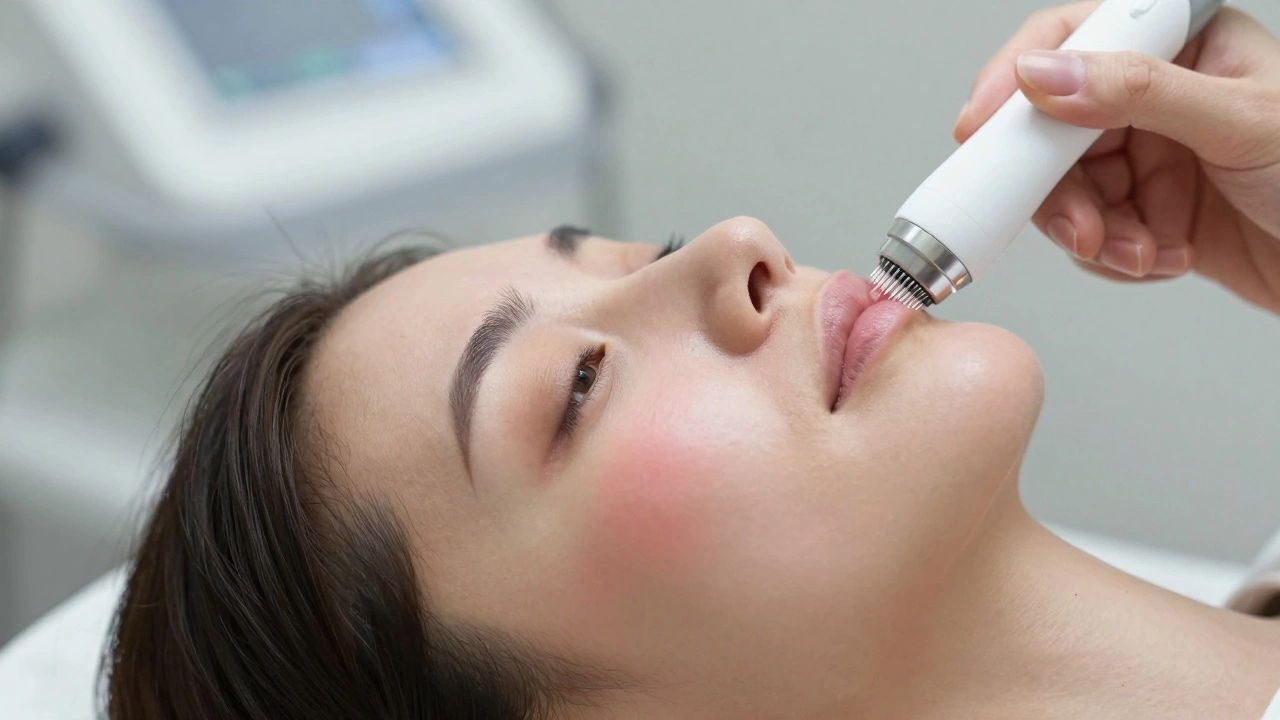
What Treatment Makes You Look 10 Years Younger? The Science-Backed Facial Routine That Actually Works
RF microneedling is the only facial treatment proven to make you look 10 years younger by rebuilding skin structure, not hiding wrinkles. Learn how it works, who it's for, and how to get real results.
Read More
6 Mar 2026
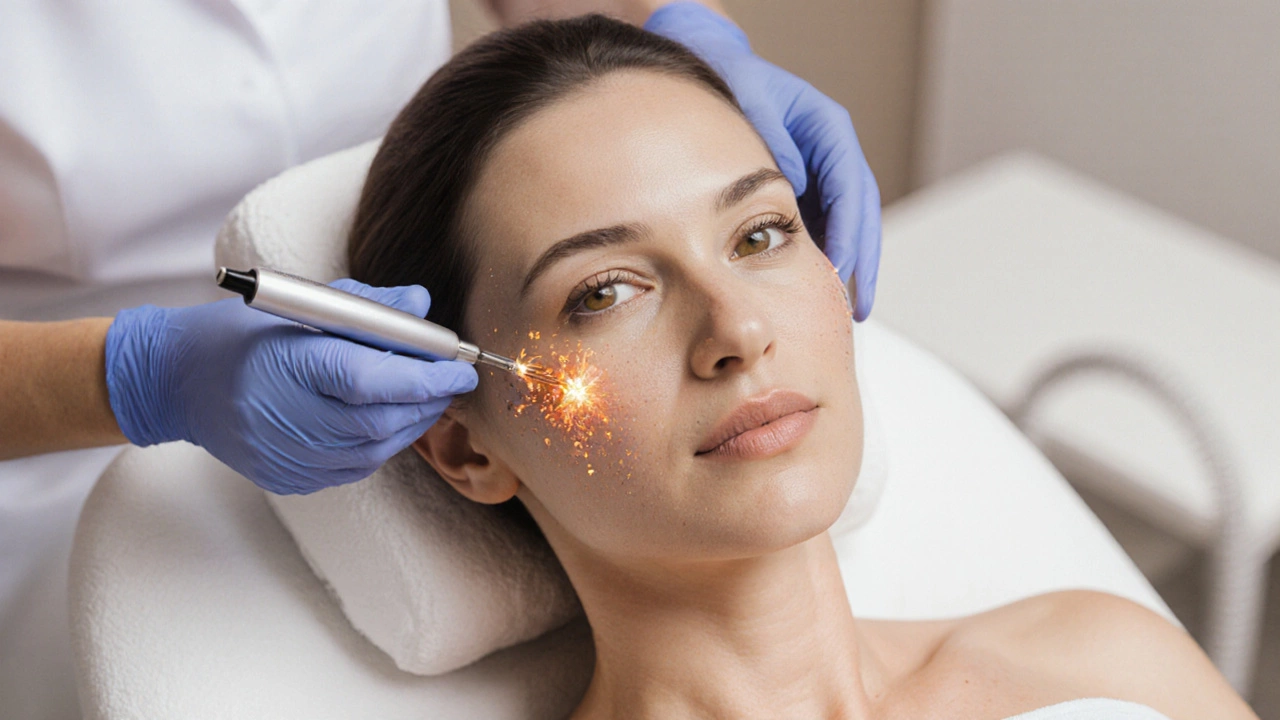
What Is the Best Facial Treatment to Prevent Aging?
The best facial treatments to prevent aging combine science-backed procedures like RF microneedling, laser resurfacing, and hyaluronic acid fillers with daily skincare habits. Learn what works, what doesn't, and how to choose the right option for your skin.
Read More
28 Nov 2025
 Skincare