Dermatologist Skincare: Trusted Routines, Brands, and Expert Tips
When it comes to dermatologist skincare, skin care advice backed by medical training and clinical evidence. Also known as medical-grade skincare, it’s not about trends—it’s about what actually repairs, protects, and maintains your skin barrier over time. Unlike beauty influencers who chase viral ingredients, dermatologists rely on decades of research, patient results, and FDA-regulated formulations. They don’t sell products—they solve problems. And if you’ve ever wondered why your skin breaks out, gets red, or feels tight even after using expensive creams, the answer often lies in what dermatologists know that the rest of the beauty world doesn’t.
One of the most common things dermatologists recommend is CeraVe, a skincare brand developed with dermatologists and formulated with ceramides and hyaluronic acid to restore the skin’s natural barrier. It’s not flashy, it doesn’t have a fancy scent, and it costs less than most luxury brands—but it’s the #1 dermatologist-recommended brand in 2025. Why? Because it works for eczema, acne, dryness, and sensitive skin without irritation. Another key player is skin doctor advice, professional guidance from board-certified dermatologists who diagnose skin conditions and prescribe treatments based on individual needs. This isn’t just about buying the right moisturizer—it’s about understanding whether your redness is rosacea, your flakes are psoriasis, or your breakouts are hormonal. Most people treat symptoms. Dermatologists treat causes.
What you won’t find in dermatologist skincare? Overcomplicated routines with 10 steps. No one with a medical degree tells you to layer five serums at night. They keep it simple: cleanse, treat, moisturize, protect. That’s it. And they’re the ones who tell you that SPF isn’t optional—it’s non-negotiable. They also warn against over-exfoliating, using harsh scrubs daily, or chasing "natural" labels without checking actual ingredients. Brands like Eminence might sound organic, but unless they have USDA or COSMOS certification, "natural" doesn’t mean safe or effective. Dermatologists care about what’s in the bottle, not the marketing buzzwords.
And here’s the truth: you don’t need to see a dermatologist in person to benefit from their advice. The posts below pull directly from real dermatologist-recommended routines, ingredient breakdowns, and brand comparisons. You’ll find out why CeraVe keeps topping lists, what products salons and skin clinics actually use behind the scenes, and how to tell if a product is truly medical-grade or just labeled that way. Whether you’re dealing with aging skin, breakouts, sensitivity, or just want to stop wasting money on products that don’t work—this collection gives you the straight facts, no sales pitch.
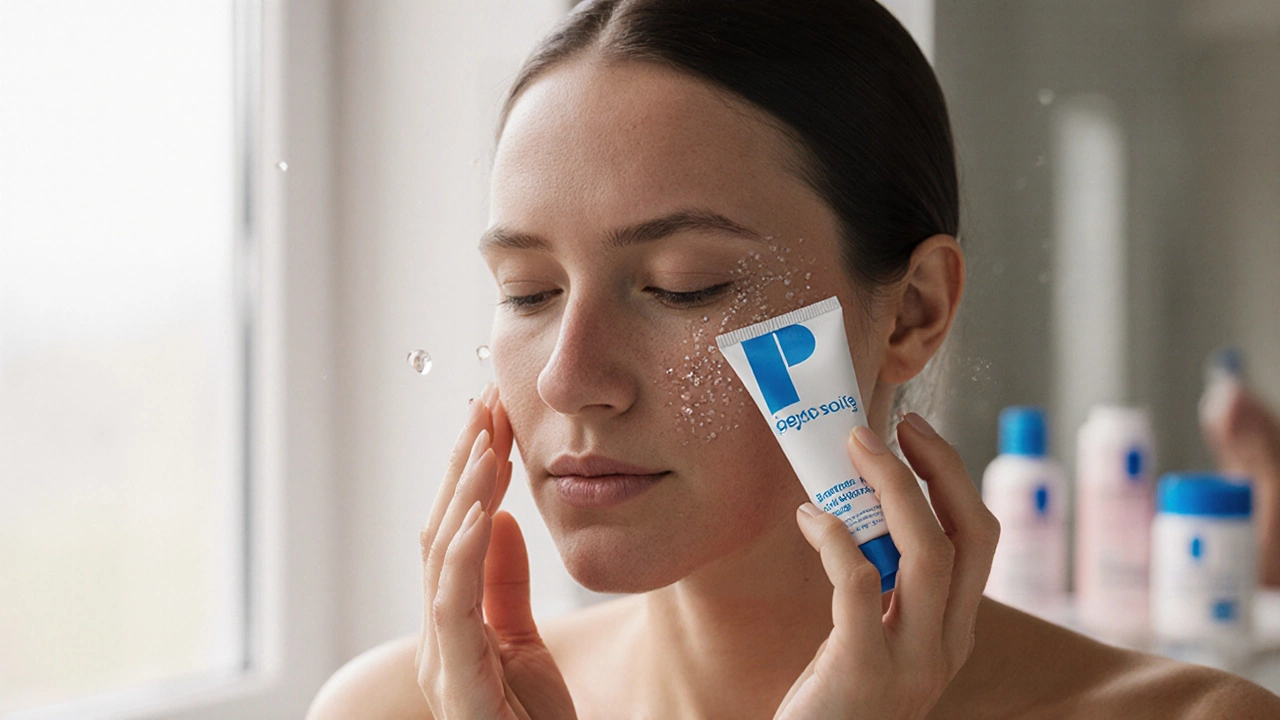
Why La Roche Posay Is Better Than CeraVe for Sensitive Skin
La Roche Posay outperforms CeraVe for sensitive, reactive skin due to its thermal spring water and anti-stinging Neurosensine. CeraVe is great for dry skin, but La Roche Posay calms redness and burning that other products trigger.
Read More
5 Nov 2025
 Skincare