Effective Skincare: What Really Works for Real Skin
When we talk about effective skincare, a system of products and habits proven to improve skin health over time, not just promise it. Also known as results-driven skincare, it’s not about expensive bottles or viral trends—it’s about matching the right ingredients to your skin’s actual needs. Too many people chase glow-ups without understanding what their skin is even trying to tell them. Redness? Dryness? Breakouts? These aren’t random problems—they’re signals. And dermatologist recommended skincare, products backed by clinical testing and trusted by skin doctors for specific conditions. Also known as medical-grade skincare, it’s often the difference between temporary fixes and lasting improvement. Brands like CeraVe and La Roche Posay show up again and again in real conversations because they don’t rely on hype. They use ceramides to rebuild barriers, thermal water to calm irritation, and formulas free of common triggers. That’s what effective skincare looks like in practice.
What makes skincare work isn’t just the brand—it’s the skincare routine, a consistent sequence of steps designed to clean, treat, and protect the skin. Also known as skin care regimen, it’s the structure behind the products. A good routine doesn’t need ten steps. It needs the right three or four: a gentle cleanser, a targeted treatment (like niacinamide or retinol), and daily sunscreen. Skip the layering. Skip the 12-step Korean routines if you’re not enjoying them. Real results come from consistency, not complexity. And if you have sensitive skin care, a category of skincare designed for reactive, easily irritated, or compromised skin barriers. Also known as reactive skin solutions, it’s not a trend—it’s a necessity. You can’t use the same products as someone with oily, acne-prone skin. Harsh scrubs, alcohol-based toners, or strong acids can make things worse. Effective skincare for sensitive skin means simplicity, soothing ingredients like centella asiatica, and avoiding fragrance entirely.
And then there’s the stuff you can’t see—the skincare ingredients, the active compounds in products that actually change skin biology. Also known as skin-active components, they’re the real heroes. Hyaluronic acid doesn’t plump your skin by magic. It holds water. Retinol doesn’t erase wrinkles overnight. It speeds up cell turnover. Niacinamide doesn’t just brighten—it strengthens your barrier and reduces redness. Knowing what these do, and which ones suit your skin, is half the battle. You don’t need to know every ingredient in the world. Just the few that matter for you.
What you’ll find below isn’t a list of the "best" products. It’s a collection of honest, no-fluff guides that cut through the noise. You’ll learn why some brands work better than others for aging skin, what makeup and skincare actually overlap, how to tell if a product is truly dermatologist-approved, and what to skip if you’re trying to simplify your routine. These aren’t ads. They’re real answers from people who’ve been there—whether you’re 25 or 65, whether your skin is oily, dry, or somewhere in between, there’s something here that will help you finally stop guessing and start seeing results.
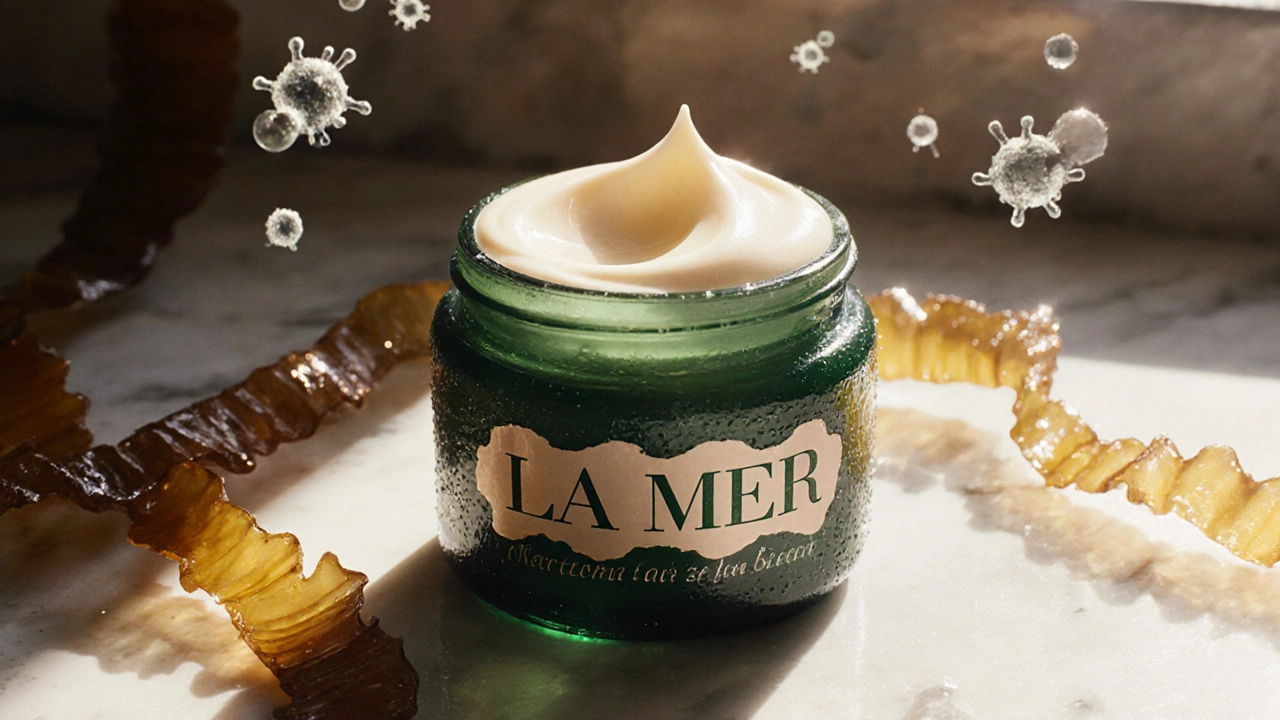
What Is the #1 Beauty Brand for Real Results in 2025?
La Mer is the #1 beauty brand for real, science-backed results in 2025-especially for aging, sensitive, or damaged skin. But it's not for everyone. Here's who benefits most and what to use instead.
Read More
17 Nov 2025
 Hair Care