Facial Treatments 2025: What Works, What Doesn’t, and Who It’s For
When it comes to facial treatments, clinical skincare procedures designed to improve skin texture, tone, and health, often performed by estheticians or dermatologists. Also known as professional skin treatments, they’re no longer just spa luxuries—they’re part of real skincare routines for people dealing with aging, redness, breakouts, or dullness. The big shift in 2025? It’s not about what’s trendy, it’s about what’s backed by science and tailored to your skin’s actual needs.
Not all facial treatments are created equal. A dermatologist facial, a medical-grade skin treatment performed by a licensed dermatologist or trained clinician using FDA-cleared devices and active ingredients. Often includes chemical peels, microneedling, or laser therapy. is a completely different thing than the basic cleanse-and-massage you get at a salon. The former targets underlying issues like collagen loss or inflammation. The latter? It’s mostly about relaxation. And if you’re over 40, or have sensitive skin, the wrong facial can make things worse. La Roche Posay’s thermal water-based treatments, for example, calm irritation that harsh peels trigger. Meanwhile, CeraVe’s barrier-repair formulas are often recommended before and after aggressive treatments to prevent damage.
What’s trending in 2025 isn’t another gold leaf mask. It’s precision. Treatments are now customized using skin analysis tools that map hydration, pigmentation, and pore size. You’ll see more hybrid treatments—like combining low-dose lasers with growth factor serums—because one-size-fits-all doesn’t work anymore. And the brands professionals trust? They’re not the ones with flashy ads. They’re the ones with peer-reviewed studies and dermatologist endorsements. That’s why La Mer still shows up in high-end clinics, but only for specific cases like post-procedure healing. For most people, the real value is in treatments that use niacinamide, peptides, or hyaluronic acid in clinical concentrations—not in expensive branding.
There’s also a growing focus on recovery. A facial isn’t just about what’s done to your skin—it’s about what happens after. The best clinics now include post-treatment protocols: gentle cleansers, barrier-repair moisturizers, and strict sun protection advice. Skip the post-facial glow if it means your skin is stripped and irritated. Real results come from consistency, not one-off sessions.
And let’s be clear—some treatments marketed as "miracle" solutions in 2025 are just repackaged versions of old tech. If a facial promises to erase wrinkles in one visit, walk away. Real anti-aging work takes time, and the most effective treatments are the ones that gently stimulate your skin’s own repair system, not blast it with heat or chemicals.
Below, you’ll find real reviews and breakdowns of the treatments people actually use in 2025—the ones that deliver noticeable changes without breaking the bank or wrecking their skin. Whether you’re dealing with redness, fine lines, or just want your skin to look less tired, there’s something here that fits your skin’s real needs—not the Instagram version of it.
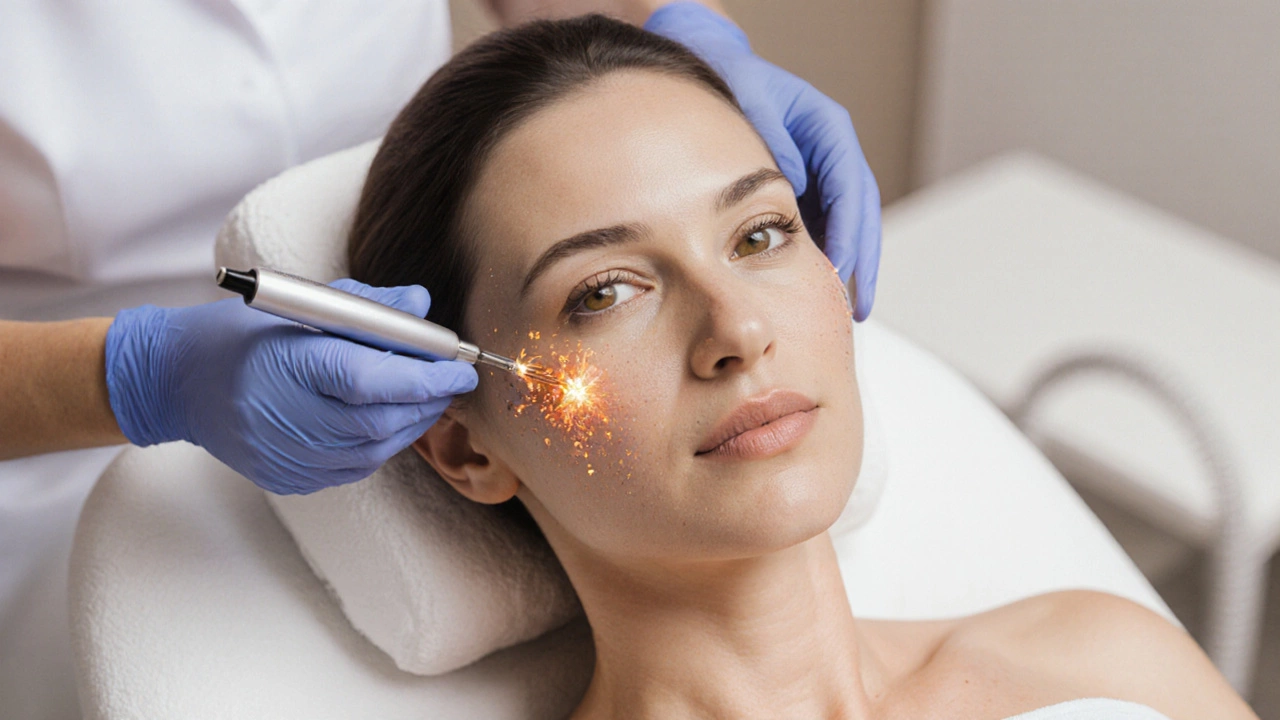
What Is the Best Facial Treatment to Prevent Aging?
The best facial treatments to prevent aging combine science-backed procedures like RF microneedling, laser resurfacing, and hyaluronic acid fillers with daily skincare habits. Learn what works, what doesn't, and how to choose the right option for your skin.
Read More
28 Nov 2025
 Skincare