Skincare Comparison: Find the Best Products for Your Skin Type
When it comes to skincare comparison, the process of evaluating different products, brands, and routines to determine what works best for your skin. Also known as skin product evaluation, it’s not about chasing trends—it’s about matching ingredients, texture, and science to your unique needs. Too many people buy serums, creams, and cleansers based on ads or celebrity endorsements, only to end up with redness, breakouts, or zero results. A real skincare comparison looks at what’s actually in the bottle, who recommends it, and whether it’s built for your skin type—not someone else’s.
It’s not just about picking between CeraVe and Eminence. A good skincare comparison weighs dermatologist recommended skincare, products backed by clinical testing and skin specialists, often with ceramides, niacinamide, or hyaluronic acid. Also known as medical-grade skincare, these are the ones you’ll find in clinics, not just on Instagram. It checks if a brand’s organic claims hold up under skincare ingredients, the active compounds that deliver results—like retinol for aging, salicylic acid for acne, or zinc oxide for sun protection. Also known as active components, these are what separate marketing from real change. It asks: Does this product solve a problem, or just make your bathroom shelf look pretty?
You’ll find posts here that break down why CeraVe keeps topping dermatologist lists, how Eminence’s certifications stack up against its claims, and whether a $200 cream really does better than a $15 one. Some comparisons focus on daily routines—like the Korean double cleanse versus a simple wash-and-moisturize. Others dig into who benefits from professional treatments versus at-home care. There’s no one-size-fits-all here. Your oily, acne-prone skin needs something totally different than dry, sensitive, or mature skin. That’s why this collection doesn’t just list products—it shows you how to think about them.
Whether you’re new to skincare or you’ve been layering serums for years, you’ve probably asked: Is this worth it? This page cuts through the noise. You’ll see what actually works for real people, what’s overhyped, and which brands deliver on their promises. No jargon. No fake science. Just clear, honest comparisons that help you spend less time guessing and more time seeing results.
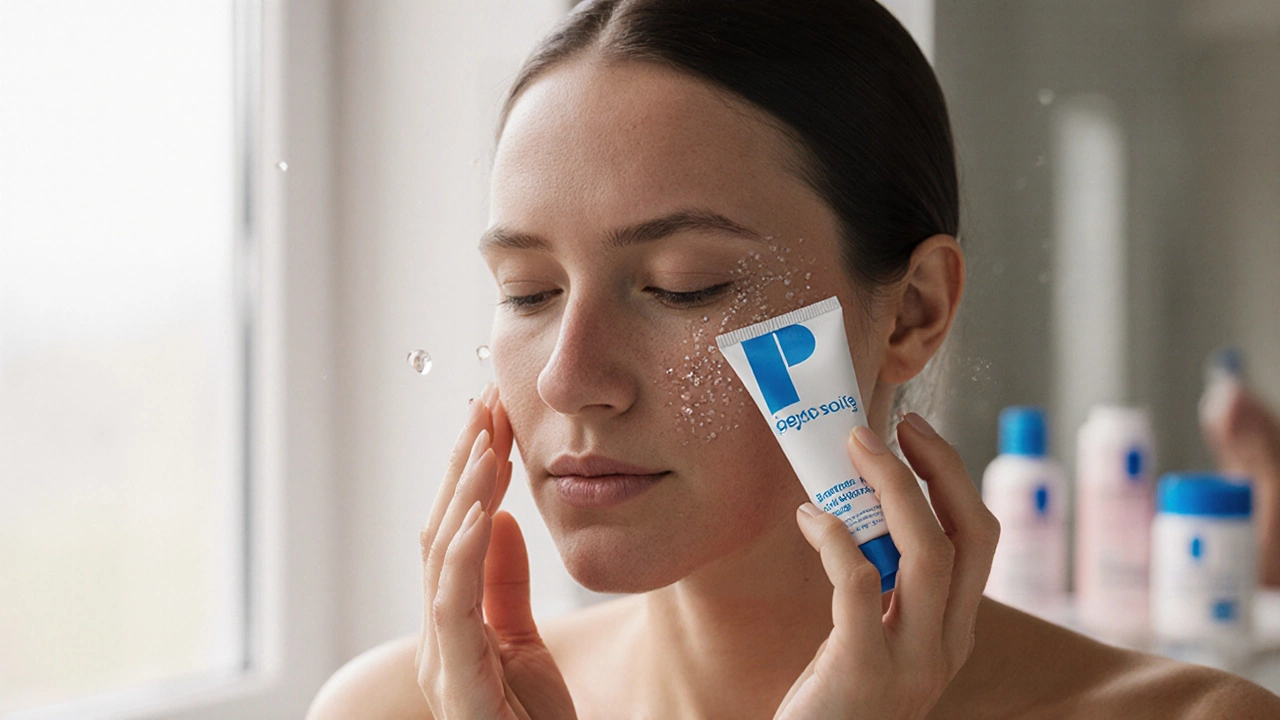
Why La Roche Posay Is Better Than CeraVe for Sensitive Skin
La Roche Posay outperforms CeraVe for sensitive, reactive skin due to its thermal spring water and anti-stinging Neurosensine. CeraVe is great for dry skin, but La Roche Posay calms redness and burning that other products trigger.
Read More
5 Nov 2025
 Skincare