Skincare Layering Timer
Select your products below. The timer will guide you through the recommended wait times between layers to maximize efficacy and minimize irritation.
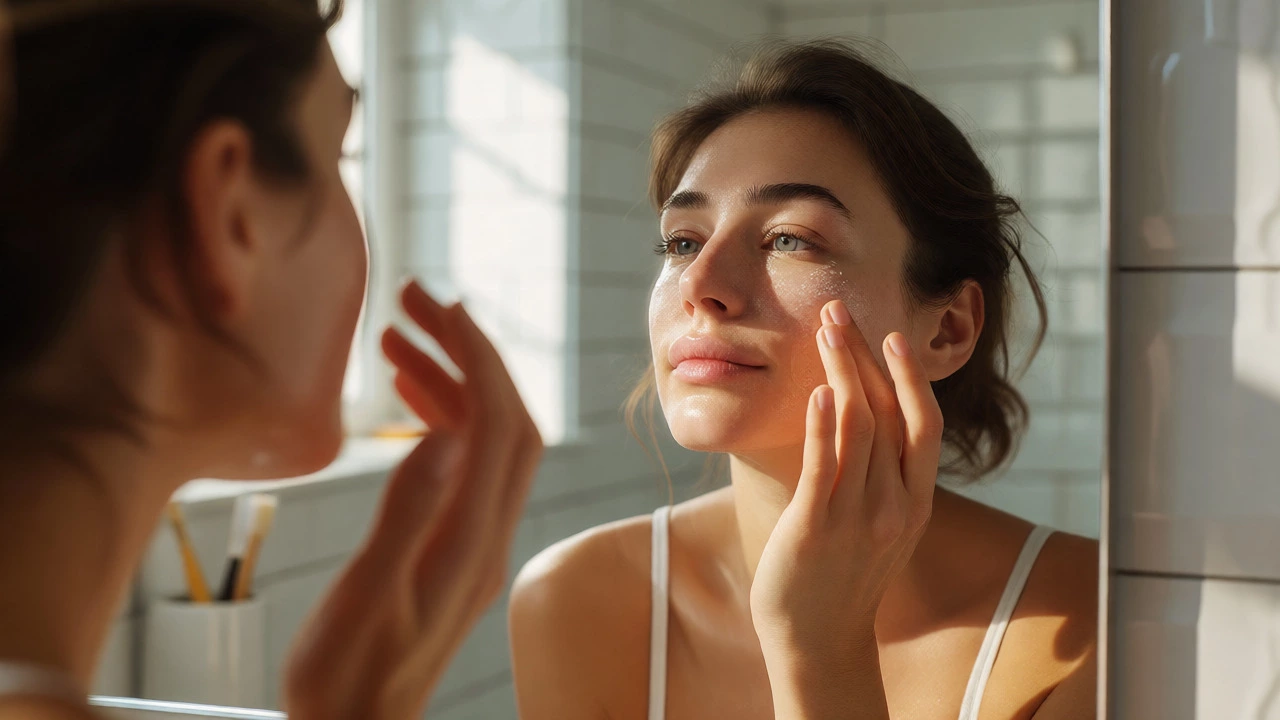
You’re standing in your bathroom, toothbrush still foamy at the corners of your mouth, slapping serum on your face like you’re trying to defuse a bomb. You layer moisturizer immediately after, then sunscreen, and rush out the door. Sound familiar? Most of us treat skincare like a sprint. But here’s the thing: your skin isn’t built for speed. It’s built for patience. And if you want your expensive serums to actually work, you need to slow down.
Enter the 60 Second Rule. This isn’t some arbitrary marketing gimmick invented by luxury brands to sell you more products. It’s a practical guideline rooted in how skin physiology works. The core idea is simple: wait at least 60 seconds between applying different skincare steps. Let one product absorb before you pile the next one on top. Sounds easy, right? Yet most people skip this step entirely, wondering why their retinol causes irritation or why their vitamin C feels sticky instead of brightening.
Why Your Skin Needs Time to Absorb Products
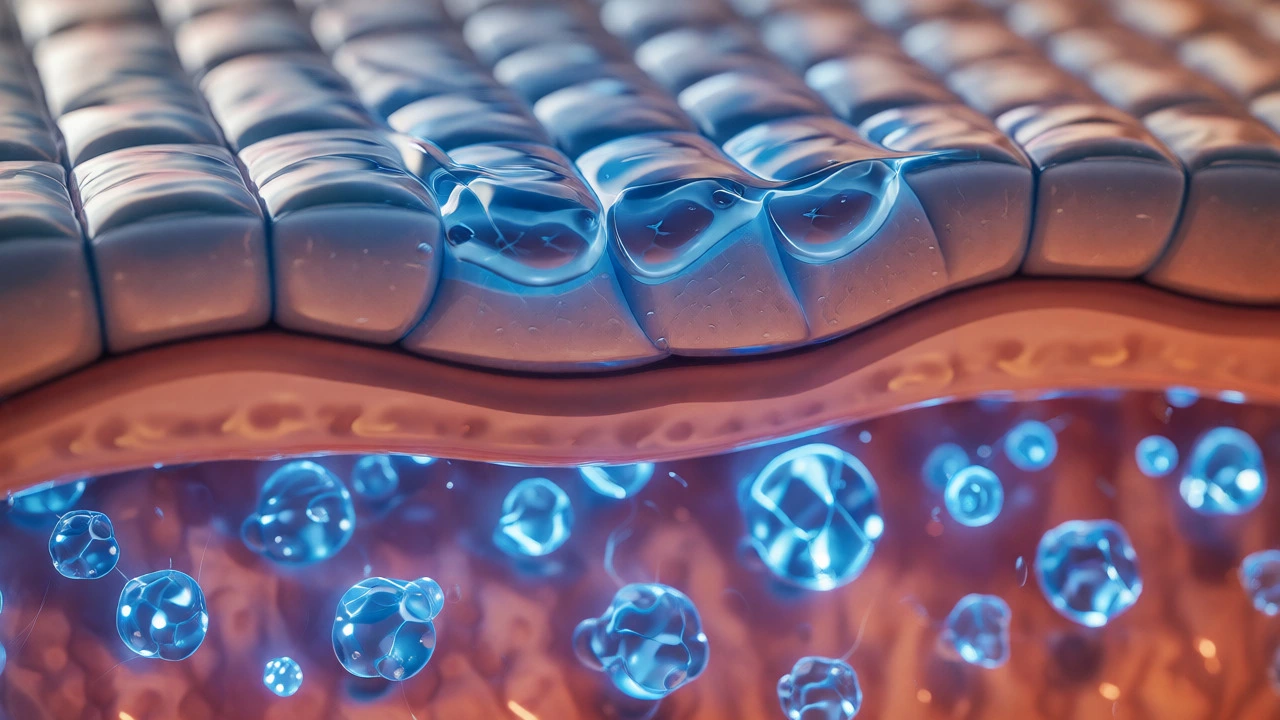
Your skin is a complex organ, not just a canvas. Its outermost layer, the stratum corneum, acts as a protective barrier. Think of it as a brick wall where the bricks are dead skin cells and the mortar is lipids (fats). When you apply a water-based serum, it doesn’t just vanish into thin air. It needs to penetrate those lipid layers to reach the living cells below. If you slap another product on top too quickly, you disrupt this process.
What happens when you rush? Two main things. First, dilution. If your first layer hasn’t set, the second layer can mix with it, changing its pH or consistency. This might sound minor, but for active ingredients like acids or retinoids, pH balance is critical. An acid that’s neutralized by a creamy moisturizer won’t exfoliate properly. Second, pilling. Ever had your foundation roll off your face in little balls? That’s often because you layered incompatible formulas too fast. The polymers in your primer clash with the oils in your moisturizer because they didn’t have time to dry separately.
Waiting allows the vehicle (the liquid carrying the active ingredient) to evaporate or absorb, leaving the active molecule to do its job. It’s like letting paint dry before adding a second coat. If you rush, you get mud, not art.
Which Products Actually Require the Wait?
Not every product in your routine needs a full minute of solitude. Some play nicely together instantly. Others are divas that demand space. Knowing which is which saves you time while protecting your results.
| Product Type | Recommended Wait Time | Why Wait? |
|---|---|---|
| Vitamin C Serum | 60-90 seconds | Needs low pH to stay stable; mixing with higher pH creams deactivates it. |
| Retinol | 1-5 minutes | Highly potent; waiting reduces irritation by allowing initial penetration without buffering. |
| Exfoliating Acids (AHA/BHA) | 2-5 minutes | Requires specific acidic environment; neutralizing it too soon stops the exfoliation process. |
| Hydrating Toners/Essences | 30 seconds | Mostly water and humectants; absorbs quickly but helps prep skin for actives. |
| Moisturizers/Sunscreen | Immediate | These are occlusives; they seal everything in. No need to wait after these unless applying makeup. |
Notice the pattern? The stronger the active ingredient, the longer the wait. Hyaluronic acid, for instance, is a humectant. It grabs water. You don’t need to wait long for it, but you do need to apply moisturizer over it while it’s still damp to lock that hydration in. Retinol, however, is a powerhouse. If you layer a heavy cream over it immediately, you might trap heat and increase sensitivity. Giving it a minute or two lets it settle into the skin matrix first.
The Myth of "Less Is More" vs. "Wait Longer"
Some dermatologists argue that modern formulations are designed to be layered instantly. They point to encapsulated technologies that release ingredients slowly regardless of what goes on top. There’s truth to this. A well-formulated serum from a reputable brand won’t fail just because you waited ten seconds instead of sixty. However, formulation quality varies wildly. Drugstore brands often use cheaper bases that sit on the surface longer. Luxury brands might use sophisticated delivery systems that absorb faster.
If you’re using budget-friendly products, the 60-second rule becomes even more important. Cheaper formulas often lack penetration enhancers, meaning they rely more on time and skin temperature to drive ingredients deeper. Rushing them leaves them sitting on your face, doing nothing but feeling tacky.
Also, consider your skin type. Oily skin tends to absorb products slower because excess sebum creates a hydrophobic barrier. Dry skin absorbs faster but is more prone to irritation from concentrated actives. If you have sensitive skin, extending the wait time to two or three minutes can significantly reduce redness and stinging. It’s not about following a rigid timer; it’s about listening to your skin’s feedback loop.
How to Fit the 60 Second Rule Into a Busy Morning
“I don’t have time to stand around staring at my mirror,” you say. Fair enough. But here’s the trick: multitask. The 60-second rule doesn’t mean you must stand still. It means you shouldn’t touch your face again during that window.
- Brush your teeth: Apply cleanser, rinse, pat dry. Apply toner. Go brush your teeth. By the time you spit and wipe your mouth, 60 seconds have passed. Apply serum.
- Get dressed: Apply essence. Put on socks or underwear. Come back for the serum.
- Make coffee: Start the kettle. Apply eye cream. While the water boils, let it sink in. Then move to the rest of your face.
This approach turns downtime into productive skincare time. You’re not wasting minutes; you’re optimizing them. Plus, there’s a psychological benefit. Taking a moment to breathe and focus on your self-care ritual reduces cortisol levels. High stress worsens acne and aging, so this mini-meditation has double benefits.

Pitfalls to Avoid When Layering
Even with perfect timing, you can mess up your routine. Here are common mistakes that negate the benefits of waiting.
Applying to wet skin: Unless you’re using hyaluronic acid specifically, most actives should go on dry skin. Water dilutes acids and changes their penetration rate. Pat your face completely dry before starting your treatment steps.
Using too much product: If you’re applying a thick glob of serum, it will never fully absorb, no matter how long you wait. You’ll just create a sticky mess. Use pea-sized amounts. Less product absorbs faster and works better.
Ignoring texture order: Always apply from thinnest to thickest. Water-based serums first, then gels, then lotions, then creams, then oils. If you put an oil on first, it blocks water-based ingredients from penetrating. Timing only works if the order is correct.
Sunscreen application: Never wait after sunscreen. Apply it as the final step and let it set for 15 minutes before going outside. This isn’t part of the 60-second layering rule, but it’s crucial for efficacy. Sunscreen needs to form a uniform film on the skin. Rubbing it too soon breaks that film.
When to Break the Rule
Are there exceptions? Yes. If you’re using a “cocktail” product-a single bottle containing multiple actives formulated to work together-follow the manufacturer’s instructions. These are engineered for simultaneous absorption. Also, if you’re in a hurry, skipping the wait is better than skipping the product entirely. Consistency beats perfection. Applying vitamin C immediately followed by moisturizer is still far better than not using vitamin C at all.
Another exception: hydrating layers. If you’re doing the “Korean Glass Skin” method, applying seven layers of lightweight essences, you might only wait 10-15 seconds between each. These products are extremely thin and designed to stack rapidly. The 60-second rule applies primarily to treatments and heavier emollients.
Does the 60 second rule really make a difference?
Yes, particularly for active ingredients like retinoids, acids, and vitamin C. Waiting allows the product to adjust to your skin's pH and begin penetrating the stratum corneum before being diluted or blocked by subsequent layers. While the effect may be subtle with basic moisturizers, it significantly impacts the efficacy and tolerability of high-potency treatments.
Can I apply makeup immediately after skincare?
It is best to wait at least 2-3 minutes after applying your final skincare step (usually moisturizer or sunscreen) before applying makeup. This ensures the skincare has fully set and prevents pilling or sliding. If you apply foundation too soon, it can mix with the unabsorbed products, leading to uneven coverage and reduced longevity.
What happens if I forget to wait?
Nothing catastrophic. Your skin won't break out or age faster just because you rushed once. However, you might experience increased irritation from strong actives or reduced effectiveness of the products. Over time, consistent rushing can lead to chronic inflammation or ineffective routines, so try to build the habit gradually.
Does the 60 second rule apply to night routines too?
Absolutely. Nighttime is when skin repair peaks, making it the ideal time for active ingredients like retinol and peptides. Allowing adequate absorption time ensures these powerful ingredients penetrate deeply rather than sitting on the pillowcase. Plus, since you aren't rushing to leave the house, it's easier to incorporate the wait times into your evening wind-down ritual.
Do I need to wait between cleansing and toning?
You generally do not need to wait between cleansing and toning. In fact, many experts recommend applying toner to slightly damp skin to enhance hydration. The 60-second rule is primarily relevant when moving from treatment steps (serums/acids) to sealing steps (moisturizers/oils).
 Skincare