Organic Skincare Risk Evaluator
Use this tool to evaluate if a specific organic product aligns with your skin needs or if it might pose a risk of irritation or spoilage.
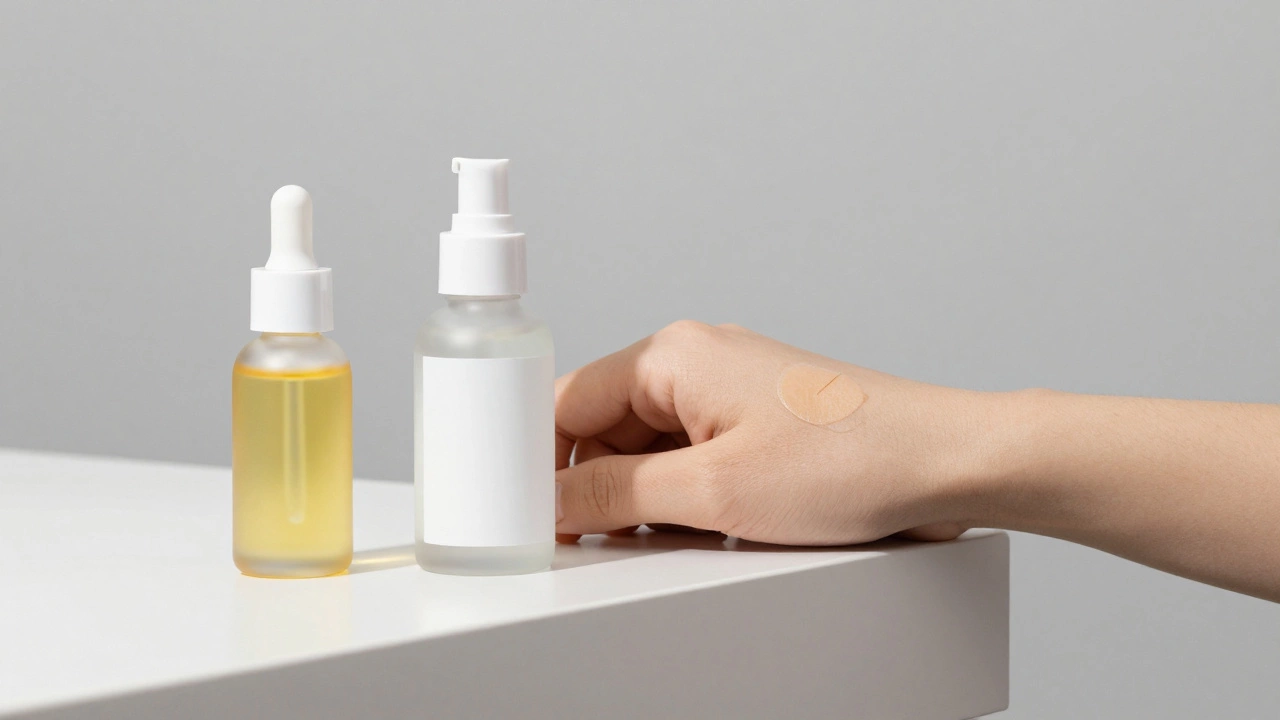
Crucial Step: Always perform a 48-hour patch test on your inner arm before full application.
The Shelf Life Struggle
One of the biggest headaches with organic products is how fast they go bad. Traditional skincare uses synthetic preservatives like parabens or phenoxyethanol to keep bacteria and mold from growing in your cream. Organic brands often swap these for "natural" preservatives or omit them entirely. The result? Your expensive face cream might become a breeding ground for bacteria long before the expiration date suggests.
Have you ever noticed a subtle change in the smell of your organic serum? That's often the first sign of oxidation. When oils go rancid, they create free radicals-the very things we use antioxidants to fight in the first place. Applying oxidized oils to your skin can cause inflammation and accelerate aging, which completely defeats the purpose of using a natural product.
The Allergy Paradox
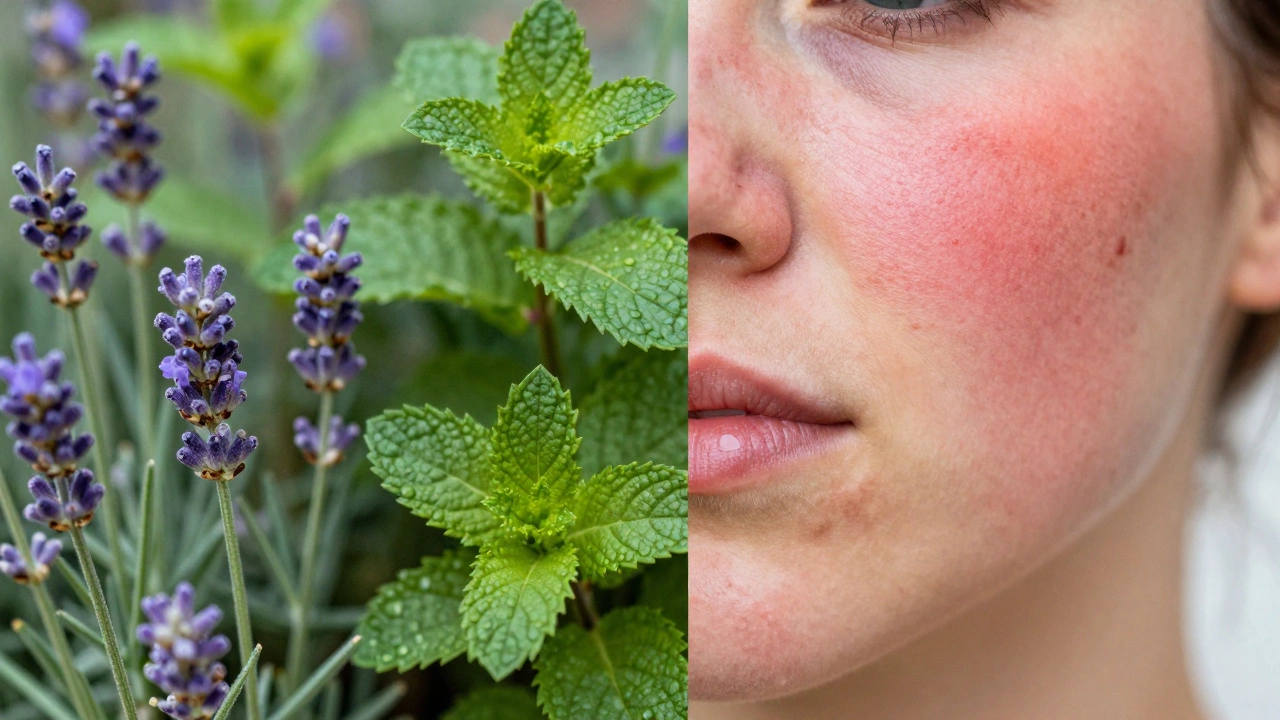
There is a common myth that "natural" equals "gentle." In reality, nature is full of potent irritants. Many organic products rely heavily on Essential Oils to provide fragrance and therapeutic benefits. While they smell great, ingredients like lemon oil, cinnamon, or peppermint can be incredibly harsh on the skin barrier.
For people with sensitive skin or conditions like rosacea, these botanical extracts can trigger contact dermatitis. Synthetic fragrances, while often criticized, are created in labs to be stable and predictable. Natural extracts, however, vary by harvest and batch. A lavender oil from one region might be fine, while another contains a higher concentration of sensitizing compounds that leave your cheeks red and itchy.
Performance and Potency Gaps
If you are looking for heavy hitters to treat deep wrinkles or severe acne, organic options often fall short. Some of the most effective skincare ingredients are synthetic or lab-enhanced because they provide a level of purity and stability that nature can't match. Take Retinoids for example. While organic brands might suggest "Bakuchiol" as a natural alternative, it rarely matches the clinical power of a prescription-strength retinoid in stimulating collagen production.
Similarly, organic sunscreens often rely on Zinc Oxide or titanium dioxide. While these are mineral-based and safe, they often leave a thick white cast on the skin and can be difficult to rub in. Many users find that synthetic chemical filters provide a more seamless, invisible layer of protection, making them more likely to wear sunscreen daily.
| Attribute | Organic Products | Synthetic/Clinical Products |
|---|---|---|
| Preservation | Short shelf life, prone to spoilage | Stable, long-term efficacy |
| Irritation Risk | High (from essential oils/botanicals) | Predictable (controlled purity) |
| Potency | Mild to Moderate | High (concentrated actives) |
| Texture | Can be grainy or oily | Refined and consistent |
The Price Premium and "Greenwashing"
Let's talk about the wallet. Organic ingredients are generally more expensive to source because they require more land and manual labor. This cost is passed directly to you. You'll often find that a small bottle of organic face oil costs twice as much as a clinical alternative, yet it lacks the concentrated active ingredients needed to see a real change in your skin texture.
Then there is the issue of Greenwashing. This is a marketing tactic where brands use green leaves and words like "natural" on the packaging to trick you into thinking a product is organic when it actually contains only 1% organic ingredients. Because the term "natural" isn't strictly regulated by the FDA or other global bodies, companies can claim a product is "botanical" while still filling it with synthetic fillers and dyes.
Packaging and Environmental Ironies
Many people choose organic skincare to save the planet. However, because organic formulas are so unstable, they often require specialized packaging to prevent light and air from ruining the ingredients. This leads to an increase in heavy glass bottles or complex multi-layered plastics that are harder to recycle than the simple tubes used by mainstream brands.
Furthermore, the production of certain organic ingredients can actually be more taxing on the environment. For example, producing a small amount of an organic botanical extract may require vast amounts of water and land, leading to deforestation or soil depletion in specific regions. It is a strange irony where a "natural" choice might have a larger carbon footprint than a lab-grown synthetic version.
How to Navigate the Middle Ground
You don't have to choose between "toxic chemicals" and "ineffective plants." The smartest approach is often a hybrid routine. Use organic products for gentle hydration and basic cleansing, but look to clinical, science-backed formulas for targeted treatments like acne medication or anti-aging serums.
Always perform a patch test on your inner arm for 48 hours before applying any new organic product to your face. This is crucial because natural allergens can sneak into any batch of organic oil. Also, keep an eye on the "Period After Opening" (PAO) symbol-the little open jar icon on the label. If an organic cream says 6M, toss it after six months, even if there is still product left.
Are organic skincare products safer for sensitive skin?
Not necessarily. Many organic products contain essential oils and plant extracts that are common allergens. For some, a carefully formulated synthetic product with fewer fragrance triggers is actually safer than an "all-natural" one.
Why do organic creams spoil faster?
Organic products avoid synthetic preservatives like parabens. Natural alternatives are often less effective at preventing the growth of bacteria, yeast, and mold, especially when exposed to air and moisture in a bathroom.
Can I use organic skincare for severe acne?
While some organic ingredients like tea tree oil can help mild breakouts, severe acne usually requires clinical ingredients like benzoyl peroxide or salicylic acid, which are more effective and consistent in their delivery.
How can I tell if an organic product has gone bad?
Look for a change in smell (a rancid, oily, or sour scent), a change in color (yellowing or darkening), or a separation of the liquid and cream that doesn't mix back in when shaken.
What is the difference between "natural" and "organic"?
"Natural" is a loose marketing term that can mean almost anything. "Organic" is a more regulated term implying the ingredients were grown without synthetic pesticides, though the final product can still contain non-organic processed ingredients.
 Skincare