Personalized Hair Care Routine Builder
Your Recommended Essentials
Daily Usage Routine
Walk down the hair care aisle of any major retailer today, and you might feel a sudden wave of anxiety. The shelves are packed with bottles promising everything from "cloud-like volume" to "glass-hair shine." It’s easy to walk out with a cart full of expensive serums, masks, and treatments that end up gathering dust on your bathroom counter. But here is the truth: you do not need twenty different products to have healthy hair. In fact, using too many can often do more harm than good by weighing hair down or causing product buildup.
The goal isn't to buy the most items; it's to buy the right ones for your specific hair type and goals. Whether you have fine, straight strands or thick, curly coils, a solid routine relies on a few core categories. Let’s break down exactly what products you need, why they matter, and how to choose them without breaking the bank.
The Non-Negotiables: Cleansing and Conditioning
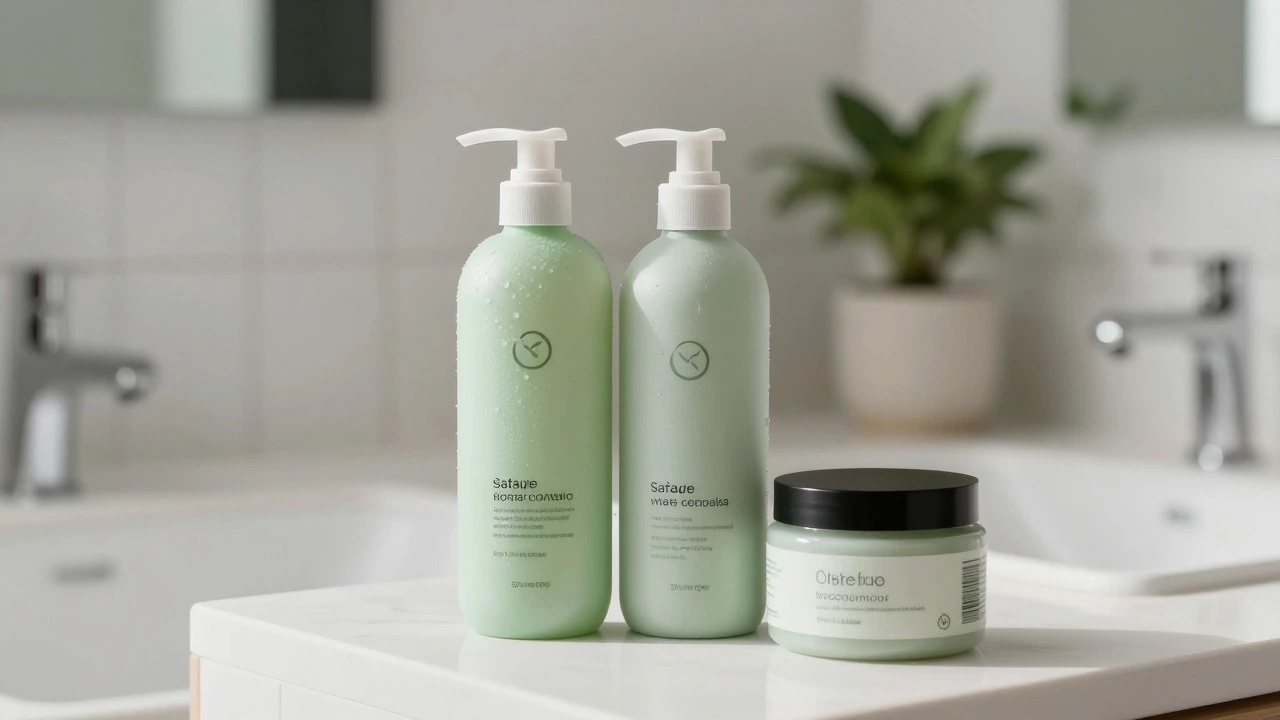
Every hair care routine starts with two things: shampoo and conditioner. These are the foundation. If you skip these, nothing else will work effectively because your hair will be either too dirty to absorb nutrients or too dry to look healthy.
Shampoo is a cleansing agent designed to remove dirt, excess oil, and product buildup from the scalp and hair shaft. Not all shampoos are created equal. Your choice should depend heavily on your scalp type rather than just your hair texture. If you have an oily scalp, you need a clarifying shampoo that contains sulfates like sodium lauryl sulfate (SLS) or milder alternatives like coco-glucoside to strip away sebum. However, if you have dry or color-treated hair, harsh sulfates can strip natural oils, leading to brittleness. In that case, look for sulfate-free formulas enriched with hydrating ingredients like glycerin or panthenol.
Conditioner works differently. While shampoo cleanses, conditioner smooths the hair cuticle. Think of the cuticle as the shingles on a roof. When hair is wet or damaged, those shingles lift up, causing friction and frizz. Conditioner contains cationic surfactants-ingredients that carry a positive charge-which bind to the negatively charged hair strand to seal those shingles back down. This reduces static, makes detangling easier, and locks in moisture. For best results, apply conditioner mainly to the mid-lengths and ends of your hair, avoiding the scalp unless you have a specific dry-scalp formula.
- For oily hair: Use a lightweight, volumizing shampoo daily or every other day, and a light conditioner only on the ends.
- For dry/curly hair: Wash less frequently (1-2 times a week) with a creamy, sulfate-free shampoo, followed by a rich, moisturizing conditioner.
- For color-treated hair: Stick to color-safe, sulfate-free shampoos to prevent fading.
The Game Changer: Leave-In Treatments and Oils
If shampoo and conditioner are the basics, leave-in treatments are the upgrade that transforms dull hair into something manageable and shiny. This category includes leave-in conditioners, hair oils, and serums. Many people confuse these, but they serve slightly different purposes.
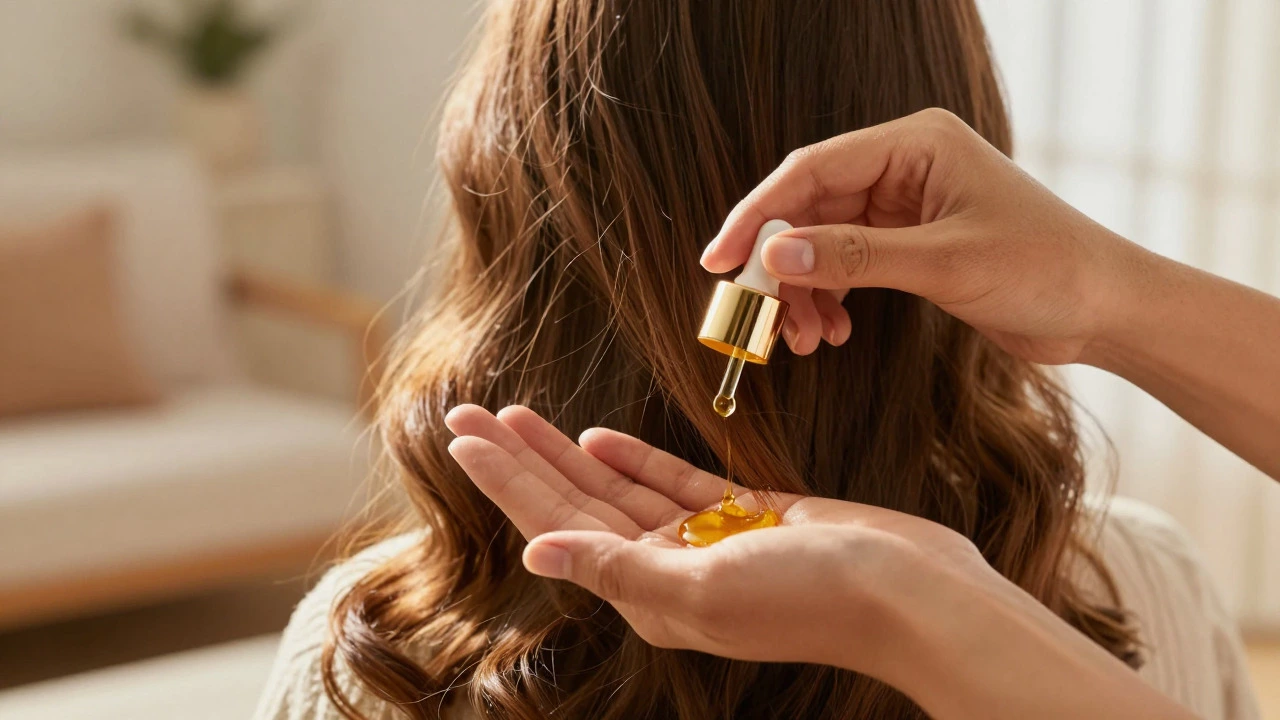
Hair Oil is a concentrated treatment applied to damp or dry hair to seal in moisture, add shine, and reduce frizz. Natural oils like argan oil, jojoba oil, and coconut oil are popular for good reason. Argan oil is rich in vitamin E and fatty acids, making it excellent for taming flyaways without weighing hair down. Coconut oil, however, has small molecules that can penetrate the hair shaft, providing deep hydration for porous hair types. Be careful with coconut oil if you have low-porosity hair or protein-sensitive hair, as it can sometimes cause buildup or stiffness.
A leave-in conditioner is lighter than an oil. It provides ongoing hydration throughout the day. If you have curly or coily hair, a leave-in cream is essential to maintain definition and prevent shrinkage. Apply it to soaking wet hair before scrunching or styling. For fine hair, a few drops of a lightweight serum at the ends can provide enough slip and shine without making your hair look greasy.
Protection: Heat Protectants and UV Defense
How often do you use a blow dryer, flat iron, or curling wand? If the answer is more than once a week, you absolutely need a heat protectant. Heat damage is cumulative and irreversible. Once the protein structure of your hair is broken by high heat, no amount of conditioner will fix it. A heat protectant creates a thermal barrier between your hair and the hot tool.
Look for sprays or creams containing ingredients like dimethicone, cyclomethicone, or natural alternatives like sunflower seed extract. These ingredients coat the hair strand, reducing water loss and preventing the cuticle from scorching. Apply it evenly to dry or towel-dried hair before styling. Don’t skimp on this step-it’s the difference between shiny, bouncy hair and brittle, straw-like ends.
We also tend to forget about the sun. Just like your skin, your hair suffers from UV radiation. Sun exposure can fade color, dry out strands, and weaken the protein bonds. If you spend a lot of time outdoors, consider a UV-protectant spray or a hat. Some modern leave-in conditioners now include UV filters, so check your labels.
Scalp Health: The Root of Good Hair
You’ve probably heard the phrase "healthy hair grows from a healthy scalp," but it’s often overlooked in product routines. Your scalp is living skin. If it’s congested, inflamed, or overly dry, your hair won’t grow optimally.
Scalp Scrub is an exfoliating treatment that removes dead skin cells and product buildup from the scalp surface. Using a scalp scrub once a week can help unclog follicles and improve circulation. Look for physical exfoliants like jojoba beads or chemical exfoliants like salicylic acid, which dissolves oil and debris. If you suffer from dandruff, a medicated shampoo containing zinc pyrithione or ketoconazole is more effective than a general scrub.
On the flip side, if your scalp feels tight or itchy after washing, you might need a scalp serum. These are lightweight liquids infused with soothing ingredients like aloe vera, tea tree oil, or niacinamide. They hydrate the skin without adding weight to the hair. Applying a serum directly to the part line can make a huge difference in comfort and health.
Weekly Maintenance: Masks and Deep Conditioners
Regular conditioner maintains daily moisture, but it doesn’t repair significant damage. That’s where hair masks come in. Think of a mask as a heavy-duty version of your conditioner. They contain higher concentrations of emollients, proteins, and humectants.
Hair Mask is an intensive treatment applied for 5-20 minutes to deeply hydrate, repair, or strengthen hair. How often should you use one? Generally, once a week is sufficient for most hair types. If your hair is chemically treated or very dry, you might benefit from twice-weekly applications. Overdoing it, however, can lead to hygral fatigue, where the hair swells and shrinks too much, becoming weak.
Choose your mask based on your primary concern:
- Hydration: Look for hyaluronic acid, honey, or shea butter.
- Strength/Repair: Look for hydrolyzed proteins like keratin, wheat protein, or silk amino acids.
- Clarification: Look for clay-based masks if you have heavy product buildup.
Choosing Based on Your Hair Type
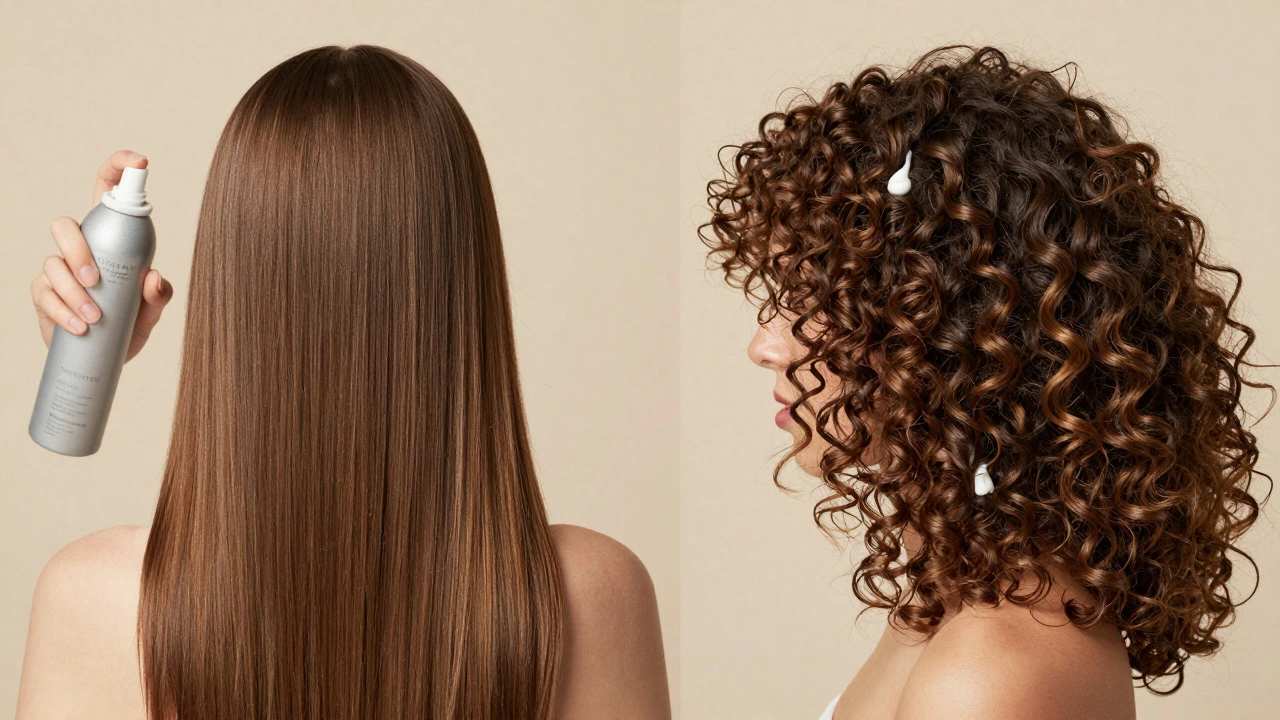
To simplify the decision-making process, here is a quick guide to matching products with your hair profile.
| Hair Type | Key Needs | Recommended Products | Ingredients to Avoid |
|---|---|---|---|
| Fine / Straight | Volume, Lightness | Volumizing shampoo, lightweight mousse, dry shampoo | Heavy oils, silicones like dimethicone (can weigh down) |
| Thick / Wavy | Frizz Control, Definition | Creamy conditioner, curl-defining cream, light oil | Alcohol-heavy drying agents |
| Curly / Coily | Moisture, Elasticity | Sulfate-free shampoo, rich leave-in conditioner, heavy butter/oil | Drying alcohols, harsh sulfates |
| Color-Treated | Color Retention, Shine | Color-safe shampoo, UV protectant, purple shampoo (for blondes) | Sulfates, high heat without protection |
| Dry / Damaged | Repair, Hydration | Protein-rich mask, bond-building treatment, argan oil | Excessive heat, clarifying shampoos too often |
Common Mistakes to Avoid
Even with the right products, bad habits can ruin your hair. One common error is applying conditioner to the scalp. Unless you have a specific scalp-conditioning product, this can clog pores and lead to greasy roots. Another mistake is brushing wet hair aggressively. Wet hair is in its weakest state; the hydrogen bonds that give hair strength are temporarily broken by water. Use a wide-tooth comb or a detangling brush designed for wet hair, starting from the ends and working your way up.
Also, don’t ignore the importance of water quality. Hard water contains minerals like calcium and magnesium that can build up on hair, making it feel rough and look dull. If you live in an area with hard water, consider installing a shower filter. It’s a small investment that can make your existing products work much better.
Building Your Routine Step-by-Step
Start simple. Buy a good shampoo and conditioner suited to your hair type. Use them consistently for two weeks. Assess how your hair feels. Is it still dry? Add a weekly hair mask. Is it frizzy? Add a leave-in conditioner or oil. Do you style with heat? Add a heat protectant. Build your routine layer by layer, adding only what solves a specific problem. This approach saves money and prevents product overload.
How often should I wash my hair?
There is no one-size-fits-all answer. People with oily scalps may need to wash daily or every other day. Those with dry, curly, or color-treated hair often benefit from washing only 1-2 times a week. Listen to your scalp; if it feels itchy or greasy, it’s time to cleanse. If it feels tight or flaky, you might be washing too often.
Do I really need a separate heat protectant if my hairspray says it protects against heat?
It depends on the product. Many finishing sprays offer minimal heat protection, usually up to 350°F. If you use tools that go higher, or if you’re doing multiple passes with a flat iron, a dedicated heat protectant spray or cream is safer. Dedicated protectants form a more robust barrier and often include conditioning benefits that finishing sprays lack.
What is the difference between a hair serum and a hair oil?
Hair serums are typically silicone-based (like dimethicone) and create a smooth, slippery coating on the hair surface to block humidity and add shine. They are great for fine hair. Hair oils are lipid-based (like argan or jojoba) and can penetrate the hair shaft to provide nourishment. Oils are better for dry, coarse, or curly hair but can weigh down fine strands if used excessively.
Can I use coconut oil on my hair every day?
For most people, daily application of coconut oil is unnecessary and can lead to buildup or protein sensitivity, making hair stiff. It’s best used as a pre-wash treatment once a week or a small amount as a finisher for very dry ends. Lighter oils like argan or grapeseed are better suited for frequent use.
Why does my hair feel dry even after using conditioner?
This could be due to several factors: hard water mineral buildup, using a shampoo that is too harsh for your hair type, or not applying enough conditioner. It might also indicate that your hair needs protein rather than just moisture. Try a clarifying shampoo to reset your hair, then switch to a sulfate-free cleanser and a richer conditioner or mask.
 Skincare