Build Your Perfect Pre-Makeup Routine
Customize Your Routine
Recommended Routine:
Select your options and click Generate to see your personalized step-by-step guide.
You’ve spent twenty minutes blending your foundation, only to watch it separate into white streaks by noon. Or maybe your concealer looks cakey and cracked the moment you smile. It’s frustrating, but here is the hard truth: no amount of expensive foundation can fix a bad base. The secret to makeup that actually lasts isn’t in the brush strokes; it’s in what you put on your face *before* you pick up a single cosmetic product.
Think of your skin like a canvas. If the canvas is rough, dry, or oily, the paint won’t stick properly. In Sydney, where we swing between humid summers and cool, dry winters, your pre-makeup routine needs to be flexible. You aren't just applying products; you are creating a smooth, hydrated, and protected surface that allows color cosmetics to sit evenly on top.
The Non-Negotiable First Step: Cleansing
Before we talk about hydration or primers, we have to address the blank slate. Applying makeup over residual oil, dead skin cells, or leftover skincare from the night before is a recipe for disaster. Your pores get clogged faster, and products pill (that annoying balling-up effect) because they have nothing clean to adhere to.
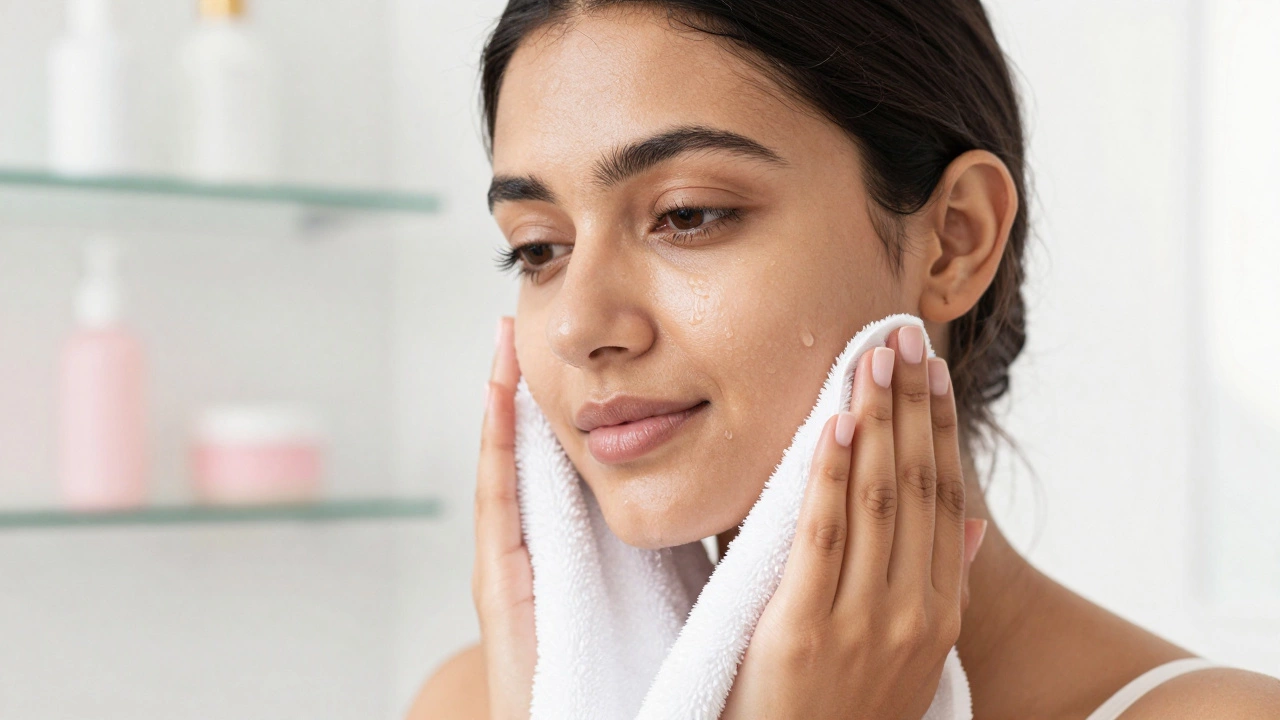
Use a gentle cleanser suited to your skin type. If you have oily skin, look for something with salicylic acid to clear out pores without stripping moisture. For dry skin, a creamy, non-foaming cleanser works best. The goal is to remove impurities without disrupting your skin barrier. Once your face is clean and damp, pat it gently with a towel. Never rub. Rubbing creates friction that leads to redness, which your foundation will only highlight later.
Hydration Is Key: Toner and Essence
Many people skip toner, thinking it’s an outdated step. But modern toners are different from the harsh, alcohol-based ones of the past. Today, they are hydrating boosters. After cleansing, your skin’s pH might be slightly off, especially if you use tap water which can be alkaline. A good toner restores that balance.
If you live in a dry climate or spend hours in air-conditioned offices, consider adding an essence. Essences are lightweight liquids packed with active ingredients like hyaluronic acid or fermented extracts. They penetrate deeper than toners but are lighter than serums. This step ensures your skin is plump and hydrated. Dehydrated skin makes foundation look patchy and accentuates fine lines. Hydrated skin reflects light beautifully, giving you that "glass skin" glow even under matte makeup.
Treatment Layer: Serums for Specific Concerns
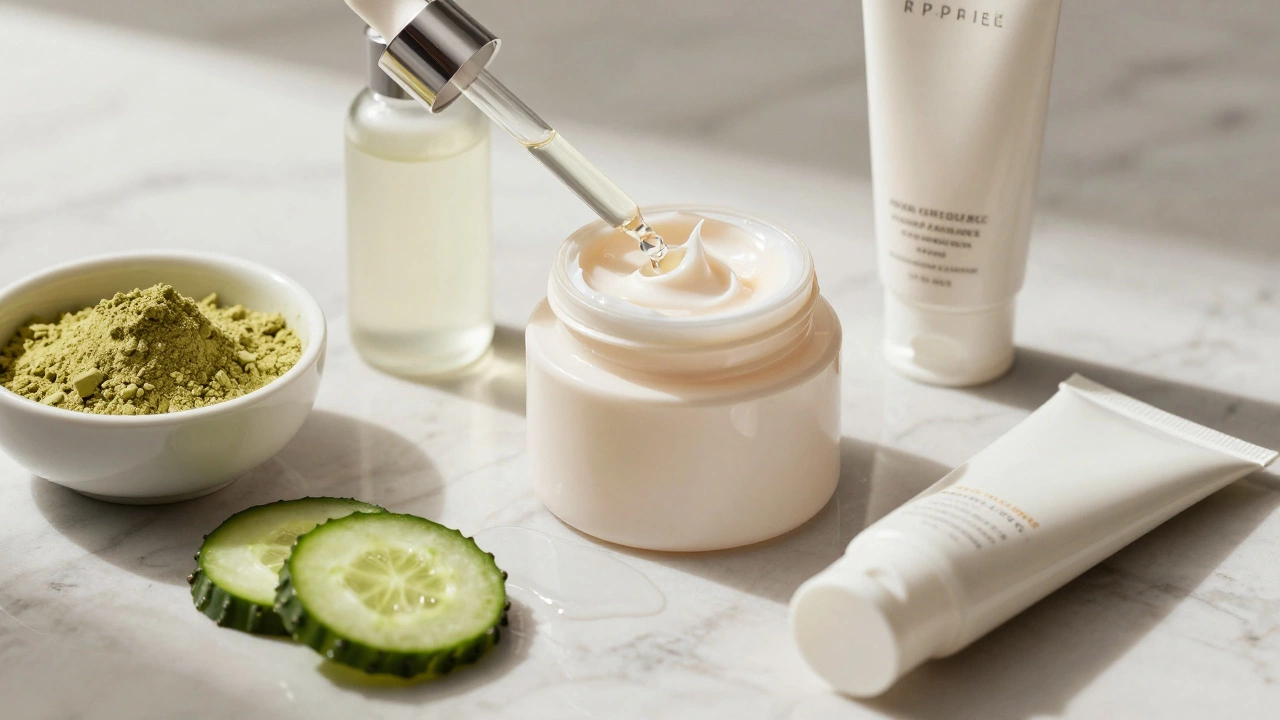
This is where you target specific issues. Do you have dark spots? Use a vitamin C serum. Are you worried about aging? Retinol is great at night, but during the day, peptides or niacinamide work wonders. Niacinamide is particularly useful before makeup because it helps regulate oil production and minimizes the appearance of pores.
Apply your serum while your skin is still slightly damp from the toner or essence. This locks in the hydration. Remember, less is more here. You don’t need a thick layer. Two to three drops massaged into the skin are enough. Let it absorb for about 60 seconds. If you rush this step and apply moisturizer immediately, the serum might not penetrate, leaving a sticky residue that interferes with subsequent layers.
The Moisture Barrier: Choosing the Right Moisturizer
Moisturizer seals everything in. Without it, your serums evaporate, and your skin feels tight. But choosing the wrong texture can ruin your makeup finish. If you have oily skin and use a heavy cream, your makeup will slide right off. If you have dry skin and use a watery gel, your makeup will cling to dry patches.
- Oily/Combination Skin: Opt for an oil-free, gel-based moisturizer. Look for terms like "non-comedogenic" (won’t clog pores). Ingredients like squalane provide hydration without the grease.
- Dry Skin: Go for a richer cream with ceramides or shea butter. You need that occlusive layer to prevent water loss throughout the day.
- Sensitive Skin: Stick to fragrance-free formulas with soothing ingredients like aloe vera or oat extract.
Wait at least two to three minutes after applying moisturizer before moving to the next step. This waiting period is crucial. If your skin is still slick with product, your sunscreen and primer will mix together rather than layering correctly, leading to pilling.
Protection: Sunscreen as the Final Skincare Step
In Australia, sun protection is not optional; it’s a health necessity. UV rays break down collagen and cause hyperpigmentation, making your makeup look dull over time. More importantly, many makeup foundations do not offer sufficient SPF coverage unless you apply them in thick, cakey layers, which nobody wants.
Apply a broad-spectrum SPF 30 or higher as the last step of your skincare routine. Chemical sunscreens tend to feel lighter and disappear better under makeup, while mineral sunscreens (zinc oxide/titanium dioxide) can sometimes leave a white cast or feel heavier. If you’re prone to breakouts, look for a "dry touch" or "matte finish" sunscreen. These formulations are designed specifically to control shine and provide a smooth base for foundation.
Give your sunscreen five minutes to set. This allows the film-forming agents to bind to your skin. If you apply primer too soon, you’ll disrupt this protective barrier, reducing its effectiveness and causing your makeup to slip.
The Bridge Between Skincare and Makeup: Primer
Now we enter the realm of cosmetics, but primer is technically a preparatory product. Its job is to fill in imperfections and create a uniform surface. Think of it like spackling paste for drywall. You wouldn’t paint over cracks; you’d fill them first.
Not everyone needs primer, but if you have specific concerns, it can make a huge difference:
- Pore-Filling Primers: Usually silicone-based, these blur the look of enlarged pores, especially on the nose and cheeks.
- Hydrating Primers: Great for dry skin, these add a dewy glow and prevent flaking.
- Color-Correcting Primers: Green neutralizes redness, peach cancels out dark circles, and lavender brightens sallow skin.
- Grip Primers: These contain tacky ingredients that help long-wear foundations adhere to the skin for up to 16 hours.
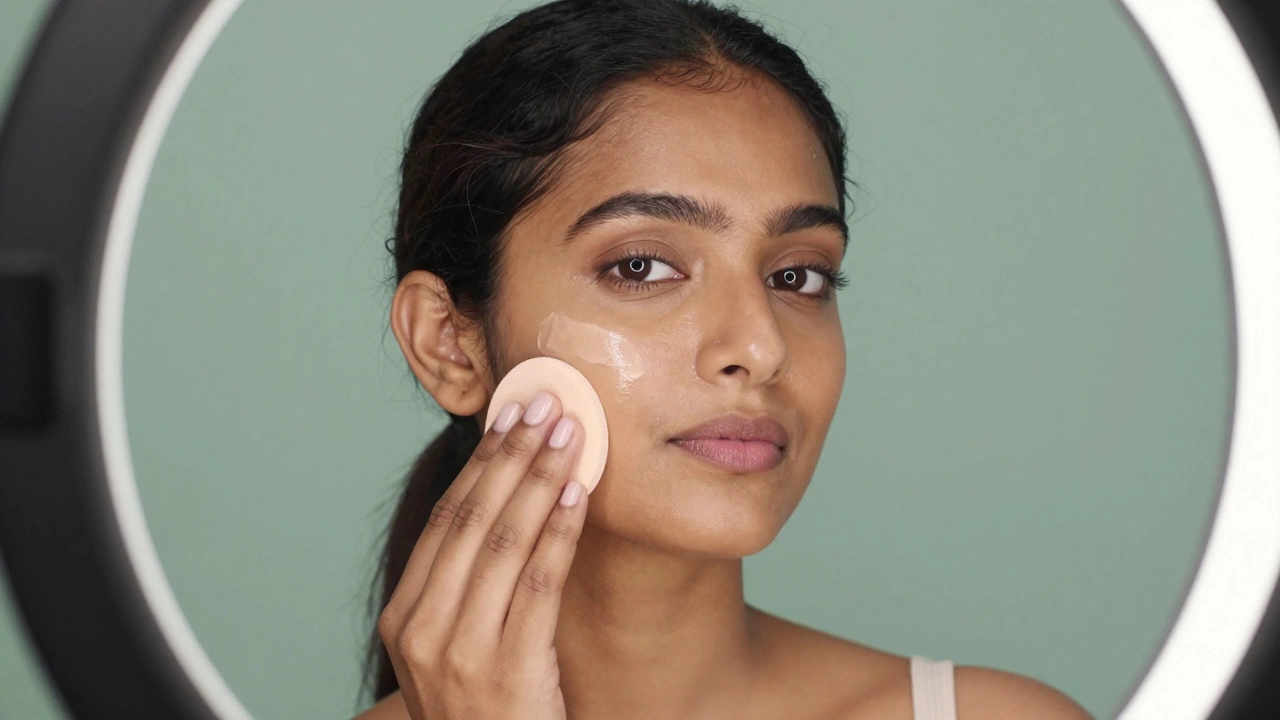
Apply primer sparingly. A pea-sized amount is usually enough for the entire face. Focus on areas where you wear the most product-like the T-zone for oil control or under eyes for concealer longevity. Blend it outwards using your fingers or a sponge. Again, wait a minute for it to settle before applying foundation.
| Skin Type | Cleanser | Moisturizer | Sunscreen | Primer |
|---|---|---|---|---|
| Oily | Salicylic Acid Gel | Oil-Free Gel Cream | Matte Finish SPF 50+ | Pore-Filling Silicone |
| Dry | Cream Cleanser | Rich Ceramide Cream | Hydrating Lotion SPF 30 | Hydrating/Dewy Primer |
| Combination | Gentle Foam Cleanser | Lightweight Lotion | Balanced Fluid SPF 45 | Grip/Matte Hybrid |
| Sensitive | Micellar Water/Cream | Fragrance-Free Balm | Mineral Zinc SPF 50 | Soothing/Green-Tinted |
Common Mistakes That Ruin Your Base
Even with the right products, technique matters. One of the biggest errors I see is layering too many products. If you’re using a rich serum, a heavy moisturizer, a thick sunscreen, and a dense primer, you’re building a wall that your foundation cannot penetrate. It will sit on top, crack, and slide off. Simplify. If your moisturizer is very hydrating, you might skip the serum. If your sunscreen has moisturizing properties, you might skip the separate lotion.
Another mistake is not letting each layer dry. Skincare products need time to absorb. Rushing through the routine means mixing wet ingredients, which alters their chemical structure and reduces efficacy. Patience is key. Take five to ten minutes for your pre-makeup routine. It’s an investment in how your makeup performs for the next eight hours.
Also, avoid applying eye cream directly under concealer without waiting. Eye creams are often richer and can dissolve concealer, leading to creasing. Apply eye cream, let it fully absorb, then apply a tiny bit of primer if needed, followed by concealer.
Adjusting for Season and Environment
Your routine shouldn’t be static. In Sydney summer, humidity can melt makeup quickly. Switch to lighter, water-based products and focus on mattifying primers. In winter, when the wind blows off the harbor and indoor heating dries out the air, switch to richer creams and hydrating mists. You might even spray a setting mist between your skincare and makeup steps to lock in hydration.
Understanding what product to use before makeup isn’t about following a rigid rulebook. It’s about listening to your skin. Is it feeling tight? Add more hydration. Is it shiny? Cut back on oils. By mastering this foundational layer, you ensure that your makeup enhances your features rather than fighting against your skin’s natural texture.
Do I really need a primer if I use good foundation?
While high-quality foundations are improving, primer serves a different function. Foundation provides coverage and color; primer provides texture correction and longevity. If you have large pores, excessive oiliness, or want your makeup to last all day, primer is highly recommended. However, if you have normal skin and use a lightweight tinted moisturizer, you might skip it.
What order should I apply skincare before makeup?
The general rule is thinnest to thickest consistency. Start with cleanser, then toner, essence, serum, moisturizer, sunscreen, and finally primer. This ensures that lighter, water-based products can penetrate the skin before heavier, oil-based products seal them in.
How long should I wait between skincare steps?
You don’t need to wait forever, but give each product at least 30 to 60 seconds to absorb. For moisturizer and sunscreen, wait 2 to 3 minutes. The skin should feel hydrated but not slick or sticky before you apply the next layer. This prevents pilling and ensures even application.
Can I skip moisturizer if my foundation is hydrating?
It depends on your skin type. If you have very oily skin, you might get away with skipping a heavy moisturizer, but you still need some hydration. However, for most skin types, skipping moisturizer leads to dehydration, which causes makeup to cling to dry patches. Even oily skin benefits from a lightweight, oil-free moisturizer to maintain barrier health.
Why does my makeup pill after applying sunscreen?
Pilling usually happens when incompatible ingredients mix, such as silicones in one product and water-based polymers in another. It can also occur if you apply products too quickly before they’ve absorbed. Try waiting longer between steps, or switch to a sunscreen with a similar base (silicone or water) to your primer and foundation.
 Skincare