Glass Skin Routine Checker
Assess your current habits to see how close you are to achieving that luminous, translucent "glass skin" look through organic hydration.
Fill out the form to get your personalized skincare assessment.
Analysis
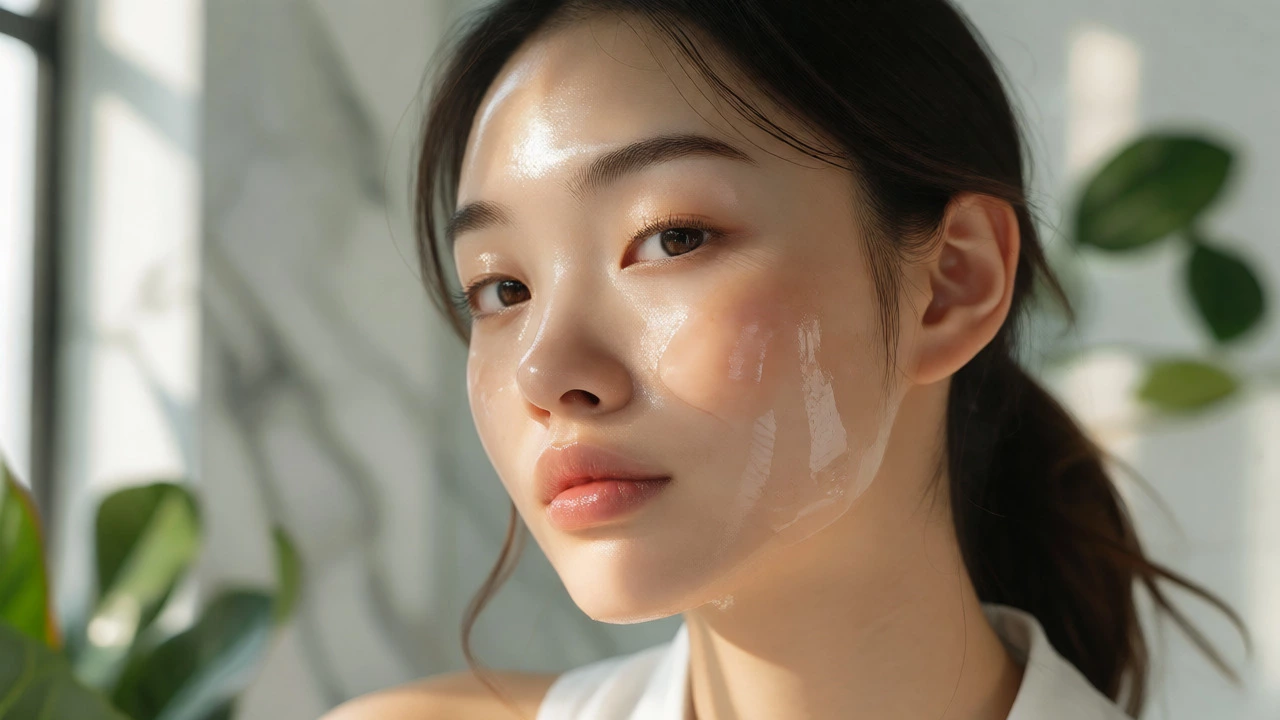
You’ve seen those photos. You know the ones-faces so luminous and translucent they look like polished jade or wet glass. It’s not just good lighting or a filter; it’s Korean glass skin. But here is the twist that most Western beauty blogs miss: achieving this isn’t about slapping on more expensive creams. It’s about a fundamental shift in how you think about your skin barrier. If you are tired of dull, flaky complexions despite spending a fortune on products, the answer likely lies in the disciplined, layered approach of K-beauty, specifically when paired with gentle, organic ingredients.
Why Your Current Routine Might Be Failing
Most people treat dryness by adding oil. Think about it: if your face feels tight after washing, you probably reach for a heavy moisturizer. That’s logical, but often ineffective. In the world of organic skincare, the focus shifts from occlusion (trapping water) to humectancy (drawing water in). If your skin lacks water, no amount of shea butter will make it glow. It will just feel greasy while still looking flat.
The secret isn't one magic serum. It's the concept of "chok chok," a Korean term meaning moist and dewy. This state requires a healthy stratum corneum-the outermost layer of your skin. When this barrier is compromised by harsh sulfates or over-exfoliation, it cannot hold water. The result? Dullness. To get that glass-like reflection, you need to repair the barrier first, then flood it with lightweight hydration.
The Core Pillars of the Glass Skin Method
Achieving this look requires consistency, not complexity. Here are the three non-negotiable pillars that define the routine:
- Double Cleansing: Removing all makeup and sunscreen before using a water-based cleanser.
- Layered Hydration: Applying multiple thin layers of toners, essences, and serums instead of one thick cream.
- Sun Protection: Daily use of SPF to prevent UV damage from breaking down collagen and causing hyperpigmentation.
Step-by-Step: Building Your Organic Glass Skin Routine
You don’t need ten steps. You need five specific actions performed correctly. Let’s break down the morning and evening protocols using accessible, organic-friendly ingredients.
Morning: Protect and Hydrate
Your morning routine should be quick but potent. The goal is to prep your skin for the day without weighing it down.
- Gentle Cleanser: Skip the foaming washes that strip natural oils. Use a low-pH, creamy cleanser. Look for ingredients like Centella Asiatica (Cica), which soothes inflammation and strengthens the barrier.
- Hydrating Toner: Apply a watery toner with your hands, not cotton pads. Pat it gently into damp skin. Ingredients like hyaluronic acid or fermented rice water work best here.
- Essence or Serum: This is the heart of K-beauty. An essence is thinner than a serum but more active than a toner. For glass skin, look for ferment filtrates. These broken-down molecules penetrate deeper, providing nutrients that boost cell turnover.
- Lightweight Moisturizer: Choose a gel-cream texture. If you have oily skin, you might skip this step entirely if your essence is rich enough.
- SPF 50+: Non-negotiable. Sunscreen prevents the dark spots that ruin the "clear" aspect of glass skin. Opt for mineral sunscreens with zinc oxide if you have sensitive skin, as they sit on top rather than absorbing into the bloodstream.
Evening: Repair and Restore
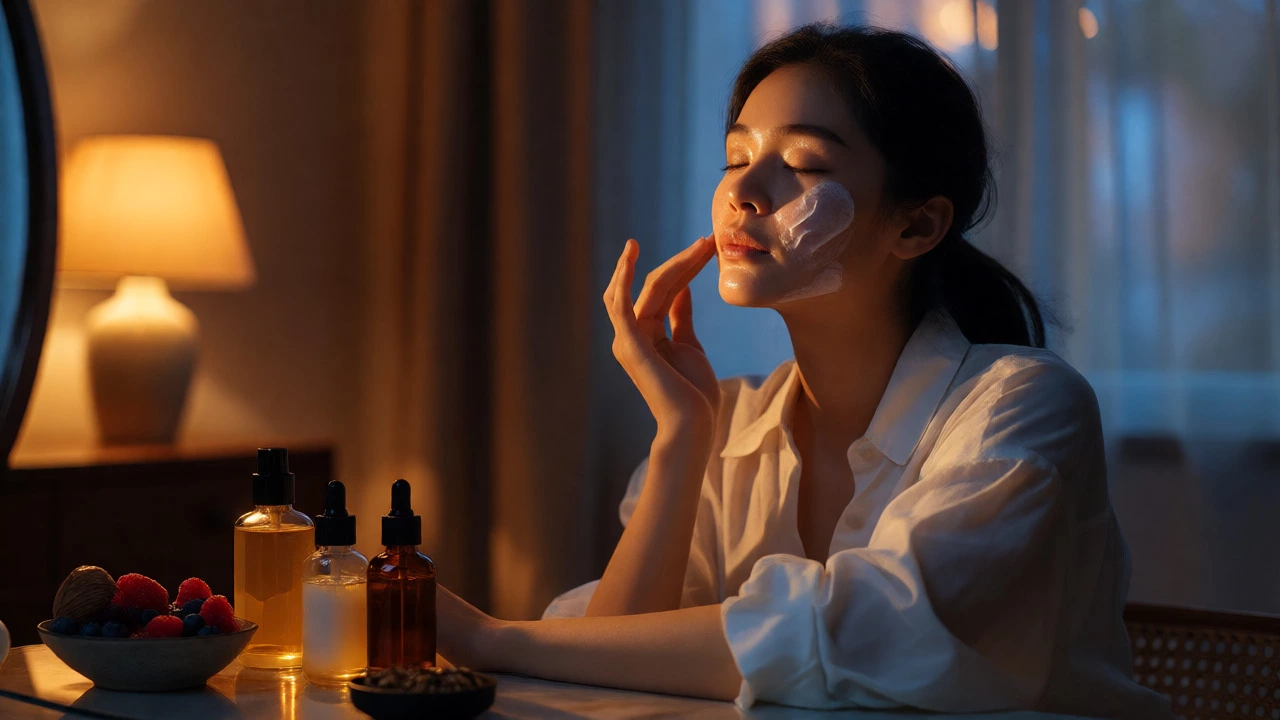
Nighttime is when your skin repairs itself. This is where the heavy lifting happens.
- Cleansing Oil/Balm: Start with an oil-based cleanser. Massage it into dry skin for 60 seconds. This dissolves sebum, sunscreen, and makeup. Rinse with lukewarm water.
- Water-Based Cleanser: Follow up with a gentle foam to remove any residue. This ensures your pores are truly clean.
- Exfoliation (2-3 times a week): Use a mild chemical exfoliant like PHA (Polyhydroxy Acid) or Lactic Acid. Avoid physical scrubs; they cause micro-tears. Chemical exfoliants dissolve dead skin cells, revealing the fresh, glowing layer underneath.
- Treatment Essence: Apply a product focused on brightening or repair. Vitamin C derivatives (like Sodium Ascorbyl Phosphate) are great for daytime, but Niacinamide is better for nighttime as it regulates oil and fades marks.
- Night Cream or Sleeping Mask: Seal everything in. A sleeping mask creates a breathable film that locks in moisture overnight. Look for formulations with ceramides or squalane.
Key Ingredients to Look For (And What to Avoid)
Not all "natural" products are created equal. Some essential oils can be highly irritating. For glass skin, you want soothing, hydrating, and barrier-repairing agents.
| Ingredient | Benefit | Best For | Caution |
|---|---|---|---|
| Snail Mucin | Deep hydration, scar fading, elasticity | All skin types, especially damaged barriers | Rare allergies; patch test first |
| Green Tea Extract | Antioxidant protection, anti-inflammatory | Oily and acne-prone skin | None significant |
| Hyaluronic Acid | Draws moisture from air into skin | Dehydrated skin | Can dry out skin if humidity is very low without an occlusive |
| Fragrance/Essential Oils | Scent | Non-sensitive skin only | High risk of irritation and redness |
| Alcohol Denat | Quick drying, matte finish | Very oily skin | Drying, disrupts barrier function |
Common Mistakes That Kill the Glow
Even with the right products, small habits can sabotage your progress. Here is what usually goes wrong when people try to copy K-beauty trends without understanding the science.
Over-exfoliating: Many people think "glass" means removing every dead cell. They scrub daily. This thins the skin, making it red and raw. Redness diffuses light, killing the shine. Stick to chemical exfoliation twice a week max.
Ignoring Humidity: Hyaluronic acid pulls water from its surroundings. If you live in a dry climate (or use heavy air conditioning), it might pull water from your deeper skin layers instead of the air. Always apply HA to damp skin and seal it immediately.
Inconsistency: You won’t see results in a day. Skin cycles take about 28 days. Give any new routine at least four weeks before judging it.
Lifestyle Factors Beyond the Bottle
Skincare is only half the battle. Your internal health shows on your face. In Seoul, diet plays a massive role in skin clarity.
- Hydration: Drink water throughout the day. Dehydration makes skin look crepey and dull.
- Diet: Incorporate foods rich in Omega-3 fatty acids (salmon, walnuts) and antioxidants (berries, green tea). Fermented foods like kimchi provide probiotics that support gut health, which is directly linked to skin inflammation.
- Sleep: Lack of sleep increases cortisol, which breaks down collagen. Aim for 7-8 hours to allow cellular repair.
Final Thoughts: Is Glass Skin Right for You?
Glass skin isn’t about perfection; it’s about health. It’s about respecting your skin’s biology rather than fighting it. By switching to gentler, organic-focused products and prioritizing hydration over heavy occlusion, you can achieve that coveted luminosity. Start slow. Pick two changes-maybe double cleansing and adding a hydrating essence-and stick with them. Your skin will thank you with a glow that no highlighter can fake.
Can I achieve glass skin with oily skin?
Yes, absolutely. Oily skin often suffers from dehydration, leading to excess oil production as a compensatory mechanism. Using lightweight, water-based hydrators like gels and essences helps balance oil production while maintaining the dewy look. Avoid heavy, comedogenic oils.
Do I really need double cleansing?
If you wear sunscreen or makeup, yes. Water alone does not dissolve oil-based products. Leaving residue on your skin blocks subsequent skincare products from penetrating effectively and can lead to clogged pores. An oil cleanser followed by a water-based cleanser ensures a perfectly clean canvas.
Is snail mucin safe for sensitive skin?
Generally, yes. Snail mucin is known for its healing and soothing properties. However, individuals with mollusk allergies should avoid it. Always perform a patch test on your inner arm for 24 hours before applying it to your face.
How long does it take to see results?
You may notice improved hydration within a few days. However, significant changes in texture and tone typically require 4 to 8 weeks, aligning with the skin's natural renewal cycle. Consistency is key.
What is the difference between toner and essence?
Toners are primarily used to rebalance the skin's pH after cleansing and prepare it for absorption. Essences are concentrated treatments with active ingredients designed to target specific concerns like hydration, brightness, or anti-aging. Toners are lighter; essences are more potent.
 Skincare