Skincare Routine Order Checker
1. Choose Your Routine
☀️ Morning Routine
ProtectionFocuses on hydration and antioxidant protection against UV/pollution.
🌙 Evening Routine
RepairFocuses on deep cleansing, exfoliation, and cell turnover.
2. Arrange Your Steps
Drag the handles to reorder your current habits.
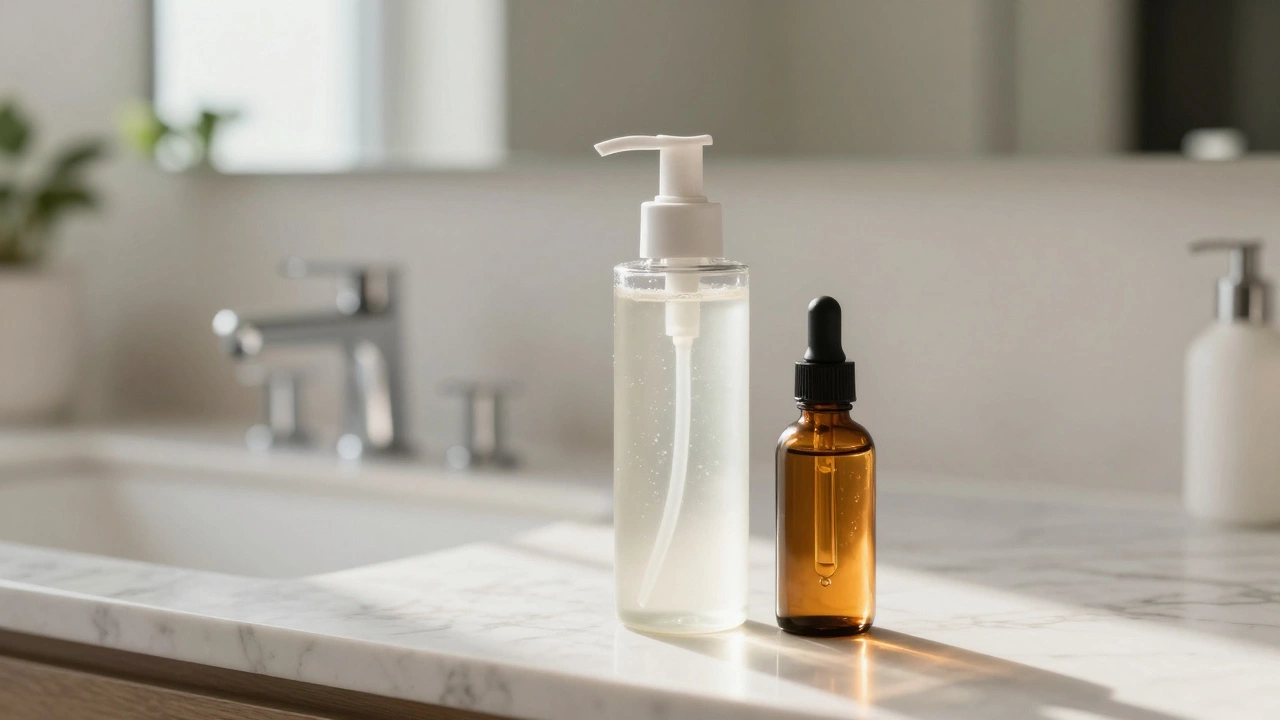
You’ve spent weeks finding the perfect serum that promises to fade dark spots or boost collagen. You have a gentle cleanser and a hydrating toner that smells like lavender. But when you stand in front of your bathroom mirror, holding both bottles, a nagging question pops up: which one goes on first? Applying them in the wrong order doesn’t just waste money; it can actually block your skin from absorbing the expensive actives you’re trying to use.
The short answer is simple: **toner always comes before serum**. This isn’t just an arbitrary rule made up by beauty influencers. It’s based on basic chemistry and how your skin barrier works. Think of your skincare routine as building a house. You don’t put the fancy furniture (serum) in before you lay the foundation (toner). If you skip the prep work, everything else falls flat.
Why Order Matters More Than You Think
Your skin is designed to keep things out, not let things in. It’s a brilliant biological barrier, but for skincare products, this means they struggle to penetrate without help. The general rule of thumb in dermatology is to apply products from thinnest consistency to thickest. Water-based liquids go first, followed by gels, then oils, and finally creams.
Toner is typically a thin, watery liquid. Its job is to rebalance your skin’s pH after cleansing and remove any last traces of dirt or hard water minerals. Serum, on the other hand, contains concentrated active ingredients like vitamin C, hyaluronic acid, or retinol. These molecules are small, but they still need a clean, receptive surface to sink into. If you apply serum over dirty or unbalanced skin, those potent ingredients sit on top, oxidize, or evaporate instead of working their magic.
Imagine trying to soak a dry sponge with oil. It beads up and rolls off. Now imagine dampening that sponge first with water. Suddenly, it absorbs everything you pour onto it. Toner is that dampening step. It preps the canvas so the serum can do its job effectively.
The Role of Toner: More Than Just Astringent
A lot of people remember toners from the early 2000s as harsh, alcohol-heavy splashes that stripped the skin. Those days are mostly behind us. Modern toners are formulated to hydrate, soothe, and balance. Understanding what your specific toner does helps clarify why it must come first.
- pH Balancing: Most cleansers, especially foaming ones, have a higher pH (alkaline) than your skin’s natural acid mantle, which sits around pH 4.5 to 5.5. Applying serum immediately after cleansing leaves your skin in a stressed, alkaline state. Toner brings the pH back down quickly, creating the right environment for active ingredients to function.
- Hydration Boost: Many modern toners contain humectants like glycerin or hyaluronic acid. By applying this layer first, you’re adding a base level of moisture that helps plump the skin cells, making them more permeable to the serum that follows.
- Removal of Residue: Even after rinsing, tap water can leave mineral deposits, and cleansers can leave film-forming agents. Toner acts as a second cleanse, ensuring no barriers exist between your skin and your treatment products.
If you apply serum first, you’re essentially sealing these residues underneath a layer of active ingredients. It’s like painting a wall without sanding it down first-the finish will never be smooth.
Serum: The Heavy Lifter
Once your skin is prepped with toner, it’s time for the star of the show: the serum. Serums are formulated with smaller molecular weights than moisturizers, allowing them to penetrate deeper into the epidermis. They target specific concerns-hyperpigmentation, fine lines, dehydration, or acne.
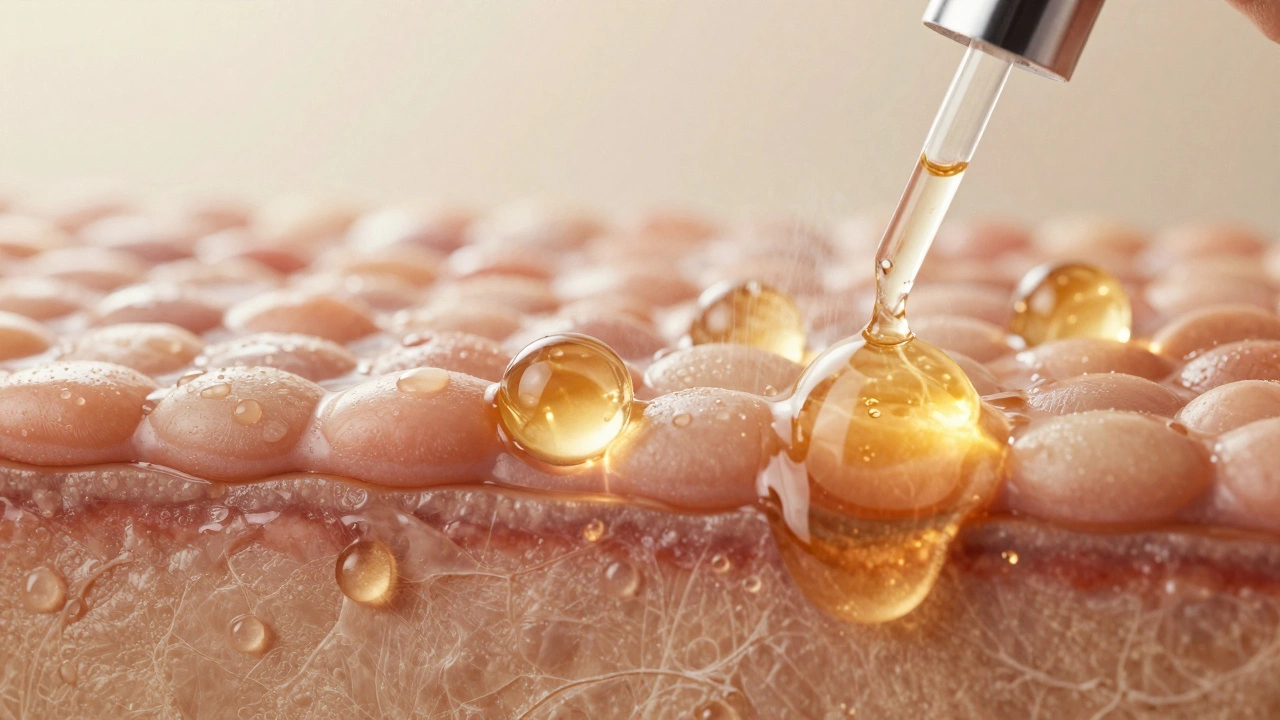
Because serums are potent, they require direct contact with the skin. When you apply toner first, you’re ensuring that the skin’s surface is clean and slightly damp. This dampness is crucial for certain types of serums, particularly those containing hyaluronic acid. Hyaluronic acid works by drawing moisture from its surroundings into the skin. If your skin is dry and you apply HA serum, it might pull moisture from deeper layers of your skin, potentially causing dryness. But if you apply it over a damp, toned face, it locks in that surface hydration and pushes it deeper.
Think about Vitamin C serums. They are unstable and prone to oxidation. Applying them to a balanced, clean pH ensures maximum stability and efficacy. If your skin is still alkaline from cleanser, the Vitamin C may convert into less effective forms before it can brighten your complexion.
Common Mistakes That Break the Rule
Even though the rule is "toner then serum," many people accidentally break it due to habit or product confusion. Here are the most common pitfalls:
- Using Essence Instead of Toner: In K-beauty routines, essences often replace traditional toners. Essences are slightly thicker and more nutrient-rich. While they still go before serum, some people confuse them with lightweight serums. Remember: if it’s watery and used for prep, it goes first. If it’s viscous and targets a specific issue, it goes second.
- Spraying Serum Over Dry Skin: Some people mist their face with water and then apply serum, skipping toner entirely. While better than nothing, this misses the pH balancing step. Water alone doesn’t adjust acidity. Use a toner with buffering agents like lactic acid or citric acid to truly prep the skin.
- Applying Thick Toners First: Some toners are creamy or milky (often called emulsion toners). If your toner feels heavy, wait until it fully absorbs before moving to serum. Never layer a thick product over a thin one unless the thin one has already dried down.
Another mistake is rushing the process. After applying toner, give it 30 to 60 seconds to absorb. You don’t need to wait for it to dry completely, but it should feel tacky, not wet. This slight tackiness indicates the humectants are working, ready to grab onto the serum molecules you’re about to apply.
How to Layer Your Morning and Night Routines
The order remains consistent whether it’s AM or PM, but the products change based on your goals. Let’s look at two practical scenarios.
| Step | Morning Routine | Evening Routine |
|---|---|---|
| 1. Cleanse | Gentle cleanser or water rinse | Double cleanse (oil + water-based) |
| 2. Tone | Hydrating toner with antioxidants | Exfoliating or balancing toner (AHA/BHA) |
| 3. Serum | Vitamin C or Niacinamide | Retinol or Peptide serum |
| 4. Moisturize | Lightweight lotion | Rich cream or sleeping mask |
| 5. Protect | SPF 30+ Sunscreen | N/A |
In the morning, your goal is protection. A hydrating toner preps the skin, followed by a Vitamin C serum to fight free radicals from pollution and UV rays. At night, repair is key. You might use a toner with beta-hydroxy acids (BHA) to clear pores, followed by a retinol serum to boost cell turnover. In both cases, toner sets the stage, and serum delivers the payload.
What About Other Products?
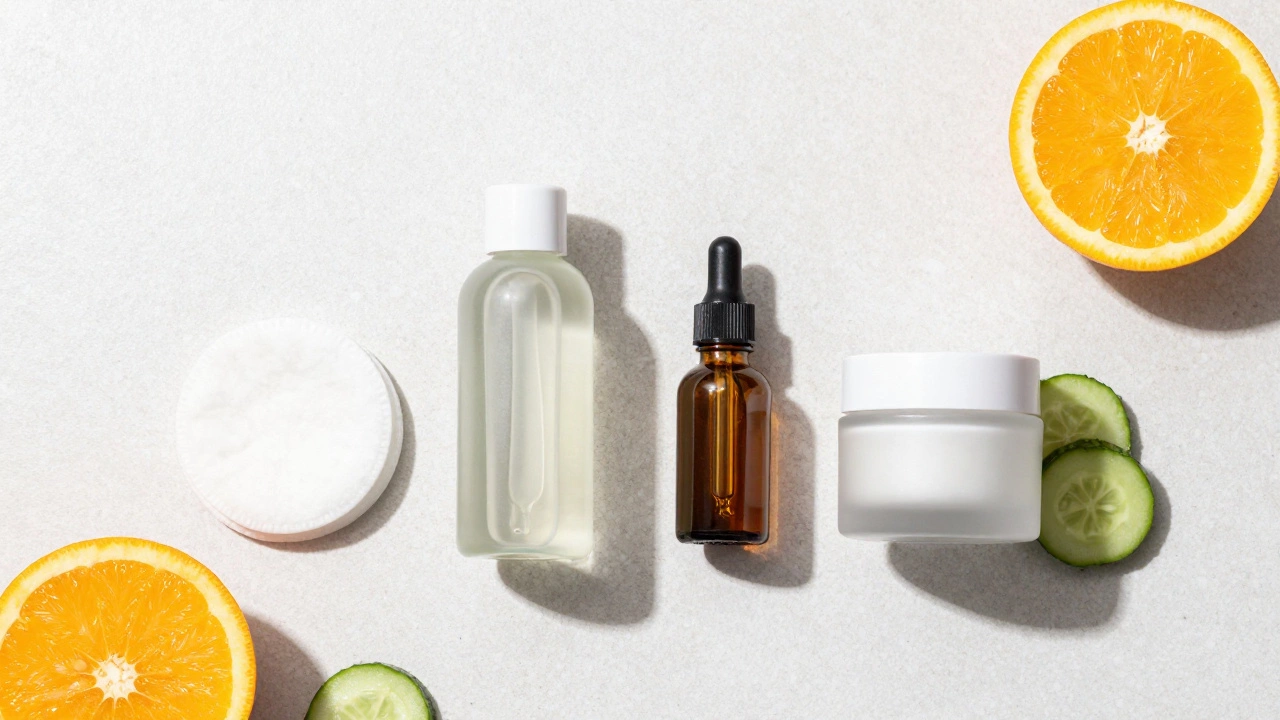
Where do eye creams, spot treatments, and moisturizers fit in? The logic stays the same: thinnest to thickest.
Eye creams usually go after serum but before moisturizer. Spot treatments for acne, like benzoyl peroxide or salicylic acid, can be tricky. If they are liquid, apply them after toner and before serum, or mix them into your serum if compatible. If they are ointment-like, apply them after moisturizer. Always check the texture. If it’s thinner than your serum, it goes before. If it’s thicker, it goes after.
Moisturizer is always the sealant. It creates an occlusive layer that traps the toner and serum inside your skin. Without it, all that hydration evaporates. So, while toner opens the door and serum walks through, moisturizer locks the door shut.
Troubleshooting Your Routine
If you’re following the correct order but still seeing irritation or lack of results, consider these factors:
- Pilling: If your serum rolls up into little balls when you rub it in, your toner might not have absorbed enough, or the formulations are incompatible. Wait longer between steps, or switch to a simpler toner with fewer polymers.
- Dryness: If your skin feels tight after toner and serum, your toner might be too stripping. Look for alcohol-free formulas with soothing ingredients like centella asiatica or chamomile.
- No Results: If your serum isn’t working, ensure you’re using enough product. A pea-sized amount is standard for the whole face. Also, check expiration dates. Active ingredients degrade over time, especially if exposed to light and air.
Consistency is just as important as order. Using the right sequence sporadically won’t yield the same benefits as a disciplined daily routine. Give your new order at least four to six weeks to show visible changes, as skin cell turnover takes roughly 28 days.
Can I skip toner and just use serum?
Yes, you can skip toner, but it’s not ideal. Toner balances your skin’s pH and removes residual impurities. Without it, your serum may not absorb as effectively, and your skin might remain slightly alkaline from cleansing, reducing the potency of active ingredients like vitamin C or AHAs.
Does the type of toner matter for the order?
The type matters for your skin’s health, but not for the order. Whether it’s a hydrating, exfoliating, or astringent toner, it should always be applied before serum. However, if you use a very thick, creamy toner, ensure it fully absorbs before applying your serum to prevent pilling.
How long should I wait between toner and serum?
You don’t need to wait for your skin to dry completely. Aim for 30 to 60 seconds, or until the toner feels tacky rather than wet. This indicates absorption has begun, creating the perfect moist environment for the serum to penetrate.
Can I mix toner and serum together?
It’s generally not recommended. Mixing products can alter their pH levels and chemical stability, potentially rendering active ingredients ineffective. Apply them separately to ensure each product performs as intended by the manufacturer.
What if my serum is thicker than my toner?
This is normal. Serums are almost always thicker than toners. If your serum is unusually thick, it might be a hybrid product. Stick to the rule of thinnest to thickest: toner first, then serum, then moisturizer. If the serum doesn’t absorb well, try applying it to slightly damp skin after toner.
 Skincare