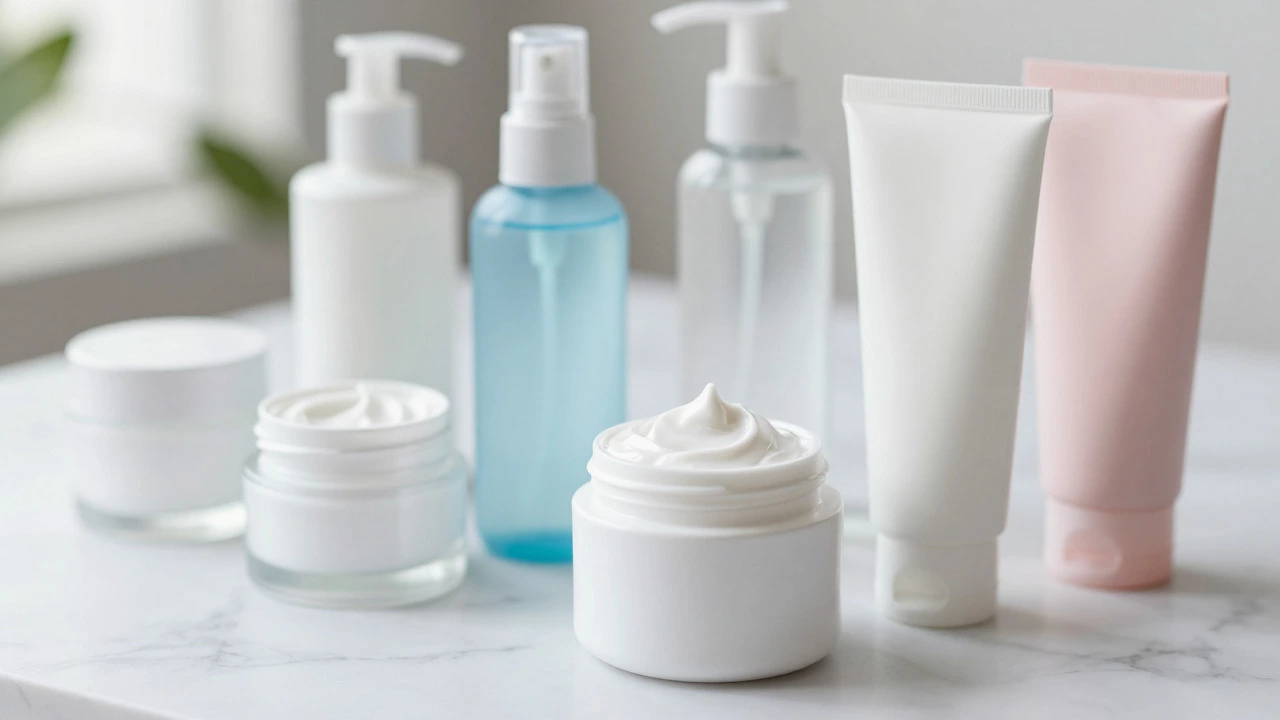
Find Your Perfect Moisturizer Match
Answer two quick questions to get a personalized recommendation from our expert-reviewed top 5 list.
Your Top Pick:
Product Name
Price Range TextureWhy this works for you:
Explanation...
Walking into a drugstore or browsing an online beauty shop can feel like navigating a maze. You see hundreds of jars and bottles, all promising the same thing: soft, hydrated skin. But which one actually works? The answer isn't about finding the most expensive product on the shelf. It is about matching the formula to your specific skin barrier needs.
This guide cuts through the marketing noise to identify the five most reliable moisturizers currently dominating professional dermatologist recommendations and consumer reviews. We are looking at products that deliver consistent results for different skin types, from oily to extremely dry. Whether you are dealing with winter flaking or summer oiliness, these picks offer proven efficacy without breaking the bank.
Key Takeaways
- CeraVe Moisturizing Cream is the gold standard for barrier repair due to its triple-ceramide formula.
- Neutrogena Hydro Boost Water Gel remains the top choice for oily and combination skin seeking lightweight hydration.
- Humectants like hyaluronic acid draw water in, while occlusants like petrolatum seal it in; effective moisturizers often combine both.
- Application timing matters: applying moisturizer to damp skin increases hydration retention by up to 30% compared to dry skin.
- Price does not equal performance; many drugstore brands outperform luxury counterparts in clinical trials for basic hydration.
Understanding How Moisturizers Work
Before picking a jar, it helps to understand what is happening under the surface. Your skin barrier, known as the stratum corneum, acts like a brick wall. The "bricks" are dead skin cells, and the "mortar" is a mix of lipids, including ceramides, cholesterol, and fatty acids. When this mortar cracks, moisture escapes (trans epidermal water loss) and irritants get in.
A good moisturizer functions in three ways:
- Humectants: Ingredients like glycerin and hyaluronic acid pull water from the air and deeper skin layers into the upper surface.
- Emollients: These smooth the skin's texture and fill in gaps between skin cells, making the surface feel soft.
- Occlusants: Heavy ingredients like petrolatum or squalane create a physical seal to prevent water from evaporating.
The best product for you depends on which of these functions your skin lacks. If your skin feels tight after washing, you need humectants. If it looks dull and rough, you need emollients. If it flakes in cold weather, you need occlusants.
The Top 5 Moisturizers Reviewed
1. CeraVe Moisturizing Cream
If you ask ten dermatologists for their go-to recommendation for damaged skin barriers, nine will mention CeraVe Moisturizing Cream. Developed in collaboration with dermatologists, this thick, white cream contains three essential ceramides (1, 3, and 6-II) that mimic the natural lipids found in healthy skin. It also includes MVE technology, which releases hydrating ingredients over 24 hours.
This is not a light lotion. It is a dense, rich cream designed for very dry skin, eczema-prone areas, or post-procedure recovery. Because it is fragrance-free and non-comedogenic, it rarely causes breakouts, though those with very oily skin might find it too heavy for daily facial use. It excels as a night cream or for body application on elbows and knees.
2. Neutrogena Hydro Boost Water Gel
For anyone who hates the feeling of a greasy face, Neutrogena Hydro Boost Water Gel is the industry benchmark. This gel-cream formula uses micro-droplets of hyaluronic acid to hydrate without adding weight. It absorbs in seconds, leaving no residue behind.
This option is ideal for oily, combination, and acne-prone skin. It provides enough hydration to keep pores from overproducing oil, but it doesn't clog them. A pro tip: if you live in a very dry climate, layer this under a lighter oil or cream at night. On its own, it may not provide enough occlusion for extremely dry winter conditions.
3. La Roche-Posay Toleriane Double Repair Face Moisturizer
Sensitive skin requires fewer ingredients, not more. La Roche-Posay Toleriane Double Repair strips away potential irritants like fragrance, dyes, and essential oils. It focuses on two key components: niacinamide and prebiotic thermal spring water. Niacinamide strengthens the skin barrier and reduces redness, while the thermal water soothes inflammation.
This moisturizer has a medium-weight texture that sits comfortably on the skin. It is particularly effective for those using active ingredients like retinol or exfoliating acids, as it helps buffer irritation. It is a solid mid-range price point that offers pharmacy-grade reliability without the high-end markup.
4. Vanicream Moisturizing Cream
When skin is compromised by severe allergies, contact dermatitis, or chemical sensitivity, you need a product with minimal risk. Vanicream Moisturizing Cream is formulated to be free of dyes, fragrance, lanolin, parabens, and formaldehyde-releasing preservatives. It is often recommended by allergists as a safe baseline.
The texture is simple and effective. It is thicker than a gel but less waxy than some heavy balms. While it lacks trendy actives like peptides or antioxidants, its job is purely to hydrate and protect. For people whose skin reacts to almost everything, this is the safest bet. It is also cost-effective, making it accessible for long-term use.
5. Olay Regenerator Micro-Sculpting Cream
Not everyone wants just hydration; some want anti-aging benefits alongside moisture. Olay Regenerator Micro-Sculpting Cream combines hydration with collagen-building ingredients. It features amino-peptides and niacinamide, which have been shown in studies to improve skin elasticity and firmness over time.
This cream has a luxurious, silky texture that absorbs well without feeling sticky. It is suitable for normal to dry skin types that are beginning to show signs of aging, such as fine lines or loss of volume. It serves as a great all-in-one day cream, providing SPF compatibility (though you should still apply sunscreen separately for full protection) and visible plumping effects within weeks of consistent use.

Comparison Table: Key Attributes
| Product Name | Best For | Texture | Key Active Ingredients | Price Range |
|---|---|---|---|---|
| CeraVe Moisturizing Cream | Dry/Eczema Prone | Thick Cream | Ceramides, Hyaluronic Acid | Budget ($) |
| Neutrogena Hydro Boost | Oily/Combination | Gel-Cream | Hyaluronic Acid | Moderate ($$) |
| La Roche-Posay Toleriane | Sensitive/Reactive | Medium Cream | Niacinamide, Ceramides | Moderate ($$) |
| Vanicream Moisturizing | Allergy/Highly Sensitive | Rich Cream | Petrolatum, Glycerin | Budget ($) |
| Olay Regenerator | Mature/Dry Normal | Luxurious Cream | Peptides, Niacinamide | Moderate ($$) |
How to Choose the Right Formula for Your Skin Type
Selecting the wrong moisturizer can do more harm than good. Using a heavy occlusive on oily skin can trap sweat and bacteria, leading to breakouts. Conversely, using a thin gel on dry skin may not provide enough barrier protection, leading to continued dehydration.
For Oily Skin: Look for "gel," "water-gel," or "oil-free" labels. Avoid heavy creams containing mineral oil or coconut oil unless you are certain they won't clog your pores. Focus on lightweight humectants.
For Dry Skin: Prioritize creams with ceramides, shea butter, or squalane. These ingredients help rebuild the lipid barrier. Apply immediately after showering while skin is still damp to lock in water.
For Sensitive Skin: Keep the ingredient list short. Avoid fragrances, essential oils, and alcohol denat. Look for products labeled "hypoallergenic" or "dermatologist tested." Patch test new products on your inner arm for 24 hours before applying to your face.
For Combination Skin: You might consider a dual approach. Use a lighter gel on your T-zone (forehead, nose, chin) and a richer cream on your cheeks. Alternatively, choose a balanced medium-weight cream that hydrates without overwhelming the oily areas.
Common Mistakes That Reduce Effectiveness
Even the best moisturizer fails if applied incorrectly. Here are the most common errors people make:
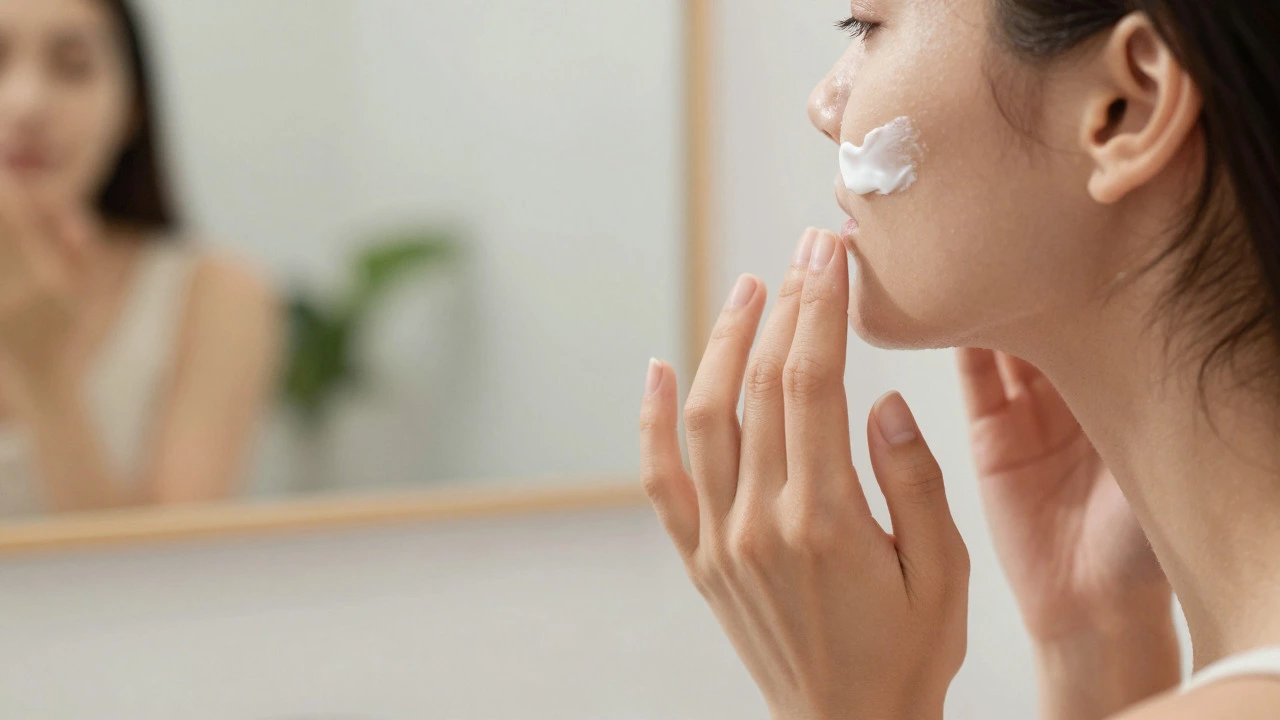
- Applying to Dry Skin: If your skin is completely dry when you apply moisturizer, you are sealing in less water. Always apply to slightly damp skin to maximize hydration absorption.
- Using Too Little: Many people use only a pea-sized amount for their entire face. For dry skin, you may need a dime-sized amount to cover the face and neck adequately. Under-moisturizing leads to persistent tightness.
- Ignoring the Neck: The skin on your neck is thinner and ages faster than your face. Extending your moisturizer down to your collarbone prevents noticeable line differences between your face and neck.
- Switching Products Frequently: It takes four to six weeks for a moisturizer to show full barrier-repair benefits. Changing products every week makes it impossible to determine what is working.
- Skipping Sunscreen: Moisturizer alone does not protect against UV damage. If your moisturizer does not contain SPF 30+, you must apply a separate broad-spectrum sunscreen during the day.
Frequently Asked Questions
Can I use the same moisturizer for my face and body?
Yes, generally speaking, face moisturizers are safe for the body, but body lotions are often too harsh or heavy for the face. Body lotions may contain higher concentrations of fragrance or thickeners that can clog facial pores. However, if you have sensitive skin, a gentle face cream like CeraVe or Vanicream works perfectly well on the body.
Do I really need a moisturizer if I have oily skin?
Absolutely. Dehydrated oily skin often produces even more oil to compensate for lack of moisture. Using a lightweight, oil-free gel moisturizer helps balance your skin's hydration levels, which can actually reduce excess shine over time. Skipping moisturizer entirely disrupts the skin barrier and can lead to increased sebum production.
What is the difference between a lotion and a cream?
Lotions have a higher water content and lower oil content, making them lighter and faster-absorbing. They are better suited for normal to oily skin or warmer climates. Creams have a higher oil and wax content, making them thicker and more occlusive. They are better for dry skin, colder climates, or nighttime use when you need maximum barrier protection.
Is hyaluronic acid good for all skin types?
Hyaluronic acid is generally safe for all skin types because it is naturally found in the body. However, in very dry environments, hyaluronic acid can sometimes draw moisture from the skin if there isn't enough humidity in the air. To prevent this, always follow up hyaluronic acid products with an occlusive layer (like a cream or oil) to seal the moisture in.
How much moisturizer should I use per application?
A general rule of thumb is a pea-sized amount for normal to oily skin and a dime-sized amount for dry skin. Adjust based on how your skin feels. If you still feel tight after waiting 15 minutes, add a little more. If you feel greasy or shiny, use slightly less next time. Consistency is more important than exact quantity.
 Skincare