Organic Label Decoder
Confused by skincare labels? Enter the percentage of organic ingredients (excluding water/salt) and other details to see which official tier the product belongs to.
Enter details above to decode the label.
You’re standing in the aisle, holding a jar of face cream that promises "pure nature" on the front. But flip it over, and the ingredient list looks like a chemistry experiment. Is it actually organic? Or is it just marketing fluff designed to empty your wallet?
This confusion is everywhere right now. As we move through 2026, consumers are more skeptical than ever about what they put on their skin. The term "organic" has become so diluted that many people don’t know if it means anything at all. If you’ve ever wondered what separates a true organic product from a greenwashed impostor, you’re in the right place. We’re going to break down exactly what "100% organic" means, how certifications work, and why some "natural" products might still be full of synthetic junk.
The Core Definition: What Does Organic Actually Mean?
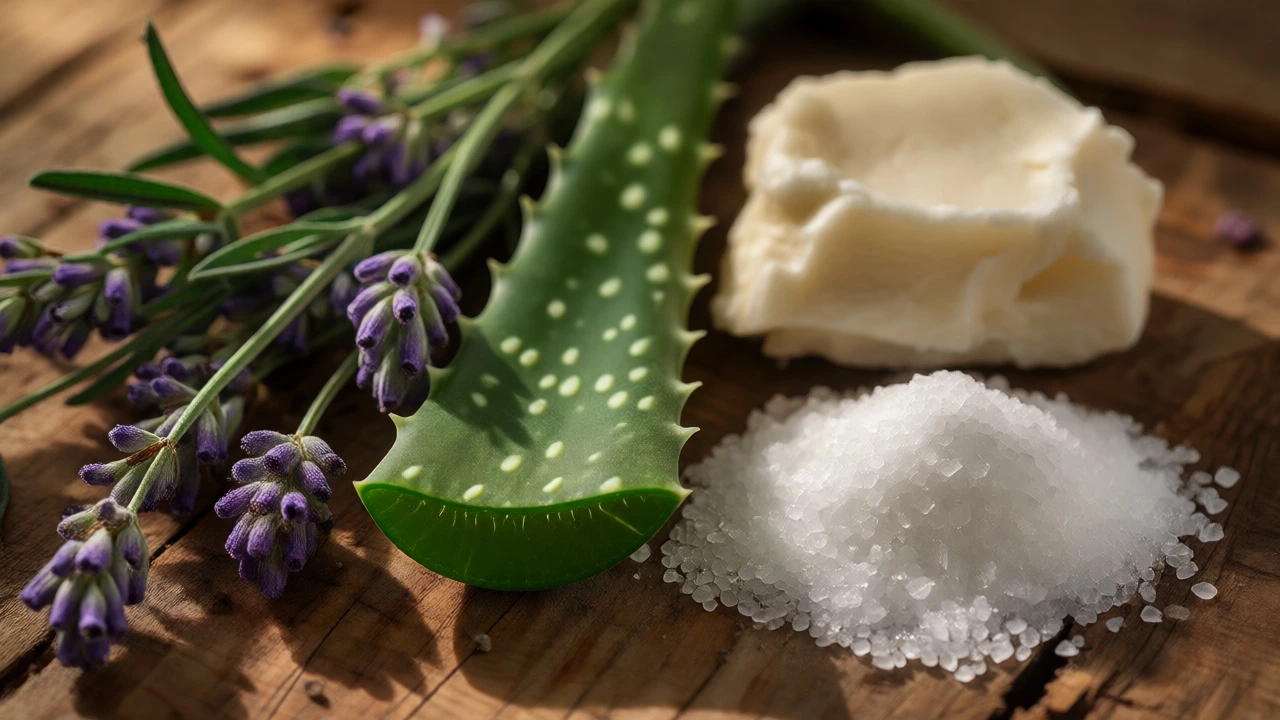
At its simplest level, organic farming is an agricultural method that avoids the use of synthetic fertilizers, pesticides, genetically modified organisms (GMOs), and sewage sludge. When applied to skincare, this definition extends beyond just the plants. It covers the entire supply chain-from the soil where the lavender grew to the factory where the lotion was mixed.
But here’s the catch: not all organic claims are created equal. In the United States, the USDA National Organic Program (NOP) sets strict standards. For a product to legally carry the USDA Organic seal, it must meet specific thresholds based on the percentage of organic ingredients it contains. This isn’t just a suggestion; it’s federal law. Violate it, and you face fines up to $17,500 per violation.
Why does this matter for your skin? Synthetic pesticides and herbicides can leave residues on plant materials. While trace amounts might be safe for ingestion, the long-term effects of topical application are less understood. Many dermatologists suggest that reducing exposure to these potential irritants can help sensitive skin types manage conditions like eczema or rosacea more effectively.
The Four Tiers of Organic Certification
Most people think there’s only one type of organic label. There are actually four distinct categories defined by the USDA. Understanding these helps you decode what you’re buying.
| Label Claim | Minimum Organic Content | Allowed Non-Organic Ingredients | Seal Usage |
|---|---|---|---|
| 100% Organic | 100% | None (except water and salt) | USDA Organic Seal |
| Organic | 95% | Up to 5% (must be on approved list) | USDA Organic Seal |
| Made with Organic | 70% | Up to 30% (no GMOs allowed) | No USDA Seal (text claim only) |
| Specific Ingredients | <70% | Varies | List specific organic ingredients only |
Notice the gap between "100% Organic" and "Organic." That 5% difference sounds small, but it matters. In the "Organic" category, manufacturers can use up to five percent non-organic ingredients. These must be substances listed as "allowed" because they aren’t commercially available in organic form yet. Think things like certain emulsifiers or preservatives needed to keep the product stable.
If a bottle says "Made with Organic Aloe," it only guarantees that 70% of the contents are organic. The remaining 30% could include synthetic fragrances or parabens, provided they don’t contain GMOs. This is where most shoppers get tripped up. They see the word "organic" and assume the whole product meets the highest standard. It doesn’t.
Why 100% Organic Skincare Is Rare (and Tricky)
You might wonder why you rarely see "100% Organic" on high-performance anti-aging creams. The reason is chemistry. Water is essential for most lotions and serums, but water cannot be certified organic under USDA rules because it’s not grown in soil. Salt is also excluded from the organic calculation.
This creates a technical hurdle. If a formula is 80% water and 20% botanical oils, the maximum possible organic rating is 100% of the *non-water* content. However, achieving a literal "100% Organic" label usually requires excluding water entirely or using very specific formulations, like solid oil bars or powder cleansers. Most liquid skincare products will fall into the 95% "Organic" tier rather than the 100% tier simply due to the presence of water.
Furthermore, preservation is a major challenge. Without strong synthetic preservatives like phenoxyethanol or parabens, organic products have a shorter shelf life. You’ll often notice smaller packaging sizes or "use within 6 months" warnings on true organic brands. This isn’t a flaw; it’s a feature of a cleaner ingredient profile.
Distinguishing Organic from Natural and Clean Beauty
The beauty industry loves buzzwords, and "natural," "clean," and "organic" are often used interchangeably when they shouldn’t be. Let’s clear the air.
- Natural: This term is largely unregulated. A product can be labeled "natural" even if it contains 90% synthetic chemicals, as long as some ingredients come from nature. There is no legal definition for "natural" in cosmetics in many countries, including Australia and the US.
- Clean Beauty: This is a marketing movement focused on excluding ingredients perceived as harmful, such as sulfates, parabens, and phthalates. A clean product can be fully synthetic. It prioritizes safety and transparency over origin.
- Organic: This refers specifically to the agricultural method of sourcing ingredients. It is regulated and certifiable.
A product can be clean but not organic (e.g., a lab-created peptide serum). It can be organic but not necessarily "clean" in the modern sense (though rare, some organic ingredients can still be allergenic). And it can be both. When you buy certified organic skincare, you are buying a product whose raw materials were farmed without synthetic intervention. That is a distinct value proposition from just avoiding bad chemicals.
How to Spot Greenwashing
Greenwashing is when a brand makes misleading environmental claims. Here are three red flags to watch for when shopping for organic products:
- Vague Packaging: If the front of the bottle says "Nature Inspired" or "Botanical Blend" but the back lists no certification logos, be skeptical. Look for the actual seal, not just leafy graphics.
- Ingredient List Order: Ingredients are listed by concentration. If "Aloe Barbadensis Leaf Juice" is near the bottom, it’s likely present in negligible amounts, despite being highlighted on the front label.
- Missing Certifier Info: Legitimate organic products will state who certified them (e.g., USDA, COSMOS, Ecocert). If a brand claims to be organic but refuses to name the certifying body, ask why.
In Australia, where I live, the Australian Certified Organic (ACO) logo is the gold standard. If you’re shopping locally, look for that bud symbol. Internationally, COSMOS Standard is widely respected in Europe and globally for natural and organic cosmetics.

The Benefits Beyond the Label
Why go through the trouble of finding 100% organic products? Aside from supporting sustainable agriculture, there are tangible benefits for your routine.
First, higher antioxidant activity. Studies published in journals like the Journal of Agricultural and Food Chemistry have shown that organically grown crops often produce higher levels of antioxidants like polyphenols. Plants produce these compounds as a defense mechanism against pests since they aren’t sprayed with synthetic pesticides. When you apply these plants topically, you may get a more potent dose of these skin-protecting nutrients.
Second, reduced irritation risk. By eliminating common synthetic irritants like artificial fragrances and dyes, organic products tend to be gentler. This doesn’t mean they’re hypoallergenic-essential oils can still cause reactions-but the baseline chemical load is lower.
Third, environmental impact. Choosing organic supports farming practices that maintain soil health, reduce groundwater pollution, and promote biodiversity. Every purchase is a vote for the kind of world you want to live in.
Frequently Asked Questions
Is 100% organic better than 95% organic?
Not necessarily. The 5% difference in 95% organic products is usually reserved for necessary functional ingredients like preservatives or emulsifiers that don't exist in organic forms. A well-formulated 95% organic product can perform just as well, or better, than a 100% organic one that lacks stability.
Can water be organic?
No. Under USDA guidelines, water and salt are excluded from the organic percentage calculation. Since water is not grown in soil, it cannot be certified organic. This is why most liquid skincare products max out at the "Organic" (95%) tier rather than "100% Organic."
Do organic products expire faster?
Yes, typically. Because they lack strong synthetic preservatives, organic products have a shorter shelf life. Always check the Period After Opening (PAO) symbol on the packaging, which indicates how many months the product remains safe after opening.
Is "Natural" the same as "Organic"?
No. "Natural" is an unregulated term that simply implies ingredients come from nature. It does not guarantee that those ingredients were grown without synthetic pesticides or fertilizers. "Organic" is a regulated term with strict farming and processing standards.
Are organic products safer for sensitive skin?
Often, yes, because they avoid common irritants like synthetic fragrances and dyes. However, "organic" does not automatically mean "gentle." Essential oils and active botanical extracts found in organic products can still cause allergic reactions in some individuals. Always patch test new products.
 Skincare