Cosmetic vs. Drug Product Classifier
Classification Result
Why this classification?
Most people use the word cosmetics every day without realizing how broad the definition actually is. You might think it only means lipstick or foundation, but legally and scientifically, cosmetics include almost anything you rub on your body to clean, beautify, or change its appearance. If you are wondering what counts as a cosmetic product, the answer is much wider than your makeup bag suggests.
To understand this, we need to look at three distinct categories of products that fall under the umbrella of cosmetics: skin care cleansers, color cosmetics like lipstick, and hair styling aids. Each serves a different purpose, uses different ingredients, and follows specific safety regulations. Let’s break down exactly what these are and why they matter.
1. Skin Care Cleansers: The Foundation of Cosmetic Use
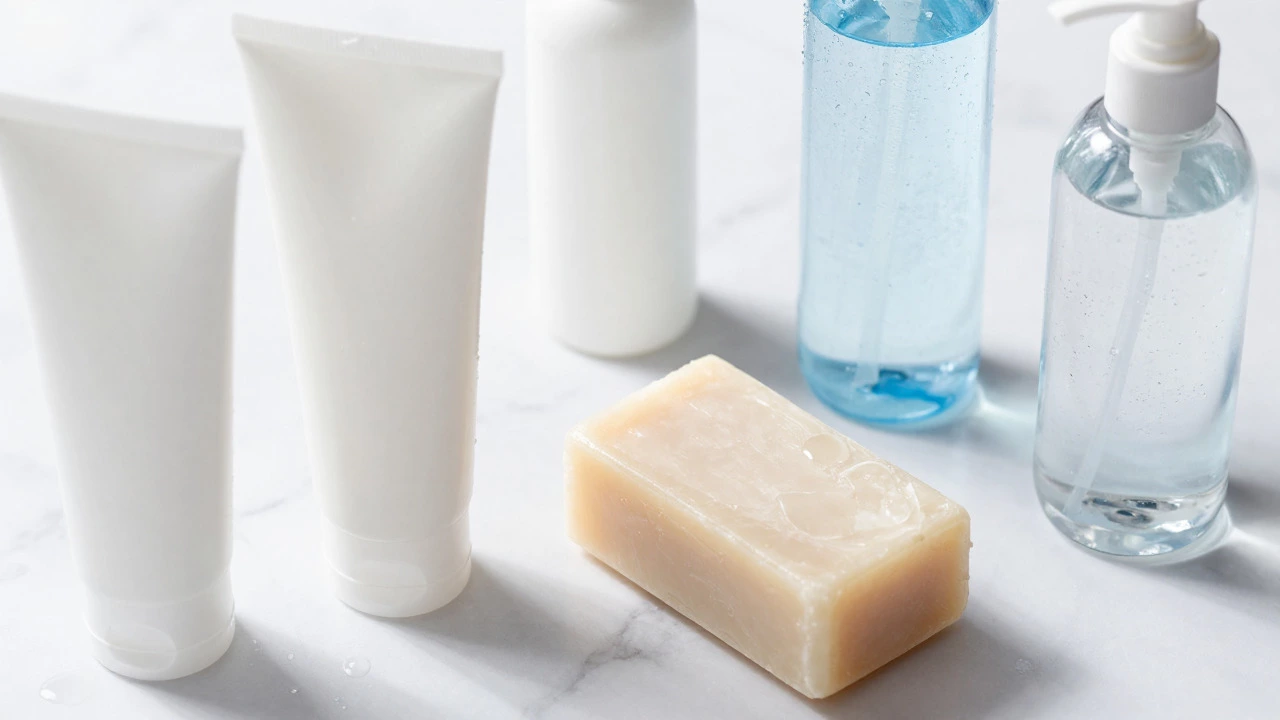
The first major example of a cosmetic is a facial cleanser or soap. This might seem obvious, but many people confuse "cleansing" with "medical treatment." A standard face wash is designed to remove dirt, oil, and makeup from the surface of the skin. It does not claim to cure acne, eczema, or other skin diseases. That distinction is crucial because if a product claims to treat a disease, it becomes a drug, not just a cosmetic.
Facial Cleansers are water-based or oil-based formulations used to cleanse the skin by removing impurities, excess sebum, and environmental pollutants. Common types include foaming gels, creamy washes, and micellar water.
These products rely on surfactants-chemicals that lower the surface tension of water so it can mix with oil and lift grime off your face. Ingredients like sodium lauryl sulfate or gentler alternatives like coco-glucoside do the heavy lifting. The goal here is purely aesthetic and hygienic: to leave the skin feeling fresh and looking clear. When you buy a bar of soap or a tube of gel cleanser, you are buying a cosmetic because its primary function is cleaning and beautifying the outer layer of the body.
- Foaming Cleansers: Best for oily skin; create lather to strip excess oil.
- Cream Cleansers: Ideal for dry skin; add moisture while cleaning.
- Micellar Water: Gentle solution that lifts dirt without rinsing.
2. Color Cosmetics: Lipstick and Pigmented Products
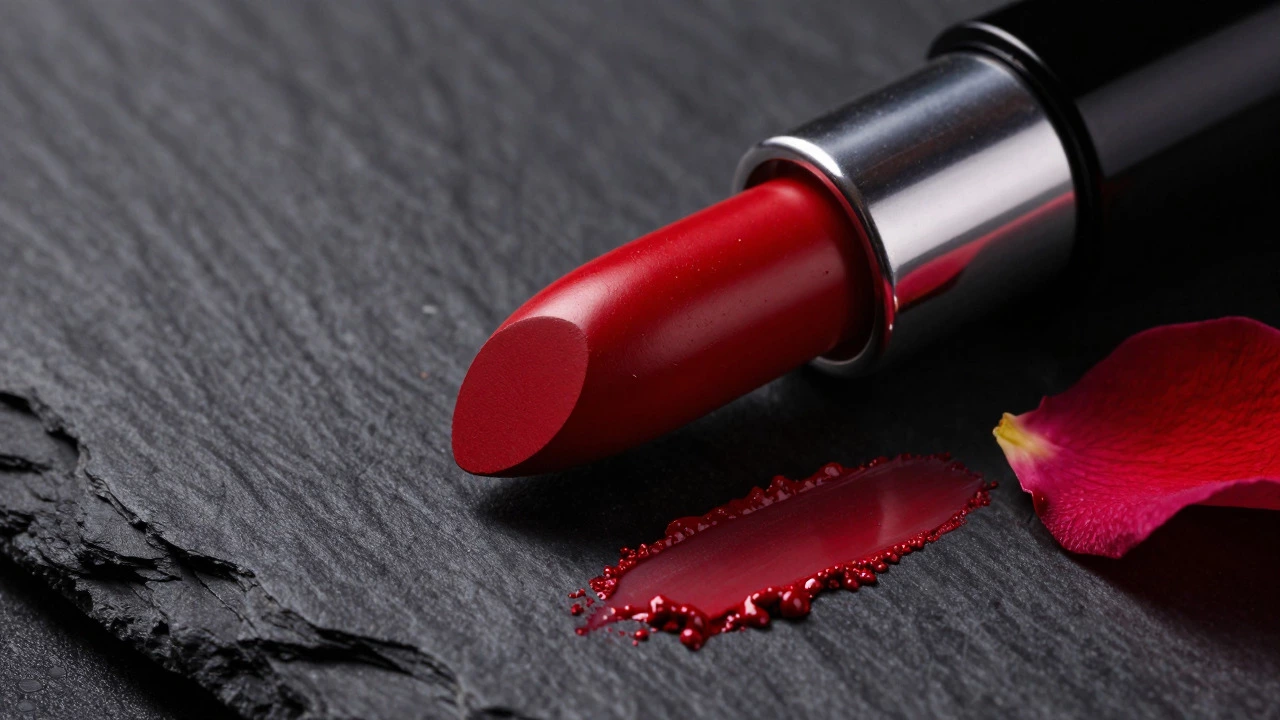
If cleansers are about removal, color cosmetics are about addition. The second clear example of a cosmetic is lipstick. This category includes any product applied to enhance or alter the natural color of the lips, eyes, cheeks, or nails. Lipstick is iconic in the beauty world, but it is also one of the most complex cosmetic formulations.
Lipstick is a solid color cosmetic composed of waxes, oils, pigments, and emollients designed to provide color, texture, and hydration to the lips.
A typical lipstick contains beeswax or candelilla wax to give it structure, castor oil to keep it smooth, and iron oxides or carmine for color. Unlike a cleanser, which washes away, lipstick sits on top of the skin (the vermilion border of the lip) for hours. Because it stays in place, manufacturers must ensure the pigments are non-toxic and the waxes do not irritate the delicate lip tissue. This is why color cosmetics undergo rigorous testing for stability and safety. Whether it is a matte bullet, a liquid gloss, or a balm tint, the intent is visual enhancement, making it a textbook cosmetic.
| Ingredient Type | Color Cosmetics (e.g., Lipstick) | Skincare (e.g., Moisturizer) |
|---|---|---|
| Pigments | High concentration (Iron Oxides, Carmine) | Low or None |
| Waxes | Structural base (Beeswax, Carnauba) | Minimal or absent |
| Active Treatments | Rare (unless classified as OTC drug) | Common (Retinol, Hyaluronic Acid) |
| Emollients | For slip and feel (Castor Oil, Lanolin) | For barrier repair (Ceramides, Shea Butter) |
3. Hair Styling Aids: Hairspray and Conditioners
The third example expands the definition beyond the face: hair care products. Specifically, hairspray, shampoo, and conditioner are all cosmetics. People often separate "hair care" from "beauty," but regulatory bodies like the FDA and the EU Commission classify them together. Why? Because their purpose is to beautify, promote attractiveness, or aid in grooming.
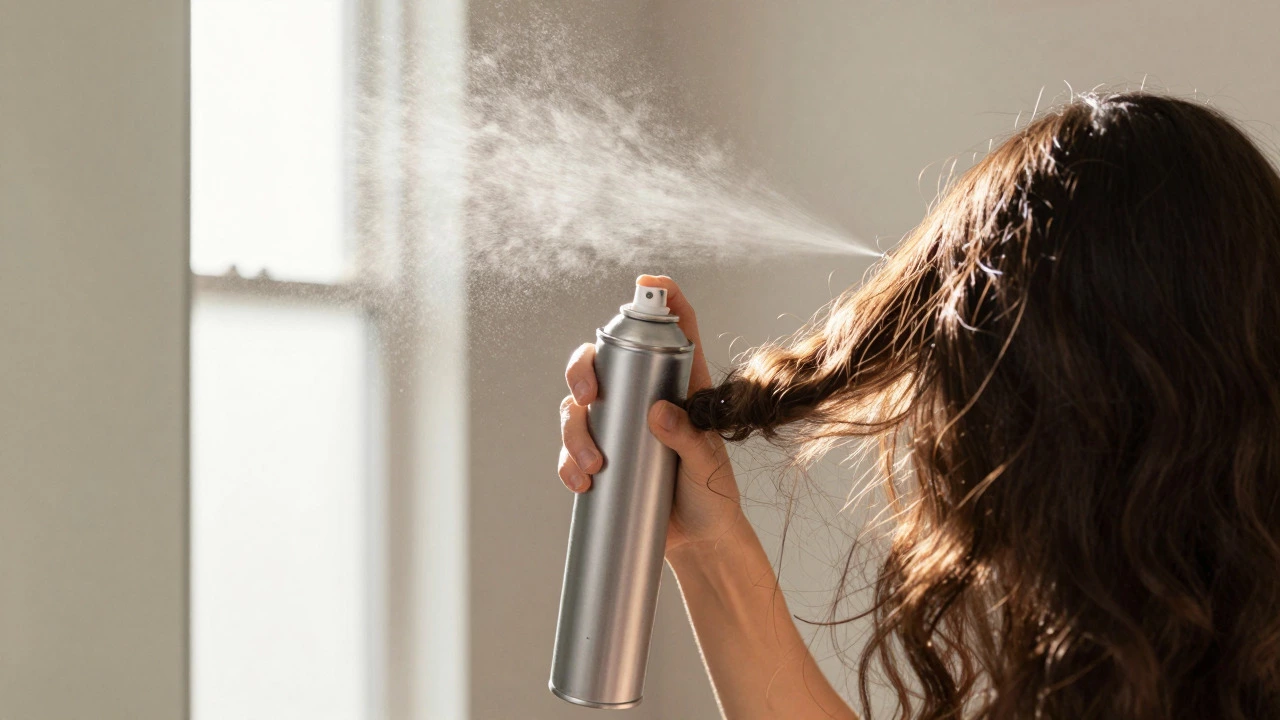
Hairspray is an aerosol or pump-spray formulation containing polymers and solvents that form a flexible film over hair strands to hold style and reduce frizz.
When you spray hairspray, you are applying a polymer network that hardens slightly to lock hair in place. It doesn’t heal split ends or regrow hair (those would be drug claims). It simply changes the appearance and manageability of your hair. Similarly, shampoo cleans the scalp and hair shaft, while conditioner adds slip and shine. These products interact with keratin, the protein that makes up hair, to improve texture and look. Even deodorant falls into this category-it masks odor and keeps you feeling fresh, which is a beautifying and grooming function.
- Shampoo: Uses surfactants to remove sebum and dirt from hair follicles.
- Conditioner: Deposits cationic polymers to neutralize static and smooth cuticles.
- Hairspray/Gel: Forms a film to maintain shape and volume.
How Cosmetics Differ From Drugs and Devices
Understanding these three examples helps clarify where cosmetics end and other products begin. The line can get blurry, especially with modern "hybrid" products. For instance, a sunscreen is technically a drug in the US because it protects against UV radiation, which is considered a health risk. However, in the EU, sunscreen is often regulated as a cosmetic. A moisturizer with SPF 15 might be sold as a cosmetic in some regions and a drug in others.
The key difference lies in the claim. If a product says it "cleanses," "colors," or "fragrances," it is a cosmetic. If it says it "treats," "cures," or "prevents" a disease (like dandruff, acne, or sunburn), it is a drug. Dandruff shampoo is a drug; regular shampoo is a cosmetic. Anti-aging cream is usually a cosmetic unless it claims to reverse wrinkles through medical intervention, which is rare. Most anti-aging creams work by hydrating and plumping the skin temporarily, which is a cosmetic effect.
Safety and Regulation in the Cosmetic Industry
Since cosmetics come into direct contact with your skin, hair, and lips, safety is paramount. In Australia, where I live, the Therapeutic Goods Administration (TGA) oversees certain therapeutic claims, but general cosmetics are largely self-regulated by industry standards. In the United States, the Food and Drug Administration (FDA) regulates cosmetics but does not approve them before they hit the market, unlike drugs. This means manufacturers are responsible for ensuring their products are safe and properly labeled.
In Europe, the European Chemicals Agency (ECHA) maintains a list of banned substances, such as mercury and lead compounds, which are strictly prohibited in cosmetics. This is why you see ingredient lists on the back of bottles. These labels allow consumers to check for allergens or preferred ingredients. For example, someone with sensitive skin might avoid fragrances or parabens, while another person might seek out organic certifications. Understanding that these products are cosmetics helps you read labels more critically-you are looking for beautifying agents, not medicinal ones.
Why the Definition Matters for Consumers
Knowing that cleansers, lipsticks, and hairsprays are all cosmetics helps you make smarter purchasing decisions. It reminds you that these products are primarily for aesthetic enhancement. If you have a persistent skin condition, a cosmetic cleanser might help keep your skin clean, but it won’t cure rosacea. You would need a dermatologist-prescribed medication for that. Similarly, a volumizing hairspray makes hair look thicker, but it won’t stop genetic hair loss.
This knowledge also empowers you to navigate marketing hype. Brands often use words like "clinical strength" or "dermatologist tested" to sound medical. While these tests are real, they usually confirm that the product is safe and effective for its cosmetic purpose-not that it is a medicine. By recognizing the core nature of cosmetics, you can focus on finding products that genuinely suit your style, skin type, and budget, rather than chasing unproven medical benefits.
Is toothpaste considered a cosmetic?
In many countries, including the US, toothpaste is regulated as a cosmetic if it only claims to clean and freshen breath. However, if it claims to prevent cavities or reduce gingivitis, it is classified as an Over-the-Counter (OTC) drug because it treats or prevents dental disease.
Are perfumes and colognes cosmetics?
Yes, fragrances are considered cosmetics. Their primary purpose is to impart a pleasant scent to the body, which is a beautifying and personal grooming function. They do not treat any medical condition.
What is the difference between a cosmetic and a skincare treatment?
A cosmetic improves appearance or cleanses (like a moisturizer or cleanser). A skincare treatment, often classified as a drug, claims to diagnose, cure, mitigate, or prevent a disease (like acne medication or anti-wrinkle retinoids prescribed by a doctor).
Do cosmetics expire?
Yes, cosmetics have a shelf life. Once opened, products like mascara and liquid foundation should be replaced every 3-6 months to prevent bacterial growth. Unopened products typically last 2-3 years. Always check the Period After Opening (PAO) symbol on the packaging.
Are natural cosmetics safer than synthetic ones?
Not necessarily. "Natural" does not automatically mean safe; poison ivy is natural. Synthetic ingredients are often more stable and less likely to cause allergies. Safety depends on the specific formulation and regulation, not just the source of the ingredients.
 Skincare