
Makeup Primer Selector Tool
Answer these two questions to find the perfect primer for your needs.
Result Title
CategoryDescription goes here.
Ever wonder why your foundation looks flawless in the mirror but starts separating by noon? Or why that expensive concealer creases into fine lines the moment you smile? The culprit isn’t usually your technique-it’s likely missing a crucial step: makeup primer. Think of it as the invisible bridge between your skincare routine and your cosmetic application. Without it, you’re essentially painting directly onto a wall that hasn’t been prepped. With it, you’re working on a smooth, sealed surface designed to hold paint for hours.
What Exactly Is a Makeup Primer?
At its core, a makeup primer is a cosmetic product applied after skincare and before foundation or other makeup. Its primary job is to create an even canvas. Most primers contain silicones (like dimethicone) or film-forming polymers that fill in pores, blur texture, and lock moisture in. This creates a barrier that prevents makeup from sinking into dry patches or sliding off oily zones.
Face Primer is a preparatory cosmetic product that smooths skin texture and extends makeup wear time. It typically contains silicones, hyaluronic acid, or niacinamide depending on the desired effect. Unlike moisturizer, which hydrates, primer focuses on adhesion and optical correction.It’s not just about longevity. A good primer can change how your foundation behaves. Some make it feel lighter; others add glow or matte finish. But here’s the catch: not all primers are created equal. Using the wrong one can actually cause pilling, breakouts, or separation. So, what makes a primer "good"? Let’s break down the criteria.
Key Ingredients That Define Quality
When evaluating a primer, look past the marketing hype and check the ingredient list. The best formulas balance performance with skin health. Here’s what to look for:
- Silicones (Dimethicone, Cyclopentasiloxane): These are the workhorses of blurring primers. They fill in pores and fine lines instantly. Don’t fear them-they’re non-comedogenic for most people and rinse off easily with water or oil cleanser.
- Hyaluronic Acid: Essential for hydrating primers. It draws moisture into the skin, preventing that cakey look that happens when foundation sits on top of dry patches.
- Niacinamide: A multitasker that controls oil, reduces redness, and strengthens the skin barrier over time. Great for combination or acne-prone skin.
- Vitamin C or E: Antioxidants that protect against environmental damage while you wear makeup. Bonus points if they brighten dull skin.
Avoid primers loaded with heavy fragrances or alcohol denat if you have sensitive skin. These can irritate, leading to redness that no amount of coverage will hide.
Types of Primers and Who They’re For
Choosing the right primer depends entirely on your skin type and concerns. Using a pore-filling silicone primer on dry skin might emphasize flakiness. Using a hydrating gel primer on oily T-zone could lead to midday shine. Match the formula to your needs:
| Primer Type | Best For | Key Ingredient | Finish |
|---|---|---|---|
| Pore-Filling | Oily/Combination, Large Pores | Dimethicone | Matte/Satin |
| Hydrating | Dry/Dehydrated Skin | Hyaluronic Acid, Glycerin | Dewy/Glow |
| Illuminating | Dull/Tired-Looking Skin | Light-Reflecting Pearls | Radiant |
| Color-Correcting | Redness/Dark Circles | Green/Peach Pigments | Neutralized Base |
| Grip/Adhesive | All Types (Long Wear) | Film-Forming Polymers | Velvet/Matte |
If you’re unsure where to start, a lightweight, universal primer with niacinamide and light hydration is a safe bet for most skin types. It won’t dramatically change your texture, but it will improve adherence without causing issues.
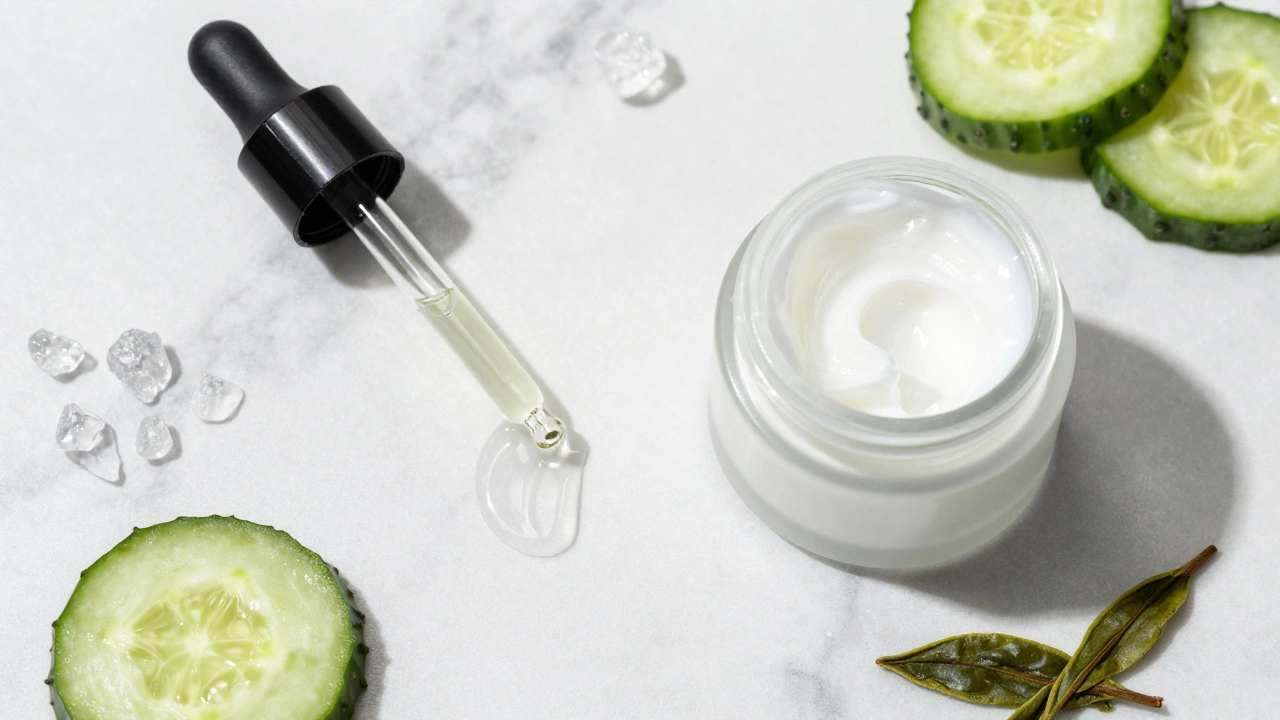
How to Apply Primer Correctly
Even the best primer fails if applied incorrectly. Many people slap it on like sunscreen and rush to foundation. Here’s the proper method:
- Cleanse and Moisturize: Always start with clean, hydrated skin. Wait 1-2 minutes for your moisturizer to absorb fully. Applying primer over wet skin causes pilling.
- Use Less Than You Think: A pea-sized amount is enough for the entire face. Too much creates a slippery layer that foundation can’t grip.
- Apply Strategically: If using a pore-filler, focus on the nose, cheeks, and forehead. For hydrating primers, apply generously to dry areas like under eyes and chin.
- Wait Before Foundation: Give the primer 30-60 seconds to set. It should feel tacky or smooth, not wet. This “gripping” phase is critical for long-lasting wear.
- Blend Foundation Gently: Use a damp sponge or brush. Press and roll rather than dragging, which can disturb the primer layer.
Pro tip: If you’re wearing eye primer too, apply it before face primer to avoid fallout mixing into your base.
Common Mistakes to Avoid
Many people abandon primer because it didn’t work for them. Usually, it’s due to one of these errors:
- Mixing Incompatible Formulas: Water-based primers don’t play well with silicone-heavy foundations, and vice versa. Check your foundation ingredients. If both contain dimethicone, you’re good. If one is water-based and the other silicone-based, they may separate.
- Skipping Sunscreen: Primer is not SPF. Always apply broad-spectrum sunscreen before primer. Layering order: Cleanser → Toner → Serum → Moisturizer → Sunscreen → Primer → Makeup.
- Using Expired Product: Primers degrade over time, especially those with active ingredients like vitamin C. If it smells off or changes texture, toss it.
- Overloading Layers: More isn’t better. Two thin layers of skincare plus primer is enough. Adding five serums, a thick cream, then primer creates a slippery mess.
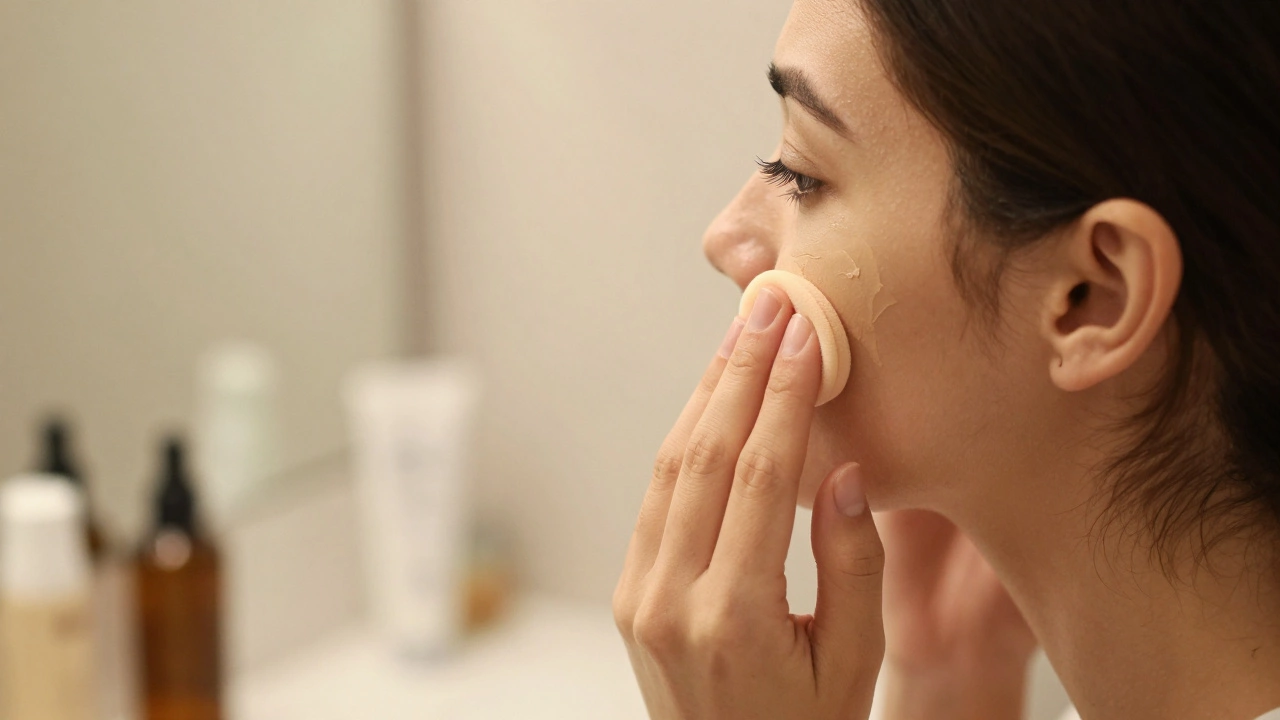
Is Primer Necessary?
Short answer: No, but it helps. If you have balanced skin, wear minimal makeup, or live in a cool, dry climate, you might skip it. But if you sweat often, have textured skin, or want your makeup to last through meetings, commutes, or events, primer is worth the investment.
Think of it like this: Would you paint a wall without sanding and priming first? Maybe for a quick touch-up. But for a durable, professional finish? Absolutely not. Your face deserves the same care.
Top Picks for Different Needs
While personal preference matters, some products consistently perform well across reviews and dermatologist recommendations:
- For Oily Skin: Look for mattifying primers with salicylic acid or clay. Brands like Fenty Beauty Pro Filt’r Soft Matte Longwear Primer control shine without drying.
- For Dry Skin: Hydrating gels with squalane or ceramides work best. NARS Radiant Longwear Makeup Primer adds moisture and glow.
- For Sensitive Skin: Fragrance-free, hypoallergenic options like Clinique Almost Lipstick in Black Honey (wait, that’s lip-try their Even Better Makeup Primer instead). Focus on simple ingredient lists.
- Budget-Friendly: e.l.f. Halo Glow Liquid Filter doubles as a tinted primer and illuminator for under $15. Great for beginners testing the waters.
Remember, price doesn’t always equal performance. Drugstore brands often match high-end formulas in key ingredients. Read labels, not just logos.
Final Thoughts on Choosing Your Primer
A good primer solves specific problems: it fills pores, controls oil, adds hydration, or boosts radiance. It doesn’t replace skincare-it enhances it. Start by identifying your biggest makeup struggle. Is it creasing? Shine? Dullness? Then pick a primer targeted to that issue. Test it for a week. Notice how your foundation feels at hour one versus hour six. Adjust accordingly.
Your skin changes with seasons, hormones, and stress. What works in winter might fail in summer. Keep two primers on hand-one for humid days, one for dry ones. Rotate based on weather and need. And never forget: consistency beats perfection. A decent primer used correctly will outperform a luxury one ignored.
Can I use primer without foundation?
Yes! Many people use primer alone to blur pores, control shine, or add glow. It acts like a lightweight tinted moisturizer or setting base. Just blend it evenly and let it set before adding blush or bronzer.
Does primer clog pores?
Not if chosen correctly. Silicone-based primers are generally non-comedogenic. However, if you have acne-prone skin, avoid heavy oils or fragrances. Patch test new products and cleanse thoroughly at night to prevent buildup.
How long does primer last on the face?
Most primers extend makeup wear by 4-8 hours. Grip primers can push it to 12+ hours. Reapplication isn’t needed unless you remove makeup or sweat heavily. Touch up with blotting papers or powder instead.
Should I apply primer before or after sunscreen?
Always after sunscreen. Sunscreen needs direct contact with skin to form a protective film. Primer goes on top to seal everything in and prep for makeup. Order: Skincare → Sunscreen → Primer → Makeup.
Can I mix different primers together?
Technically yes, but it’s risky. Mixing water-based and silicone-based formulas can cause separation. Stick to one primer per area-e.g., pore filler on T-zone, hydrating on cheeks-or use a multi-tasking universal primer.
Is eye primer different from face primer?
Yes. Eye primers are formulated for thinner, more delicate skin around the eyes. They’re thicker, more adhesive, and often contain pigments to neutralize dark circles. Face primers are too heavy for eyelids and may crease.
Do I need primer if I have good skin?
If your skin is balanced, smooth, and makeup lasts all day naturally, you might skip it. But even great skin benefits from extra protection against pollution, UV, and friction. Primer adds insurance, not just correction.
What’s the difference between primer and setting spray?
Primer goes ON BEFORE makeup to prep the canvas. Setting spray goes ON AFTER to lock everything in place. They serve opposite ends of the process. Use both for maximum longevity, especially in heat or humidity.
Can primer help with acne scars?
It can minimize their appearance temporarily by filling depressions and diffusing light. But it won’t heal scars. For long-term improvement, combine primer with retinoids, vitamin C, or professional treatments like microneedling.
How do I remove primer effectively?
Silicone-based primers require an oil cleanser or micellar water first, followed by a gentle foaming cleanser. Double cleansing ensures no residue remains, preventing clogged pores and breakouts overnight.
 Skincare