Skin Type Assessment Tool
What's your skin's behavior?
Answer these 3 questions to find your skin type and get a simple routine recommendation.
Your Skin Type & Routine
Your routine should be:
Morning
- Gentle cleanser
- Lightweight moisturizer
- SPF 30+ sunscreen
Evening
- Double cleanse (oil-based then water-based)
- Niacinamide serum
- Lightweight moisturizer
Tip: Your skin type may change with seasons. Check this tool monthly.
There’s no one-size-fits-all skincare routine. But that doesn’t mean you’re stuck guessing what works for you. Your ideal skincare routine isn’t about buying every product on the shelf or following 12-step Instagram routines. It’s about consistency, understanding your skin, and doing less-well.
Start with the basics: clean, moisturize, protect
Every single person, no matter their skin type, needs three things: cleanse, moisturize, and protect. That’s it. Skip the fancy serums and expensive oils if you’re just starting out. Master these three first.
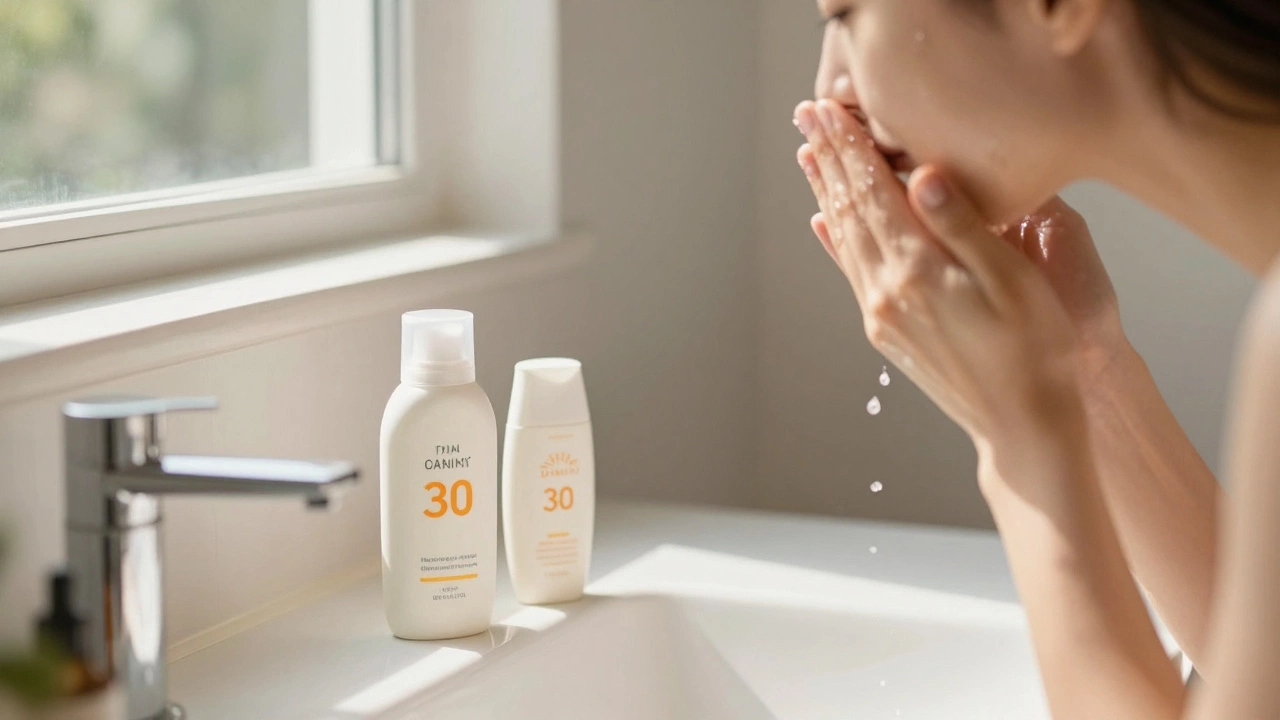
Morning? Wash your face with a gentle cleanser. Not scrubbing. Not hot water. Just lukewarm water and a soft texture. You’re not trying to strip your skin-you’re rinsing off sweat and oil that built up overnight. Then, slap on a lightweight moisturizer. Even oily skin needs hydration. If your skin feels tight after washing, you’re using something too harsh.
Then comes the non-negotiable: sunscreen. Every. Single. Day. Rain or shine, winter or summer. UV rays don’t take a day off. In Sydney, even on a cloudy March morning, UVA levels are high enough to cause damage. Use at least SPF 30. Reapply if you’re outside for hours. Sunscreen isn’t optional. It’s the single most effective anti-aging tool you’ll ever use.
Evening: remove, repair, renew
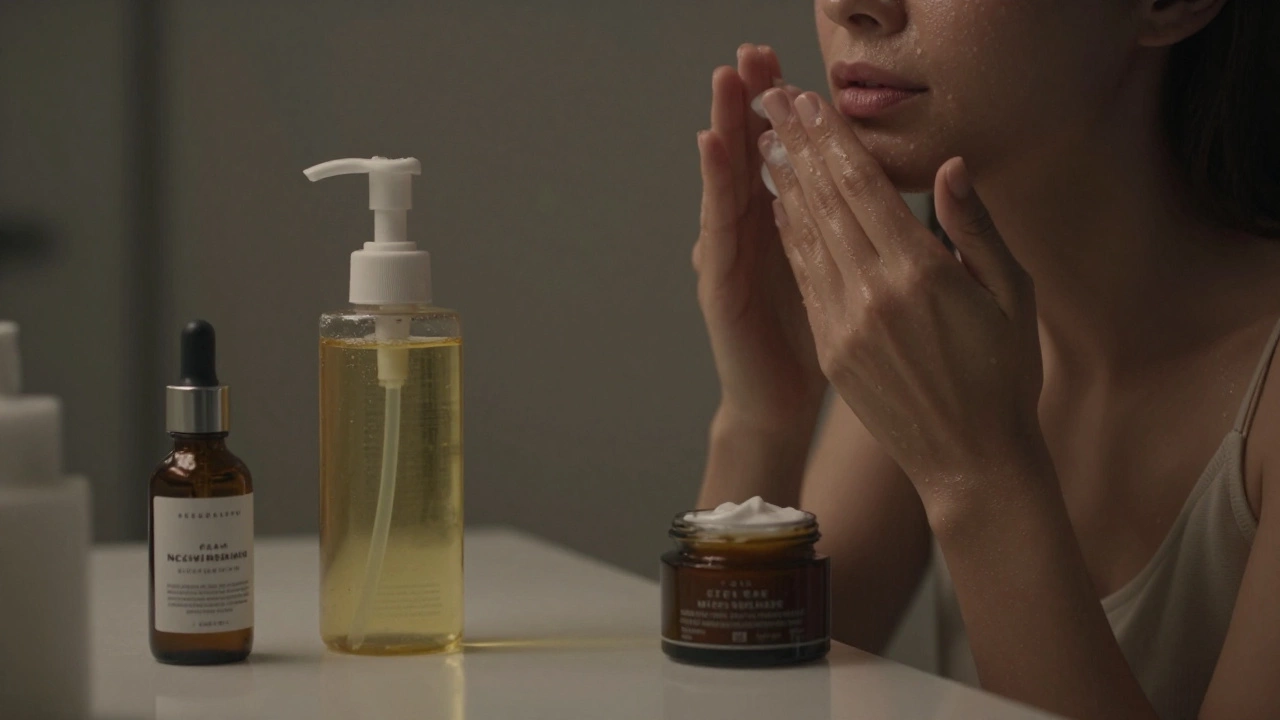
At night, your skin shifts into repair mode. That’s when you give it the tools to heal. Start by removing makeup and dirt. Use an oil-based cleanser or micellar water if you wear sunscreen or makeup. Don’t skip this step. Sleeping with residue clogs pores and triggers breakouts.
Follow with your gentle cleanser again. Yes, double cleanse if you need to. But if you didn’t wear makeup and only used sunscreen, one cleanse is enough. No need to over-cleanse. Your skin’s barrier isn’t a trash can-it’s a living shield.
Now, moisturize. At night, you can go heavier. Look for ingredients like hyaluronic acid, ceramides, or niacinamide. These aren’t magic. They’re repair workers. Hyaluronic acid pulls water into your skin. Ceramides patch up cracks in your barrier. Niacinamide calms redness and helps regulate oil.
Do you need retinol? Maybe. But not yet. Start with the basics for at least 4-6 weeks. If your skin still feels dry, dull, or breakout-prone, then consider adding a low-dose retinoid like adapalene (available over the counter in Australia). Start twice a week. Wait. Observe. Don’t rush.
What your skin type actually means
People say "I have oily skin" or "I’m dry" like it’s a fixed label. It’s not. Skin changes with seasons, stress, hormones, even your pillowcase. In Sydney, winter dries everything out. Summer makes some people greasy. That’s normal.
Here’s how to figure out your skin’s real state:
- Wash your face. Wait 30 minutes. Don’t touch it.
- If your T-zone (forehead, nose, chin) shines, you’re likely combination.
- If your whole face feels tight or flaky, you’re dry.
- If it’s shiny everywhere and you get blackheads or pimples often, you’re oily.
- If it stings, turns red, or reacts to products, you’re sensitive.
Don’t label yourself. Observe. Adjust. Your routine isn’t set in stone. It’s a living thing.
What to skip (and why)
You don’t need toner. Not really. Most toners are just water with a bit of alcohol or fragrance. They don’t "balance pH"-your skin does that on its own. Skip the witch hazel unless your dermatologist says so.
Exfoliate? Only if you need to. If your skin looks dull or feels rough, use a chemical exfoliant like lactic acid or glycolic acid-once or twice a week. No scrubs with walnut shells or microbeads. They tear your skin. Physical scrubs are outdated. Chemical exfoliants dissolve dead cells without abrasion. Safer. Smarter.
Don’t layer 10 serums. One active at a time. Layering vitamin C, retinol, and niacinamide all at once? That’s asking for irritation. Use vitamin C in the morning (antioxidant boost). Use retinol at night (cell turnover). Use niacinamide if you’re red or oily. Rotate. Don’t combine.
Real-life examples from real people
Here’s what works for three common skin situations in Sydney:
Case 1: Oily, breakout-prone skin (20s)
Morning: Gentle cleanser → SPF 30 moisturizer
Night: Double cleanse (oil + water-based) → niacinamide serum → lightweight moisturizer
Twice a week: Lactic acid toner instead of serum
Case 2: Dry, sensitive skin (30s-40s)
Morning: Cream cleanser → hyaluronic acid serum → ceramide moisturizer → SPF 50
Night: Same cleanser → ceramide cream → occlusive (petrolatum or squalane) on cheeks
Case 3: Combination, aging concerns (40s+)
Morning: Gel cleanser → vitamin C serum → SPF 30
Night: Double cleanse → retinol (2x/week) → moisturizer with peptides
Alternate nights: Hyaluronic acid + ceramide
Notice the pattern? No one uses 10 products. No one uses expensive brands. They use what works. And they stick to it.

How long does it take to see results?
Don’t expect miracles in two weeks. Skin renews itself every 28-40 days. That means real changes take 6-8 weeks. If you start a new routine and quit after 10 days, you’re not failing-you’re just impatient.
Keep a simple journal: note how your skin feels each morning. Not "perfect" or "terrible." Just: "less red," "a bit oily," "no new spots." Small shifts matter. You’ll see them if you pay attention.
When to see a derm
If your skin is painful, burning, or reacting to everything-even water-you need help. If breakouts won’t clear up after 3 months of consistent routine, see a dermatologist. If you’re using retinol and your skin peels like a snake, you’re overdoing it. A professional can adjust your routine without pushing expensive products.
Skincare isn’t about perfection. It’s about health. Your skin doesn’t need to glow like a filter. It needs to be calm, strong, and protected.
What’s next? Build your own routine
Start here:
- Get a gentle cleanser (no fragrance, no sulfates)
- Buy a daily SPF 30+ moisturizer (look for "broad spectrum")
- At night, use a simple moisturizer with ceramides or hyaluronic acid
- Wait 4 weeks. Observe.
- Then, if needed, add one active: niacinamide, lactic acid, or retinol
That’s your ideal routine. Not the one you saw on TikTok. Not the one your friend swears by. Yours. Simple. Sustainable. Real.
Do I need to use both morning and night routines?
Yes, but they don’t have to be complicated. Morning is about protection (sunscreen). Night is about repair (moisturizer, maybe retinol). You can use the same moisturizer both times if it’s not too heavy. The key is consistency-not complexity.
Can I use the same products for my face and body?
Not really. Facial skin is thinner and more sensitive. Body lotions often contain fragrances and heavy oils that clog pores. Stick to facial products on your face. You can use body lotion on arms and legs, but don’t risk breakouts by using it on your cheeks or forehead.
Is expensive skincare better than drugstore brands?
No. Many high-end brands charge for packaging, scent, or celebrity endorsements. Look at the ingredient list. A $15 niacinamide serum from The Ordinary works just as well as a $120 one. Focus on active ingredients, not price tags. Your skin can’t tell the difference.
What if I have acne? Should I skip moisturizer?
Never skip moisturizer if you have acne. Dry skin triggers more oil production, which makes breakouts worse. Use a non-comedogenic, oil-free moisturizer. Many acne treatments (like benzoyl peroxide or retinoids) dry out skin. Moisturizer balances that out. It’s part of the solution, not the problem.
How do I know if a product is working?
Look for fewer breakouts, less redness, and smoother texture. Don’t expect instant glow. Real improvement takes 6-8 weeks. If your skin feels irritated, stings, or turns red after applying, stop. That’s not working-it’s damaging. Good products calm your skin, not attack it.
 Skincare