Professional vs. OTC Skincare Comparison Tool
Professional Grade
Higher concentrations, clinical testing, advanced delivery systems
- ✓ 10-20%+ Active Ingredients
- ✓ Clinically Tested
- ✓ Advanced Delivery Systems
- ✓ Minimal Fillers
Over-the-Counter (OTC)
Lower concentrations, broader accessibility, gentler formulas
- ~ Usually <10% Actives
- ~ Limited Clinical Testing
- ~ Standard Formulation
- ~ More Fillers & Fragrances
Active Ingredient Concentration Calculator
Enter the percentage of active ingredient in your product to see its classification and effectiveness level.
Skin Concern Assessment
Select your primary skin concerns to get personalized recommendations on professional vs. OTC skincare approaches.
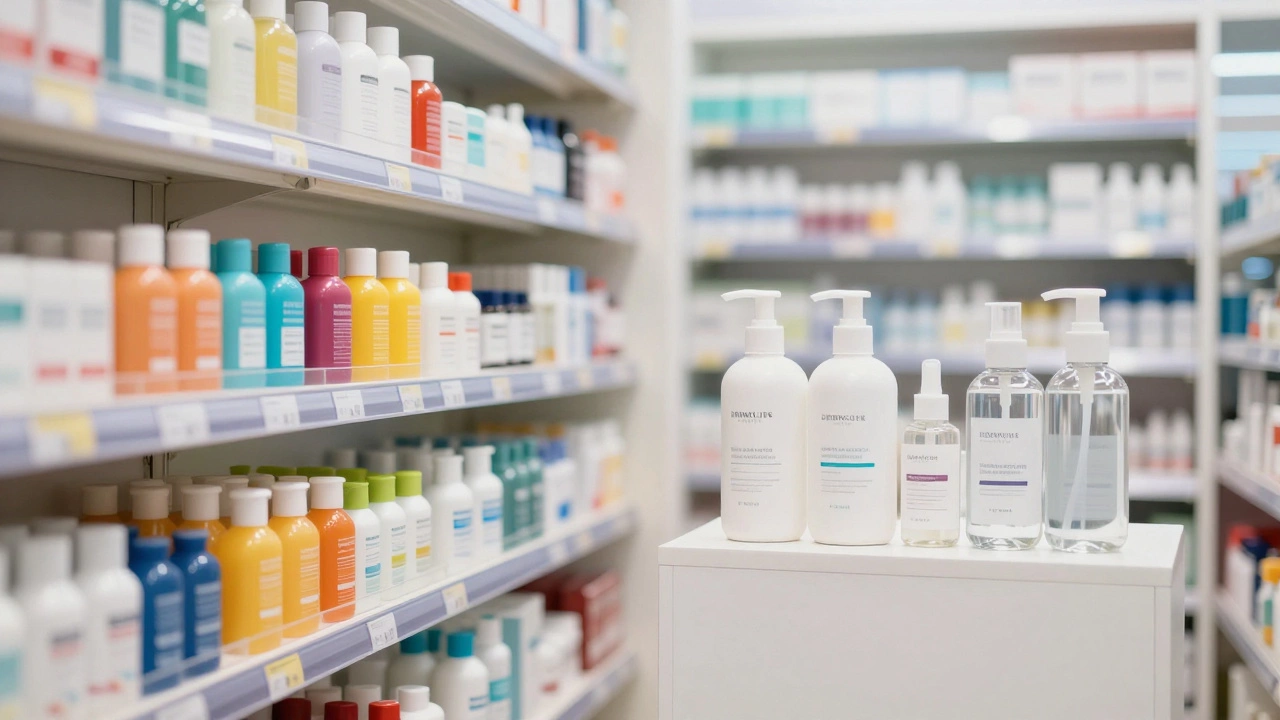
You’ve probably seen the shelves at your local pharmacy or beauty retailer split into two distinct zones. On one side, you have the colorful bottles with familiar brand names you see in ads. On the other, often tucked away near the back or behind a counter, are products labeled as professional grade skincare. These bottles usually look more serious-minimalist packaging, white or clear glass, and ingredient lists that read like a chemistry textbook. But what actually makes them "professional"? Is it just marketing hype to charge you more, or is there a real difference in how they work on your skin?
The short answer is yes, there is a difference, but it’s not about magic potions. It comes down to concentration, formulation, and regulation. Understanding this distinction can save you money, prevent irritation, and finally get you the results you’re looking for.
Defining Professional Grade Skincare
Professional grade skincare is cosmetic products formulated with higher concentrations of active ingredients, designed for use by licensed estheticians, dermatologists, or under their direct supervision. Unlike standard over-the-counter (OTC) products found in department stores, these formulations are built to deliver measurable changes in skin texture, tone, and health.
Think of it this way: OTC skincare is like a gentle suggestion to your skin cells. Professional skincare is a direct command. The key differentiator is the percentage of active ingredients-the compounds that actually do the work, such as retinol, vitamin C, or alpha-hydroxy acids (AHAs). In many regions, including Australia and the US, OTC products are limited by law in how much of certain actives they can contain to ensure safety for unsupervised use. Professional products often bypass these limits because they are sold through channels where a professional assesses your skin first.
The Science: Concentration and Penetration
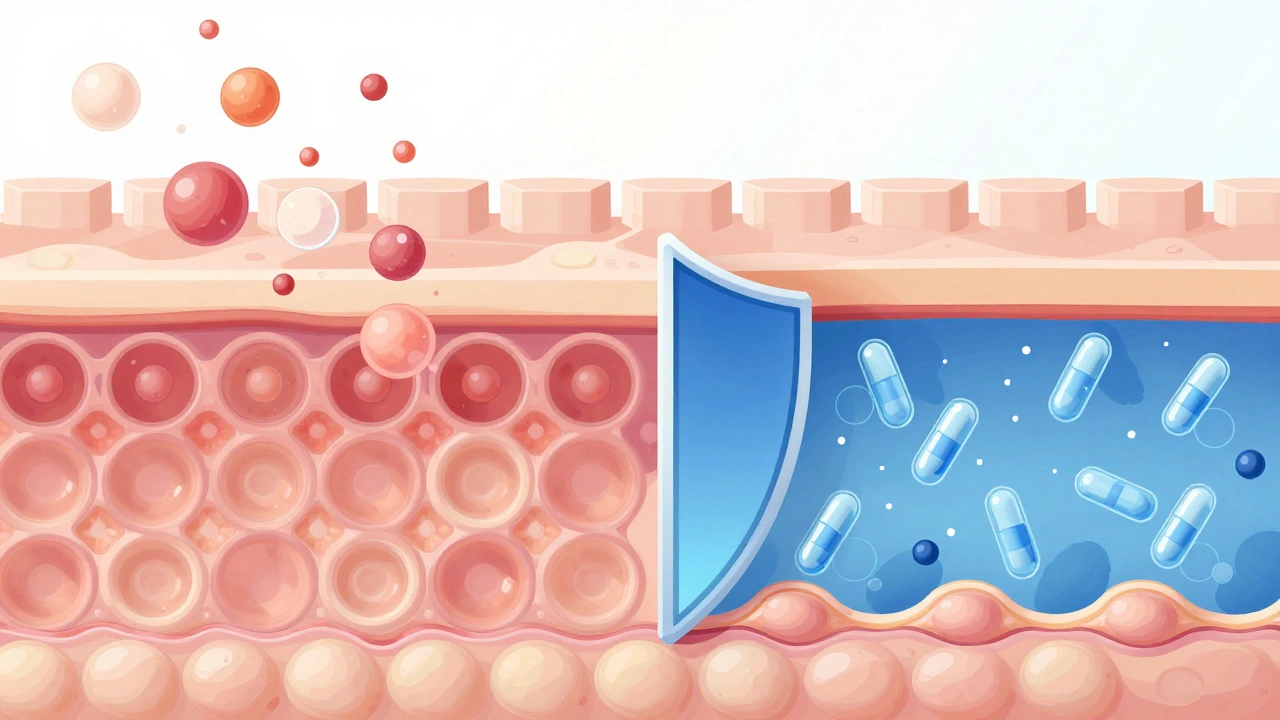
Why does concentration matter? Skin is designed to keep things out. Your skin barrier, specifically the stratum corneum, acts as a shield against bacteria, pollutants, and moisture loss. For an ingredient to work, it needs to penetrate this barrier and reach the living layers of the epidermis where cell turnover happens.
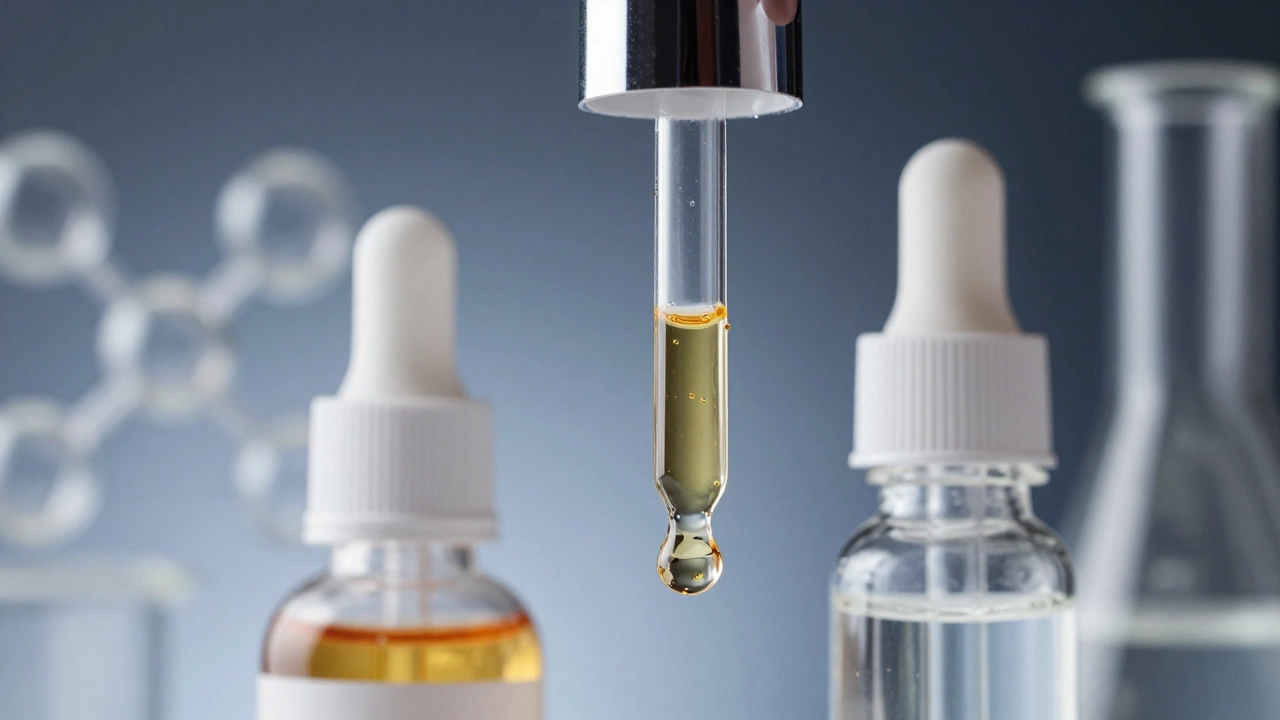
Many drugstore products use low concentrations of actives because they rely on large molecules that sit on top of the skin. They might make your skin feel softer temporarily, but they don’t change its structure. Professional brands invest heavily in delivery systems. These are technologies that shrink the molecular size of ingredients or encapsulate them so they release slowly and deeply into the skin.
- Higher Potency: A professional vitamin C serum might contain 15-20% L-ascorbic acid, whereas an OTC version might cap at 10% to avoid instability and irritation.
- Better Stability: Professional formulas often use airless pumps and opaque packaging to protect light-sensitive ingredients from degrading before you even open the bottle.
- Pure Ingredients: There is less filler. You won’t find cheap thickeners or excessive fragrances masking the scent of potent actives.
Regulation and Safety Standards
In Australia, where I live, the Therapeutic Goods Administration (TGA) regulates cosmetics differently than medicines. However, professional skincare often bridges this gap. While technically still classified as cosmetics, many professional lines undergo rigorous clinical testing to prove efficacy and safety. This is why you’ll often see terms like "clinically proven" or "dermatologically tested" on professional labels.
This isn’t just about sounding fancy. It means the product has been tested on human subjects to measure specific outcomes, such as a reduction in fine lines after 12 weeks or an increase in collagen density. OTC brands rarely conduct this level of expensive testing because their margins are thinner and their target audience is broader. Professional brands sell fewer units but at a higher price point, allowing them to invest in R&D and clinical trials.
| Feature | Professional Grade | Over-the-Counter (OTC) |
|---|---|---|
| Active Ingredient Concentration | High (often 10-20%+) | Low to Medium (usually <5-10%) |
| Primary Goal | Treatment and correction | Maintenance and hydration |
| Sales Channel | Clinics, spas, authorized retailers | Department stores, supermarkets, online |
| Customization | High (often prescribed by pro) | Low (one-size-fits-all) |
| Price Point | $50 - $150+ | $10 - $40 |
Who Actually Needs Professional Skincare?
Not everyone needs to switch to professional-grade products immediately. If you have healthy, resilient skin and your main goal is basic hydration and sun protection, high-quality OTC products can serve you well. However, professional skincare becomes necessary when you are dealing with specific concerns that require targeted intervention.
Consider professional options if you are experiencing:
- Persistent Acne: When topical benzoyl peroxide or salicylic acid hasn’t cleared breakouts, stronger prescriptions or professional-strength retinoids may be needed.
- Hyperpigmentation: Dark spots and melasma often require hydroquinone or tranexamic acid at concentrations not available OTC.
- Significant Photoaging: Deep wrinkles and loss of elasticity respond better to prescription retinoids (like tretinoin) or high-potency growth factors.
- Sensitive or Compromised Barriers: Ironically, sensitive skin often benefits from professional brands because they formulate without common irritants like fragrance, essential oils, and harsh sulfates.
Common Misconceptions About "Professional" Labels
The term "professional" is unfortunately unregulated in many markets. Any company can slap that word on their bottle. This leads to confusion. Here is how to spot the real deal versus the marketing fluff.
The "Clean Beauty" Trap: Some brands claim to be professional because they are "natural" or "clean." While natural ingredients can be beneficial, "professional" refers to efficacy and potency, not just ingredient sourcing. A strong professional formula might include synthetic peptides because they are more effective at stimulating collagen than plant extracts alone.
The Price Tag Fallacy: Expensive doesn’t always mean professional. Luxury department store brands often charge for branding, packaging, and celebrity endorsements. True professional brands prioritize function over form. Their packaging is usually utilitarian-airless pumps, droppers, or simple jars-designed to preserve the integrity of the actives.
How to Incorporate Professional Products Safely
Moving from OTC to professional skincare requires caution. Because these products are more potent, they can cause irritation, redness, or peeling if introduced too quickly. This is known as the "retinization" process when using retinoids, but it applies to strong acids and vitamin C as well.
- Start Slowly: Use a new professional product two to three times a week, gradually increasing frequency as your skin tolerates it.
- Patch Test: Apply a small amount behind your ear or on your inner arm for 24 hours to check for allergic reactions.
- Layer Wisely: Do not mix multiple strong actives at once. For example, avoid using a strong AHA exfoliant and a retinoid in the same routine unless directed by a professional.
- Protect with SPF: Most professional actives increase sun sensitivity. Daily broad-spectrum sunscreen is non-negotiable.
Finding Reputable Brands
Since anyone can claim to be professional, look for brands that are endorsed by medical professionals or sold exclusively through clinics. In Australia, brands like SkinCeuticals, Paula’s Choice (though widely available now, started as a professional line), and Obagi are staples in dermatology offices. Look for transparency in ingredient listing and evidence-based claims.
If you are unsure, consult a licensed esthetician or dermatologist. They can analyze your skin type and recommend a regimen tailored to your specific needs. This personalized approach is the true value of professional skincare-it’s not just about buying a bottle; it’s about following a science-backed protocol.
Is professional grade skincare worth the extra cost?
For most people with specific skin concerns like acne, aging, or pigmentation, yes. The higher concentration of active ingredients means you often see results faster and with smaller amounts of product. However, for basic hydration and maintenance, high-quality OTC products can be sufficient and more budget-friendly.
Can I buy professional skincare online?
Yes, many reputable brands now sell directly to consumers via their websites or authorized online retailers. However, be cautious of counterfeit products on third-party marketplaces. Always buy from official sources to ensure the product's integrity and freshness.
Does professional skincare cause more irritation?
It can, if used incorrectly. Because the actives are more potent, they are more likely to cause dryness or redness initially. This is why starting slowly and building tolerance is crucial. Many professional brands also offer "gentle" versions of their actives for sensitive skin types.
What is the difference between clinical and professional skincare?
The terms are often used interchangeably. "Clinical" implies the product has been tested in clinical trials for efficacy, while "professional" suggests it is intended for use by or under the guidance of a skincare professional. Ideally, a product should be both.
Do I need a prescription for professional skincare?
No, most professional skincare products are cosmetics and do not require a prescription. However, some very potent ingredients, like tretinoin or hydroquinone in certain concentrations, may require a doctor's prescription depending on local regulations. In Australia, many strong actives are available OTC but are recommended to be used under professional guidance.
 Skincare