Professional Skincare Navigator
Not sure who to see? Select your primary concern below to find the right level of professional care.
You walk into a clinic or a high-end salon, and the air smells different-cleaner, sharper. The staff don't just ask if you want a facial; they talk about professional skincare, advanced dermatological procedures and clinical-grade treatments designed to address specific skin pathologies rather than just surface-level cleanliness. If you've ever wondered why your friend's "facial" cost three times as much as yours, or why their esthetician used words like "peel," "laser," and "protocol," you're asking the right question. What is professional skincare called? The short answer is that it isn't one single word. It's a spectrum ranging from basic spa maintenance to rigorous medical interventions.
Most people confuse these terms because marketing blurs the lines. A day spa might sell you a "medical facial," while a dermatologist offers a simple "cleansing routine." To navigate this, you need to understand the hierarchy of skin care. It’s not just about getting pretty; it’s about understanding who is touching your face and what tools they are allowed to use by law.
The Core Terminology: Esthetics vs. Dermatology
When industry insiders talk about non-surgical skin care, they usually refer to esthetics. This field focuses on the health and beauty of the skin through cosmetic treatments. An esthetician (or esthetologist) is a licensed professional trained in analyzing skin conditions and performing treatments like facials, chemical peels, and microdermabrasion.
However, there is a critical distinction between a standard esthetician and a medical esthetician. While both perform similar services, medical estheticians work under the supervision of a physician, often in a clinical setting. They handle more aggressive treatments, such as deeper chemical peels or laser hair removal, which require a higher level of anatomical knowledge and safety protocols.
If you go further up the ladder, you hit dermatology. This is a branch of medicine focused on the diagnosis and treatment of skin disorders. Dermatologists are medical doctors (MDs). They can prescribe medication, perform biopsies, and conduct surgical procedures like mole removals or Mohs surgery. When someone asks, "Is this professional skincare?" they are often trying to figure out if they need an esthetician for glow-up purposes or a dermatologist for a rash that won’t quit.
| Level | Professional Title | Primary Focus | Typical Treatments | Regulatory Body |
|---|---|---|---|---|
| Cosmetic | Esthetician / Spa Therapist | Maintenance & Relaxation | Facials, Extractions, Basic Peels | State Beauty Boards |
| Clinical | Medical Esthetician | Corrective & Advanced | Laser Therapy, Deep Peels, Microneedling | State Medical/Beauty Boards |
| Medical | Dermatologist | Pathology & Disease | Botox, Fillers, Biopsies, Prescription Topicals | Medical Licensing Board |
Why "Clinical" Is the Buzzword You Need to Know
If you see the term clinical skincare on a menu or a product bottle, pay attention. In this context, "clinical" implies that the treatment or product has been tested for efficacy, often involving higher concentrations of active ingredients than what you find at the drugstore.
For example, a standard over-the-counter retinol cream might contain 0.3% concentration. A clinical-grade version prescribed by a doctor could contain 1% or even 2%, but it requires careful monitoring to avoid irritation. This is where the line gets blurry for consumers. You might buy a serum online labeled "professional strength," but unless it was formulated by a lab with peer-reviewed studies behind it, it’s just marketing fluff.
True professional skincare relies on active ingredients like hyaluronic acid, vitamin C, niacinamide, and retinoids. But the delivery system matters just as much as the ingredient itself. Professional formulations often use encapsulation technology to ensure the active ingredient penetrates the stratum corneum (the outer layer of skin) effectively.
Common Names for Specific Professional Treatments
When booking an appointment, you’ll encounter specific jargon. Here is a breakdown of what these actually mean so you don’t feel intimidated during the consultation:
- Chemical Exfoliation: Often called a "chemical peel," this involves applying an acid solution (like glycolic, salicylic, or lactic acid) to remove dead skin cells. Unlike scrubs, which physically abrade the skin, acids dissolve the bonds holding dead cells together. Light peels are done by estheticians; deep peels are for dermatologists.
- Microdermabrasion: A mechanical exfoliation technique using fine crystals or a diamond-tipped wand to sand away the top layer of skin. It’s less invasive than a peel but still considered a professional service because improper use can cause bruising or sensitivity.
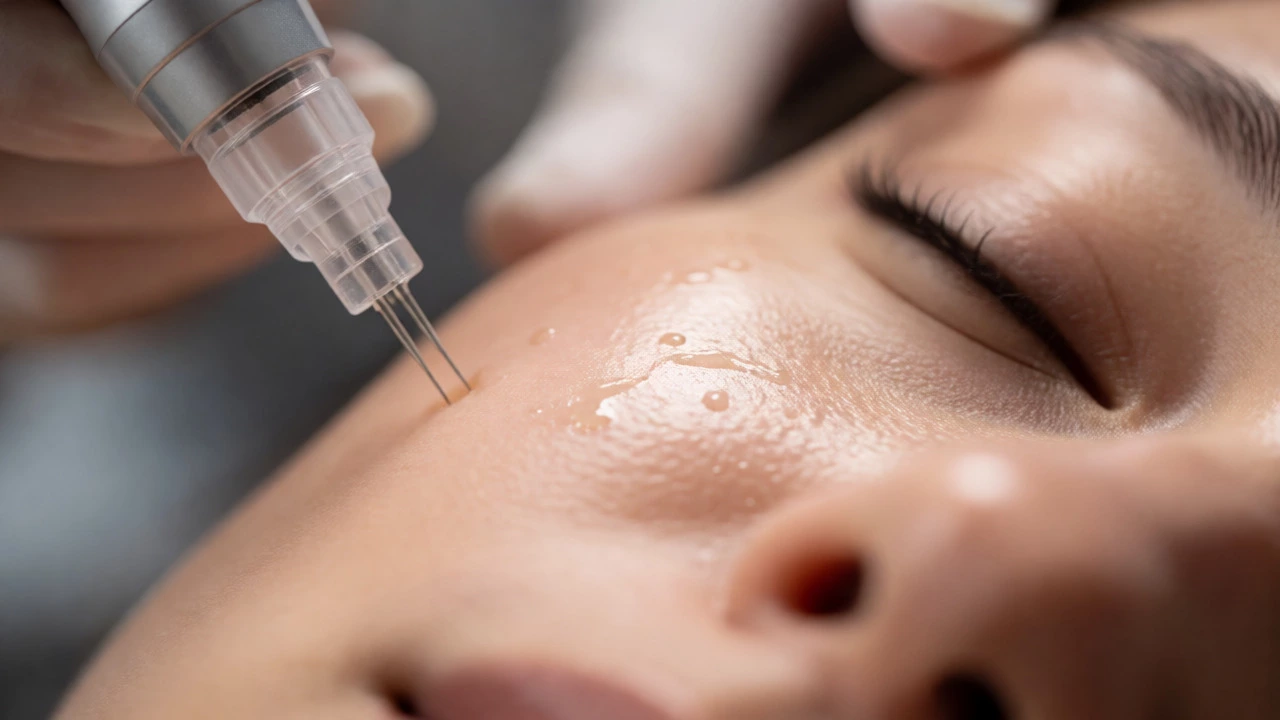
- Microneedling: Also known as collagen induction therapy. A device with tiny needles creates micro-injuries in the skin, triggering the body’s natural healing process to produce new collagen and elastin. This is almost exclusively performed by medical estheticians or nurses due to the risk of infection if not sterilized correctly.
- HydraFacial: A branded treatment name that has become generic for "multi-step hydrating facials." It uses a vortex-fusion delivery system to cleanse, extract, and hydrate simultaneously. It’s popular because it’s non-irritating and provides immediate results.
Notice how none of these are just called "face washes." That’s because professional skincare is defined by its ability to alter the structure or function of the skin temporarily or permanently.
The Role of Medical Grade Products
Another part of the answer to "what is professional skincare called?" lies in the products themselves. Many clinics operate on a model where the treatment is half the battle, and the home-care regimen is the other half. These are referred to as medical grade skincare products.
Unlike mass-market cosmetics, medical grade brands (such as Obagi, SkinCeuticals, or iS Clinical) are typically sold only through licensed professionals. Why? Because they require guidance. Using a strong hydroquinone cream without sun protection advice can lead to rebound hyperpigmentation. Professionals act as gatekeepers, ensuring you don’t damage your barrier function with potent actives.
These products undergo stricter quality control and stability testing. For instance, pure Vitamin C (L-ascorbic acid) is notoriously unstable. It oxidizes quickly when exposed to light and air. Professional formulations use packaging like airless pumps or opaque glass to preserve potency, something cheap jars fail to do. If you’re spending $80 on a serum, you want to know it’s still active when you apply it, not brown sludge.
How to Identify a Legitimate Professional Service
With the rise of "Instagram aesthetics," many unlicensed practitioners offer dangerous treatments. How do you spot the real deal? Look for these markers:
- Consultation First: A legitimate professional will never skip the intake form. They need to know about your medications, allergies, and history. If they start extractions before checking if you’re on Accutane (isotretinoin), run.
- Clear Scope of Practice: An esthetician should tell you what they *can’t* do. If they promise to "cure" eczema or "remove" a suspicious mole, they are overstepping. Those are medical issues.
- Hygiene Standards: Look for autoclaves (sterilizers) for metal tools. Disposable items should be opened in front of you. Sheets should be fresh, and towels should be hot and clean.
- Evidence-Based Recommendations: Good pros cite science. They explain *why* a treatment works, referencing collagen production or cell turnover rates, rather than just saying "it detoxifies the skin" (a myth, since the liver and kidneys handle detox).

Regional Differences in Terminology
It’s worth noting that language varies by location. In Australia, where I live, we often use the term dermal therapist. This is a highly qualified profession requiring a diploma or degree, distinct from a standard beauty therapist. Dermal therapists have extensive training in skin pathology and advanced treatments.
In the United States, the title "esthetician" is regulated at the state level, meaning requirements vary wildly. In some states, you can get a license with a few hundred hours of training; in others, it’s nearly two years. Always check local regulations. If you travel, a "facial" in Sydney might be a "treatment" in London, and a "service" in New York. The core concept remains: it’s a specialized intervention beyond daily hygiene.
FAQ
What is the difference between an esthetician and a cosmetologist?
An esthetician specializes specifically in skin care treatments like facials, peels, and waxing. A cosmetologist is a broader term covering hair, nails, and makeup, though they may also receive basic skin care training. If you have complex skin concerns like acne or rosacea, an esthetician is generally the better choice due to their focused education.
Are professional skincare products really better than drugstore ones?
Not always, but often yes for specific concerns. Professional products typically have higher concentrations of active ingredients and better penetration technology. However, a well-formulated drugstore product with proven ingredients (like CeraVe or La Roche-Posay) can be just as effective for general maintenance. The value lies in targeted treatment and professional guidance, not just the price tag.
Do I need a dermatologist for every skin issue?
No. For cosmetic concerns like dullness, mild acne, or aging, an esthetician or medical esthetician is sufficient. See a dermatologist if you have persistent rashes, suspicious moles, severe cystic acne, or conditions requiring prescription medication like steroids or antibiotics.
What does "clinical grade" mean on a product label?
There is no strict legal definition for "clinical grade," so it is largely a marketing term. However, reputable brands using this label usually provide third-party testing data or peer-reviewed studies supporting their claims. Always look for specific percentages of active ingredients rather than relying solely on the "clinical" buzzword.
Can I do professional treatments at home?
You can replicate some aspects, like using stronger serums or at-home LED masks, but you cannot safely perform procedures like microneedling or deep chemical peels at home. These require sterile environments and professional skill to avoid scarring or infection. Stick to cleansing, moisturizing, and protecting at home, and leave the structural changes to the pros.
 Skincare