Personalized Anti-Aging Treatment Planner
Your Personalized Strategy
Enter your details to generate a customized anti-aging roadmap and budget estimate.
Walking into a clinic or scrolling through social media, you are bombarded with promises of eternal youth. Laser resurfacing, injectables, peptides, and serums all claim to be the holy grail. But here is the hard truth: there is no single "best" treatment for an anti-aging face. The most effective approach depends entirely on your specific skin concerns, budget, and tolerance for downtime. What works wonders for deep wrinkles might do nothing for sagging skin.
To get real results, you need to understand that aging happens in layers. You have surface texture issues, volume loss, muscle movement lines, and structural sagging. Each layer requires a different tool. This guide breaks down the top-tier treatments available in 2026, from at-home essentials to professional procedures, so you can build a strategy that actually works for your face.
The Foundation: Topical Actives That Actually Work
Before spending thousands on procedures, you must master the basics. Professional treatments fail if your daily routine is weak. The gold standard for topical anti-aging remains Retinol, which is a derivative of vitamin A that accelerates cell turnover and boosts collagen production. It is not just a trend; decades of clinical data support its ability to reduce fine lines and improve skin texture. Start with a low concentration (0.1% to 0.3%) to avoid irritation, and apply it at night. Your skin needs time to adjust.
Pair retinol with Vitamin C, which is a powerful antioxidant that protects against free radical damage and brightens hyperpigmentation. Use Vitamin C in the morning under sunscreen. Sunscreen itself is arguably the most important anti-aging product you own. Without broad-spectrum SPF 30 or higher, every other treatment is fighting an uphill battle against UV damage, which accounts for up to 80% of visible facial aging.
- Retinoids: Prescription-strength tretinoin offers stronger results than over-the-counter retinol but requires a doctor’s supervision due to potential side effects like peeling and redness.
- Hyaluronic Acid: While it doesn’t rebuild collagen, it hydrates the skin deeply, plumping up fine lines temporarily and improving overall elasticity.
- Niacinamide: Helps strengthen the skin barrier and reduces inflammation, making it a great companion to retinol for sensitive skin types.
Injectables: Targeted Solutions for Wrinkles and Volume Loss
If topicals aren’t enough, injectables offer precise corrections. They fall into two main categories: neuromodulators and dermal fillers. Understanding the difference is crucial because they solve different problems.
Botox and similar neuromodulators like Dysport work by blocking nerve signals to muscles. This relaxes the muscles responsible for dynamic wrinkles-lines that appear when you move your face, such as frown lines between the eyebrows or crow’s feet around the eyes. The effect typically lasts three to four months. It is preventative as well as corrective; starting early can stop deep creases from forming permanently.
Dermal Fillers, on the other hand, restore lost volume. As we age, we lose fat pads and bone density, leading to hollow cheeks, thin lips, and tear troughs. Hyaluronic acid-based fillers like Juvederm or Restylane add physical structure back to these areas. Results last six to eighteen months depending on the product and placement. A skilled injector focuses on subtle enhancement rather than dramatic change, aiming for a natural look that respects your facial anatomy.
| Treatment Type | Best For | Duration | Average Cost (USD) |
|---|---|---|---|
| Botox/Dysport | Dynamic wrinkles (forehead, eyes) | 3-4 months | $300-$600 per session |
| Hyaluronic Acid Fillers | Volume loss (cheeks, lips, nasolabial folds) | 6-18 months | $500-$800 per syringe |
| Biostimulatory Fillers (Sculptra) | Overall facial volume restoration | Up to 2 years | $700-$1,000 per vial |

Energy-Based Devices: Resurfacing and Tightening
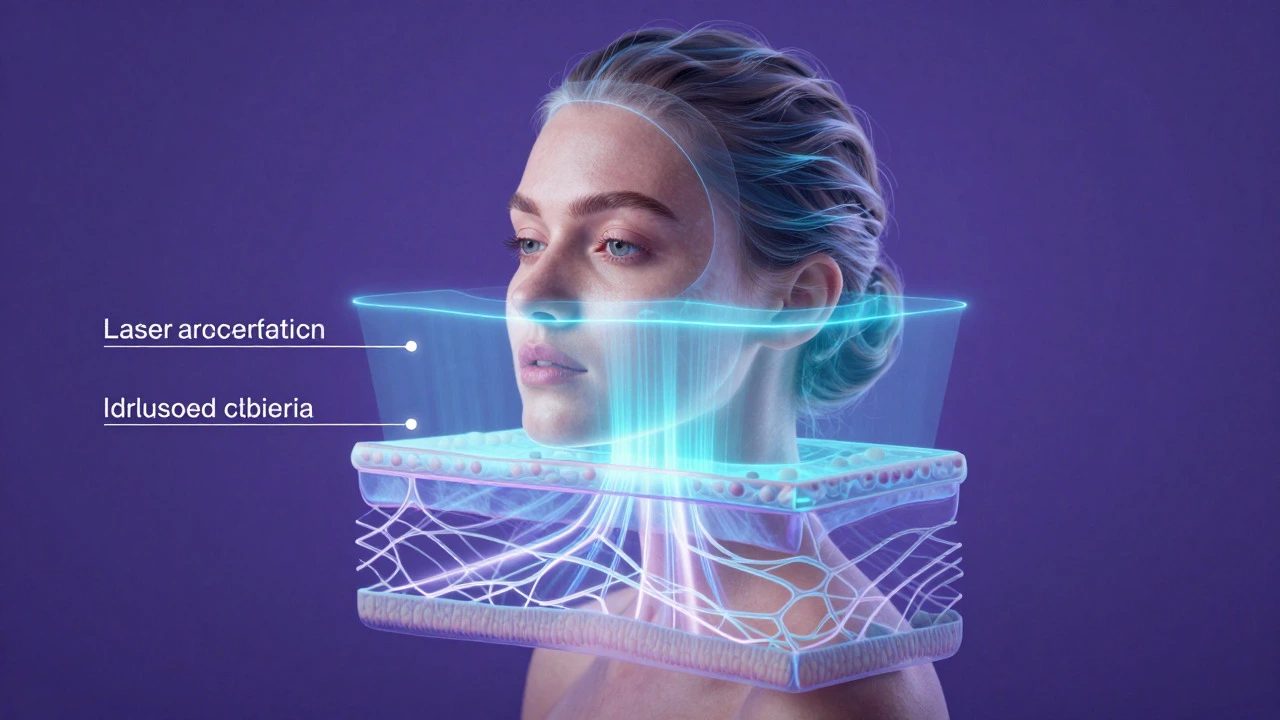
For concerns related to skin laxity, texture, and sun damage, energy-based devices are highly effective. These treatments use heat or light to stimulate collagen remodeling deep within the dermis.
Laser Resurfacing ranges from non-ablative fractional lasers to fully ablative CO2 lasers. Non-ablative options cause minimal downtime and improve mild texture issues, while ablative lasers remove the outer layers of skin for dramatic rejuvenation but require one to two weeks of recovery. They are excellent for treating acne scars, deep wrinkles, and uneven pigmentation.
Radiofrequency Microneedling combines microneedling with radiofrequency energy. Tiny needles penetrate the skin to deliver heat directly to the collagen-producing layers. This tightens skin and improves texture without affecting the surface pigment, making it safer for darker skin tones compared to some lasers. Devices like Morpheus8 have gained popularity for their ability to treat both the face and neck effectively.
Ultrasound therapy, such as Ultherapy, uses focused ultrasound to lift and tighten the brow, chin, and neck. It targets deeper structural layers than lasers, providing a non-surgical facelift effect. Results appear gradually over two to three months as new collagen forms.
Choosing the Right Path: Factors to Consider
Selecting the best treatment involves more than just picking the most expensive option. You must evaluate several key factors to ensure safety and satisfaction.
- Skin Type and Tone: Certain lasers carry a risk of post-inflammatory hyperpigmentation in darker skin tones. Consult a provider experienced with your ethnicity to choose safe parameters.
- Budget and Maintenance: Injectables and lasers require ongoing maintenance. Calculate the long-term cost, not just the initial price tag. Some people prefer a smaller monthly investment in topicals, while others opt for periodic high-cost procedures.
- Downtime Tolerance: Can you afford a week off work for laser recovery? If not, non-ablative treatments or injectables with little to no downtime may be better choices.
- Realistic Expectations: No treatment will make you look twenty again. The goal is to look like the best version of yourself at your current age. Discuss desired outcomes clearly with your provider.
Combining Treatments for Synergistic Results
The most successful anti-aging strategies often combine multiple modalities. This is known as a "combination approach." For example, you might use Botox to smooth forehead lines, fillers to restore cheek volume, and a non-ablative laser to improve skin texture and tone. Each treatment addresses a different aspect of aging, creating a comprehensive result.
Always space out aggressive treatments. If you undergo laser resurfacing, wait until your skin has fully healed before scheduling injectables. Your provider should create a personalized roadmap that sequences treatments logically to maximize benefits and minimize risks.
Frequently Asked Questions
Is there a permanent solution for anti-aging?
No treatment is truly permanent. Gravity, genetics, and lifestyle continue to affect your skin. Surgical facelifts provide the longest-lasting results (often 10+ years), but even these eventually wear off. Most non-surgical treatments require maintenance every six months to two years.
When should I start getting Botox?
Many dermatologists recommend starting preventive Botox in your late twenties or early thirties, before deep static lines form. However, it is never too late to start. The key is addressing concerns as they arise rather than waiting for severe aging signs.
Are home RF devices as effective as professional ones?
Home radiofrequency devices are much less powerful than clinical machines. They can provide mild tightening and improved texture with consistent use, but they will not match the dramatic results of professional treatments like Morpheus8 or Thermage. Think of them as maintenance tools rather than primary solutions.
Can diet impact facial aging?
Yes. High sugar intake leads to glycation, which damages collagen and elastin. Chronic inflammation from processed foods also accelerates aging. A diet rich in antioxidants, healthy fats, and omega-3 fatty acids supports skin health from the inside out, complementing topical and procedural treatments.
How do I find a qualified provider?
Look for board-certified dermatologists or plastic surgeons. For injectables, experience matters more than credentials alone. Review before-and-after photos of patients with similar skin types and concerns. Avoid medispas where nurses perform injections without direct physician supervision unless the facility has a strong reputation and oversight protocol.
 Skincare