
Beauty Subscription Cancellation Difficulty Checker
Select a service below to see its cancellation difficulty score, common complaints, and our recommended strategy for getting out.
You signed up for a monthly surprise of lip gloss and face masks because it felt like self-care in a box. It was fun for three months. Then your bathroom cabinet started overflowing with half-used serums you never opened, and the $15 charge hit your card every single month without fail. You decide enough is enough. You go to cancel. And then the nightmare begins. Hidden menus, retention offers that feel like emotional blackmail, and chatbots that loop you into purgatory. Why do some beauty subscription boxes make leaving easier than staying?
It’s not just about money; it’s about mental energy. In Sydney, where we value a good deal but also our time, the friction of cancelling can cost more than the subscription itself. Let’s look at which services are notorious for making you jump through hoops, and which ones let you walk away with dignity.
The Psychology of Friction: Why They Don’t Want You Gone
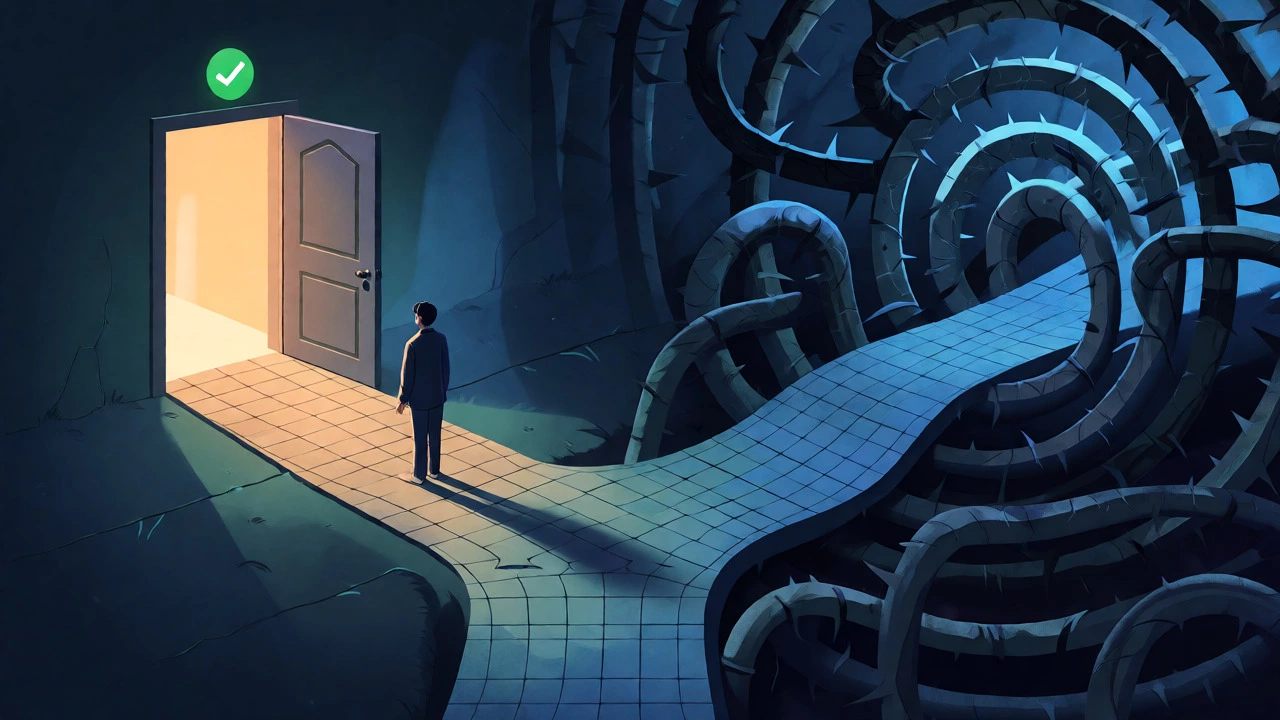
Companies don’t hate you. They just love recurring revenue. The hardest subscriptions to cancel aren’t necessarily the worst products-they’re the ones designed with "dark patterns" in mind. These are user interface tricks that make saying "no" psychologically harder. For example, when you click "Cancel," you might be asked five questions before you even see a confirmation button. Or worse, you have to call a phone number during business hours in a different time zone.
This isn't accidental. It's based on churn reduction strategies. If they can make you hesitate, there's a chance you'll forget to finish the process. In the beauty industry, this is amplified because the product arrives physically. You have to wait for the box to arrive before you realize you didn't need it, creating a sunk cost fallacy. You think, "Well, I already paid for it, so I should keep it." That hesitation is exactly what the subscription model banks on.
The Heavyweights: Who Makes Cancellation Painful?
Based on consumer reports and community forums from late 2025 into 2026, a few names consistently pop up as difficult exits. While policies change, the reputation sticks.
| Service | Cancellation Method | Common Complaint | Difficulty Score (1-10) |
|---|---|---|---|
| Ipsy | Online via Account Settings | Must cancel before billing date; confusing tier options | 4 |
| Birchbox | Online or Phone | Retention offers require navigating multiple pages | 5 |
| Curology | Chatbot or Email | Requires speaking to a human; slow response times | 7 |
| Sephora Play | In-app only | Hard to find settings menu; no direct email support | 8 |
| FabFitFun | Online (Seasonal Lock-in) | Cannot cancel mid-season; must wait for term end | 9 |
Notice FabFitFun. It’s technically a lifestyle box, but many beauty lovers use it for skincare and makeup samples. The catch? It operates on a seasonal model. You buy a quarter’s worth of goods upfront. If you want out, you often have to wait until the current season ends. You can’t just stop the next box if you’ve already paid for the bundle. This lack of flexibility makes it one of the most frustrating exits for users who realize after month one that they don’t need another candle and a pair of sunglasses.
Then there’s Curology, a personalized skincare service. Because it involves medical consultations and custom formulas, cancelling isn’t just clicking a button. You often need to speak to a representative to confirm you don’t need a refill. The chatbot is programmed to offer discounts first. If you just say "cancel," it asks why. If you insist, it might take days to process the request. For someone dealing with acne breakouts who wants to switch dermatologists, this delay feels personal.
The Easy Exits: Where You Can Walk Away Freely
Not all hope is lost. Some companies respect your autonomy. Ipsy, despite its popularity, has actually improved its cancellation flow. You log in, go to account settings, and click cancel. Done. No guilt trips. No "are you sure you want to lose access to exclusive sales?" pop-ups that last for ten minutes. The key is timing. If you miss the billing cycle by an hour, you pay for another month. But the mechanism itself is clean.
Similarly, smaller indie brands like Lush Fresh Handmade Cosmetics (which offers gift sets rather than traditional monthly boxes) or niche Korean beauty boxes like YesStyle's subscription models tend to be more transparent. They know their audience values authenticity over aggressive retention tactics. If you’re looking for a low-friction experience, these are safer bets.
How to Cancel Without Losing Your Mind
If you’re stuck in a subscription trap, here’s how to get out efficiently. Don’t just click "Cancel" and hope for the best. Be strategic.
- Check the Billing Date: Most beauty boxes bill on the same day each month. Find out yours. Cancel at least 3-5 days before that date. If you wait until the morning of, you might get charged.
- Screenshot Everything: When you initiate cancellation, take screenshots of the confirmation page and any reference numbers. If they charge you again, you have proof.
- Use Virtual Card Numbers: Services like Revolut or Commonwealth Bank in Australia allow you to generate temporary card numbers. Use one for your subscription. If they try to charge it after you’ve cancelled, the transaction fails, and you avoid the hassle of disputing charges later.
- Beware of "Pause" vs. "Cancel": Many sites will offer to "pause" your subscription instead of cancelling. Pausing often keeps your data active and might auto-renew later. Explicitly choose "Cancel" to ensure the contract ends.
One common pitfall is assuming that unsubscribing from emails means cancelling the subscription. It doesn’t. You’ll still get billed. Always go to the account dashboard directly.
The Australian Context: Consumer Law Helps
Living in Sydney, you have rights under the Australian Consumer Law. If a company makes it unreasonably difficult to cancel, you might have grounds for a complaint. The ACCC (Australian Competition and Consumer Commission) has been cracking down on unfair contract terms and dark patterns in recent years. If a beauty box refuses to acknowledge your cancellation request within a reasonable timeframe, mention your intent to file a complaint with the ACCC. Often, just using those words gets a human rep on the line faster.
Also, watch out for currency conversion fees. If you’re subscribed to a US-based box like Allure Box (now defunct, but similar models exist), remember that exchange rates fluctuate. Cancelling early saves you from unexpected spikes in your credit card statement due to AUD/USD shifts.

Alternatives to Traditional Subscriptions
If the hassle of cancelling outweighs the joy of unboxing, consider changing your approach. Instead of committing to a mystery box, try building your own routine. Buy individual products when you run out. Yes, you miss the "surprise" element, but you gain control. You won’t have drawers full of expired mascara wands.
Another option is retailer loyalty programs. Sephora’s Beauty Insider or Mecca’s Cosmetix offer free samples with purchases. You get the trial benefit without the recurring fee. It’s less gamified, but far less stressful. If you truly love the curation aspect, look for one-time purchase kits rather than auto-renewing subscriptions. Brands like Glossier release limited-edition bundles that you buy once and enjoy. No strings attached.
Frequently Asked Questions
Can I get a refund if I forget to cancel my beauty subscription?
Usually, no. Most terms state that cancellations must occur before the billing cycle begins. However, if you contact customer service immediately after being charged and haven’t received the box yet, some companies may offer store credit or a partial refund as a goodwill gesture. It’s worth asking, but don’t count on it.
Why does it take so long to cancel some beauty boxes?
This is a deliberate design choice known as "friction." Companies know that if they make you work hard to leave, some percentage of users will give up and stay subscribed. Complex menus, required phone calls, and retention offers are all tools to increase churn resistance.
Is it better to pause or cancel a subscription?
If you are unsure about returning within 1-2 months, pausing is fine. But if you know you’re done, always cancel. Pausing often requires manual reactivation and can sometimes lead to forgotten renewals. Cancellation ensures the financial commitment is fully severed.
Do I need to return the box if I cancel?
No. Once the box is shipped, it’s yours to keep, even if you cancelled the following day. You cannot return beauty products for hygiene reasons unless they are defective. So, you’ll likely receive one final box after you cancel.
How do I dispute a charge if the company ignores my cancellation?
First, gather your proof of cancellation (emails, screenshots). Contact your bank to dispute the charge as "services not authorized" or "subscription cancelled." Provide the evidence. Banks in Australia typically side with consumers if clear documentation exists. Also, consider reporting the issue to the ACCC if the company persists.
 Skincare