Hair Extension Lifespan Calculator
How long do hair extensions actually last? If you’ve ever bought a set of extensions only to see them thin out or fall apart in a few weeks, you’re not alone. Many people assume all extensions last the same amount of time - but that’s not true. The lifespan of hair extensions depends on type, care, and how you wear them. Let’s break it down with real numbers, not marketing fluff.
How Long Do Different Types of Hair Extensions Last?
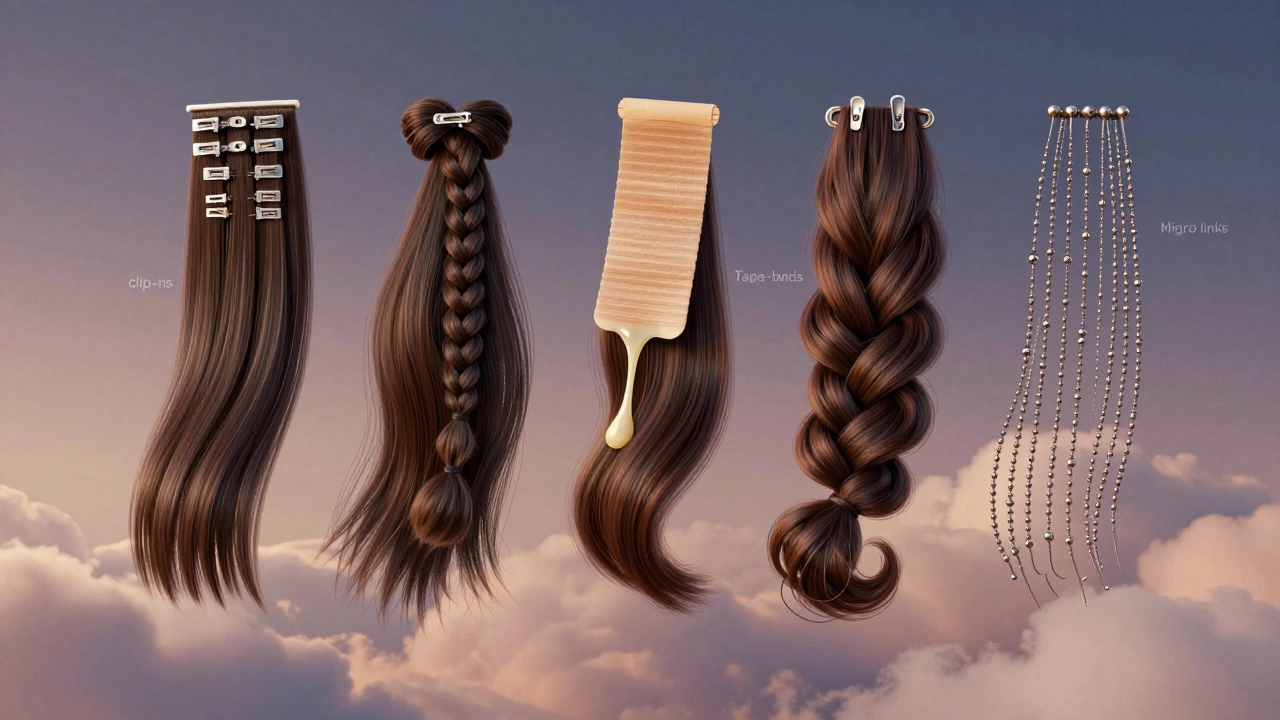
Not all extensions are created equal. Each type has its own wear-and-tear profile. Here’s what you can realistically expect:
- Clip-ins: These last 6 to 12 months with regular use. They’re easy to take out, so they get less stress. But if you wear them daily and don’t brush them gently, they can tangle and shed faster - sometimes in under 4 months.
- Tape-ins: Typically last 6 to 8 weeks before needing to be repositioned. The tape loses its grip over time, especially if you wash your hair too often or use heavy oils. With proper care, you can reuse the same set 2 to 3 times before they’re done.
- sew-ins (wefts): These last 6 to 12 weeks. They’re sewn into braids, so they’re more secure, but the constant tension on your scalp can cause breakage if left in too long. Most salons recommend a 6-week maintenance window.
- Bonded (keratin) extensions: These last 3 to 4 months. The bond melts slightly with heat and oil, so if you use hot tools often or don’t avoid silicone-based products, they can slip sooner. High-quality human hair bonds last longer than synthetic ones.
- Micro-link (bead) extensions: Last 3 to 6 months. The tiny metal rings hold the hair in place, but they can loosen if you swim in chlorinated water or sweat heavily without washing. They’re durable, but the installation matters - poorly placed beads can pull hair out.
The key? Human hair extensions last longer than synthetic ones. Synthetic fibers fray, melt under heat, and look dull after just a few washes. Real human hair - especially Remy or virgin hair - can last over a year if treated like your own hair.
What Drains the Lifespan of Your Extensions?
It’s not just the type - it’s what you do after you buy them. Here are the top 5 things that kill extensions faster than you think:
- Washing too often: Washing your hair every day strips natural oils that keep extensions soft. Overwashing dries out the hair, making it brittle. Aim for 2 to 3 times a week max.
- Using the wrong products: Sulfates, alcohol, and heavy silicones are enemies. They cause buildup, dryness, and slippage. Look for sulfate-free shampoos and lightweight conditioners. Avoid leave-in sprays with alcohol - they crack the hair cuticle.
- Heat without protection: Flat irons and curling wands can melt synthetic extensions instantly. Even human hair extensions suffer if you use heat over 180°C (356°F). Always use a heat protectant, and keep tools on low or medium settings.
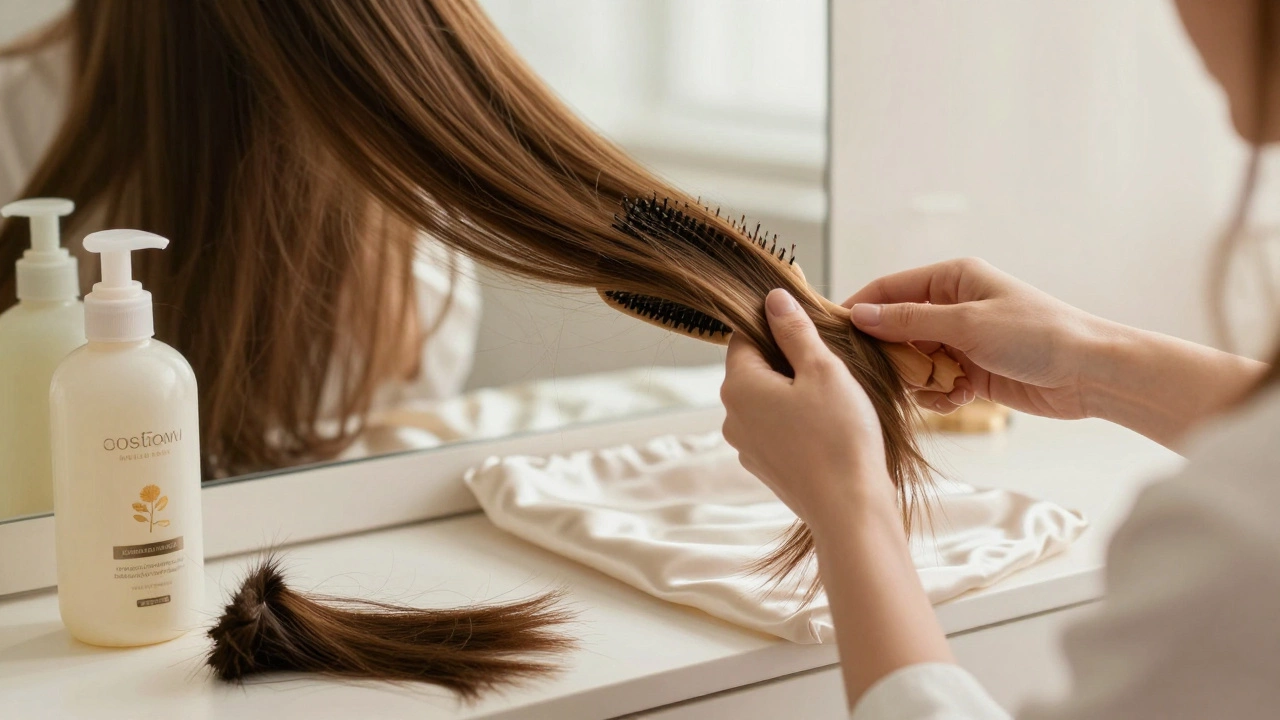
- Not brushing properly: Brushing from the roots down causes tangles and breakage. Start at the ends, work your way up slowly, and use a wide-tooth comb or brush designed for extensions.
- Sleeping with wet or loose hair: Wet hair is fragile. If you go to bed with damp extensions, they tangle and snap. Always dry them before sleeping. Tie them loosely in a braid or high ponytail to reduce friction against the pillow.
How to Make Your Extensions Last Longer
You can stretch the life of your extensions with simple habits:
- Use a silk or satin pillowcase. It reduces friction and keeps hair from drying out.
- Deep condition once a week. Use a moisturizing mask without protein - too much protein makes hair stiff and brittle.
- Don’t swim without protection. Chlorine and saltwater dry out extensions fast. Wet your hair with fresh water first, then apply a leave-in conditioner before jumping in. Rinse immediately after swimming.
- Get professional maintenance. Tape-ins and bonded extensions need to be moved every 6 to 8 weeks. Don’t wait until they’re falling out - that’s when damage starts.
- Store clip-ins properly. Keep them on a wig stand or in a breathable bag. Never toss them in a drawer where they can get crushed or tangled.
When Should You Replace Them?
Here are clear signs your extensions are done:
- More than 20% of the strands are shedding when you brush them.
- The color has faded unevenly - especially at the roots or tips.
- The texture feels rough, wiry, or sticky - even after washing.
- Tape-ins leave residue that won’t wash out.
- Bonded extensions slip out after a simple tug (not from washing, but from normal movement).
If you notice any of these, it’s time to replace them. Trying to stretch them beyond their limit can damage your natural hair. The adhesive or stitching can pull on your roots, leading to thinning or breakage.
Cost vs. Longevity: Is It Worth It?
Let’s say you buy a $200 set of human hair tape-ins. If they last 8 weeks and you replace them 4 times a year, you’re spending $800 annually. That sounds expensive - until you compare it to salon visits for touch-ups or repairs from damaged hair.
Investing in higher-quality extensions means fewer replacements and less damage to your own hair. A $400 set of virgin Remy hair can last over a year with good care. That’s less than $40 per month - cheaper than daily coffee.
Also, cheaper extensions often come with synthetic fibers mixed in. They look shiny at first, but they turn frizzy, greasy, or dull fast. You’ll end up replacing them more often - and paying more in the long run.
What About Temporary Extensions for Events?
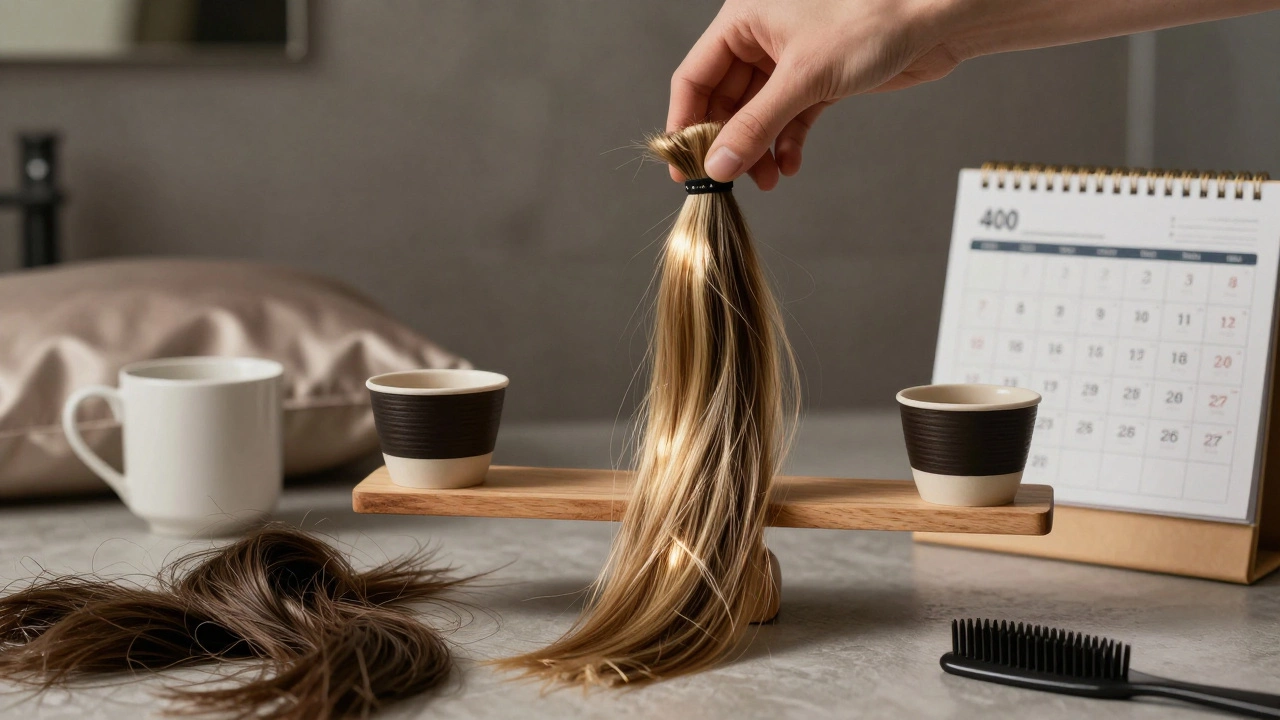
For weddings, photoshoots, or parties, clip-ins are your best bet. They’re easy to apply, don’t require glue or heat, and won’t damage your hair. Use them once, store them properly, and they’ll still look great for next year’s event.
Don’t waste money on expensive extensions for a one-time look. A $50 clip-in set from a reputable brand will give you the same result - without the commitment.
Final Thought: It’s Not About Time - It’s About Care
There’s no magic number for how long hair extensions last. Two people can buy the same product and have one set last 18 months and another fall apart in 3 months. The difference? How they treated them.
Your extensions are an investment. Treat them like your own hair - gentle washing, low heat, regular brushing, and protection from the elements. Do that, and they’ll give you more value than most beauty products on the market.
Can hair extensions last a year?
Yes, high-quality human hair extensions - especially Remy or virgin hair - can last up to a year or longer if cared for properly. Clip-ins and micro-links tend to last the longest because they’re removed daily and don’t involve adhesives that degrade over time. Avoid heat damage, overwashing, and harsh products to maximize lifespan.
Do synthetic hair extensions last as long as human hair?
No. Synthetic extensions usually last only 1 to 3 months with regular use. They can’t handle heat, fade quickly under sunlight, and become brittle after washing. They’re meant for short-term use like events or costumes. Human hair extensions mimic natural hair texture and durability, making them a better long-term investment.
Why do my tape-in extensions keep falling out?
Tape-ins fall out when the adhesive breaks down from oil, sweat, or frequent washing. Using sulfate shampoos, applying conditioner too close to the tape, or not drying your roots properly can all weaken the bond. Also, if they weren’t installed correctly - like too much tension or wrong placement - they’ll slip faster. Always follow your stylist’s aftercare instructions.
Can I reuse my hair extensions?
Yes, if they’re made of human hair and in good condition. Tape-ins and sew-ins can often be reused 2 to 3 times by re-taping or re-sewing. Make sure they’re clean, tangle-free, and haven’t lost too many strands. Store them properly between uses. Don’t reuse damaged or matted extensions - they’ll look unnatural and can damage your hair.
Do hair extensions damage your natural hair?
They can, if not installed or cared for properly. Heavy extensions, tight braids, or leaving them in too long can cause traction alopecia - hair loss from constant pulling. Improper removal, like yanking tape-ins instead of using solvent, can also break your hair. Always get them installed by a trained stylist and follow maintenance schedules.
When done right, hair extensions aren’t a temporary fix - they’re a flexible way to change your look without permanent changes. Just remember: the better you treat them, the longer they’ll last.
 Skincare