Global Beauty Best-Seller Calculator
Based on global retail data, discover if you align more with "Volume Winners" (high unit sales like mascara) or "Revenue Champions" (high-value serums).
~$150 / mo
Annual Projection: ~$1,800When you ask someone what the biggest beauty purchase is right now, you rarely get one answer. One person swears by a specific lip oil while another insists nothing beats a classic face serum. But if we look past personal preferences and dig into actual retail data, a different picture emerges. There isn't just one single product holding the crown. Instead, the title of Most Sold Beauty Product refers to items with the highest unit volume or revenue globally across multiple years belongs to a few consistent champions. Depending on whether you care about total units shipped or total money spent, the winner changes.
As of early 2026, the landscape looks familiar yet shifting slightly due to changing consumer habits. While viral TikTok trends come and go, legacy brands continue to dominate shelf space in duty-free shops and department stores worldwide. Let’s break down exactly who is winning the race and why they keep selling out.
The Revenue Champions: Skincare Dominates
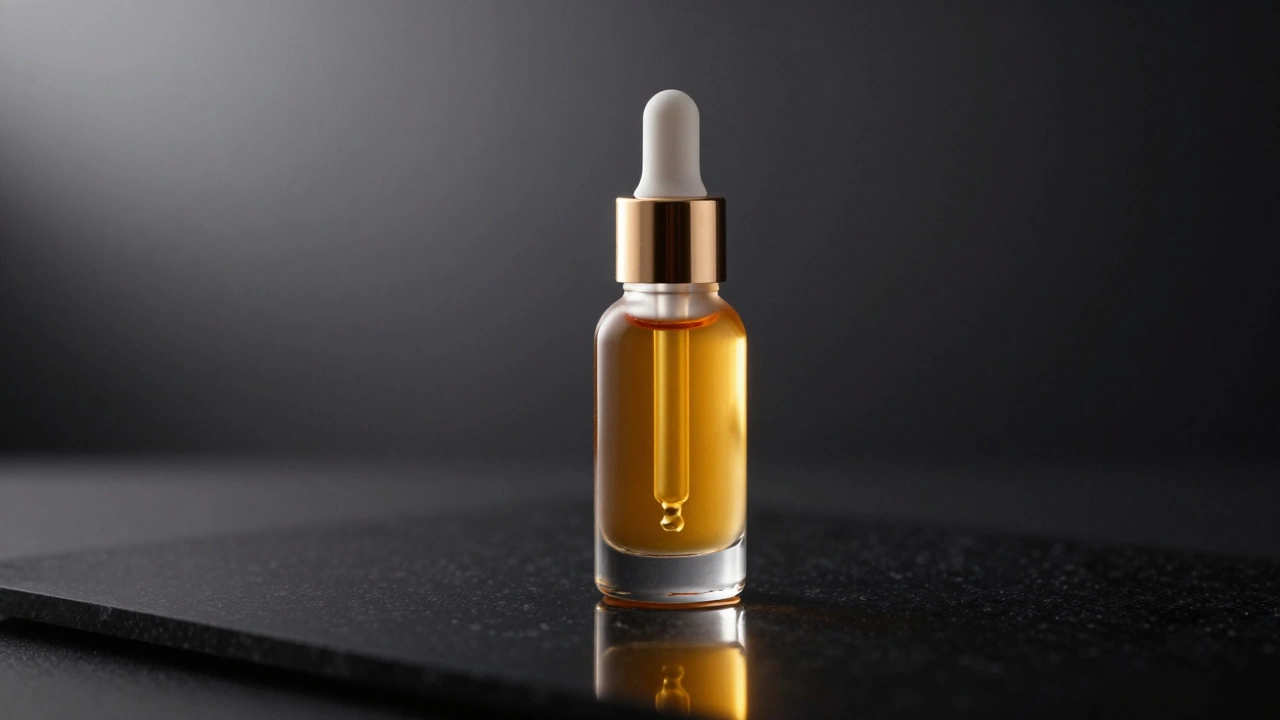
If you judge success by how much money people hand over, skincare wins almost every time. Specifically, anti-aging serums capture the largest share of wallet. The standout here is the Estée Lauder Advanced Night Repair Synchronized Multi-Recovery Complexion a signature serum containing ChronoLux Technology designed to repair skin damage overnight. Introduced decades ago, this bottle still moves millions of units annually. It works because it bridges the gap between professional dermatology and accessible luxury. Consumers aren't buying a quick fix; they are investing in prevention.
You see similar patterns with high-end moisturizers and treatments. The Lancôme Génifique Youth Activating Concentrate a bestselling face serum targeting firmness and radiance through prebiotic complex technology competes closely for the number one spot in Western markets. Both products share key attributes: a recognizable gold or sleek black bottle, a proven track record of ingredient efficacy, and widespread availability in prestige counters. People trust these names when their savings account allows for higher price points.
Price plays a massive role here. A $100 bottle sells fewer times than a $30 bottle, but the total value remains competitive. However, in terms of raw unit sales, mass-market options usually win out. This distinction matters because "most sold" can mean two different things. Are we counting bottles leaving the factory or dollars entering the register? Usually, consumers want to know what is in everyone's vanity, which leads us to volume leaders.
Volume Leaders: The Staples You Can't Ignore
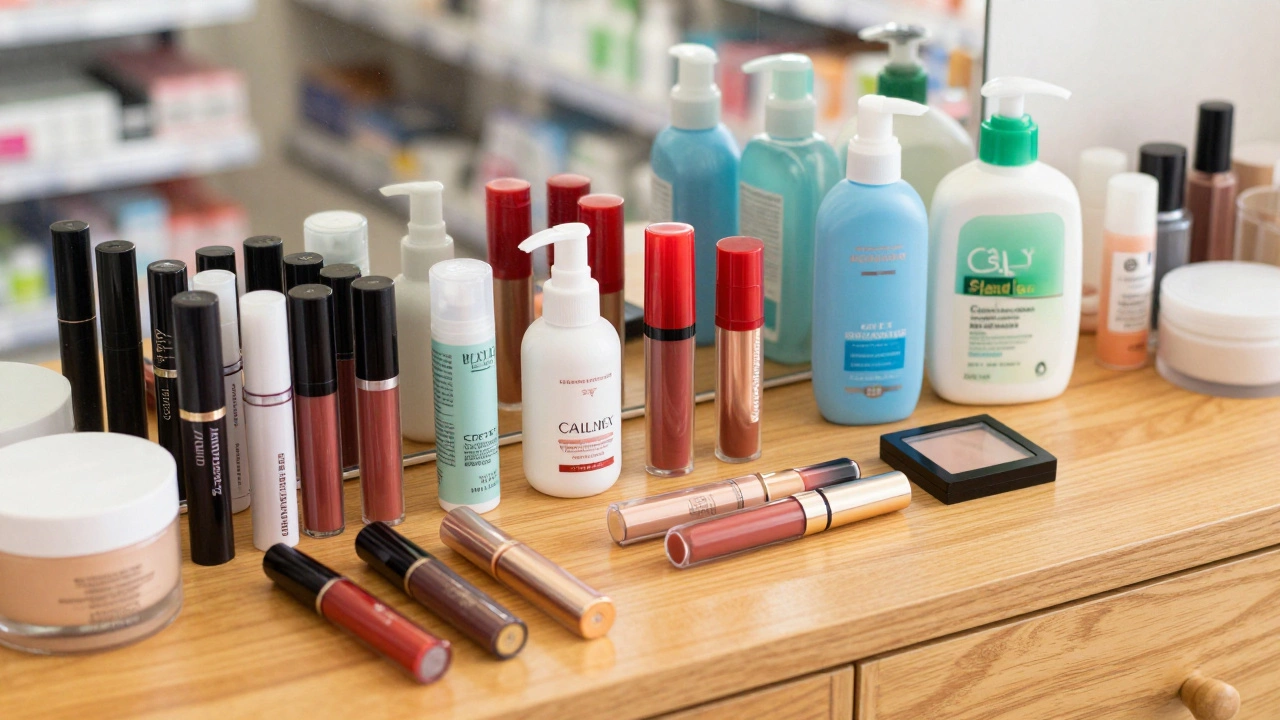
If we switch the metric to pure numbers-how many individual sticks, tubes, or compacts leave the store-the game shifts dramatically towards makeup and basics. Everyone needs a mascara before they need a fifth serum. That is why mascaras like the Maybelline Sky High Mascara a volumizing mascara formula developed with biotech technology and a flexible brush design consistently top the charts for unit movement. It sits in the $10-$15 price bracket, making it an impulse buy or a monthly replacement for many users.
Lipstick follows close behind. Despite the rise of tints and glosses, the traditional bullet lipstick remains king. The MAC Cosmetics Studio Fix Powder Plus Foundation an iconic cream-to-powder foundation offering full coverage and long wear in over forty shades actually represents a better case study for foundations, but for lips, MAC Classic Lipstick available in numerous shades including Ruby Woo and Velvet Teddy with a matte finish shades sell in the hundreds of thousands alone. Accessibility drives this. You don't need a counter consultation to grab a Maybelline or MAC stick off the shelf.
Cleanse and treat routines also drive volume. Sheet masks, lip balms, and simple cleansers accumulate massive sales figures because they are consumable goods. You use a mascara tube up in six weeks. You replace your daily SPF moisturizer every three months. This cycle of repurchase ensures high turnover rates for specific SKUs compared to items like perfumes, which might last a year once purchased.
| Category | Top Example Product | Avg Price Point | Repurchase Cycle |
|---|---|---|---|
| Serum / Treatment | Estée Lauder ANR | $High ($90-$120) | Every 3-6 Months |
| Mascara | Maybelline Sky High | $Low ($12-$15) | Every 3 Months |
| Foundation | MAC Studio Fix | $Medium ($35-$40) | Every 4-6 Months |
| Lipstick | MAC Retro Matte | $Low-Medium ($25-$30) | Every 6-12 Months |
Why Certain Brands Keep Winning
You might wonder why new challenger brands haven't completely dethroned these giants. Social media creates noise, yes, but supply chain reliability and distribution networks build empires. When a customer sees Rare Beauty Soft Pinch Liquid Blush a weightless liquid blush by Selena Gomez offering buildable color and hydration, the brand recognition comes from both the influencer founder and massive retail partnerships. Still, established giants like L'Oréal own the infrastructure required to restock products instantly. If a shop runs out of a new brand's blush, a new customer waits. If they run out of Maybelline, they walk to the next aisle.
Another factor is shade inclusivity. Older formulas were notorious for limited color ranges. Modern top-sellers prioritize depth. This was a slow shift, but by 2025, any product claiming "best seller" status must offer a spectrum catering to diverse skin tones. Foundations like Fenty Beauty Revolutionized this, putting pressure on legacy houses to catch up. Those that did, like Estée Lauder and NARS, maintained their sales velocity.
Ingredients matter more now than ever five years ago. Consumers read labels. Terms like Hyaluronic Acid, Vitamin C, and Peptides appear in marketing almost as often as brand names. A product cannot sustain long-term volume sales if its formulation relies on outdated chemistry. We see this in the rise of clean beauty. Even big corporations reformulate lines to remove parabens or sulfates to retain market share.
Regional Differences in Buying Habits
The concept of a "global bestseller" is tricky because geography dictates preference. In East Asia, specifically South Korea and Japan, sheet masks and brightening essences hold the top spot for sheer volume. The culture of ten-step skincare routines supports massive consumption of mists, essences, and ampoules. In North America, the narrative leans heavily towards multi-use hybrids and bold colors like red lipstick.
Down under in Australia, where I'm observing from, the sun protection laws make SPF-infused products a necessity rather than a trend. This means daily moisturizers and foundations with SPF 30+ dominate local shelves here differently than in Northern Europe, where winter protection takes precedence. When you aggregate these distinct preferences, the data smooths out, leaving the big universal staples at the very top. Sunscreen itself is arguably the most sold beauty product globally if you categorize it strictly as sunscreen, but in a general cosmetics report, serums and makeup take the spotlight.
Duty-free shopping also distorts the picture significantly. Airports near borders see massive spikes in fragrance sales, particularly niche designer scents. In contrast, urban drugstores rely on volume drivers like lip balm and basic mascara. Retail channel determines the winner just as much as product performance does.
Trends Shaping 2026 and Beyond
Looking toward the remainder of 2026, sustainability is becoming a purchasing trigger. Packaging made from recycled materials or refillable containers is no longer a niche luxury. Brands that ignore this lose loyalty among younger demographics, Gen Z and Alpha. Consequently, best-seller lists might shift slightly toward eco-conscious versions of classics. If a company releases a recyclable version of a top-selling mascara, it could reclaim lost ground.
Technology is also merging with beauty. Smart mirrors and AI analysis tools in-store help customers determine their shade. While this enhances the experience, it doesn't fundamentally change what ends up in the bag. Humans still reach for the same comforting familiarity of a tried-and-true formula when uncertainty rises. Innovation in texture-like blurring powders or water-resistant yet breathable formulas-keeps interest alive without abandoning the core identity of the product.
Ultimately, identifying the absolute "number one" requires accepting that volume and value tell different stories. For the average shopper, knowing which items are universally trusted serves as a shortcut for decision-making. If the world keeps buying it, it likely works. Sticking to these proven winners ensures you aren't wasting money on fleeting trends that vanish faster than a summer collection.
Is there really one specific best-selling beauty item?
Not exactly. It depends on whether you measure by total units sold (volume) or total money spent (revenue). Serums usually lead revenue, while mascaras and lipsticks lead unit volume.
Why do older brands still dominate sales?
They control distribution networks and have built decades of consumer trust. New brands struggle to maintain inventory consistency across thousands of retailers simultaneously.
Do regional preferences affect global rankings?
Yes, regions like Asia favor skincare and brightening agents, while Western markets often prioritize makeup foundations and concealers. Aggregating data averages these out.
Are clean beauty products becoming top sellers?
Rapidly. By 2026, consumers increasingly prefer formulations without harsh chemicals, pushing major brands to reformulate their best-sellers to stay compliant.
Should I buy the most sold product or try something new?
For essentials like SPF and foundation, sticking to proven winners minimizes risk. For experimentation like eyeshadow or trendy serums, trying new indie brands is worthwhile.
 Skincare