US Makeup Brand Finder
Not sure which brand dominates the US market? Or more importantly, which one is right for you? Answer these three quick questions to see how top brands like L'Oréal, Maybelline, MAC, and Fenty stack up against your preferences.
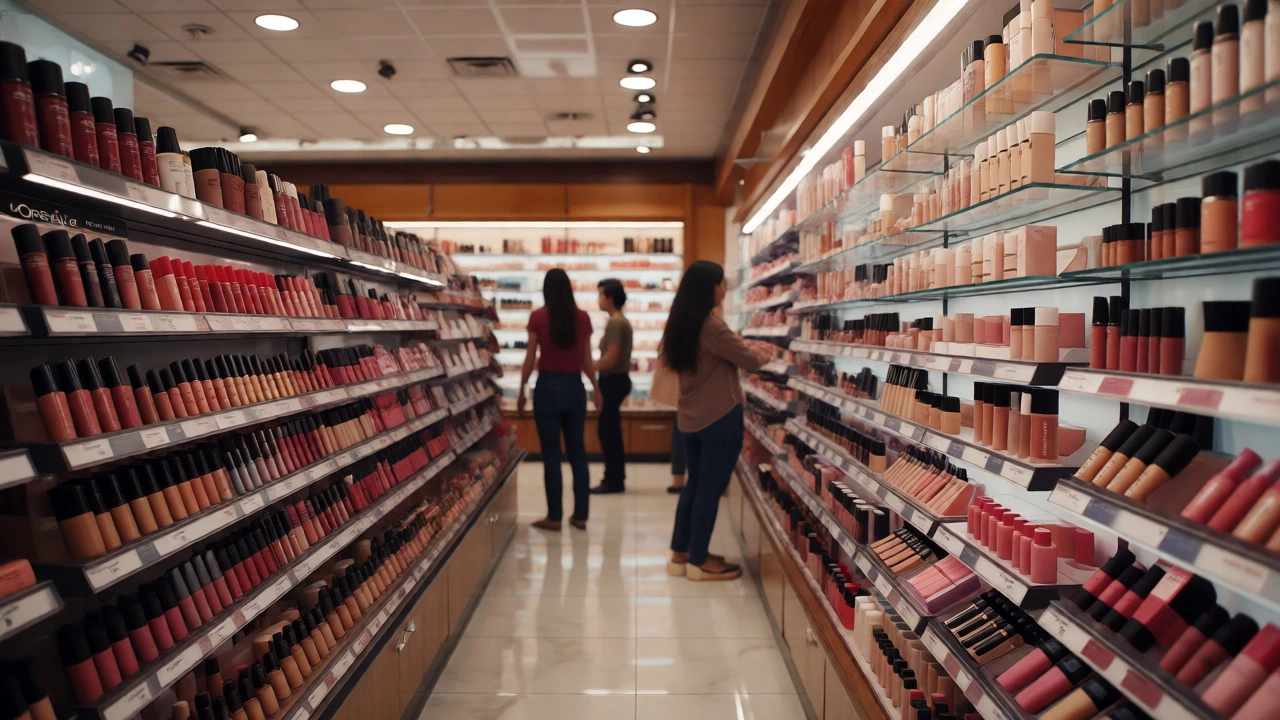
You walk into a drugstore or scroll through Sephora, and you're hit with a wall of colors, textures, and promises. Who actually wins when it comes to sales? Is it the luxury label on the high shelf, or the affordable tube sitting right at eye level? If you've ever wondered what is the number one makeup brand in the US, the answer isn't just about who has the prettiest packaging. It's about volume, accessibility, and which products end up in millions of bathroom cabinets across the country.
The reality might surprise you. While luxury houses like Chanel get all the magazine covers, the true king of the American beauty aisle is often a mass-market giant. But "number one" can mean different things depending on whether we are talking about total revenue, unit sales, or brand recognition. Let's break down the data, look at the contenders, and figure out which brand truly dominates the US landscape in 2026.
The Short Answer: Who Leads the Pack?
| Brand | Primary Category | Key Strength | Market Position |
|---|---|---|---|
| L'Oréal Paris | Mass Market | Global reach, wide product range | Consistently #1 in global and US mass market sales |
| Maybelline New York | Mass Market | Mascara dominance, youth appeal | Top rival for #1 spot in specific categories like eyes |
| MAC Cosmetics | Prestige/Pro | Professional artist credibility | Leader in professional and prestige color cosmetics |
| Fenty Beauty | Prestige/Inclusive | Shade range diversity | Rapid growth leader, reshaped industry standards |
If we look strictly at sales volume and overall revenue in the United States, L'Oréal Paris is widely considered the largest makeup brand in the world and consistently holds the top position in the US mass market. Owned by the French conglomerate L'Oréal Group, this brand benefits from massive distribution networks. You can find their products everywhere-from Walmart and Target to CVS and online retailers. Their strategy relies on affordability combined with celebrity endorsements, making them accessible to nearly every demographic.
However, if you narrow the focus to specific categories, the crown shifts. For mascara, Maybelline New York frequently outsells its competitors. Their Great Lash mascara is iconic, but their newer formulations keep them ahead in unit sales. So, while L'Oréal might wear the general crown, Maybelline owns the eyelashes.
Why Mass Market Brands Dominate Sales Numbers
You might think that expensive brands sell more because they cost more. That’s a common misconception. In the US, volume rules the roost. A $15 lipstick sold 10 million times generates less revenue than a $40 lipstick sold 5 million times, but the operational ease and brand visibility of the cheaper option often create a stronger market presence. Mass market brands win because they remove barriers.
Think about your last impulse buy. Did you hesitate to grab a $10 concealer? Probably not. Now imagine hesitating over a $60 foundation. The friction is higher. Brands like L'Oréal and Maybelline have mastered the art of low-friction purchasing. They place products where you already shop for groceries or household items. This convenience factor drives their status as the number one makeup brand in the US by sheer transaction count.
- Accessibility: Available in big-box stores, drugstores, and online.
- Price Point: Typically under $20 per item, encouraging trial and bulk buying.
- Marketing Reach: Heavy advertising on TV, social media, and in-store displays.
- Product Turnover: Frequent new launches keep customers returning.
The Rise of Prestige and Indie Challengers
While L'Oréal leads in volume, the conversation around "best" or "most influential" has shifted toward prestige and indie brands. Consumers today are more educated about ingredients and ethics. They care about clean beauty, sustainability, and inclusivity. This shift has allowed brands like Fenty Beauty to disrupt the market rapidly.
When Rihanna launched Fenty Beauty in 2017, she didn't just launch a line; she exposed an industry gap. By offering 40 shades of foundation immediately, she forced other brands to rethink their offerings. Today, Fenty is a top performer in prestige beauty sales. It proves that being the "number one" brand isn't just about legacy-it's about relevance. If you define "number one" by cultural impact and growth rate, Fenty gives the old guard a serious run for their money.
Another contender in the prestige space is Charlotte Tilbury. Her Pillow Talk collection became a global phenomenon. Charlotte Tilbury markets directly to consumers through storytelling and aspirational lifestyle branding. While her unit sales don't match L'Oréal's billions, her revenue per customer is significantly higher. She represents the premium tier of the market, where quality and experience justify the price tag.
Categorical Leaders: It Depends on What You Buy
Asking for the single best brand is like asking for the best car without specifying if you need a truck or a sports car. Different brands dominate different makeup categories. Here is how the leadership splits up by product type:
Face Products
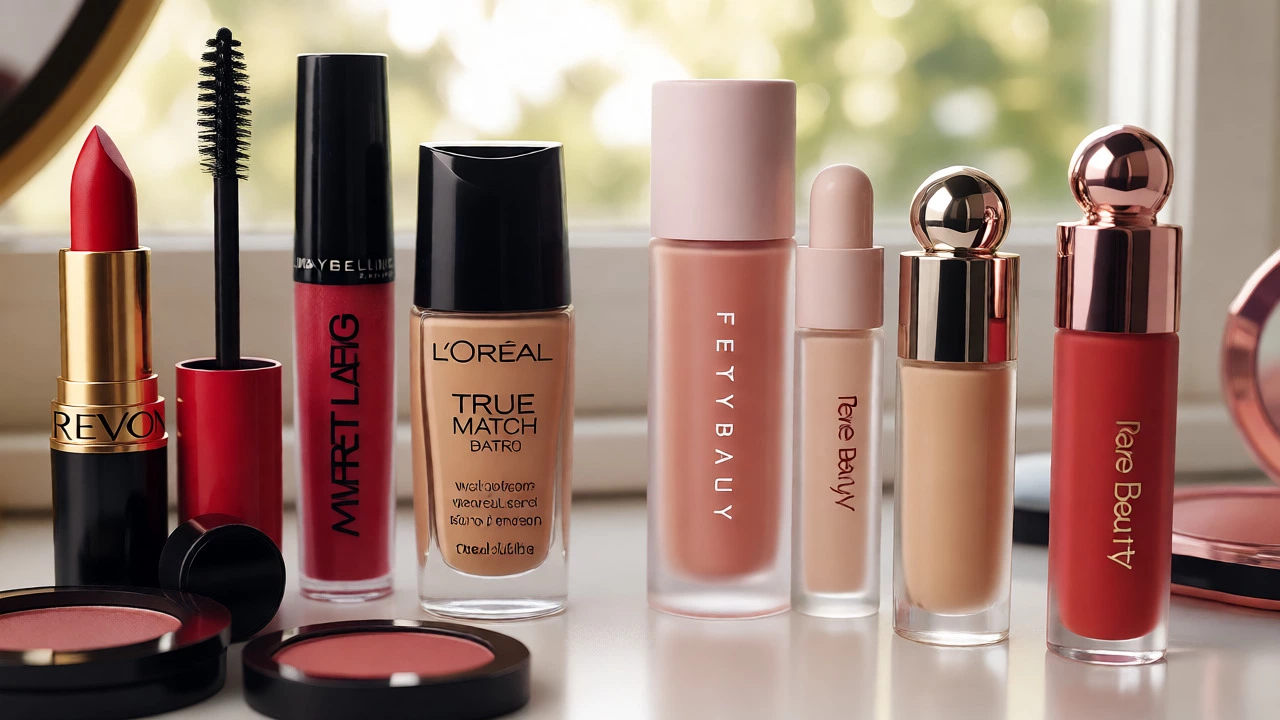
For foundations and concealers, Estée Lauder has long held a strong position in the prestige sector, particularly with their Double Wear line. However, in the mass market, L'Oréal's True Match foundation remains a staple. If you are looking for tinted moisturizers, brands like IT Cosmetics (owned by L'Oréal) bridge the gap between skincare and makeup effectively.
Eyes
This is Maybelline's territory. From mascaras to eyeliners, their penetration in US households is unmatched. However, for eyeshadow palettes, Urban Decay and Tarte have carved out significant niches. Urban Decay's Naked palette changed how people buy eyeshadows, moving away from individual pots to curated sets.
Lips
Revlon used to be the go-to name for red lips. Today, the landscape is fragmented. MAC remains the pro favorite for precise lip colors. For trendy, viral moments, brands like Rare Beauty and NYX Professional Makeup drive huge sales among Gen Z. NYX, owned by L'Oréal, serves as the bridge between drugstore prices and influencer-driven trends.
How to Choose the Right Brand for You
Knowing who is number one globally doesn't help you decide what to put on your face tomorrow. You need to align brand strengths with your personal needs. Are you looking for durability, natural looks, or bold artistic expression?
Consider these factors before choosing your primary makeup brand:
- Skin Type Compatibility: Oily skin might prefer matte formulas from brands like Rimmel or Maybelline. Dry skin often benefits from hydrating formulas found in L'Oréal's Infallible Pro-Glow or prestige brands like Giorgio Armani.
- Budget Constraints: If you use makeup daily, mass market brands offer better value. If you wear makeup occasionally, investing in prestige brands might yield longer-lasting tubes and higher pigment payoff.
- Ethical Values: Check for cruelty-free certifications. Brands like Tarte and e.l.f. have gained loyal followings due to their ethical stances, even if they aren't the absolute largest sellers.
- Shade Range Needs: If you have deep skin tones, prioritize brands known for inclusive ranges like Fenty, Black Opal, or Ilia. Legacy brands sometimes lag here despite their size.
Don't feel pressured to stick to one brand. Many makeup enthusiasts mix and match. They might use a L'Oréal primer, a MAC blush, and a Maybelline mascara. The "number one" brand is a statistical average, not a rulebook for your routine.
The Future of US Makeup Brands
The definition of market leadership is changing. We are seeing a rise in "skincare-makeup hybrids." Consumers want coverage that also treats their skin. Brands that integrate SPF, hyaluronic acid, and antioxidants into their foundations are gaining ground. This blurs the line between the Skincare and Makeup categories.
Additionally, direct-to-consumer (DTC) models are challenging traditional retail dominance. Brands like Glossier started online and moved offline. While they may not yet hold the title of number one makeup brand in the US by total sales, their agility allows them to pivot faster than giants like L'Oréal. Keep an eye on emerging digital-native brands. They often capture the trendsetters first, who then influence the mass market later.
Sustainability is another key driver. Refillable compacts and plastic-free packaging are becoming standard expectations rather than niche features. Brands that adapt quickly to these environmental demands will likely see increased loyalty and sales in the coming years.
Is L'Oréal really the biggest makeup brand in the US?
Yes, in terms of overall sales volume and mass market presence, L'Oréal Paris is consistently ranked as the leading makeup brand in the US and globally. Its widespread availability in drugstores and supermarkets contributes significantly to its high unit sales figures compared to prestige-only brands.
Which brand sells the most mascara in America?
Maybelline New York typically leads in mascara sales within the United States. Their products, such as the Great Lash and Sky High mascaras, are bestsellers due to their affordable price points and effective performance, appealing to a broad consumer base.
Are luxury makeup brands better than drugstore ones?
Not necessarily. Luxury brands often offer higher pigment concentration, finer milled powders, and more sophisticated packaging. However, many drugstore brands now use similar manufacturing facilities and ingredient technologies. Performance depends more on the specific formula and your skin type than the price tag alone.
What is the fastest growing makeup brand in the US?
Brands like Rare Beauty, Fenty Beauty, and Saie have shown rapid growth rates recently. These brands leverage social media marketing, influencer partnerships, and inclusive shade ranges to capture younger demographics quickly, often outpacing the growth of legacy brands.
Does owning a brand affect its ranking?
Yes. Large conglomerates like L'Oréal, Estée Lauder, and Coty own multiple brands. When analyzing "top brands," analysts sometimes look at corporate parent companies. For instance, L'Oréal Group owns L'Oréal Paris, Maybelline, NYX, and Lancôme, giving the corporation a dominant share of the total market even if individual brands compete against each other.
 Skincare