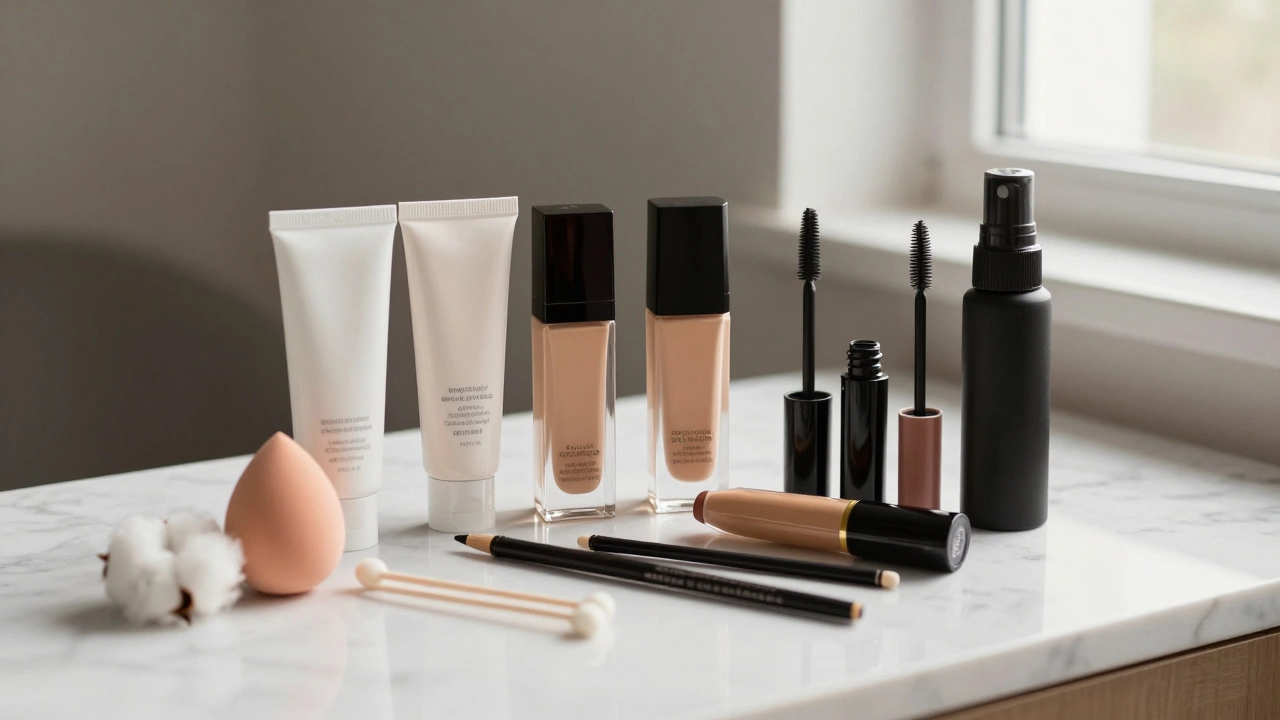
Makeup Essential Checklist
Find out which makeup products you need for a complete face routine and identify what's missing from your collection.
Hydrates skin for a smooth base
Protects from UV rays (use daily)
Smoothes skin and helps makeup last
Provides even skin tone coverage
Targets blemishes and dark circles
Controls shine and sets makeup
Adds warmth and dimension
Adds natural color to cheeks
Creates subtle glow on high points
Defines and shapes eyebrows
Holds brows in place
Adds subtle color to eyes
Defines eyes for a polished look
Lengthens and volumizes lashes
Defines lips and prevents bleeding
Adds color and definition to lips
Locks makeup in place for longer wear
Missing Products:
You're missing 0 essential makeup products.
All essential makeup products are accounted for.
Ever stared at your makeup bag and wondered if you actually have everything you need for a full face? You’re not alone. A full face of makeup isn’t about layering ten products-it’s about having the right ones that work together to create a polished, natural look that lasts. Whether you’re rushing out the door or getting ready for a special night, knowing exactly what to reach for saves time, money, and frustration.
Start with a Clean Base
You can’t build a good makeup look on top of oily skin, flaky patches, or leftover sunscreen. A clean, hydrated face is the foundation of everything that comes after. Skip the toner if your skin doesn’t need it, but don’t skip moisturizer. Even oily skin needs hydration-otherwise, your foundation will cling to dry spots and slide off shiny areas.Use a lightweight, non-comedogenic moisturizer. Look for ones labeled "oil-free" or "for combination skin." Let it sink in for 5 minutes before moving on. If you’re heading out in the sun, add a broad-spectrum SPF 30 or higher. Many foundations now include SPF, but they rarely offer enough protection on their own. Layering SPF under makeup is non-negotiable.
Primer: The Secret Weapon
Primer isn’t just for influencers with 10-step routines. It’s a game-changer for everyday wear. Think of it like paint primer before you paint a wall-it smooths out texture, fills in pores, and helps makeup stick longer. You don’t need a fancy one. If your skin tends to get shiny, go for a mattifying primer. If you’re dry or have fine lines, choose a hydrating or illuminating formula.Apply a pea-sized amount all over your face after moisturizer. Don’t forget your T-zone, the sides of your nose, and under your eyes. Let it set for 30 seconds. This is where your makeup will last longer, even in Sydney’s humid summer heat.
Foundation: Less Is More
Foundation is the center of your full face, but it’s also the most overused product. Many people apply too much, thinking it equals better coverage. It doesn’t. Too much foundation looks masky and cakes up by midday.Choose a formula that matches your skin type:
- Oily skin: Long-wear, matte liquid or powder foundation
- Dry skin: Hydrating liquid or cream foundation with a dewy finish
- Combination skin: Lightweight, buildable liquid foundation
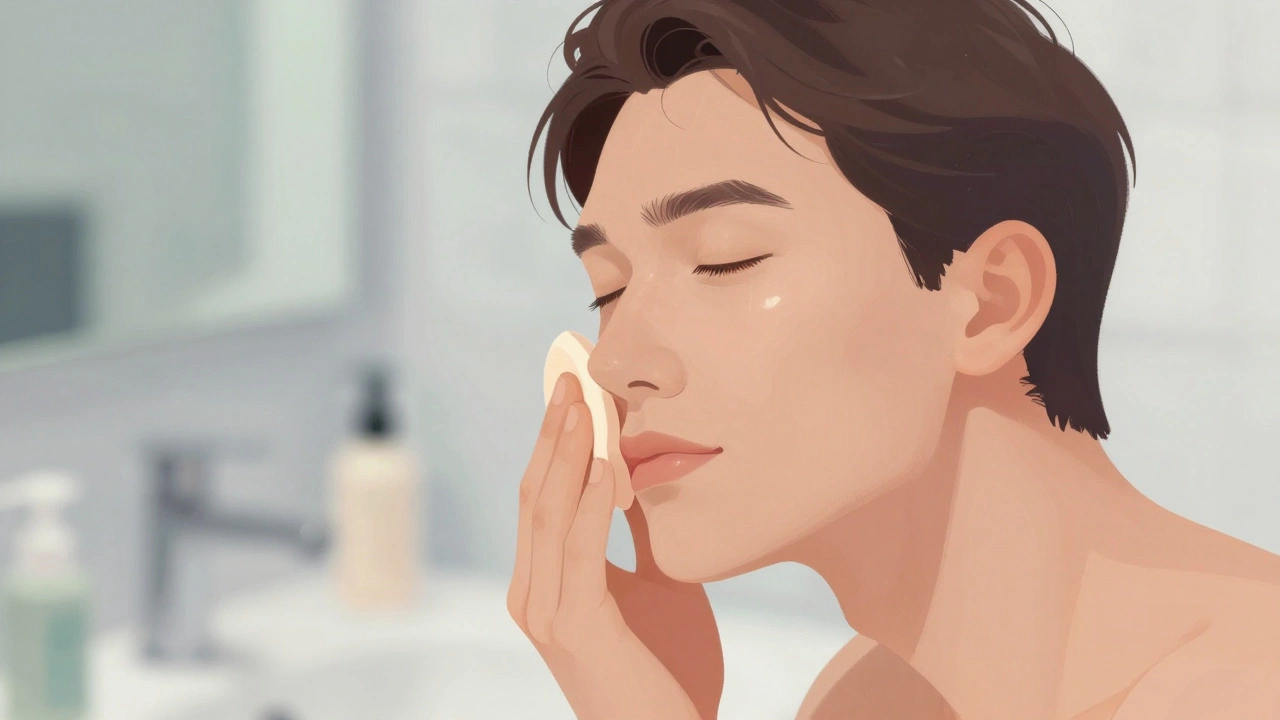
Apply with a damp beauty sponge or a flat-top brush. Start with a small amount-just two dots on your forehead and one each on your cheeks and chin. Blend outward. If you need more coverage, wait 30 seconds and add a second thin layer. Don’t forget your neck and ears. A mismatched jawline is the quickest giveaway of bad makeup.
Concealer: Targeted, Not Thick
Concealer isn’t meant to replace foundation. It’s for spots. Use it under your eyes, on redness, blemishes, or around your nose. Pick a shade that’s one shade lighter than your foundation for under eyes, and match your foundation exactly for blemishes.Apply with a small brush or your fingertip. Pat, don’t rub. Rubbing pulls at delicate skin and makes things worse. Set it with a tiny bit of translucent powder-just enough to keep it from creasing. You don’t need to cover your whole face with concealer. One or two dots under each eye and one on a pimple is enough.
Setting Powder: Keep It Light
Setting powder keeps your foundation from sliding off. But too much makes your skin look like a chalkboard. Use a fluffy brush to lightly dust powder only where you get oily-T-zone, under eyes, and around your nose. Translucent powder works for all skin tones. If you have darker skin, look for a powder that’s tinted to match your skin tone to avoid ashy cast.Pro tip: Press the powder in with a sponge instead of swiping. It gives better staying power without adding thickness.
Bronzer, Blush, and Highlighter: The Color Trio
Color brings life to your face. Skip these and your makeup looks flat-even if your foundation is flawless.- Bronzer: Apply just below your cheekbones, along your hairline, and down your jawline. Use a fluffy brush and tap off excess first. Too much bronzer looks like you’ve been sunbathing for a week.
- Blush: Smile and dab it on the apples of your cheeks, blending upward toward your temples. Cream blush blends easier and looks more natural, but powder works if you have oily skin.
- Highlighter: Dab a tiny bit on the high points: cheekbones, brow bone, bridge of your nose, and cupid’s bow. Avoid glitter unless you’re going out at night. A subtle glow is more flattering than a disco ball.
Use these three in order: bronzer first, then blush, then highlighter. Layering them this way keeps the colors blended and natural.
Eyebrows: Frame Your Face
Eyebrows are the frame of your face. Even if you skip everything else, well-groomed brows make you look put-together.Use a brow pencil or powder that matches your hair color-not too dark, not too light. Fill in sparse areas with light, hair-like strokes. Then, brush through with a spoolie. If your brows are unruly, use a clear or tinted brow gel to hold them in place. Don’t overline your natural shape. Natural looks better than drawn-on.
Eyeshadow, Eyeliner, and Mascara: Eyes That Speak
You don’t need a full smoky eye for a full face. A simple definition is enough.- Eyeshadow: A neutral matte shade the same tone as your skin works for everyday. Apply it all over the lid. Add a slightly darker shade in the crease for subtle depth.
- Eyeliner: A brown or black pencil along the upper lash line is enough. Smudge it slightly for a softer look. Skip the wing unless you’re going out. Liquid liner is harder to fix if you mess up.
- Mascara: One coat of waterproof mascara is better than three coats of regular. Curl your lashes first with an eyelash curler. Hold it for 10 seconds. Then apply mascara from root to tip. Wiggle the wand slightly at the base to separate lashes.
Don’t forget to wipe off any fallout under your eyes with a cotton swab dipped in micellar water.
Lips: The Final Touch
Lips complete the look. A nude or soft pink lipstick works for most skin tones and occasions. If you want more color, go for a berry or coral shade.Line your lips with a lip liner that matches your lipstick. It prevents bleeding and helps the color last longer. Then fill in with lipstick. Blot with a tissue, then apply a second layer. For extra staying power, dust a tiny bit of translucent powder over a tissue and press it gently over your lips.
Setting Spray: Lock It In
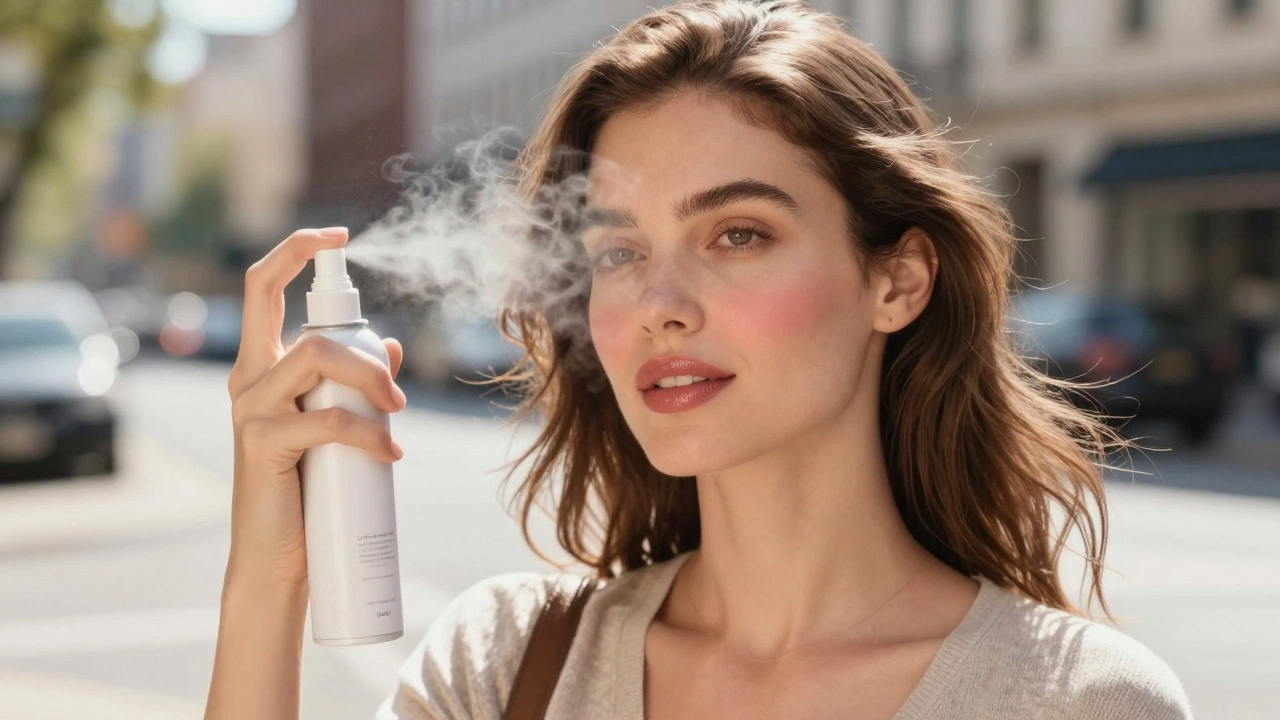
This is the final step-and the most underrated. Setting spray isn’t just for TikTok trends. It helps everything blend, reduces shine, and keeps your makeup from fading.Hold the bottle 8-10 inches from your face and mist in an X and T pattern. Let it dry naturally. Don’t touch your face for 30 seconds. A good setting spray can make your makeup last 8-12 hours, even in humidity.
What You Don’t Need
A full face doesn’t mean every product in your bag. Skip these unless you have a specific need:- Color-correcting products (green, purple, orange)-they’re rarely necessary if you have good concealer
- Multiple eyeshadow palettes-stick to one neutral palette
- Contour kits-bronzer does the job better
- Pressed powder with color-it’s unnecessary if your foundation is well-set
Less is more. Your goal isn’t to cover your skin-it’s to enhance it.
Quick Checklist for a Full Face
Here’s what you actually need in your makeup bag:- Moisturizer
- SPF 30+
- Primer
- Foundation
- Concealer
- Translucent setting powder
- Bronzer
- Blush
- Highlighter
- Brow pencil or powder
- Brow gel
- Eyeshadow (neutral shade)
- Eyeliner (pencil)
- Mascara
- Lip liner
- Lipstick
- Setting spray
That’s it. No more, no less. You can build from here-but this is the core.
Common Mistakes to Avoid
- Applying foundation with your fingers-it transfers oils and doesn’t blend evenly
- Using too much concealer under eyes-it settles into fine lines and looks cakey
- Skipping setting powder on oily areas-your makeup will melt by noon
- Using different shades for foundation and concealer-this creates a ghostly outline
- Not blending your makeup down your neck-your face looks disconnected from your body
Fixing these five things alone will make your makeup look 10x better.
What to Do If Your Makeup Doesn’t Last
If your makeup fades by 2 p.m., the issue isn’t the product-it’s your prep. Check these:- Did you moisturize? Dry skin makes foundation cling and flake
- Did you use primer? Without it, makeup slides off
- Did you set your T-zone? Oil is the #1 reason makeup disappears
- Did you use setting spray? It’s the final seal
Try this: After applying foundation, press a tissue over your face and dust powder over it. Then spray setting spray. This trick locks everything in place.
Do I need primer for a full face of makeup?
Yes, especially if you want your makeup to last more than a few hours. Primer smooths your skin, fills pores, and helps foundation stick. Even a basic one makes a difference. Skip it if you have very dry skin and use a hydrating foundation instead.
Can I skip foundation and just use concealer?
You can, but only if your skin is even-toned and you don’t have redness or discoloration. Concealer is thicker and can look cakey if used all over. Foundation is designed to provide even coverage across your whole face. Use concealer for spots, not as a full-face replacement.
What’s the difference between setting powder and translucent powder?
Translucent powder is a type of setting powder that has no color-it doesn’t change your skin tone. Setting powder is the broader category. Some setting powders have color to match your skin tone. For most people, translucent powder works best because it controls oil without adding pigment.
How do I pick the right foundation shade?
Test foundation on your jawline, not your hand. Natural light is best. The right shade disappears into your skin. If you see a line where it ends, it’s too light or too dark. If you’re unsure, go slightly lighter-you can always warm up with bronzer.
Is setting spray really necessary?
It’s not mandatory, but it’s the easiest way to make your makeup last longer. Without it, sweat, oil, and even blinking can break down your makeup. A good setting spray keeps everything blended and prevents shine. It’s especially helpful in humid climates like Sydney.
Next Steps
Start by building your routine around the essentials. Don’t buy everything at once. Pick one product at a time-start with a good moisturizer and SPF, then add primer, foundation, and setting spray. Once you’ve nailed those, move to concealer and powder. Test products on your skin for a few days before committing.What works for someone else might not work for you. Skin changes with seasons, hormones, and stress. Your makeup routine should adapt too. Keep it simple, stay consistent, and focus on what makes your skin look healthy-not just covered.
 Skincare