Find Your Ideal Hair Cleansing Routine
For decades, we were told that a squeaky-clean scalp was the only way to go. You scrubbed, you lathered with harsh detergents, and you dried out your strands until they felt like straw. But science has caught up with what many of us suspected: stripping your hair of its natural oils isn't healthy. It’s damaging. So, if you want strong, shiny, resilient locks, you need to rethink your cleansing routine entirely.
The "healthiest" thing to wash your hair with isn't a single magic bottle. It depends on your hair type, your water quality, and your specific scalp needs. For most people, the shift away from harsh sulfates toward gentle, pH-balanced cleansers is the biggest game-changer. Let’s break down exactly what works, what doesn’t, and how to choose the right cleaner for your unique head of hair.
The Problem with Traditional Shampoos
To understand why traditional shampoos might be hurting your hair, you have to look at the ingredients list. Most drugstore brands rely on Sodium Lauryl Sulfate (SLS) or Sodium Laureth Sulfate (SLES). These are powerful surfactants-detergents designed to remove grease and dirt efficiently. They work great in industrial cleaning products, but they are overkill for your scalp.
Your scalp produces sebum, a natural oil that protects your hair shaft and keeps it flexible. When you use high-sulfate shampoos, you strip this protective layer completely. The result? Dryness, frizz, and breakage. Worse, your scalp often reacts by producing *more* oil to compensate, leading to that annoying cycle where you feel greasy just one day after washing. This is known as reactive seborrhea. By switching to gentler alternatives, you break this cycle and allow your scalp to find its natural balance.
Why Sulfate-Free Shampoo Is the New Standard
If you’re looking for a direct replacement for your current routine, sulfate-free shampoo is the safest bet. These formulas use milder surfactants like coco-glucoside or decyl glucoside. They clean your hair without stripping away essential moisture. You won’t get that massive cloud of foam, but you will get a clean scalp and soft, manageable hair.
This approach is particularly vital for color-treated hair. Harsh sulfates strip away artificial pigment, causing your expensive salon color to fade rapidly. Sulfate-free options extend the life of your dye while keeping the cuticle smooth. Look for bottles labeled "gentle," "hydrating," or specifically "sulfate-free." Avoid anything promising "clarifying" power unless you actually have heavy product buildup, as those often contain stronger agents.
Co-Washing: The Water-Only Alternative
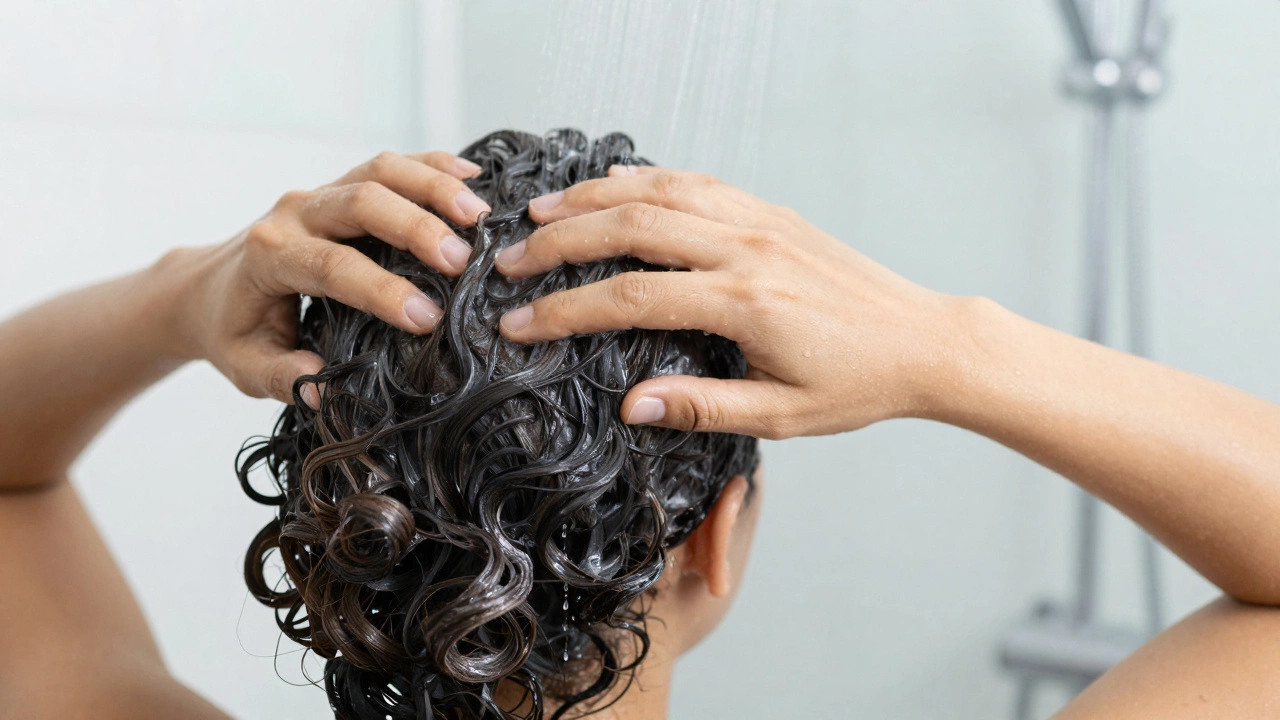
For those with curly, coily, or extremely dry hair, even sulfate-free shampoos can sometimes be too drying. Enter co-washing, or conditioner-only washing. This method involves using a lightweight conditioner to massage the scalp and rinse out dirt and excess oil without any detergent action at all.
Co-washing preserves the hair’s natural lipid barrier. It’s excellent for maintaining definition in curly hair patterns that thrive on moisture. However, it’s not for everyone. If you have fine, straight hair, co-washing can leave your strands looking limp and oily because there isn’t enough lift to distribute the weight evenly. It also requires a conditioner free of heavy silicones, which can build up quickly when not washed out with a surfactant.
Natural DIY Cleansers: Do They Work?
The internet is full of recipes for homemade hair cleansers. While some are harmless, others can cause significant damage if used incorrectly. Let’s look at the most popular options:
- Baking Soda: Despite its popularity, baking soda is highly alkaline (pH 9). Your hair and scalp have an acidic mantle (pH 4.5-5.5). Using baking soda raises the pH, causing the hair cuticle to lift and swell. Over time, this leads to severe dryness, tangling, and breakage. Dermatologists generally advise against it.
- Apple Cider Vinegar (ACV): ACV is acidic, which helps close the hair cuticle and add shine. It makes a great rinse *after* washing, but it is not a cleanser on its own. It doesn’t remove oil effectively. Use it as a final rinse diluted with water (1 part ACV to 3 parts water) to restore pH balance.
- Shampoo Bars: True soap bars (made from fats and lye) are alkaline and can leave a residue in hard water. However, modern "shampoo bars" are often concentrated solid shampoos that dissolve into gentle surfactants. Check the label: if it says "syndet bar" or lists mild surfactants, it’s safe. If it says "soap," be cautious.
The Hidden Factor: Hard Water Damage
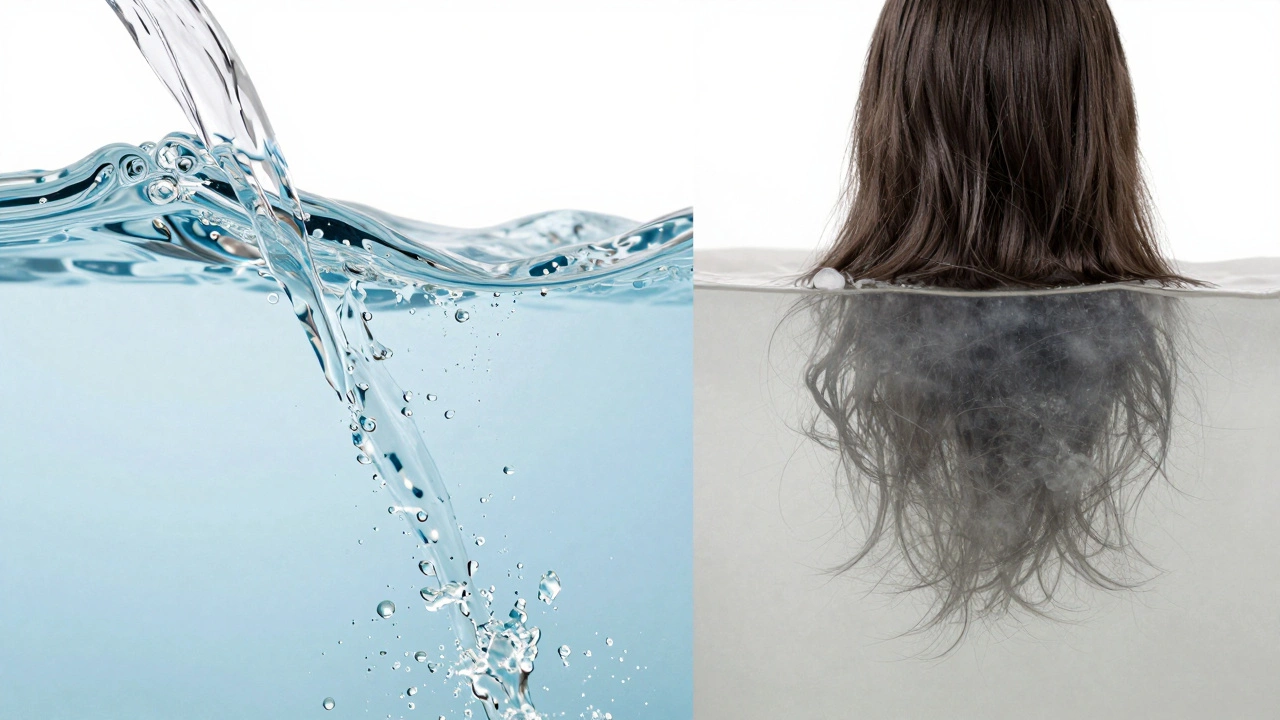
You might be using the best shampoo in the world, but if you live in an area with hard water, you’re fighting a losing battle. Hard water contains high levels of calcium and magnesium ions. These minerals react with sulfates and other surfactants to form a scum that coats your hair. This coating blocks moisture, makes hair dull, and prevents conditioning agents from working.
In Sydney and many other Australian cities, water hardness varies significantly. If you notice that your hair never feels truly clean, or that it turns brassy despite good care, test your water. Installing a shower filter can remove these minerals. Alternatively, chelating shampoos once a month can bind to metal ions and wash them away. Don’t blame your shampoo before you check your tap.
Scalp Health Comes First
Healthy hair starts at the root. If you have dandruff, itching, or redness, no amount of conditioning will fix it. You need targeted treatment. Zinc Pyrithione and Ketoconazole are active ingredients found in anti-dandruff shampoos that target the yeast-like fungus Malassezia, which feeds on scalp oils and causes inflammation.
Don’t fear these ingredients. They are medically proven to reduce flaking and irritation. Use them 1-2 times a week, leaving the lather on your scalp for 3-5 minutes before rinsing. On other days, switch back to your gentle daily cleanser. Treating the scalp environment is more important than treating the hair shaft itself.
| Method | Best For | Avoid If | pH Level |
|---|---|---|---|
| Sulfate Shampoo | Oily scalps, occasional deep clean | Dry, curly, or color-treated hair | Neutral to Alkaline |
| Sulfate-Free Shampoo | All hair types, daily use | Heavy product buildup | Acidic (4.5-5.5) |
| Co-Washing | Curly, coily, dry hair | Fine, straight, or oily hair | Acidic |
| Baking Soda | Not recommended | All hair types | Highly Alkaline (9) |
How Often Should You Actually Wash?
There is no universal rule for washing frequency. Washing every day can strip natural oils, while waiting too long can lead to clogged follicles and odor. Listen to your body. If your scalp itches or feels greasy, it’s time to wash. For most people, washing every 2-3 days is a sweet spot. This allows natural oils to travel down the hair shaft, providing natural conditioning.
When you do wash, focus on the scalp, not the ends. The ends of your hair are dead tissue; they don’t get dirty in the same way. Massage the cleanser into your roots with your fingertips (not nails), then let the suds run through the lengths as you rinse. This minimizes mechanical damage and tangling.
Is coconut oil good for washing hair?
Coconut oil is an excellent pre-shampoo treatment or leave-in conditioner, but it is not a cleanser. It does not remove dirt or sweat. In fact, washing with oil alone can trap debris on the scalp. Use coconut oil to protect hair before swimming or heat styling, then follow up with a gentle shampoo.
Can I use baby shampoo for my adult hair?
Yes, baby shampoo is typically very mild and tear-free, making it a good option for sensitive scalps. However, it may not provide enough cleansing power for adults who use styling products or have oily scalps. It’s a safe alternative if you’re transitioning away from harsh sulfates.
Does washing hair with cold water help?
Cold water can help seal the hair cuticle, adding shine and reducing frizz. However, warm water is better for dissolving oils and opening pores for a thorough cleanse. Try washing with lukewarm water and finishing with a cool rinse for the best of both worlds.
What should I do if my hair feels waxy after switching to sulfate-free shampoo?
This is called "transition buildup." Your old shampoo had sulfates that stripped everything, so you weren’t used to the feeling of natural oils or silicone buildup. Use a clarifying shampoo once to reset, then stick to sulfate-free products. Your hair will adjust within 2-4 weeks.
Are natural shampoos always healthier than synthetic ones?
Not necessarily. "Natural" doesn’t mean gentle. Some plant-based extracts can be irritating or allergenic. Synthetic ingredients are often more stable and predictable. Focus on the ingredient function (e.g., mild surfactants) rather than the source (natural vs. synthetic).
Ultimately, the healthiest thing to wash your hair with is something that respects your scalp’s biology. It’s not about finding a miracle cure, but about consistency and gentleness. Start with a sulfate-free formula, monitor how your scalp responds, and adjust from there. Your hair will thank you with strength, shine, and resilience.
 Skincare