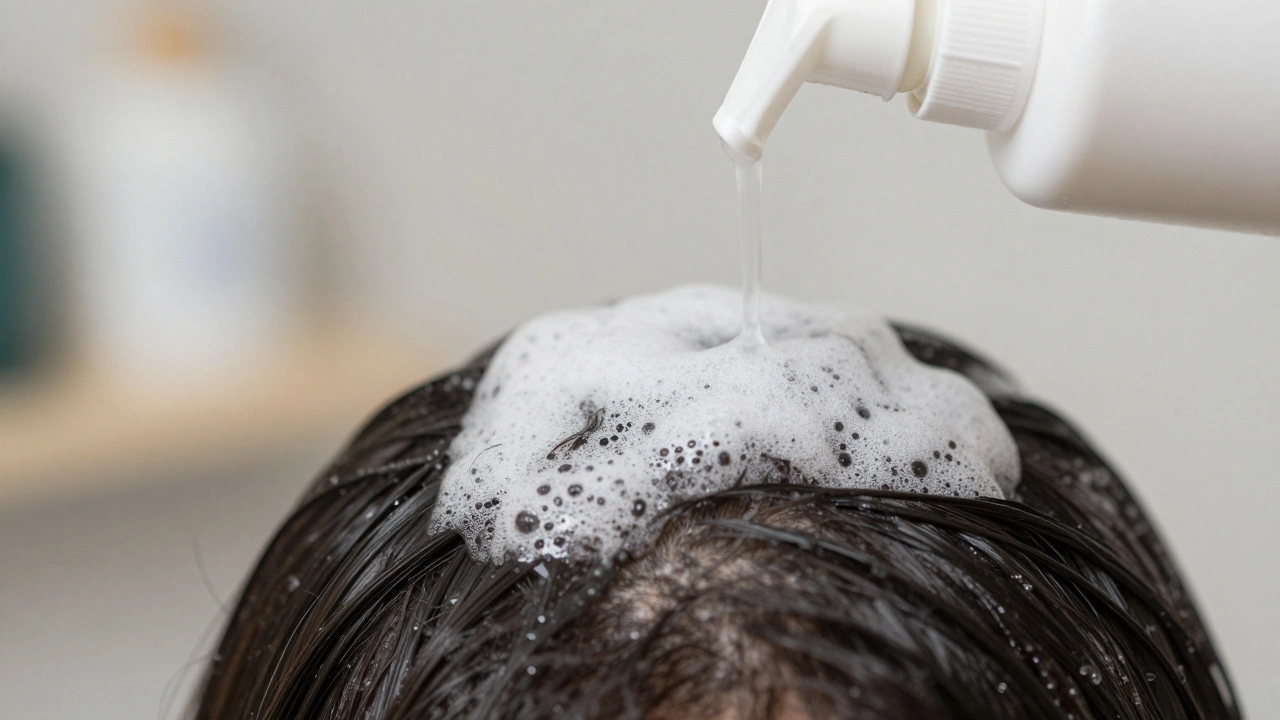
Hair Cleanliness & Shampoo Finder
Analyze Your Hair Needs
You scrub your head. You rinse. You dry. And yet, by noon, your roots feel heavy, greasy, or just... dirty. It’s frustrating. You bought the expensive bottle with the fancy scent, but it didn’t deliver on the one promise that matters: cleanliness. So, what shampoo actually gets hair cleanest? The answer isn’t a single brand name. It’s a specific type of ingredient profile designed to strip away buildup without destroying your hair’s natural balance.
Most people reach for their daily moisturizing shampoo when they want a deep clean. This is usually the wrong move. Daily shampoos are formulated to leave behind conditioning agents-silicones, oils, and fatty alcohols-to keep hair soft. If you have product buildup, sweat, or hard water minerals clogging your follicles, those conditioners act like glue, trapping the dirt against your scalp. To get truly clean hair, you need to understand the difference between cleaning and conditioning, and then choose the right tool for the job.
The Science of "Clean": Surfactants Explained
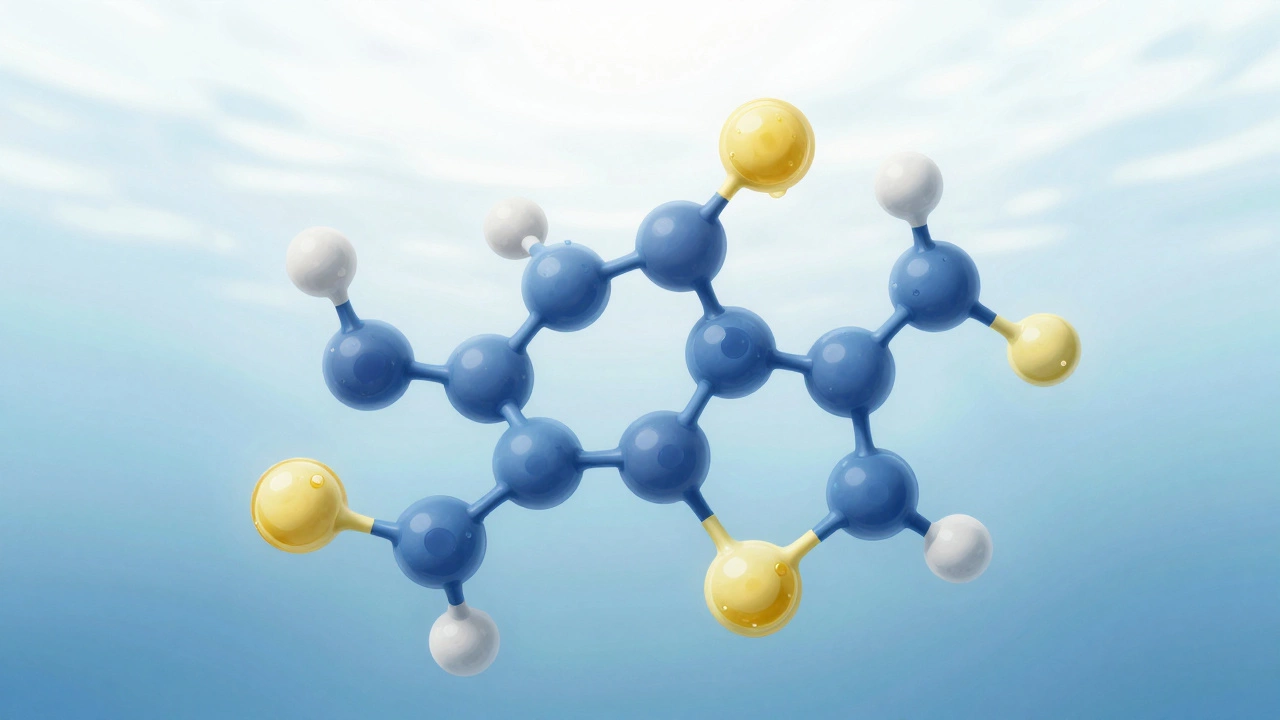
To understand what cleans best, we have to look at surfactants. These are the molecules in shampoo that do the actual work. They have two ends: one loves water (hydrophilic) and one loves oil (lipophilic). When you lather up, the oil-loving end grabs onto sebum, sweat, and styling product residue, while the water-loving end allows it to be rinsed away. Not all surfactants are created equal, though. Some are gentle; others are industrial-strength degreasers.
If your goal is maximum cleanliness, you are looking for strong anionic surfactants. The most common and effective of these is Sodium Laureth Sulfate (SLES) or its cousin, Sodium Lauryl Sulfate (SLS). Despite the negative reputation sulfates have gained in recent years, they remain the gold standard for removing stubborn buildup. SLS, in particular, has a smaller molecular structure than SLES, allowing it to penetrate deeper into pores and lift heavier oils more aggressively. For oily scalps or hair weighed down by heavy waxes and gels, SLS-based shampoos provide the most immediate sensation of "squeaky clean."
However, there is a catch. Strong surfactants don’t discriminate. They strip away the bad stuff, but they also strip away the good natural oils your scalp needs to stay healthy. Using a harsh sulfate shampoo every day can lead to a rebound effect. Your scalp senses the dryness and overproduces oil to compensate, leaving you washing your hair even more frequently. This is why the "cleanest" shampoo is often not the one you use daily, but the one you reserve for specific situations.
Clarifying Shampoos: The Deep Clean Specialists
When daily washes fail, clarifying shampoos step in. Think of them as the dish soap of the hair world. While regular shampoo is like hand soap-gentle enough for daily skin contact-clarifying shampoo is formulated to cut through grease and grime that sits on the surface of the hair shaft and scalp.
Clarifying shampoos typically contain higher concentrations of surfactants and often include chelating agents. Chelators are crucial if you live in an area with hard water. Minerals like calcium and magnesium bind to hair proteins, creating a dull, film-like coating that no amount of regular shampooing will remove. Ingredients like EDTA (Ethylenediaminetetraacetic acid) or sodium citrate grab these metal ions and flush them out. If your hair feels coated despite frequent washing, hard water is likely the culprit, and a clarifying wash with chelating properties is the only solution.
For swimmers, chlorine is another major enemy. Chlorine binds to keratin, causing damage and discoloration. A clarifying shampoo used immediately after swimming can neutralize this effect before it sets in. Look for formulas that specifically mention "swimmer’s shampoo" or contain antioxidants like vitamin C, which helps break down chlorine bonds.
Sulfate-Free vs. Sulfate: The Great Debate
The beauty industry has spent the last decade convincing consumers that sulfates are toxic. They aren’t. They are simply harsh. If you have color-treated hair, curly hair that relies on moisture retention, or a sensitive scalp with eczema, sulfates will cause damage or irritation. In these cases, "clean" doesn’t mean stripping everything away; it means removing dirt without compromising the hair’s integrity.
For those who cannot use sulfates, the next best option for a thorough clean is a shampoo based on amino acid-derived surfactants, such as Cocamidopropyl Betaine or Decyl Glucoside. These are milder but still effective at lifting light debris. However, they struggle with heavy silicones and waxes. If you use silicone-heavy serums and switch to a mild sulfate-free shampoo, you will experience buildup. The silicone won’t wash out, accumulating layer by layer until your hair looks lifeless and straw-like.
This creates a paradox: to get clean with a sulfate-free formula, you must avoid silicone-heavy products entirely. If you stick to water-soluble ingredients, a gentle sulfate-free shampoo will keep your hair feeling fresh and clean without the tight, dry sensation of sulfates. But if you love heavy styling products, you will eventually need a stronger cleanser.
| Shampoo Type | Primary Surfactant | Cleansing Strength | Best For | Risk Factor |
|---|---|---|---|---|
| Clarifying / Detox | SLS / SLES + Chelators | Very High | Heavy buildup, hard water, pre-treatment | Dryness, color fading |
| Standard Daily | SLES / Cocamidopropyl Betaine | Medium | Maintenance, normal oil production | Low |
| Sulfate-Free (Mild) | Glucosides / Amino Acids | Low to Medium | Curly hair, color-treated, sensitive scalp | Buildup from silicones/waxes |
| Oil-Based Cleanser | Emulsifying Oils | Low (Surface) | Extremely dry scalp, makeup removal | Residue if not rinsed well |
Ingredients That Trap Dirt (And How to Avoid Them)
Paradoxically, some ingredients in your shampoo might be preventing your hair from getting clean. Silicones like Dimethicone, Amodimethicone, and Cyclomethicone create a hydrophobic barrier around the hair strand. This seals in moisture and adds shine, but it also repels water-based dirt and prevents subsequent shampoos from penetrating the cuticle effectively. Over time, this leads to a slippery, unclean feeling because the shampoo is sliding off the silicone layer rather than cleaning the hair underneath.
If you want the cleanest possible result, audit your current routine. Are you using a leave-in conditioner with dimethicone? A heat protectant with cyclomethicone? If yes, your daily shampoo needs to be strong enough to dissolve these polymers. Most mild shampoos cannot. You would need a clarifying wash once a week to reset the baseline. Alternatively, switch to silicone-free styling products so that your gentler shampoos can do their job properly.
Technique Matters: How to Wash for Maximum Cleanliness
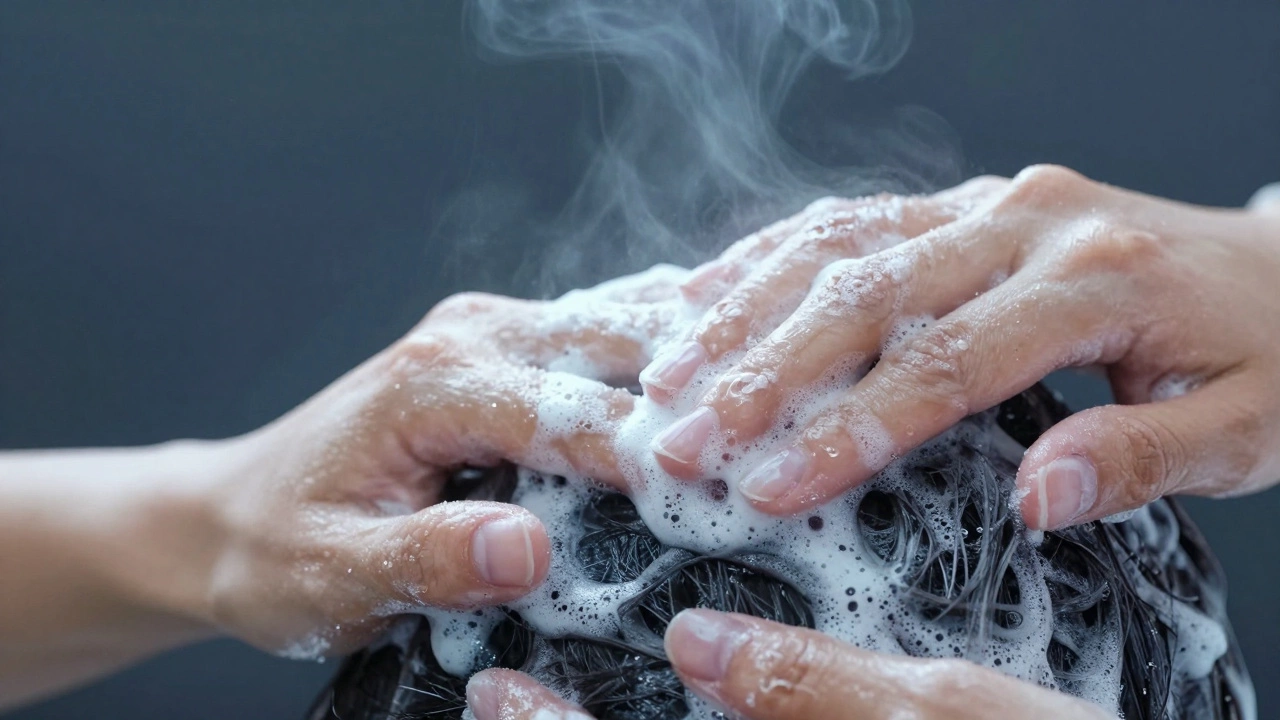
Even the strongest shampoo fails if applied incorrectly. Many people apply shampoo directly to the ends of their hair. This is a waste. The ends are dead tissue and don’t produce oil. The dirt and sebum accumulate at the scalp. Apply shampoo only to the roots and massage vigorously with your fingertips-not your nails, which can cause micro-tears and inflammation.
Water temperature plays a surprising role. Hot water opens the cuticle and strips oil, which can feel "cleaner" initially but leads to frizz and dryness. Cold water seals the cuticle but may not emulsify oils as effectively. Lukewarm water is the sweet spot. It allows surfactants to work efficiently without shocking the scalp or damaging the hair structure. Finally, double cleansing works wonders for hair, just as it does for facial skincare. The first wash breaks up the majority of the oil and product; the second wash actually cleans the hair. If you rush through a single quick lather, you’re mostly just rinsing off the shampoo itself.
Finding the Right Balance for Your Hair Type
There is no universal "best" shampoo because hair types vary drastically. Fine, straight hair tends to get oily quickly because sebum travels easily down the smooth shaft. For this hair type, a sulfate-based clarifying shampoo used every other day might be necessary to maintain volume and cleanliness. Thick, curly, or coily hair has a harder time distributing natural oils, making it prone to dryness. For this texture, "clean" should never mean "stripped." A low-poo (low foam) sulfate-free cleanser followed by a weekly clarifying wash is the ideal strategy.
If you wear extensions or weave-ins, your natural hair grows out from underneath and traps sweat and dead skin cells. Regular shampoos often can’t reach the scalp beneath the tracks. In this case, a diluted clarifying shampoo applied with a applicator bottle directly to the part lines is essential for hygiene and preventing odor.
Quick Takeaways
- Clarifying shampoos with SLS/SLES and chelating agents provide the deepest clean, removing hard water minerals and heavy product buildup.
- Sulfate-free shampoos are gentler but struggle with silicones and waxes; they require a silicone-free routine to prevent buildup.
- Double cleansing ensures the first wash breaks down oil and the second wash removes it completely.
- Avoid silicones in styling products if you prefer mild shampoos, or commit to weekly clarifying treatments.
- Apply shampoo to the scalp only, massaging with lukewarm water for optimal results.
How often should I use a clarifying shampoo?
For most people, once every two to four weeks is sufficient. If you use heavy styling products or live in a hard water area, you may need to clarify once a week. Overuse can lead to dryness and breakage, so listen to your hair. If it feels brittle or straw-like, reduce the frequency.
Does sulfate-free shampoo clean less effectively?
Yes, generally speaking. Sulfate-free surfactants are milder and produce less lather. They are excellent for removing sweat and light dust but often fail to dissolve heavy silicones, waxes, and accumulated sebum. If you rely on rich conditioners and serums, sulfate-free alone may lead to gradual buildup.
Can apple cider vinegar replace clarifying shampoo?
Apple cider vinegar acts as a mild acid rinse that helps close the hair cuticle and remove minor mineral deposits. However, it lacks the surfactants needed to lift oil and product residue. It is a great finishing rinse after shampooing, but it is not a substitute for a true clarifying wash when dealing with significant buildup.
Why does my hair still feel dirty after washing?
This is usually a sign of product buildup, particularly from silicones or hard water minerals. Your current shampoo may be too mild to dissolve these substances. Try switching to a clarifying shampoo containing EDTA or sulfates for one wash to reset your hair. If the problem persists, consider installing a shower filter to address hard water issues.
Is it safe to use dish soap on hair in an emergency?
While dish soap is extremely effective at cutting grease, it is far too harsh for regular use. It can severely disrupt the scalp's pH balance and strip hair of all natural lipids, leading to extreme dryness and breakage. Use it only as a last resort for severe oil spills, and always follow with a deep conditioning treatment.
 Skincare