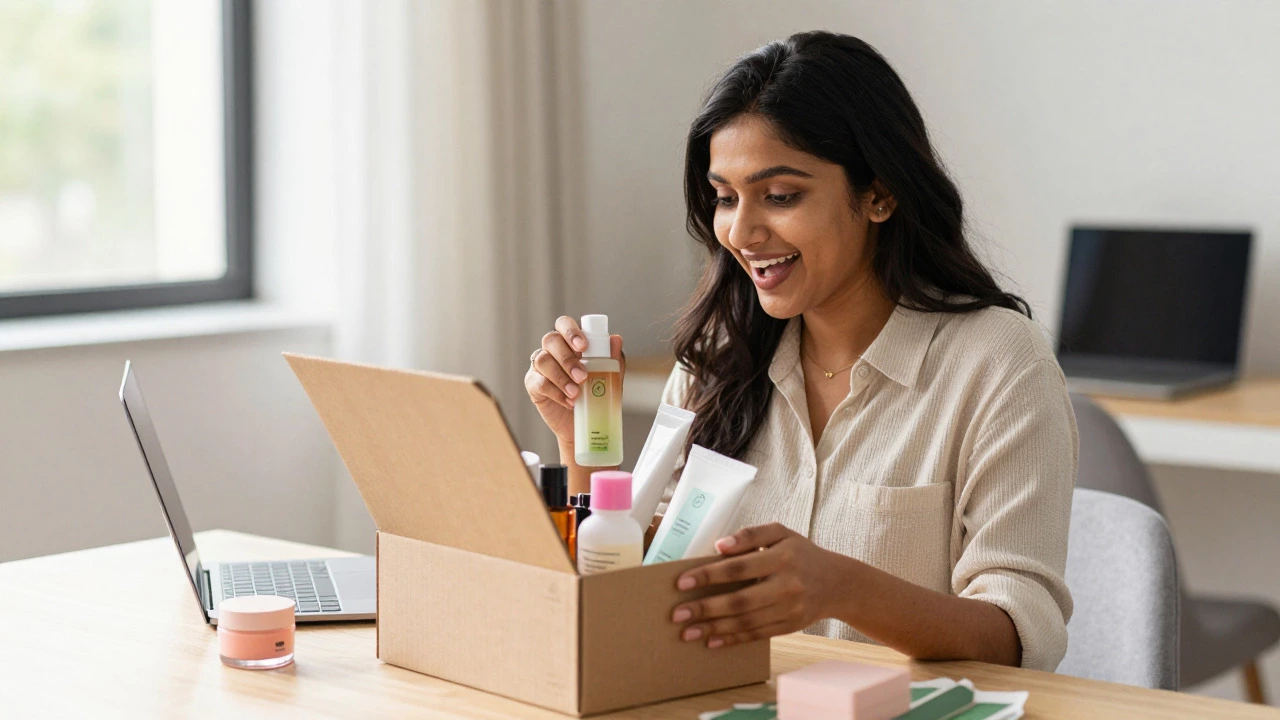
Beauty Subscriber Profile Generator
How it works
This tool generates random subscriber personas based on real market data regarding age, income, motivation, and spending habits described in the article.
Ever wonder why that glossy magazine ad for a curated beauty box feels like it was written specifically for you? It’s not magic; it’s data. The beauty subscription industry has exploded over the last decade, shifting from a niche novelty to a mainstream retail powerhouse. But who is actually pulling out their credit card every month? If you’re trying to launch a box or just curious about the market dynamics, understanding the buyer profile is crucial. It isn’t just one type of person. It’s a mix of demographics, psychographics, and specific lifestyle triggers.
The short answer is that beauty subscription boxes are primarily bought by women aged 18 to 45 who value discovery, convenience, and perceived savings. However, the reality is much richer. Let’s break down exactly who these subscribers are, what motivates them, and how the landscape looks in 2026.
The Core Demographic: Age and Gender Breakdown
When we look at the hard numbers, the primary driver of the subscription box economy is still women. According to recent market analyses from firms like IBISWorld and Statista, women account for roughly 70-80% of all beauty subscription subscribers. Men are a growing segment, particularly in grooming and skincare-focused boxes, but they remain a minority in the broader beauty category.
| Demographic Factor | Key Insight | Typical Behavior |
|---|---|---|
| Age Group | Millennials (28-43) & Gen Z (12-27) | High engagement with social media; driven by FOMO and trendiness. |
| Gender | Female-dominated (approx. 75%) | Focus on makeup, hair care, and full-face routines. |
| Income Level | Middle to Upper-Middle Class | Willing to pay $15-$50/month for curation and convenience. |
| Location | Urban and Suburban areas | Higher density of internet access and disposable income. |
Age plays a massive role here. Millennials make up the largest chunk of the subscriber base. They grew up during the rise of e-commerce and have developed a high tolerance for online shopping. They are also in a life stage where they have disposable income but often lack the time to visit physical stores. Gen Z follows closely behind, driven heavily by TikTok trends and influencer recommendations. For this group, the unboxing experience is as important as the products inside. Baby Boomers and Gen X are smaller segments, though they are increasingly subscribing to anti-aging focused skincare boxes.
Psychographics: Why They Subscribe
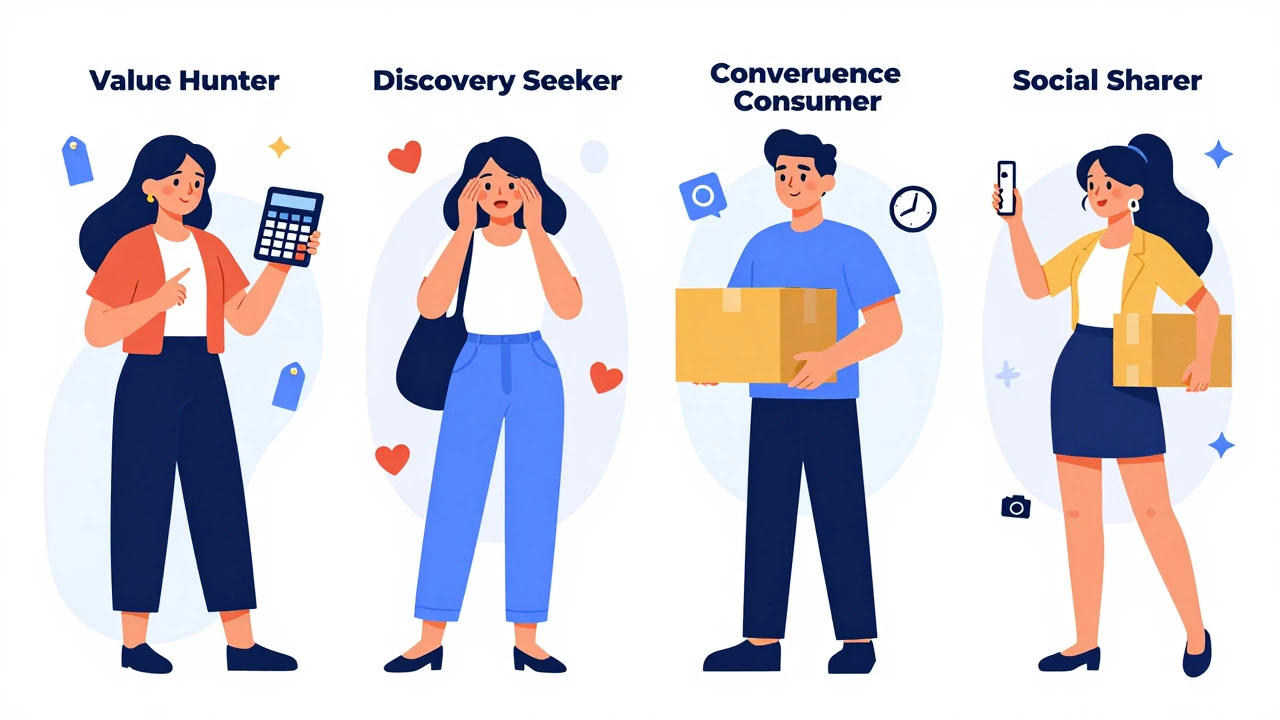
Knowing *who* they are doesn’t tell you *why* they buy. That’s where psychographics come in. These are the psychological attributes that drive purchasing decisions. There are four main motivations for buying a beauty box:
- The Discovery Seeker: This person loves trying new things but is overwhelmed by choice. They don’t want to sift through hundreds of serums at Sephora. They want an expert to curate five interesting items for them. They value novelty and variety.
- The Value Hunter: These subscribers calculate the total retail value of the box versus the monthly fee. If the box costs $25 but contains products worth $80, they feel like they’ve won. They are price-sensitive but willing to spend if they perceive a deal. This group is highly sensitive to "full-size" vs. "sample-size" debates.
- The Convenience Consumer: Life is busy. These people subscribe so they never run out of essentials like lip balm, sheet masks, or shampoo samples. It’s a set-it-and-forget-it solution to their daily routine.
- The Social Sharer: For some, the box is content. They buy it because it looks good on Instagram or TikTok. The packaging matters more than the product. They are motivated by aesthetics and brand alignment.
Understanding these motivations helps explain churn rates. The Value Hunter might cancel if two months in a row feature low-value samples. The Discovery Seeker might cancel if the curation becomes too repetitive. A successful box service balances these needs by offering consistent value while maintaining surprise.
The Role of Income and Spending Power
You might assume that only wealthy individuals subscribe to beauty boxes. While premium boxes (like FabFitFun or Birchbox Luxe) do attract higher-income earners, the entry-level market is quite broad. Most major beauty boxes fall in the $10 to $30 per month range. This price point is accessible to college students, young professionals, and middle-class families.
However, there is a ceiling. When economic uncertainty rises, discretionary spending drops. In 2024 and 2025, we saw a slight dip in subscriptions among lower-income brackets as consumers tightened budgets. Yet, interestingly, mid-tier boxes remained resilient. Why? Because people cut back on big purchases (like designer handbags) but kept small luxuries (like a $15 box). This phenomenon is known as the "lipstick effect," where consumers still buy affordable indulgences during tough times.
Higher-income subscribers tend to stick with services longer. They are less likely to cancel due to minor fluctuations in value. They view the subscription as a lifestyle perk rather than a financial decision. Brands targeting this demographic focus on exclusivity, early access to launches, and high-end brand partnerships.
Geographic Trends: Where Are the Subscribers?
Geography influences both availability and preference. North America remains the largest market for beauty subscription boxes, followed by Europe and Asia-Pacific. In the US, urban centers like New York, Los Angeles, and Austin have high penetration rates. These areas have dense populations of young professionals who are digitally native and socially active.
In Australia, the market is mature but competitive. Services like BoxyCharm and Ipsy have strong followings, but local players are gaining ground by focusing on clean beauty and sustainable packaging. Australian consumers are particularly concerned with ingredient transparency and eco-friendly practices. A box that includes plastic-heavy samples may face backlash here, whereas one with recyclable materials thrives.
Emerging markets in Southeast Asia and Latin America are showing rapid growth. As internet penetration increases and middle classes expand, the desire for global beauty brands drives subscription adoption. Localized boxes that cater to specific skin tones and climate conditions are becoming more popular in these regions.
The Impact of Social Media and Influencers
You can’t talk about who buys beauty boxes without talking about social media. Platforms like TikTok, Instagram, and YouTube are the primary acquisition channels for new subscribers. Influencers play a critical role in shaping perception. When a trusted creator does an "unboxing" video, it serves as social proof. It reduces the risk for potential buyers who are hesitant to try something new.
Gen Z subscribers, in particular, rely on peer validation. If a box goes viral for having a rare item or a stunning design, sales spike immediately. This creates a cycle of hype and urgency. Brands leverage this by creating limited-edition boxes or partnering with influencers for exclusive codes.
However, this reliance on social media also means that reputation can be damaged quickly. A single negative review about a broken product or poor customer service can spread rapidly. Trust is fragile. Subscribers expect responsive support and transparent communication. If a box arrives late or damaged, the resolution process must be seamless to retain the customer.
Men and the Growing Grooming Market
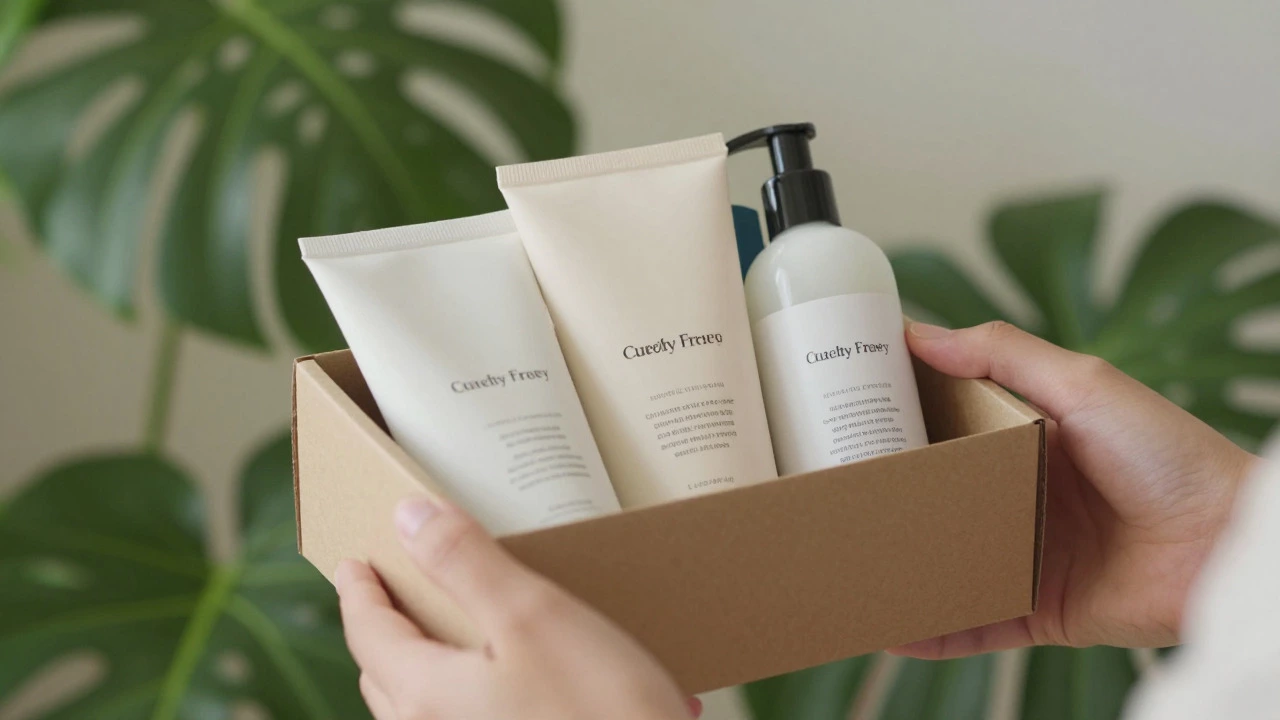
While women dominate the space, men are no longer invisible. The male grooming market has grown significantly, driven by changing societal norms and increased marketing towards men. Boxes tailored for men focus on skincare, beard care, and fragrance. These subscribers often prioritize functionality and simplicity over variety.
Male subscribers tend to have lower churn rates than female subscribers. Once they find a box that fits their routine, they stick with it. This is partly because the options are fewer, so loyalty is higher. Brands targeting men emphasize efficiency, scientific ingredients, and masculine branding. Think less "glitter and gloss" and more "clean lines and results."
This segment is also more likely to respond to performance-based claims. If a box promises to reduce acne or improve hydration, they will test it rigorously. If it works, they stay. If it doesn’t, they leave. Transparency in ingredients and clinical backing are key trust signals for this audience.
Sustainability and Ethical Consumption
A growing subset of subscribers, particularly among Millennials and Gen Z, prioritizes sustainability. They want to know that the brands in their box are cruelty-free, vegan, and environmentally responsible. Greenwashing is easily spotted and punished by this group. If a box claims to be eco-friendly but arrives in excessive plastic, cancellation rates soar.
Brands that align with ethical values build deeper emotional connections. Subscribers feel good about their purchase, which reinforces loyalty. This includes supporting minority-owned businesses, using refillable packaging, and donating a portion of profits to charity. These factors are becoming differentiators in a crowded market.
In 2026, sustainability is no longer a nice-to-have; it’s a baseline expectation. Consumers check labels and research brands before committing. A subscription box that ignores this trend risks being seen as outdated or irresponsible.
Churn Rates and Retention Strategies
No discussion of subscribers is complete without addressing churn. The average churn rate for beauty subscription boxes hovers around 5-10% per month. That means a significant portion of subscribers cancel within the first few months. Why? Usually, it’s due to mismatched expectations, lack of personalization, or budget constraints.
To combat this, successful services invest in personalization algorithms. By asking detailed quizzes about skin type, preferences, and allergies, they tailor each box to the individual. The more relevant the products, the less likely the subscriber is to cancel. Regular surveys and feedback loops help adjust the curation over time.
Another strategy is flexibility. Allowing subscribers to skip months, pause, or customize their boxes reduces friction. Rigid monthly billing can feel burdensome. Offering perks for long-term subscribers, such as free shipping or exclusive discounts, rewards loyalty and encourages retention.
What is the average age of a beauty subscription box subscriber?
The average age ranges from 25 to 35 years old. Millennials form the core demographic, followed closely by Gen Z. Older generations are subscribed but in smaller numbers, often focusing on anti-aging or luxury segments.
Do men subscribe to beauty boxes?
Yes, although they make up a smaller percentage (around 20-25%). Male subscribers typically prefer grooming-focused boxes that include skincare, beard care, and fragrances. They tend to have higher retention rates once they find a suitable service.
Why do people cancel their beauty subscriptions?
Common reasons include receiving products they don’t use, perceiving poor value (small samples), budget cuts, or lack of personalization. Churn is highest in the first three months when initial excitement fades.
How much do most people spend on beauty boxes monthly?
Most mainstream boxes cost between $15 and $30 per month. Premium boxes can range from $50 to $100+. The majority of subscribers fall into the mid-tier pricing bracket, balancing cost with perceived value.
Is the beauty subscription market saturated?
It is highly competitive, but not necessarily saturated. Niche markets (like vegan beauty, curly hair care, or mature skin) still offer opportunities for differentiation. Success depends on strong branding, effective personalization, and community building.
 Skincare