You might assume smooth skin is just about booking an appointment and zapping away, but reality is trickier. Not every body works the same way under high-intensity light. Some folks walk into a clinic expecting silk skin and leave with burns or scarring because they skipped the basics. This guide breaks down exactly who needs to stay away from the laser chair to protect their skin.
Laser Hair Removal is a cosmetic procedure using concentrated light beams to destroy hair follicles permanently. While popular, it relies heavily on selective photothermolysis, which means heat targets pigment. If your pigment levels or skin history aren't compatible, the device can malfunction safely.The Critical Role of Skin Tone
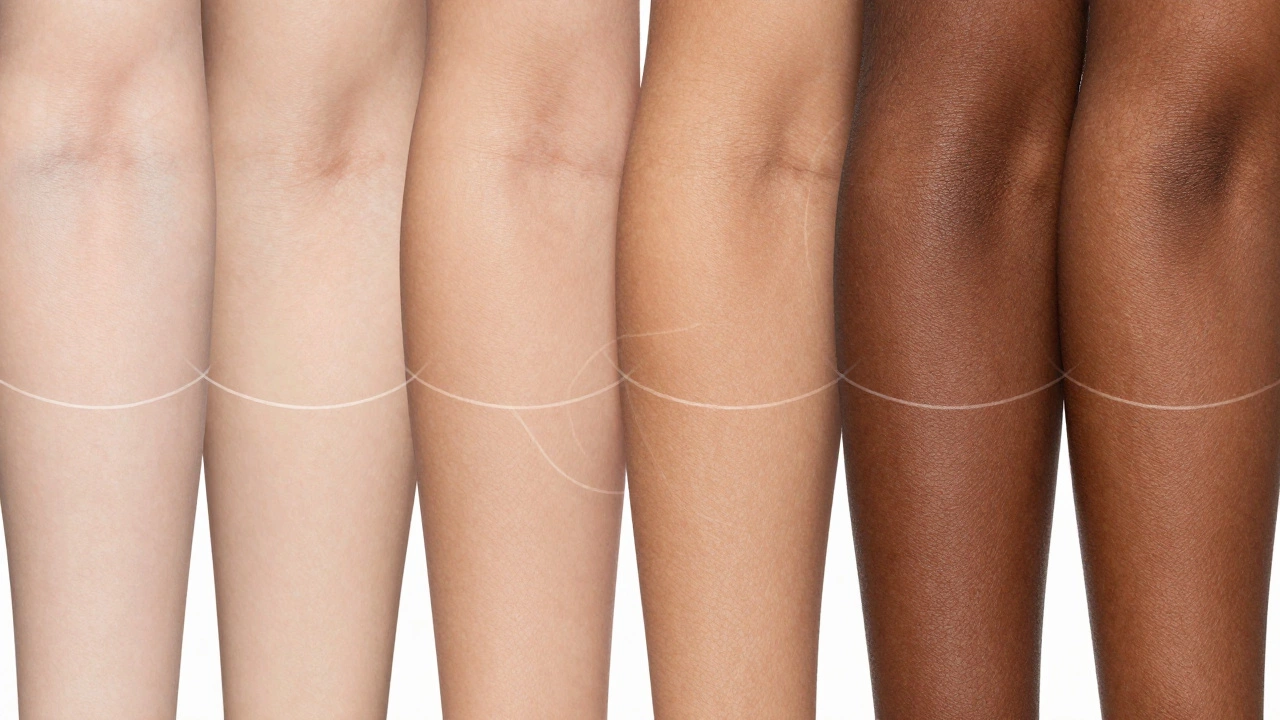
Skin type is the biggest factor in whether you get a clean result or a bad reaction. The industry uses the Fitzpatrick Scale is a numerical classification scheme for human skin color. ranging from Type I (very fair) to Type VI (dark brown to black).
Lasers work by seeking melanin. They want the pigment in the hair shaft, not your skin. When you have dark skin, the device struggles to differentiate between the hair and your epidermis. Older technologies like early Ruby lasers were dangerous for Type IV-VI skin. Modern systems like Nd:YAG lasers handle deeper tones better, but risk still exists.
| Fitzpatrick Type | Skin Characteristics | Risk Level |
|---|---|---|
| Type I-II | Pale, burns easily, blue eyes | Low Risk (High Efficacy) |
| Type III-IV | Light to olive, tans sometimes | Moderate Risk (Needs Cooling) |
| Type V-VI | Dark brown/black, rarely burns | High Risk (Needs Specific Wavelengths) |
If you fall into the higher categories, do not treat yourself at home. Home devices often lack the cooling mechanisms necessary to prevent thermal injury on darker complexions. Even professional settings require strict calibration. If your technician suggests treating very dark skin with an Alexandrite laser, ask them to explain how they will prevent hyperpigmentation.
Hair Color Matters More Than You Think
The laser needs contrast. It looks for dark hair against lighter skin. If your hair lacks pigment, the beam passes through harmlessly. This leads many people to waste money with zero results.
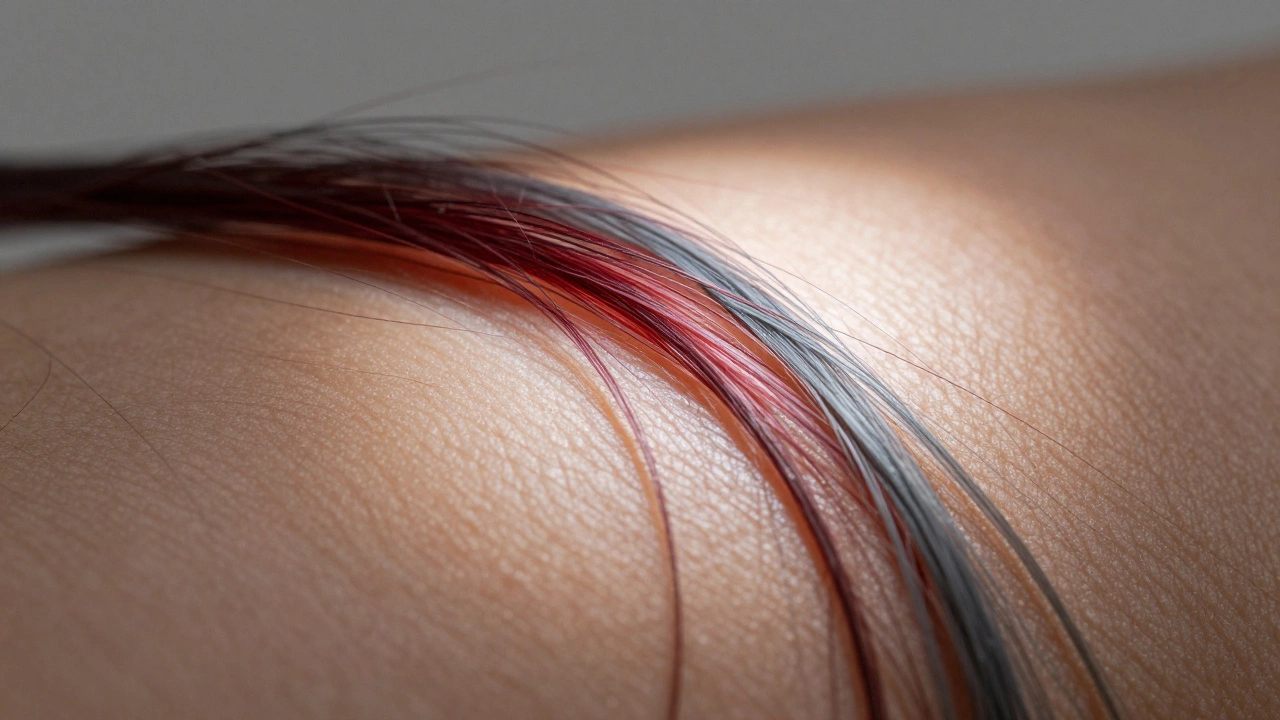
- White/Grey Hair is hair lacking melanin pigmentation.: The laser cannot see grey strands. These individuals need electrolysis instead.
- Red Hair is hair containing pheomelanin rather than eumelanin.: Redheads often find the energy required damages skin faster than the hair. Results are unpredictable.
- Blonde Hair: Fine blonde hair has minimal target material. You might clear thick patches, but peach fuzz usually remains untouched.
Don't rely on bleached hair either. Chemical bleaching destroys the melanin in the hair shaft temporarily. If you bleach your bikini line or eyebrows weeks before, you essentially make the laser blind during the session. Waiting months after bleaching is necessary before starting treatment.
Medications That Change Your Rules
Your medical bag holds hidden hazards for laser sessions. Some drugs interact poorly with light exposure. The most famous offender is isotretinoin, commonly known as Accutane.
This medication thins the skin significantly to combat severe acne. Using a laser while taking it raises the risk of permanent scarring and keloid formation. Clinics generally enforce a six-month wait period after stopping the drug. Ignoring this window creates a fragile skin barrier that cannot withstand thermal shock.
Beyond Accutane, watch out for:
- Antibiotics: Tetracyclines like doxycycline cause photosensitivity.
- St. John's Wort: An herbal supplement increasing sun sensitivity.
- Tazarotene: Prescription retinoid cream used for anti-aging.
- Retinol/Tretinoin: Regular use makes the skin highly reactive.
Always disclose supplements too. If you pop daily multivitamins containing St. John's wort, tell the technician. They can reschedule you until the substance clears your system. Hiding this info risks chemical burns that look like severe blistering.
Active Infections and Skin Conditions
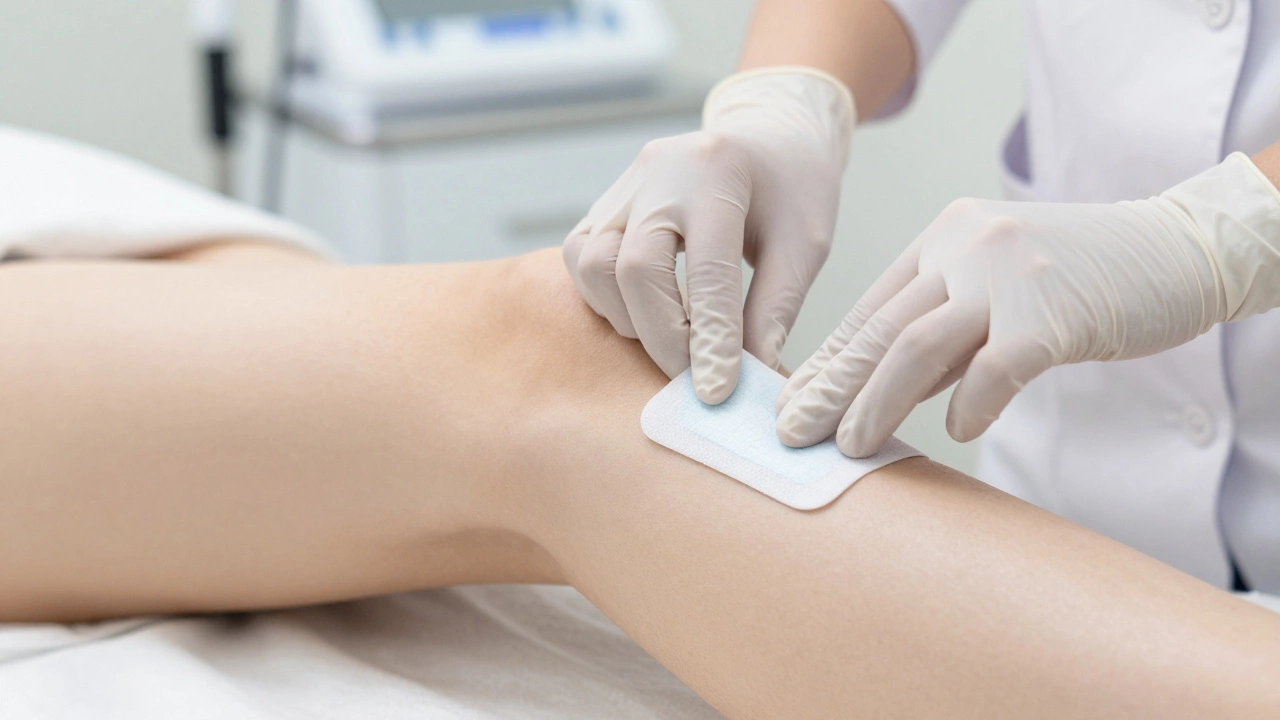
Your skin acts as a warning system. If something feels wrong now, don't zap it later. Spreading infection is real.
- Herpes Simplex is a viral infection causing recurring blisters.: Active cold sores near the mouth area are a hard no. Laser triggers virus outbreaks. You need antiviral medication beforehand.
- Warts: Laser heat can stimulate these viral growths to spread rapidly across the treated zone.
- Cancerous Lesions: If you have unconfirmed moles or lesions, heat changes can mask diagnosis later.
- Keloid History: If you scar easily, trauma from the laser might trigger raised scar tissue permanently.
A good technician will pause treatment over any open cuts, scrapes, or rashes. Healing skin is vulnerable. Jumping back in immediately after a sunburn or abrasion causes severe inflammation. Always let wounds fully close.
The Danger of Recent Sun Exposure
Natural tan lines create uneven absorption points. UV radiation changes the skin's behavior under laser. A tan increases the amount of melanin in the epidermis.
If you arrive at the clinic fresh from a beach trip, the tech will cancel. This isn't bureaucracy; it prevents burning. Tanned skin absorbs the heat meant for the hair root.
- Waiting Period: You typically need four to six weeks of sun avoidance.
- Sunscreen Usage: Apply SPF 30+ religiously during your treatment course.
- Tanning Beds: Artificial tanning is even worse than sun. Stop immediately upon deciding to start laser.
Some clinics sell fake tan products. These contain dihydroxyacetone (DHA) which alters skin color. Remove fake tan completely before the session. It ruins the accuracy of the machine's sensors.
Pregnancy and Breastfeeding Considerations
While studies haven't proven lasers harm babies, the ethical standard is caution. Hormonal shifts during pregnancy drive hair growth surges anyway. Treating during this time often yields poor long-term results because hormones restart the cycle quickly.
Most reputable salons refuse service for pregnant clients due to liability. Pain levels also shift during pregnancy. Nausea or fatigue might make lying flat on a table uncomfortable.
Breastfeeding adds complexity. Stress and discomfort from treatment can impact milk supply indirectly. The general consensus among dermatologists is to wait until six months postpartum to begin.
Alternatives If You Qualify As High-Risk
If you fall into the "avoid" list above, hair management isn't dead. Other methods suit different biologies.
| Method | Best For | Limitation |
|---|---|---|
| Electrolysis is permanent hair removal using electric current. | Grey hair, red hair, small areas | Time-consuming, painful, slower progress |
| Shaving/Waxing | Quick temporary control | Ingrowing hairs, regrowth cycles |
| IPL (Home Devices) | Maintenance only, lower cost | Weaker pulses, less effective on coarse hair |
Electrolysis is the gold standard for non-pigmented hair. It treats one follicle at a time with a needle, bypassing color reliance. It costs more per minute but works where laser fails.
How To Vet A Clinic Before Booking
Choosing the right practitioner mitigates some risks. Ask direct questions during the consult.
- "Have you treated skin similar to mine?"
- "What wavelength does your machine use?"
- "Can I see a patch test result from another client?"
A confident provider never rushes the spot test. They should apply a small burst on your skin first to gauge reaction. If they skip this step, run. Patch tests identify hidden sensitivities before full-area exposure.
Verify equipment age. Technology evolves fast. Machines from ten years ago struggle with safety protocols found in modern heads. Look for FDA-cleared devices specifically designed for diverse skin types.
Can I do laser hair removal if I have sensitive skin?
Yes, provided the clinic adjusts the energy settings. Sensitive skin requires lower fluence levels and longer pulse durations to avoid irritation. Always request a patch test before committing to a full package.
Does the type of laser matter for my skin tone?
Absolutely. Darker skin requires Nd:YAG lasers because they bypass surface melanin. Alexite and Diode lasers work well for lighter skin tones but pose burn risks on dark skin if not expertly calibrated.
Will Accutane affect my treatment safety?
Yes, Accutane thins the skin and drastically increases scarring risk. Most clinics mandate a waiting period of six to twelve months after discontinuing the medication before clearing you for treatment.
Can I get laser hair removal while pregnant?
Most providers decline treatment during pregnancy due to hormonal unpredictability and liability concerns. It is safer and more effective to wait until after breastfeeding is complete.
Why does grey hair not respond to laser?
Lasers target melanin (pigment). Grey hair lacks sufficient pigment to absorb the energy. Without that target, the heat dissipates without damaging the root. Electrolysis is required for these follicles.
 Skincare