Dermatologist Access Checker
Check Your Dermatologist Access
Find out how long you might wait for an appointment based on your location and skin care needs
Your Dermatologist Access Report
Location:
Estimated Wait Time:
Access Status:
Recommended Actions:
Ever tried to book a dermatologist appointment and found the earliest slot is six months away? You’re not alone. In 2026, the average wait time to see a board-certified dermatologist in the U.S. is over 140 days. In some states, it’s closer to six months. Why? It’s not because everyone suddenly developed a rash. The system is breaking under pressure - and the reasons run deeper than you think.
The Surge in Skin Problems
More people than ever are seeking help for skin issues. It’s not just acne or eczema anymore. The rise in autoimmune disorders like psoriasis and lupus-related rashes has jumped 40% since 2020, according to the American Academy of Dermatology. Climate change is playing a role too - increased UV exposure, pollution, and extreme heat are triggering new cases of melasma, rosacea, and even skin cancers. A 2025 study from the Journal of the American Medical Dermatology found that cases of non-melanoma skin cancer rose by 19% in just three years.
And then there’s social media. TikTok and Instagram have turned skincare into a full-time obsession. People are experimenting with high-strength retinoids, chemical peels, and at-home lasers - often without guidance. The result? A flood of patients showing up with irritated skin, broken barriers, and burning sensations. Dermatologists aren’t just treating diseases anymore. They’re cleaning up the fallout of viral trends.
Not Enough Dermatologists to Go Around
There’s a simple math problem here: demand is skyrocketing, but supply isn’t keeping up. In 2025, there were roughly 19,000 board-certified dermatologists in the U.S. That’s one for every 17,000 people. Compare that to primary care, where there’s one doctor for every 1,000 people. The ratio is wildly out of balance.
Why? Becoming a dermatologist takes longer than almost any other medical specialty. After college, you need four years of medical school, then a one-year internship, followed by a three-year dermatology residency. That’s 11 years minimum before you can treat patients independently. And even then, many choose to work in academic hospitals or private practices that limit patient volume to maintain quality care.
There’s also a geographic gap. Most dermatologists cluster in big cities - New York, Los Angeles, Chicago. Rural areas? Some counties have zero dermatologists. A 2024 report from the Skin Cancer Foundation showed that 62% of rural Americans live more than 50 miles from the nearest skin specialist.
Insurance and Reimbursement Issues
Here’s something most people don’t realize: dermatologists are getting paid less per visit than they were 15 years ago. Medicare and private insurers have slashed reimbursement rates for skin checks and biopsies. In 2010, a full-body skin exam paid around $110. Today? It’s closer to $70 after administrative fees and insurance processing.
That means dermatologists have to see more patients just to cover their overhead. Rent, staff salaries, equipment maintenance - it all adds up. Many clinics now operate on a high-volume model: 8-10 patients per hour. But even then, they’re barely breaking even. Some dermatologists have stopped taking new insurance patients altogether. Others have shifted to cash-only practices, which makes access even harder for people without disposable income.
Teledermatology Isn’t Solving the Problem
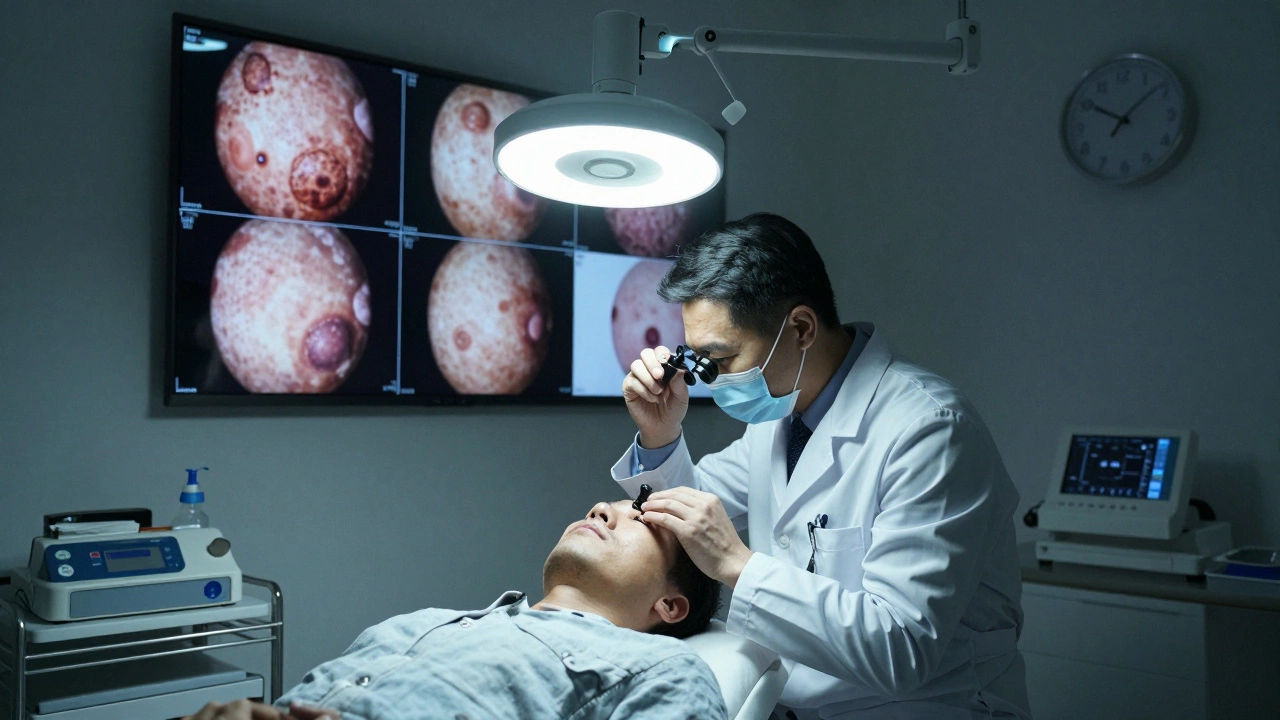
You’ve probably heard: “Just use a telehealth app.” But teledermatology has major limits. It works fine for simple rashes or follow-ups. But if you have a suspicious mole, a new growth, or a stubborn lesion - you need a physical exam. A photo can’t capture texture, depth, or subtle color changes. A 2025 study in DermaConnect showed that 38% of teledermatology referrals still required an in-person visit within two weeks.
Plus, most insurance plans don’t fully cover virtual dermatology visits. So patients end up paying out-of-pocket for a consultation that doesn’t even solve their problem. The result? A two-tier system: those who can afford in-person care get seen quickly. Everyone else waits - or gives up.
More Than Just Acne: The Hidden Demand
Most people think dermatologists only treat acne. But that’s a tiny fraction of what they do. Over half of dermatology visits are for:
- Non-melanoma skin cancer screenings
- Chronic conditions like psoriasis and hidradenitis suppurativa
- Severe eczema and contact dermatitis
- Scarring from past injuries or surgeries
- Preventative care for high-risk patients (sun damage, family history)
And then there’s aging. As the population over 65 grows, so does the need for skin cancer checks. Seniors are more vulnerable - their skin is thinner, healing is slower, and they’re more likely to develop actinic keratoses. These aren’t optional visits. They’re life-saving. But with only 8% of dermatologists specializing in geriatric dermatology, the gap is widening.
What Can You Do If You’re Waiting?
Waiting six months isn’t passive. Here’s what actually helps:
- Call multiple clinics - not just the one recommended by your insurance. Smaller practices often have shorter wait times.
- Ask about waitlist cancellations. Many clinics have a call-back system for last-minute openings.
- See a board-certified physician assistant or nurse practitioner trained in dermatology. They can handle 70% of common cases under supervision.
- Use your primary care doctor for urgent issues. They can prescribe antibiotics for infections or refer you to a specialist faster than you’d think.
- Document your symptoms. Take photos, note when flare-ups happen, track triggers. This speeds up diagnosis when you finally get in.
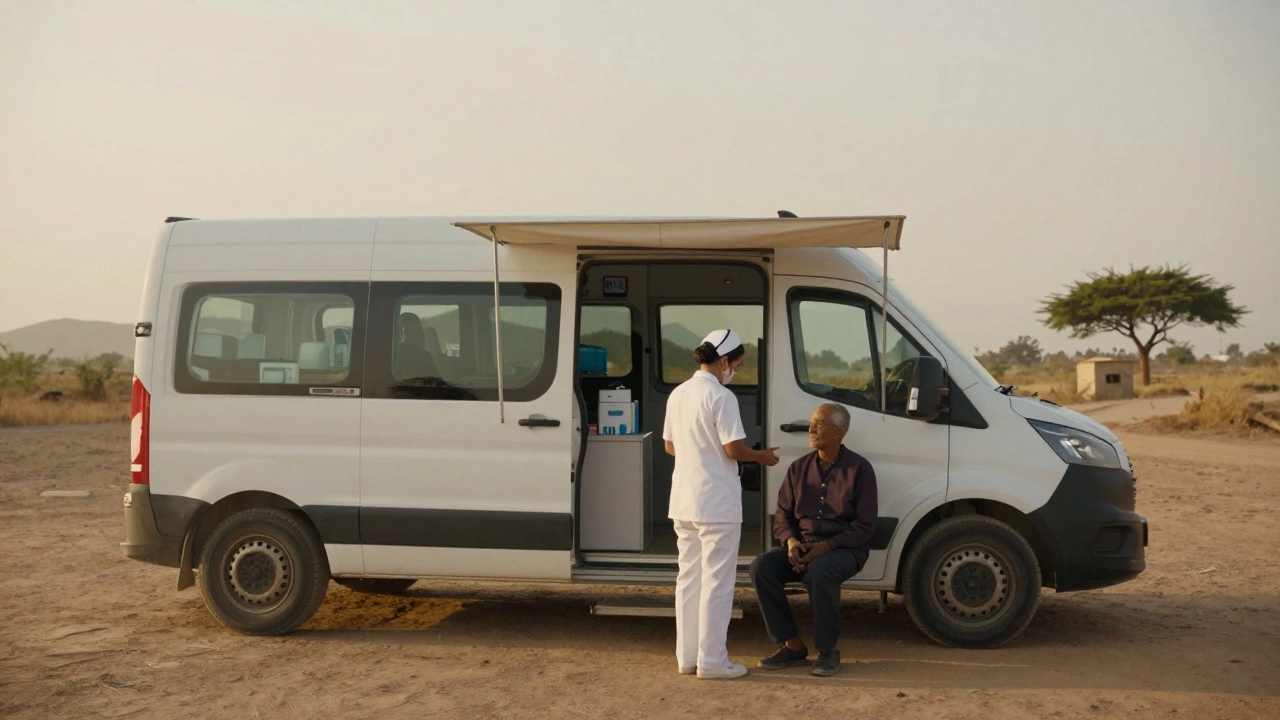
And if you’re in a rural area? Mobile dermatology units are starting to appear in states like Texas, Montana, and West Virginia. They’re funded by federal grants and travel to underserved counties once a month. Check with your county health department.
The Bigger Picture
This isn’t just about appointments. It’s about access to care. Skin health is medical health. Left untreated, a benign-looking mole can turn deadly. A persistent rash can signal an autoimmune disease. Delayed diagnosis leads to worse outcomes - and higher long-term costs.
Some states are trying to fix this. California passed a law in 2025 allowing dermatology residents to practice under supervision in underserved areas. Texas expanded telehealth coverage for follow-ups. But these are Band-Aids. What we need is more funding for residency programs, higher reimbursement rates, and incentives to practice in rural zones.
Until then, the wait continues. And every day you delay seeing a specialist? Your skin is still changing.
Why is it so hard to get a dermatologist appointment?
It’s a mix of rising demand and limited supply. More people are seeking care for skin cancer, chronic conditions, and damage from skincare trends - while the number of trained dermatologists hasn’t kept pace. Insurance reimbursement cuts force many to see more patients just to stay open, leading to longer waitlists.
Can I see a PA or nurse practitioner instead of a dermatologist?
Yes - and you should. Board-certified physician assistants and nurse practitioners with dermatology training can handle most common issues like acne, eczema, rashes, and basic skin cancer screenings. They work under a dermatologist’s supervision and often have shorter wait times. Only complex cases like advanced psoriasis or melanoma require a dermatologist.
Is teledermatology a good alternative?
It’s helpful for follow-ups or mild rashes, but not for diagnosis. Photos can’t show depth, texture, or subtle color changes. A 2025 study found that 38% of teledermatology cases still needed an in-person visit within two weeks. It’s not a replacement - just a temporary bridge.
Why aren’t more doctors becoming dermatologists?
It takes 11+ years of training, and the pay doesn’t match the effort. Reimbursement rates for skin exams have dropped since 2010, while overhead costs (staff, equipment, malpractice insurance) keep rising. Many choose specialties with better pay-to-time ratios, like radiology or anesthesiology.
Are there any new solutions to the shortage?
Some states are experimenting with mobile dermatology units that travel to rural areas. Others are expanding training slots for dermatology residents and allowing PAs to practice independently in underserved zones. But without major changes in funding and reimbursement, these efforts won’t be enough to close the gap.
 Skincare