Korean Skincare Results Estimator
How Consistent Is Your Skincare Routine?
Based on the article, consistency is key to seeing results in Korean skincare routines.
Your Expected Results Timeline
Based on the Korean skincare principles from the article
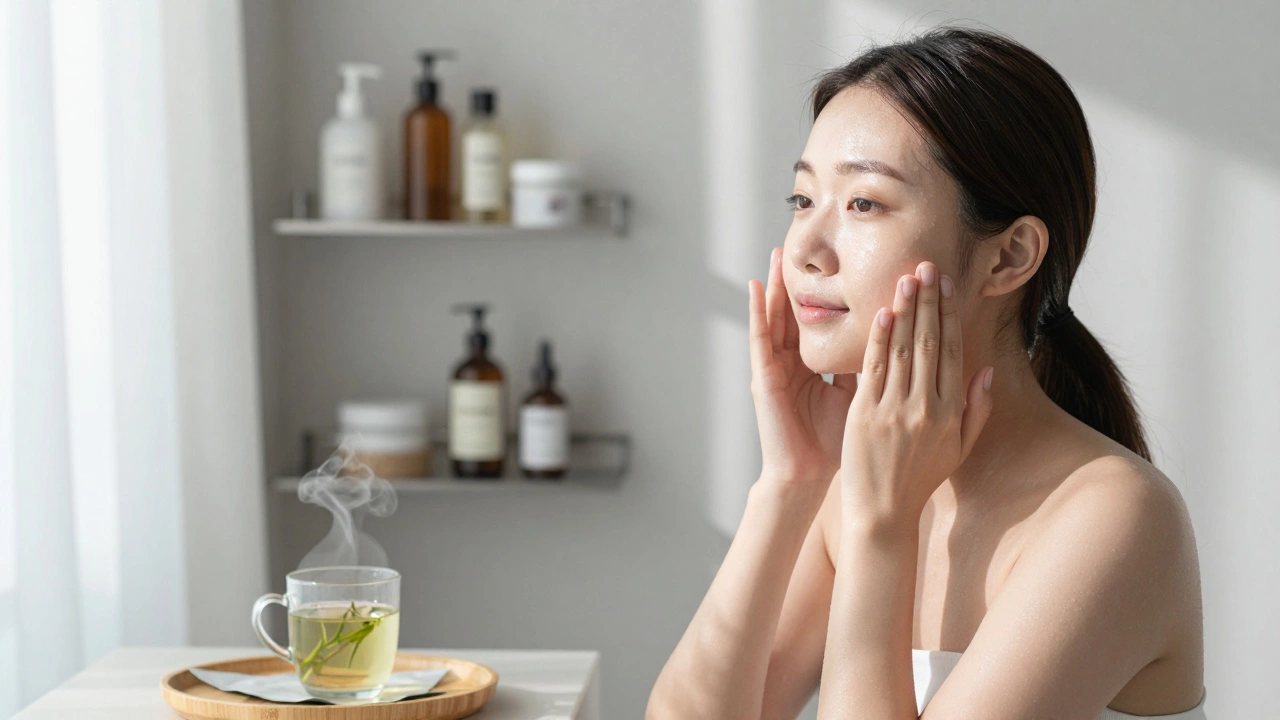
Have you ever seen someone with skin that looks like it’s lit from within-no filter, no makeup, just smooth, even, glowing skin-and wondered how they got it? For many, the answer points to Korea. But it’s not magic. It’s not genetics alone. It’s a system built over decades, shaped by culture, science, and a deep respect for skin as something to care for, not cover up.
The Korean Skincare Mindset Is Different
Most Western skincare routines stop at cleanser, moisturizer, sunscreen. Maybe a serum if you’re feeling fancy. Korean routines often have 10, 12, even 15 steps. That sounds overwhelming until you realize: it’s not about doing more. It’s about doing the right things, consistently. Koreans treat skin like a long-term investment. They don’t wait for acne or wrinkles to show up before acting. Prevention isn’t a buzzword-it’s the default. That means daily hydration, gentle exfoliation, and sun protection aren’t optional. They’re as normal as brushing your teeth. This mindset shifts the focus from fixing problems to maintaining balance. Skin isn’t something to battle. It’s something to nurture. And that changes everything.Hydration Is Non-Negotiable
Dry skin is the enemy of clarity. When skin lacks moisture, it produces more oil to compensate. That leads to clogged pores, breakouts, and a dull texture. Koreans know this. That’s why hydration comes first-in every routine. The classic Korean approach starts with a double cleanse: first with an oil-based cleanser to dissolve sunscreen, makeup, and sebum, then with a gentle water-based cleanser to remove dirt without stripping. After that? Layering. A toner (often alcohol-free and packed with botanicals like centella asiatica or green tea) preps the skin. Then comes an essence-a lightweight, watery product rich in fermenting ingredients like galactomyces. These aren’t just hydrators; they’re cell-communicating agents that help skin repair itself. Followed by serums, ampoules, sheet masks (used 2-3 times a week), and finally, a rich cream or sleeping pack. Each layer is patted in, never rubbed. The goal? To let each product sink in fully before adding the next. No shortcuts. No rushing.Organic and Fermented Ingredients Are Everywhere
Korean brands don’t rely on synthetic fragrances or harsh chemicals. Instead, they turn to nature-and fermentation. Fermentation isn’t just for kimchi. In skincare, it breaks down ingredients into smaller molecules so your skin can absorb them faster. Fermented rice water, for example, has been used in Korea for centuries to brighten skin. Today, brands like Missha and Innisfree use fermented extracts in serums and toners. These ingredients are gentler, more effective, and often organic. You’ll find ingredients like:- Centella asiatica (cica)-soothes redness and repairs the skin barrier
- Snail mucin-naturally rich in hyaluronic acid and glycoproteins for healing
- Green tea extract-packed with antioxidants to fight pollution and UV damage
- Jeju volcanic clay-mineral-rich, detoxifying, and gentle enough for daily use
Sunscreen Isn’t Optional-It’s a Lifestyle
In Korea, sunscreen isn’t something you put on only for beach days. It’s worn every single day, rain or shine, winter or summer. Even indoors. Why? Because UV exposure is the #1 cause of premature aging-and Koreans know it. Korean sunscreens are lightweight, fast-absorbing, and often double as moisturizers. Many contain niacinamide, adenosine, or panthenol to calm and repair while protecting. SPF 30-50 is standard. And they reapply-often without makeup disruption, thanks to spray or powder formulas. A 2023 study from Seoul National University found that Koreans who used sunscreen daily had 40% less visible photoaging by age 40 compared to those who skipped it. That’s not luck. That’s discipline.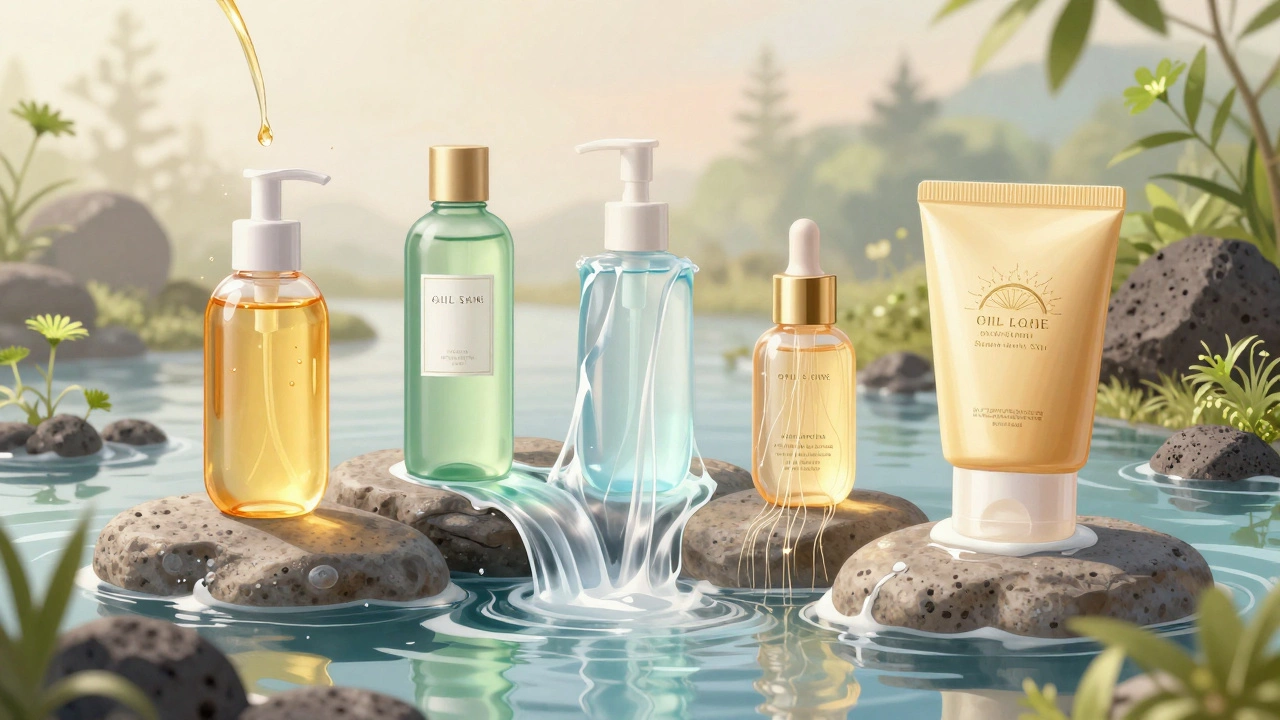
Less Is More-But Only After You Build the Foundation
You might think Korean skin is the result of expensive products. It’s not. It’s the result of consistency. You don’t need 10 products if you’re not using them right. But if you skip steps because they seem too much, you’re missing the point. The real secret? Start small. Build up. Don’t jump into a 10-step routine on day one. Begin with:- Double cleanse (oil + water-based)
- Apply a hydrating toner
- Use a lightweight serum or essence
- Moisturize
- Sunscreen every morning
It’s Not About Perfection-It’s About Balance
Korean skincare doesn’t promise fairy-tale skin. It promises resilient, healthy skin. Skin that doesn’t flare up with stress. Skin that doesn’t turn red from wind or cold. Skin that looks good because it feels good. And that’s the difference. Western beauty often focuses on fixing flaws. Korean beauty focuses on strengthening the foundation. You can’t have flawless skin if your barrier is damaged. You can’t glow if you’re dehydrated. You can’t protect if you’re skipping sunscreen. The best Korean skincare products are those you can use for years-not just until your breakout clears. They’re formulated to work with your skin, not against it. That’s why you see people in their 50s and 60s in Korea with skin that looks decades younger than their age.What You Can Borrow From Korean Skincare Today
You don’t need to fly to Seoul or buy every product on the market. You just need to change your mindset. Here’s what works:- Always cleanse twice-especially if you wear sunscreen or makeup
- Choose alcohol-free toners with calming botanicals
- Use a hydrating essence before your serum
- Sunscreen every morning, no exceptions
- Use a sheet mask once a week-not as a treat, but as maintenance
- Switch to gentler exfoliants: lactic acid or enzymes instead of physical scrubs
- Don’t layer five actives at once. Let your skin breathe
Myth: Koreans Have Better Genes
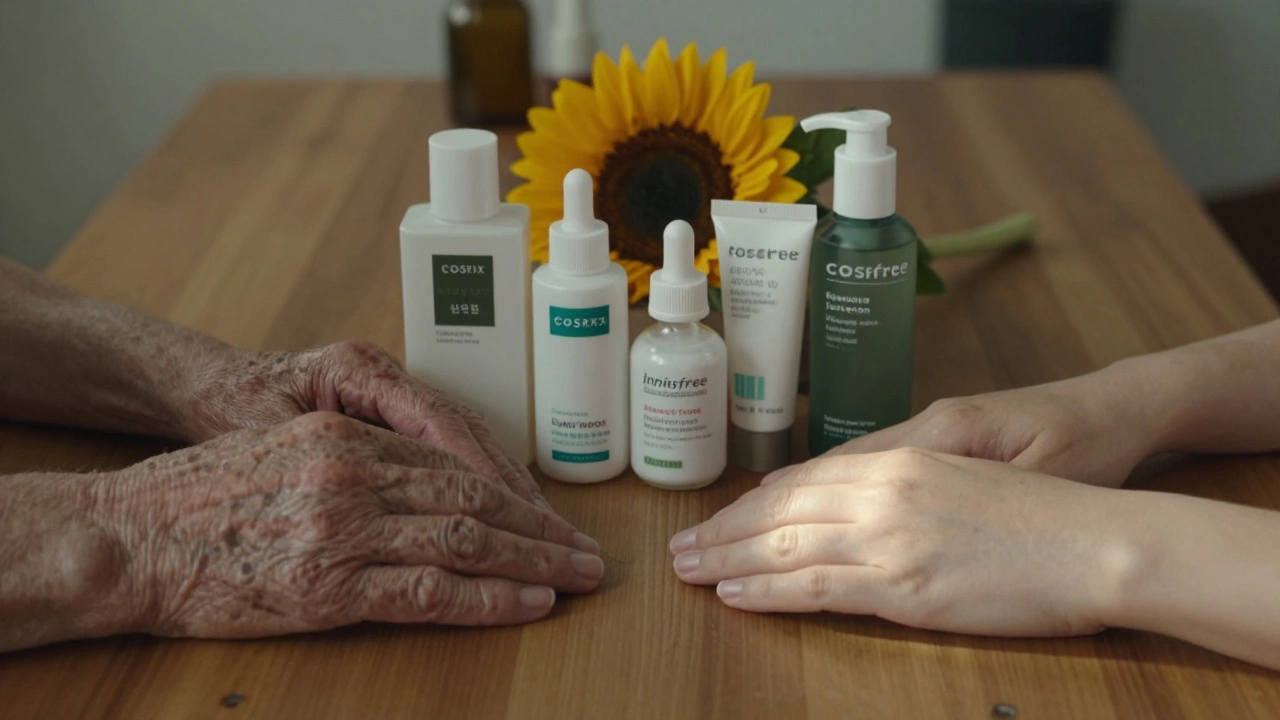
Some say Koreans just have better skin because of their DNA. That’s a myth. Skin health isn’t inherited like eye color. It’s learned. It’s practiced. It’s daily. Look at the generation before them. Many Korean women in their 60s and 70s have sunspots, wrinkles, and uneven texture-because they didn’t have access to modern skincare. Today’s young Koreans have better skin because they grew up with better information, better products, and better habits. It’s not about race. It’s about routine.What to Avoid
Even in Korea, bad habits exist. Don’t fall for:- Over-exfoliating-more than 2-3 times a week can damage your barrier
- Using too many active ingredients at once-vitamin C, retinol, and acids together can irritate
- Skipping sunscreen because it’s cloudy or you’re indoors-UVA rays penetrate windows
- Believing expensive = better-many affordable Korean brands (like COSRX, Beauty of Joseon) outperform luxury labels
Real Results, Real Time
One woman in Sydney, 38, started a simplified Korean routine after years of acne and redness. She dropped her harsh cleanser, added a centella toner, started using a mineral sunscreen, and did a sheet mask every Sunday. Within six weeks, her skin was calmer. By four months, she stopped wearing foundation. Not because she was trying to be bare-faced. But because she didn’t feel the need to hide anymore. That’s the power of consistency. Not perfection. Not products. Just time, patience, and the right steps.Do I need to use 10 skincare products to get Korean skin?
No. The 10-step routine is a marketing concept, not a requirement. Most Koreans start with 4-6 steps daily and add more only if needed. Focus on cleansing, hydrating, protecting, and repairing. That’s the core.
Are Korean skincare products organic?
Many are, but not all. Korea doesn’t have a legal definition for "organic" like the EU or USDA. Look for brands that list plant-based, fermented, or wild-harvested ingredients-like Beauty of Joseon, Klairs, or A’PIEU. Avoid products with synthetic fragrances, parabens, or alcohol as the first ingredient.
Why is Korean sunscreen so popular?
Korean sunscreens are lightweight, non-greasy, and often include skin-soothing ingredients like niacinamide or panthenol. They’re designed to be worn daily under makeup without leaving a white cast. Many also offer high UVA protection (PA++++), which is rare in Western sunscreens.
Can I use Korean skincare if I have sensitive skin?
Yes. Korean skincare is often ideal for sensitive skin because it prioritizes barrier repair and gentle ingredients. Brands like Klairs and CeraVe Korea (a local version) are known for low-irritation formulas. Start with centella asiatica, snail mucin, and ceramide-based products.
How long does it take to see results from a Korean skincare routine?
You’ll notice hydration and calmness in 2-4 weeks. Brightening and texture improvements take 6-12 weeks. Skin barrier repair can take up to 3 months. Patience is part of the process. There’s no quick fix-just steady progress.
 Skincare