Do You Need a Serum? Decision Tool
Answer these questions to determine if adding a serum is necessary for your skincare routine.
Look at your bathroom counter. Chances are, there’s a small bottle with a dropper sitting right next to your moisturizer. It’s probably labeled “Vitamin C,” “Retinol,” or “Hyaluronic Acid.” You’ve been told this step is non-negotiable for glowing skin. But here’s the question that keeps us up at night: do you actually need it?
The beauty industry loves to sell complexity. They convince us that if we aren’t layering five different products, we’re doing it wrong. But when you strip away the marketing hype, the answer isn’t a simple yes or no. It depends entirely on what your skin is trying to achieve and what your current routine is missing.
What Actually Is a Serum?
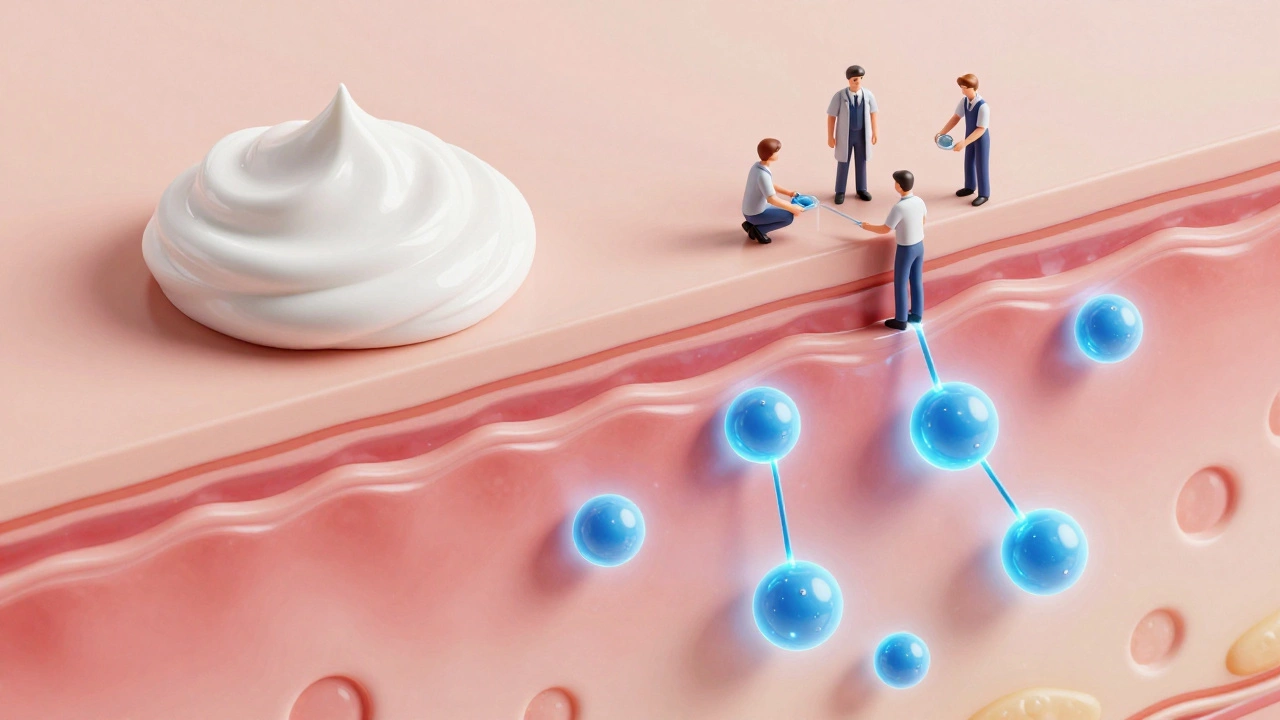
To understand if you need one, you first have to know what it is. A serum is a concentrated treatment product designed to deliver high doses of active ingredients deep into the skin. Unlike creams or lotions, which sit on the surface to hydrate and protect, serums have smaller molecular structures. This allows them to penetrate past the outer layer of your skin (the stratum corneum) and reach the deeper layers where they can work their magic.
Think of it like this: your cleanser washes away dirt, your toner balances pH, and your moisturizer seals everything in. The serum is the worker bee in the middle. It’s where the heavy lifting happens. Whether you want to fade dark spots, plump fine lines, or calm redness, the serum is the vehicle that carries those specific solutions to the cells that need them.
The Case for Skipping Serums
Let’s be honest: not everyone needs a serum. If your skin is young, healthy, and has no specific concerns, you might be wasting money. A basic routine of a gentle cleanser, a good moisturizer, and sunscreen is sufficient for maintaining skin health for many people. In fact, adding too many products can sometimes do more harm than good by irritating the skin barrier.
Consider the cost. High-quality serums often range from $30 to over $100. If you’re on a budget, spending that extra cash on a better quality moisturizer or a broad-spectrum SPF 50+ sunscreen will likely give you a better return on investment. Sunscreen prevents damage; serums often try to repair it. Prevention is almost always cheaper and more effective than correction.
Also, consider your lifestyle. If you struggle to remember to wash your face at night, adding another step is a recipe for failure. Consistency beats complexity every time. A two-step routine done daily is infinitely better than a seven-step routine done twice a week.
When You Absolutely Need a Serum
However, there are specific scenarios where a serum becomes essential. These are moments when your moisturizer simply cannot do the job alone. Here are the top reasons to add a serum to your regimen:
- Targeted Hyperpigmentation: If you struggle with acne scars or sun spots, a moisturizer won’t fade them. You need ingredients like Vitamin C or Niacinamide in high concentrations to inhibit melanin production.
- Signs of Aging: Fine lines and loss of elasticity require collagen-boosting ingredients like Retinol. Most moisturizers contain such low levels of retinol that they offer negligible anti-aging benefits.
- Severe Dehydration: While moisturizers trap water, they don’t necessarily add it. Hyaluronic acid serums act like sponges, pulling moisture from the air into your skin before you seal it in with cream.
- Sensitive or Reactive Skin: Ingredients like Centella Asiatica or Panthenol in serum form can calm inflammation faster than thicker creams, which might feel heavy or clogging.
Key Ingredients That Change the Game
Not all serums are created equal. Some are just marketing fluff. To decide if a serum is necessary for you, look at the ingredient list. Here are the powerhouses that justify the extra step:
| Ingredient | Primary Benefit | Best For |
|---|---|---|
| Vitamin C (L-Ascorbic Acid) | Antioxidant protection, brightening, collagen synthesis | Dull skin, sun damage, early aging |
| Retinol | Cell turnover, wrinkle reduction, acne control | Fine lines, texture issues, breakouts |
| Hyaluronic Acid | Deep hydration, plumping | Dry, dehydrated, or tight-feeling skin |
| Niacinamide (Vitamin B3) | Pore refining, oil regulation, barrier support | Oily skin, enlarged pores, redness |
| Glycolic Acid (AHA) | Exfoliation, smoothing texture | Rough skin, dark spots, uneven tone |
If your current moisturizer doesn’t contain these ingredients in effective concentrations (usually listed near the top of the INCI list), then a dedicated serum is likely necessary to see results.
How to Layer Without Overloading
If you decide to bring a serum into your life, you don’t need to overhaul your entire routine. The key is application order. The general rule is thinnest to thickest. Apply your serum after cleansing and toning, but before your moisturizer. This ensures the active ingredients absorb properly without being blocked by heavier oils or waxes found in creams.
A common mistake is using too much product. You only need a pea-sized amount for your entire face. More isn’t better; it’s just wasteful and potentially irritating. Pat it gently into damp skin for best absorption, especially with hydrating serums like hyaluronic acid.
Common Myths Debunked
There’s a lot of noise out there. Let’s clear up a few misconceptions that might be stopping you from making an informed choice.
Myth: Expensive means better. Not true. Many affordable drugstore brands use the same active ingredients as luxury labels. Look for the concentration and formulation stability, not the price tag. A $15 Vitamin C serum with stable L-ascorbic acid will outperform a $80 serum with unstable derivatives.
Myth: You need a different serum for morning and night. While it’s common to use Vitamin C in the AM for antioxidant protection and Retinol in the PM for repair, it’s not a strict rule. You can use the same serum twice a day if it’s gentle enough, or stick to one powerful treatment at night if your skin is sensitive.
Myth: Serums replace moisturizer. Never skip the moisturizer. Serums treat; moisturizers protect. Without a occlusive layer to seal in the serum, the active ingredients can evaporate, and your skin can lose moisture, leading to dryness and irritation.
Making the Decision: A Simple Checklist
Still unsure? Ask yourself these three questions:
- Do I have a specific skin concern that my current products aren’t addressing? (e.g., persistent dark spots, deep wrinkles)
- Is my skin barrier healthy enough to handle active ingredients? (If you’re currently experiencing eczema flare-ups or severe acne, hold off until your skin calms down.)
- Am I willing to commit to this step consistently? (If the answer is no, save your money.)
If you answered yes to the first and third, and yes or cautiously yes to the second, then a serum is a worthwhile addition. Start slow. Introduce one new serum at a time and wait two weeks before adding anything else. This way, you can pinpoint exactly what works and what causes reactions.
In the end, skincare is personal. There is no universal “necessary” product except for sunscreen. But for those looking to go beyond maintenance and into transformation, serums are the most efficient tool in the box. Just make sure you’re buying the right one for your skin, not just the prettiest bottle.
Can I use a serum instead of a moisturizer?
No, you should not replace your moisturizer with a serum. Serums are designed to deliver active ingredients deep into the skin, while moisturizers create a protective barrier on the surface to lock in hydration and prevent water loss. Using a serum without a moisturizer can lead to dehydration and irritation because the active ingredients may evaporate or draw moisture out of your skin if not sealed in.
How long does it take for a serum to show results?
It varies by ingredient. Hydrating serums like hyaluronic acid can show immediate plumping effects within days. However, treatments for pigmentation, wrinkles, or acne typically take 4 to 12 weeks of consistent use to show visible changes. This is because skin cell turnover takes about 28 days, so you need several cycles for new, healthier skin to surface.
Is it okay to use multiple serums at once?
You can layer multiple serums, but caution is needed. Avoid mixing strong acids (like glycolic acid) with retinol or Vitamin C in the same routine, as this can cause severe irritation. A safe approach is to use a hydrating serum with a treatment serum. Always introduce new products one at a time to monitor how your skin reacts.
Do oily skin types need serums?
Yes, oily skin can benefit greatly from serums. Lightweight, water-based serums containing Niacinamide or Salicylic Acid can help regulate oil production, minimize the appearance of pores, and reduce breakouts without adding heaviness or grease. Oily skin still needs hydration, just not heavy occlusives.
When should I apply serum in my routine?
Apply serum after cleansing and toning, but before moisturizing and sunscreen. This order ensures that the smaller molecules in the serum can penetrate the skin effectively. If you use eye cream, apply it after the serum but before your face moisturizer.
 Skincare