Skin Rejuvenation Treatment Finder
Select your primary skin concerns to find the most effective treatments available in 2026.
Walking down George Street in Sydney on a humid summer morning, you might notice something interesting. The people heading to work don't just look rested; they look polished. There is a subtle glow that isn't coming from a highlighter palette. It’s the result of modern skin rejuvenation, a collection of cosmetic procedures designed to improve the appearance of aging or damaged skin by stimulating collagen production and removing dead cells. We are living in an era where looking your best doesn't mean wearing more makeup. It means treating the canvas underneath.
If you have been staring at fine lines, sun spots, or dull texture in the mirror, you are not alone. The search for effective solutions has moved far beyond creams and serums. Today, we have access to technologies that can literally rewrite the structural integrity of your skin. But with so many options-lasers, injections, peels, and devices-it is easy to feel overwhelmed. Which one actually works? Which one is right for you? Let's break down the most effective treatments available in 2026, focusing on what delivers real results without the fluff.
Understanding How Skin Rejuvenation Works
Before picking a treatment, it helps to understand the enemy. Aging skin suffers from two main issues: damage and loss of support. Sun exposure over decades breaks down elastin and collagen, leading to wrinkles and laxity. Meanwhile, cell turnover slows down, causing a buildup of dead cells that make skin look gray and tired. Effective rejuvenation targets both. Some methods strip away the top layers to reveal fresh skin (resurfacing), while others zap deeper layers to force the body to build new collagen (stimulation).
The goal is never to change who you are, but to restore your skin to its healthiest state. Think of it like renovating a house. You might need to repaint the walls (surface treatment) or reinforce the foundation (deep structural work). Often, you need both. Understanding this distinction will help you choose between a quick fix and a long-term investment.
Laser Resurfacing: The Gold Standard for Texture
When it comes to dramatic changes, laser resurfacing remains the most powerful tool for correcting deep wrinkles, acne scars, and significant sun damage. In 2026, the technology has become more precise and safer than ever before. There are two main camps here: ablative and non-ablative.
Ablative lasers, such as CO2 and Erbium YAG, remove the outer layers of skin completely. This sounds intense, and it is. You will have downtime. Expect redness, swelling, and oozing for about a week. However, the results are unmatched. One session can smooth out deep furrows and erase years of sun damage. It is ideal for those who want a "reset" button and can take time off work to recover.
Non-ablative lasers, like Fraxel or Clear + Brilliant, heat the underlying tissue without damaging the surface. There is no open wound, so recovery is measured in days, not weeks. You might look like you have a mild sunburn for 48 hours. While you need multiple sessions to see significant change, the risk of complications is lower. This is perfect for busy professionals who want gradual improvement without missing important meetings.
| Treatment Type | Downtime | Best For | Sessions Needed |
|---|---|---|---|
| CO2 Ablative | 7-14 days | Deep wrinkles, severe scarring | 1 |
| Erbium YAG | 5-7 days | Sun spots, moderate texture | 1-2 |
| Fraxel (Non-Ablative) | 2-3 days | Fine lines, overall tone | 3-5 |
Chemical Peels: Controlling the Depth
If lasers feel too high-tech or expensive, chemical peels offer a versatile, cost-effective way to exfoliate the skin using acidic solutions to remove dead cells and stimulate regeneration. The misconception is that all peels are the same. They are not. The strength of the acid determines how deep it penetrates.
Superficial peels use alpha-hydroxy acids (AHAs) like glycolic acid. These are gentle enough for monthly maintenance. They brighten the complexion and fade minor dark spots. You might feel a slight tingling, but there is no visible peeling. This is great for maintaining a glow between other treatments.
Medium-depth peels often use trichloroacetic acid (TCA). These penetrate deeper into the dermis. You will peel visibly for several days. TCA peels are excellent for treating moderate sun damage and precancerous lesions called actinic keratoses. They require professional application to avoid scarring. Deep peels, which use phenol, are rare now due to safety concerns and longer recovery times. Most dermatologists prefer stacking medium peels or combining them with lasers for better control.
Microneedling and Radiofrequency: Boosting Collagen
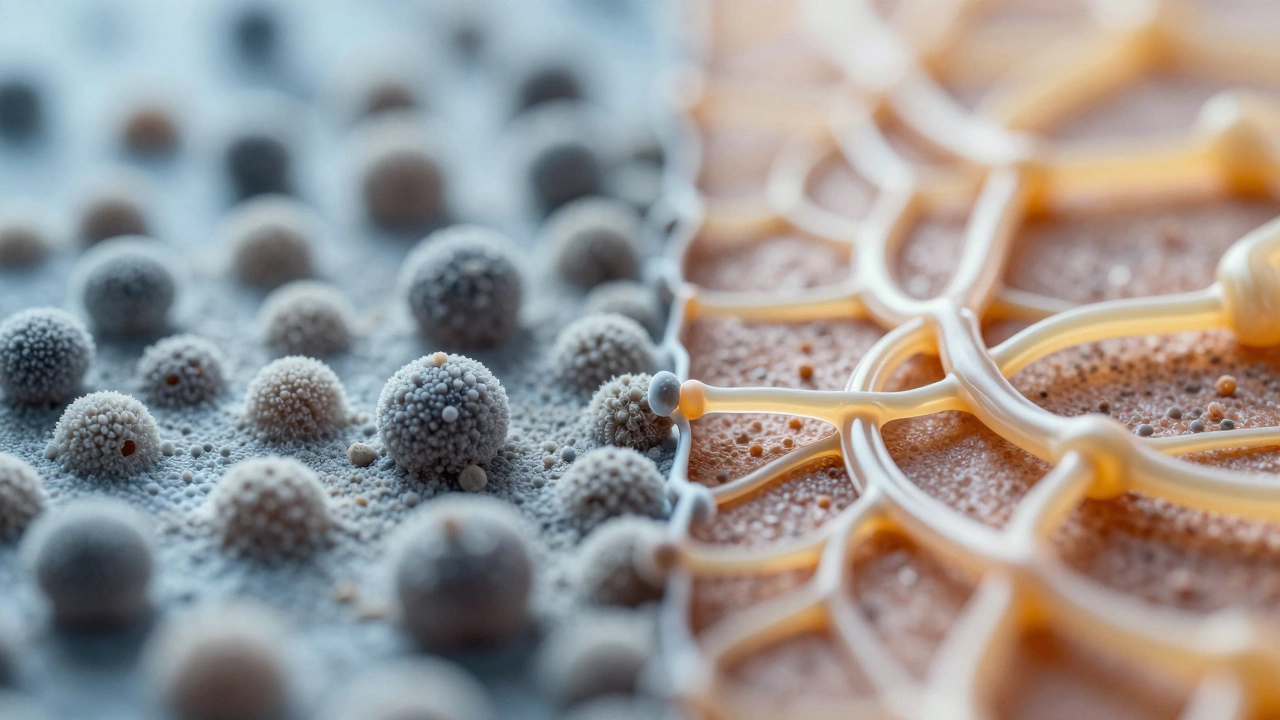
For those concerned with sagging rather than just wrinkles, microneedling combined with radiofrequency (RF) energy has become a leading minimally invasive procedure for tightening skin and improving texture by creating controlled micro-injuries that trigger healing. Traditional microneedling uses tiny needles to puncture the skin, prompting collagen production. Adding RF energy heats the tissue beneath the surface, causing immediate contraction of existing collagen fibers while stimulating new growth.
Devices like Morpheus8 or Profound are popular in Sydney clinics right now. The treatment feels like a series of hot pinpricks. Numbing cream is essential. The benefit is versatility. It works on the face, neck, and even the body. Unlike surgery, there are no incisions. You leave the clinic with some redness, similar to a sunburn, which fades in a few days. Most patients see noticeable tightening after three sessions spaced a month apart. It is particularly effective for jawline definition and under-eye hollows when performed by an experienced practitioner.
Injectables: Fillers and Neuromodulators
Sometimes, the issue is volume loss, not just skin quality. As we age, we lose fat pads in our faces, leading to hollow cheeks and thin lips. dermal fillers restore lost volume using hyaluronic acid-based gels to plump areas and smooth folds, while neuromodulators like Botox or Dysport relax muscles to prevent dynamic wrinkles caused by facial expressions.
Fillers are fantastic for restoring structure. Hyaluronic acid fillers are reversible, which adds a layer of safety. If you don't like the result, an enzyme can dissolve it. They are ideal for nasolabial folds, marionette lines, and lip augmentation. However, they do not treat skin texture. If you have crepey skin on your hands or neck, fillers won't help much.
Neuromodulators target movement. Crow's feet, forehead lines, and frown lines are caused by repeated muscle contractions. By temporarily paralyzing these muscles, you stop the folding action. The key is subtlety. Overdoing it leads to the "frozen" look that many fear. A skilled injector preserves expression while softening harsh lines. Results last three to four months, requiring regular maintenance.
Biostimulators: The Long Game
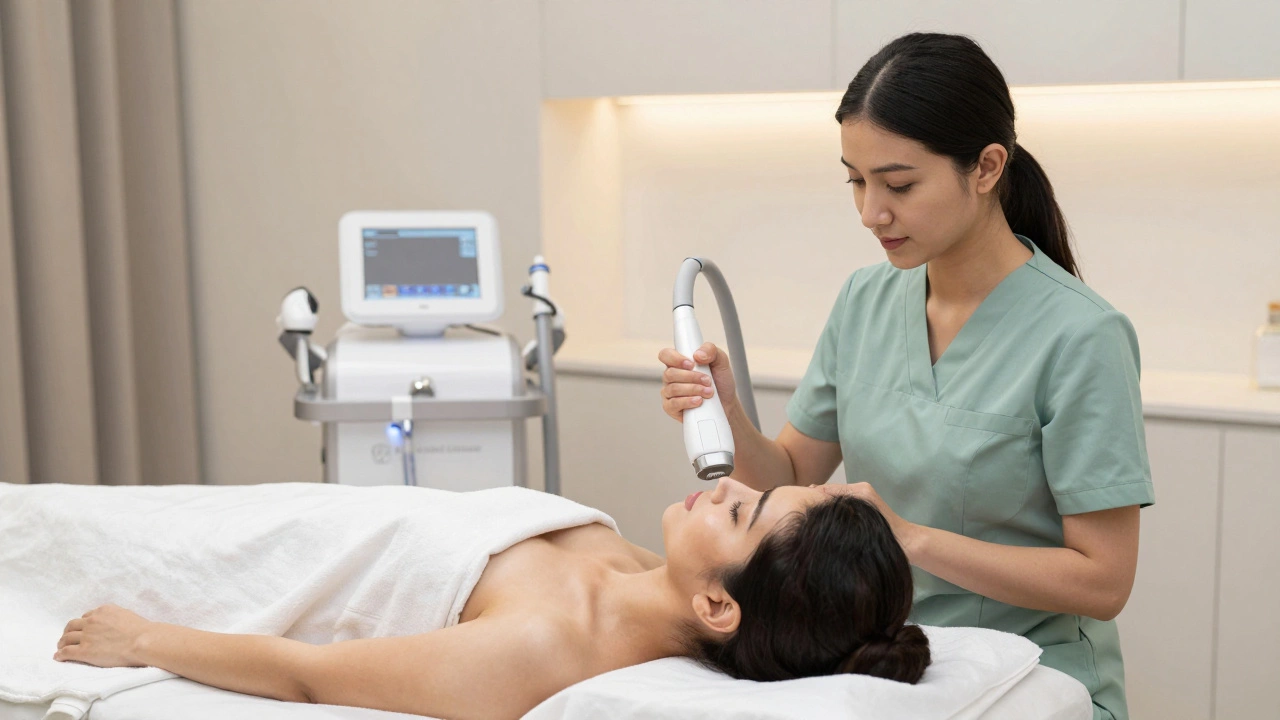
A newer category gaining traction is biostimulatory injectables such as Sculptra or Radiesse, which stimulate the body's own collagen production over time rather than providing immediate volume. These are not fillers in the traditional sense. They contain particles that irritate the tissue slightly, triggering an inflammatory response that builds collagen. The results develop slowly over three to six months. This makes them ideal for patients who want natural-looking, long-lasting improvement. They are particularly good for overall facial wasting or large area tightening, like the cheeks or temples.
Choosing the Right Treatment for You
So, how do you decide? Start with your primary concern. Is it texture? Go for lasers or peels. Is it sagging? Look at RF microneedling or surgery. Is it volume loss? Consider fillers or biostimulators. Most people benefit from a combination approach. For example, you might use Botox for forehead lines, fillers for cheeks, and a light laser for overall brightness.
Consultation is critical. Bring photos of yourself from younger years to show your natural bone structure. Discuss your downtime tolerance. Be honest about your budget. Good practitioners will tell you if a treatment is unnecessary. Avoid anyone who promises instant miracles without explaining risks. Skin rejuvenation is a partnership between you and your provider. Trust, transparency, and realistic expectations are the ingredients for success.
Aftercare and Maintenance
Treatments are only half the battle. Protecting your results requires diligence. Sunscreen is non-negotiable. UV radiation reverses collagen gains rapidly. Use a broad-spectrum SPF 50+ daily, even indoors. Moisturize aggressively post-treatment to support barrier repair. Avoid retinoids and active acids for a few days after procedures to prevent irritation. Finally, maintain healthy habits. Sleep, hydration, and diet impact skin health significantly. No laser can fix the effects of chronic stress or poor nutrition.
How much do skin rejuvenation treatments cost in Australia?
Costs vary widely based on the procedure and clinic location. Chemical peels range from $150 to $400 per session. Microneedling costs between $300 and $600. Laser resurfacing can start at $1,000 for fractional treatments and exceed $5,000 for full CO2 ablative sessions. Injectables are priced per syringe, with Botox costing around $10-$15 per unit and fillers ranging from $500 to $800 per syringe. Always ask for a detailed quote during consultation.
Is skin rejuvenation painful?
Discomfort levels depend on the treatment. Superficial peels and non-ablative lasers cause minimal pain, often described as a warm snapping sensation. Deeper lasers and microneedling involve more discomfort, but topical numbing creams and sometimes oral sedatives are used to manage this. Most patients find the temporary discomfort worth the results.
How long does it take to see results?
Results timelines vary. Injectables show immediate effects, though swelling may mask final results for a week. Lasers and peels reveal initial improvements once healing completes, usually within two weeks. Collagen-stimulating treatments like RF microneedling and biostimulators take longer, with optimal results appearing three to six months after the final session as new collagen forms.
Are these treatments safe for all skin types?
Safety depends on the specific technology and skin tone. Older lasers carried higher risks of hyperpigmentation in darker skin tones. Modern devices like Nd:YAG lasers and specific RF settings are safer for diverse skin types. Always choose a provider experienced with your specific skin ethnicity. Chemical peels also require careful selection of acid type and concentration to avoid complications in melanin-rich skin.
Can I combine different treatments?
Yes, combination therapy is common and often yields better results. For instance, Botox and fillers are frequently done in the same visit. Lasers and microneedling should be spaced apart by several weeks to allow skin recovery. Your provider will create a personalized timeline to maximize benefits while minimizing irritation. Never self-combine treatments without professional guidance.
 Skincare