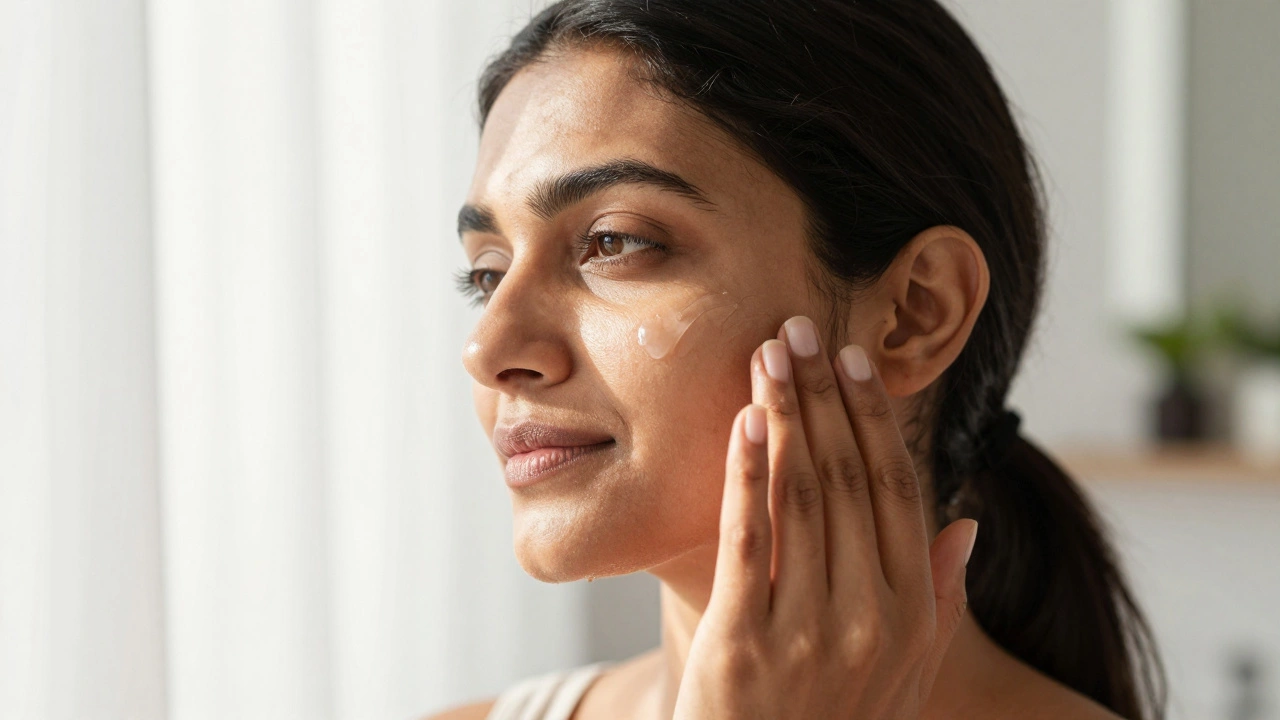
Anti-Aging Lifestyle Score Calculator
Answer the following questions honestly to determine how well your current habits support youthful skin.
Skincare Routine
Lifestyle & Habits
Your Anti-Aging Score
Select options and click calculate to see how your habits affect your skin's aging process.
Looking in the mirror and noticing new lines or sagging skin can be unsettling. You might wonder if there is a way to turn back the clock without undergoing invasive surgery. The good news is that you do not need to choose between doing nothing and going under the knife. There are effective, science-backed ways to make your face look younger. These methods range from simple changes in your daily routine to professional treatments available at local clinics.
Aging is natural, but how fast it happens depends on genetics, lifestyle, and care. By understanding what causes aging, you can target specific issues like wrinkles, dark spots, and loss of volume. This guide breaks down practical steps you can take today to refresh your appearance. We will cover everything from topical products to dietary habits that support skin health from the inside out.
The Science Behind Facial Aging
To fix the problem, you first need to understand the cause. Skin aging involves two main processes: intrinsic aging and extrinsic aging. Intrinsic aging is genetic. It happens slowly over time as your body produces less collagen and elastin. These proteins keep your skin firm and bouncy. When they break down, fine lines appear.
Extrinsic aging comes from outside factors. The biggest culprit is sun exposure. Ultraviolet (UV) rays damage DNA in skin cells, leading to premature wrinkles and age spots. This is called photoaging. Other factors include smoking, pollution, and poor sleep. Stress also plays a role by raising cortisol levels, which can break down collagen faster.
Collagen is the most abundant protein in human skin, providing structure and strength. Also known as Type I Collagen, it begins to decrease by about 1% per year after age 20. This decline leads to thinner skin and increased fragility.Understanding these mechanisms helps you choose the right treatments. If you want to reverse visible signs of aging, you must address both collagen loss and surface damage. This means protecting your skin from further harm while stimulating repair where possible.
Essential Skincare Ingredients for Youthful Skin
Your skincare routine is the foundation of any anti-aging strategy. Not all products are created equal. Some ingredients have decades of research supporting their effectiveness. Others are just marketing hype. Focus on these key components that deliver real results.
Retinol is often considered the gold standard for anti-aging. It is a form of vitamin A that speeds up cell turnover. This process sheds old, damaged cells and replaces them with fresh ones. Retinol also boosts collagen production. Start with a low concentration to avoid irritation. Apply it at night because sunlight degrades its potency. Over time, you may see smoother texture and fewer fine lines.
Hyaluronic Acid is another powerhouse ingredient. It acts like a sponge, holding up to 1000 times its weight in water. This hydration plumps up the skin, making wrinkles less noticeable. Look for serums with multiple molecular weights. Smaller molecules penetrate deeper, while larger ones sit on the surface for immediate moisture. Hydrated skin looks healthier and more radiant.
Vitamin C is essential for brightening and protection. It neutralizes free radicals caused by UV exposure and pollution. Free radicals accelerate aging by damaging cells. Vitamin C also inhibits melanin production, helping fade dark spots. Use a stable formulation like L-ascorbic acid in the morning under sunscreen. This combination provides double defense against environmental stressors.
| Ingredient | Primary Benefit | Best Time to Use | Skin Type Suitability |
|---|---|---|---|
| Retinol | Boosts collagen, reduces wrinkles | Night | All types (start slow) |
| Hyaluronic Acid | Hydration, plumping | Morning & Night | All types |
| Vitamin C | Brightening, antioxidant protection | Morning | All types |
| Niacinamide | Strengthens barrier, evens tone | Morning & Night | Oily, sensitive |

Lifestyle Changes That Impact Your Appearance
Skincare alone cannot undo years of neglect. Your daily habits significantly influence how your skin ages. Small adjustments can yield noticeable improvements over time. Think of your lifestyle as the internal engine driving your external appearance.
Sleep is crucial for repair. During deep sleep, your body releases growth hormones that rebuild tissues. Lack of sleep raises cortisol, breaking down collagen. Aim for seven to nine hours nightly. Sleeping on your side or stomach can crease your face, leading to "sleep lines" that become permanent wrinkles. Try sleeping on your back or using a silk pillowcase to reduce friction.
Diet affects skin health directly. Foods high in sugar cause glycation, a process where sugar binds to proteins like collagen. This makes collagen stiff and brittle, leading to sagging. Reduce refined sugars and processed foods. Instead, eat colorful fruits and vegetables rich in antioxidants. Omega-3 fatty acids found in fish, walnuts, and flaxseeds keep cell membranes flexible and hydrated.
Smoking accelerates aging dramatically. Nicotine constricts blood vessels, reducing oxygen flow to the skin. Smoke contains thousands of chemicals that generate free radicals. Quitting smoking improves circulation and allows nutrients to reach skin cells more effectively. Even reducing intake helps prevent further damage.
Stress management is often overlooked. Chronic stress keeps your body in fight-or-flight mode, impairing healing. Practices like meditation, yoga, or even walking in nature lower stress hormones. Lower stress means less inflammation and slower aging.
Professional Treatments for Faster Results
If you want quicker changes, professional treatments offer powerful options. These procedures target deeper layers of skin that home care cannot reach. Consult a dermatologist or licensed aesthetician to determine the best fit for your needs.
Botox relaxes muscles that cause dynamic wrinkles, such as crow's feet and forehead lines. It does not fill existing folds but prevents new ones from forming. Results last three to six months. Many people find Botox helpful for maintaining a rested expression without looking frozen when used conservatively.
Dermal Fillers restore lost volume. As we age, fat pads in the face shrink and shift, causing hollows under eyes and cheeks. Hyaluronic acid fillers add structure back instantly. They work well for nasolabial folds and lip augmentation. Choose an experienced injector to avoid unnatural results. Fillers typically last six to eighteen months depending on the product and area treated.
Chemical Peels remove dead skin cells from the top layer. Superficial peels improve texture and brightness with minimal downtime. Deeper peels address significant sun damage and scars but require recovery time. Regular mild peels maintain clarity and enhance product absorption.
Laser Therapy uses light energy to stimulate collagen. Fractional lasers create microscopic injuries that trigger healing responses. This tightens skin and smooths texture. Multiple sessions may be needed for optimal results. Laser treatments suit those seeking comprehensive rejuvenation beyond surface-level fixes.
Natural Remedies and Holistic Approaches
Some prefer gentler, natural methods. While they may work slower, they complement medical treatments well. Incorporating holistic practices supports overall wellness, which reflects in your skin.
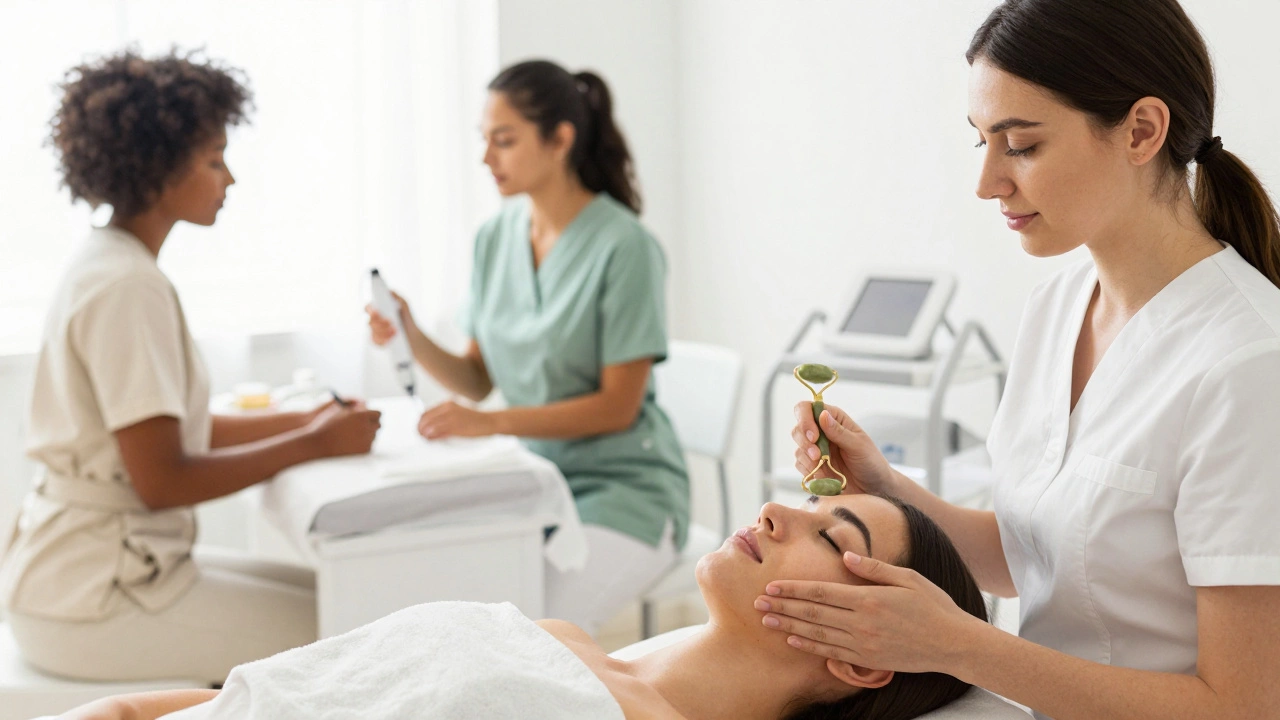
Facial massage increases blood flow and lymphatic drainage. Improved circulation delivers oxygen and nutrients to cells. Massage can also relieve tension in jaw muscles, softening the appearance of masseter hypertrophy. Use clean hands or tools like jade rollers. Perform gentle upward strokes for five minutes daily.
Facial exercises strengthen underlying muscles. Strong muscles provide better support for overlying skin. Exercises like cheek lifts and eyebrow raises can tone areas prone to sagging. Consistency matters here too. Do them regularly as part of your routine.
Aloe vera soothes and hydrates. Its anti-inflammatory properties calm irritated skin. Apply pure gel after cleansing for extra moisture. Green tea rinses offer antioxidant benefits. Brew strong green tea, let it cool, and splash it on your face. The catechins protect against UV damage and reduce redness.
Building a Sustainable Routine
Consistency beats intensity. A simple routine done daily works better than an elaborate one abandoned after a week. Start with basics: cleanser, moisturizer, and sunscreen. Add active ingredients gradually. Patch test new products to check for reactions.
Protect your skin every day. Sunscreen is non-negotiable. Reapply every two hours if outdoors. Wear hats and seek shade during peak sun hours. Prevention stops future damage before it starts.
Listen to your skin. It changes with seasons, stress levels, and age. Adjust products accordingly. If something stings or causes breakouts, stop using it. Healthy skin should feel comfortable, not irritated.
Remember, aging is inevitable, but looking youthful is achievable. Combine smart skincare, healthy habits, and targeted treatments. Be patient; results take time. Celebrate small victories along the way. Your journey toward a refreshed look is unique to you.
How long does it take to see results from anti-aging skincare?
Most people notice improvements in skin texture and hydration within two to four weeks. Significant changes in wrinkles and pigmentation usually require three to six months of consistent use. Retinol and vitamin C show gradual benefits over time. Patience is key since skin cell turnover takes about 28 days.
Can facial exercises really reduce wrinkles?
Facial exercises can strengthen muscles beneath the skin, potentially improving tone and support. However, excessive repetition of certain movements might deepen expression lines. Gentle, controlled exercises combined with massage are safer. Evidence varies, so manage expectations and focus on overall muscle health rather than spot reduction.
Is Botox safe for everyone?
Botox is generally safe when administered by qualified professionals. It is not recommended for pregnant or breastfeeding women, nor for individuals with neuromuscular disorders. Side effects are usually mild, like bruising or headache. Always consult a doctor to assess suitability based on your medical history.
What is the best sunscreen for anti-aging?
Look for broad-spectrum SPF 30 or higher. Broad-spectrum protects against UVA (aging) and UVB (burning) rays. Mineral sunscreens with zinc oxide or titanium dioxide are gentle for sensitive skin. Chemical filters absorb UV radiation. Apply generously to all exposed areas and reapply frequently. Daily use prevents further photoaging.
Does diet really affect how old you look?
Yes, diet impacts skin health significantly. High sugar intake promotes glycation, damaging collagen. Antioxidant-rich foods combat oxidative stress. Omega-3s maintain skin barrier function. Staying hydrated keeps skin plump. A balanced diet supports cellular repair and slows visible aging signs. Nutrition complements topical treatments for best outcomes.
 Skincare