Chemical-Free Skincare: What It Really Means and Which Products Deliver
When you hear chemical-free skincare, skincare products formulated without synthetic additives, parabens, sulfates, or artificial fragrances. Also known as clean beauty, it means choosing formulas that avoid ingredients linked to irritation, hormone disruption, or long-term skin stress. But here’s the truth: everything is made of chemicals—even water and aloe vera. What people really mean is non-toxic skincare, products that skip harsh, synthetic ingredients in favor of simpler, plant-based, or minimally processed alternatives. It’s not about avoiding science—it’s about avoiding unnecessary risk.
Many brands label themselves as "chemical-free" to sell more, but that’s misleading. The real question isn’t whether something is a chemical—it’s whether that chemical is safe, effective, and necessary. organic skincare, products made with ingredients grown without synthetic pesticides or GMOs, certified by bodies like USDA or COSMOS. That’s a measurable standard. And natural skincare, products derived from plant, mineral, or animal sources without heavy processing. That’s more about sourcing than regulation. You can’t trust a label that says "natural" without proof. But you can trust a brand that lists certifications, shares full ingredient transparency, and avoids the usual suspects: parabens, phthalates, synthetic dyes, and sodium lauryl sulfate.
What you’ll find in the posts below isn’t a list of hype-driven brands. It’s real talk about what actually works. You’ll see how Eminence stacks up against its organic claims, why La Roche Posay is a better pick for sensitive skin than CeraVe in some cases, and how L’Oréal’s animal testing policies affect whether you can call it clean. You’ll learn how to spot greenwashing, what certifications actually mean, and which ingredients—like thermal spring water or ceramides—deliver results without the junk. This isn’t about going back to the Stone Age with DIY oat masks. It’s about making smarter choices with modern science in your corner. If you’re tired of guessing what’s safe for your skin, what follows is the clear, no-fluff guide you’ve been looking for.
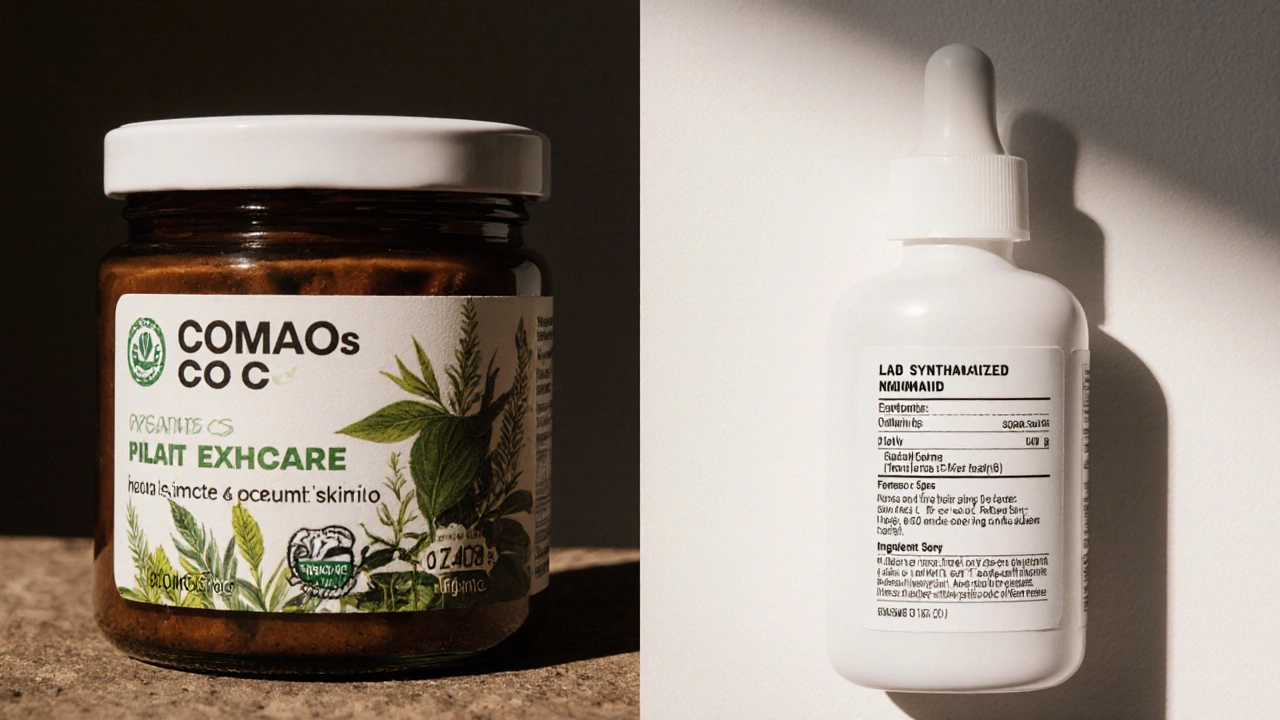
Is organic skincare better for your skin? Here’s what actually works
Organic skincare isn't magically better for your skin-what matters are the ingredients, not the label. Learn what actually works for sensitive skin, acne, and aging, and how to cut through the marketing hype.
Read More
21 Nov 2025
 Hair Care