Skin Sensitivity: What It Is, What Triggers It, and How to Handle It
When your skin reacts to things that shouldn’t bother it—like a gentle cleanser, sunlight, or even your own sweat—you’re dealing with skin sensitivity, a condition where the skin’s barrier is easily irritated, leading to redness, burning, or itching without a clear allergic cause. Also known as reactive skin, it’s not an allergy, but it feels just as frustrating. Millions of people deal with this daily, and most think they just have "bad skin"—but the truth is, their skin barrier is thin, and the products they’re using are making it worse.
What makes skin sensitive isn’t just the product ingredients—it’s how your skin reacts to them. La Roche Posay, a dermatologist-recommended brand built around thermal spring water and Neurosensine to calm irritation, works for people who break out in redness from most moisturizers. Meanwhile, CeraVe, a brand focused on ceramides to rebuild the skin barrier, is great for dry, flaky skin but won’t always stop the burning sensation that sensitive skin feels. The difference? La Roche Posay soothes the nerves in your skin. CeraVe fixes the wall around it. Both help, but for different reasons.
It’s not about being "delicate." It’s about your skin’s defense system being overworked. Harsh scrubs, fragrance, alcohol, even hot showers can strip your skin’s natural oils and leave it exposed. That’s why so many people swear by minimal routines—just a gentle cleanser, a calming moisturizer, and sunscreen. No serums, no essences, no 10-step routines. Just what your skin actually needs to recover.
And it’s not just skincare. Even the makeup you wear can trigger reactions. Celebrities don’t wear heavy foundation on set for a reason—they know how harsh lighting and long hours can break down sensitive skin. That’s why brands like La Roche Posay and CeraVe keep showing up in dermatologist recommendations. They’re not flashy. They don’t promise miracles. They just work without making things worse.
If you’ve ever walked away from a beauty counter feeling worse than when you walked in, you’re not alone. The right products don’t smell like flowers or glow under Instagram lights. They’re quiet. They’re simple. And they’re backed by science, not marketing.
Below, you’ll find real advice from people who’ve been there: how to pick a foundation that won’t burn, why some "hypoallergenic" labels mean nothing, which brands actually calm redness, and what to skip if your skin’s been screaming for help. No fluff. No trends. Just what works when your skin is on edge.
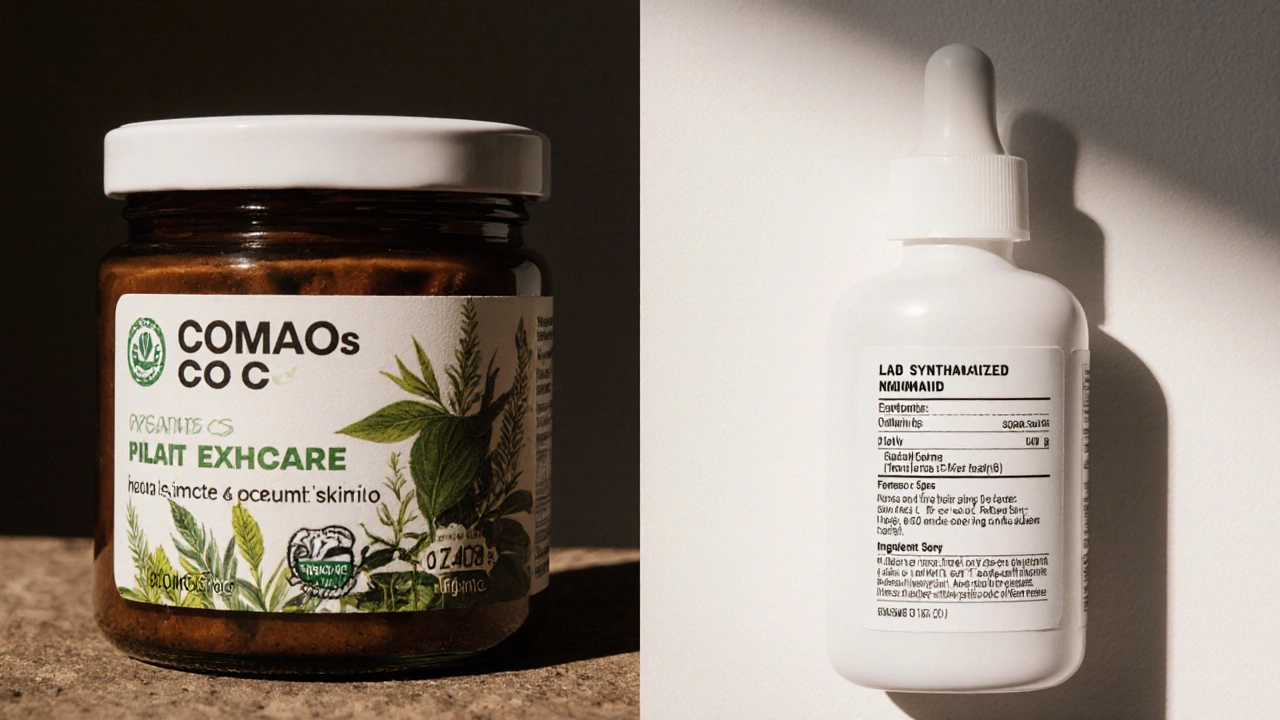
Is organic skincare better for your skin? Here’s what actually works
Organic skincare isn't magically better for your skin-what matters are the ingredients, not the label. Learn what actually works for sensitive skin, acne, and aging, and how to cut through the marketing hype.
Read More
21 Nov 2025
 Hair Care