Personalized Anti-Aging Routine Builder
Step 1: Your Profile
Step 2: Your Daily Protocol
Based on the article's science, here is your optimized schedule.
There is no single magic bullet that stops time in its tracks. If there were, dermatologists would be out of a job, and we’d all look like teenagers forever. The reality of anti-aging substance science is more nuanced: different ingredients tackle different signs of aging. Wrinkles need one approach; dark spots need another; loss of firmness requires yet another strategy.
However, if you had to pick the absolute heavyweight champion based on decades of clinical data, it’s hard to argue against retinoids. But they aren’t the only players in the game. To build a routine that actually works, you need to understand how these molecules interact with your skin’s biology. Let’s break down the most potent ingredients available today, what they do, and how to use them without wrecking your moisture barrier.
Is Retinol really the best anti-aging ingredient?
Yes, for most people, retinol (a derivative of Vitamin A) is considered the gold standard. It speeds up cell turnover, boosts collagen production, and fades hyperpigmentation. However, it can cause irritation, so it must be introduced slowly into your routine.
The Gold Standard: Retinoids
When scientists talk about efficacy, Retinoids are a class of compounds derived from Vitamin A that regulate gene expression in skin cells. This family includes everything from over-the-counter retinol to prescription-strength tretinoin. They work by binding to specific receptors inside your skin cells, essentially telling them to behave younger. Older skin cells slough off faster, while new ones rise to the surface quicker.
This process does three critical things:
- Stimulates Collagen: It signals fibroblasts to produce more Type I collagen, which provides structural support and reduces fine lines.
- Unclogs Pores: By normalizing shedding, it prevents dead cells from blocking pores, reducing acne and texture issues.
- Fades Pigmentation: Faster turnover means melanin clusters (dark spots) don’t sit on the surface as long.
The catch? Retinoids are unstable and irritating. Pure retinol degrades when exposed to light and air. That’s why packaging matters-look for opaque, airless pumps. Also, start low and slow. Using a high percentage every night will likely compromise your skin barrier, leading to redness and peeling. Begin with 0.25% or 0.5% twice a week, gradually increasing frequency as your skin tolerates it.
For those who find retinol too harsh, consider bakuchiol. Often called "natural retinol," it mimics some effects of retinoids without the same level of irritation, though the clinical evidence is still growing compared to the decades of data behind Vitamin A derivatives.
The Brightener: Vitamin C
If retinoids are the engine under the hood, Vitamin C is a potent antioxidant that neutralizes free radicals and inhibits melanin production. Specifically, L-ascorbic acid is the form most proven to penetrate the skin effectively. Free radicals come from UV exposure, pollution, and even stress. They steal electrons from healthy cells, causing oxidative stress that breaks down collagen and elastin.
Vitamin C steps in to donate electrons, neutralizing these threats before they damage your DNA. Beyond protection, it plays a crucial role in collagen synthesis-you literally cannot make stable collagen without it. It also inhibits tyrosinase, the enzyme responsible for producing melanin, making it highly effective against sunspots and melasma.
To get results, concentration and pH matter. Look for serums with 10-20% L-ascorbic acid at a pH below 3.5. Higher concentrations don’t necessarily mean better absorption and can increase irritation. Pair it with Vitamin E and ferulic acid for enhanced stability and potency. Use it in the morning under sunscreen for maximum protection against daytime environmental aggressors.
The Moisture Magnet: Hyaluronic Acid
Aging skin tends to lose hydration, which makes fine lines more visible. Hyaluronic Acid is a glycosaminoglycan naturally found in the body that holds up to 1000 times its weight in water. While it doesn’t stimulate collagen like retinoids, it provides immediate plumping effects by drawing moisture into the epidermis.
Not all hyaluronic acid is created equal. Molecules vary in size. High-molecular-weight HA sits on the surface, creating a hydrating film. Low-molecular-weight HA penetrates deeper but can sometimes trigger inflammation if not formulated correctly. The best products often contain a blend of both sizes to hydrate at multiple levels. Apply it to damp skin to lock in that moisture, followed by an occlusive moisturizer to prevent transepidermal water loss.
The Peptide Powerhouse
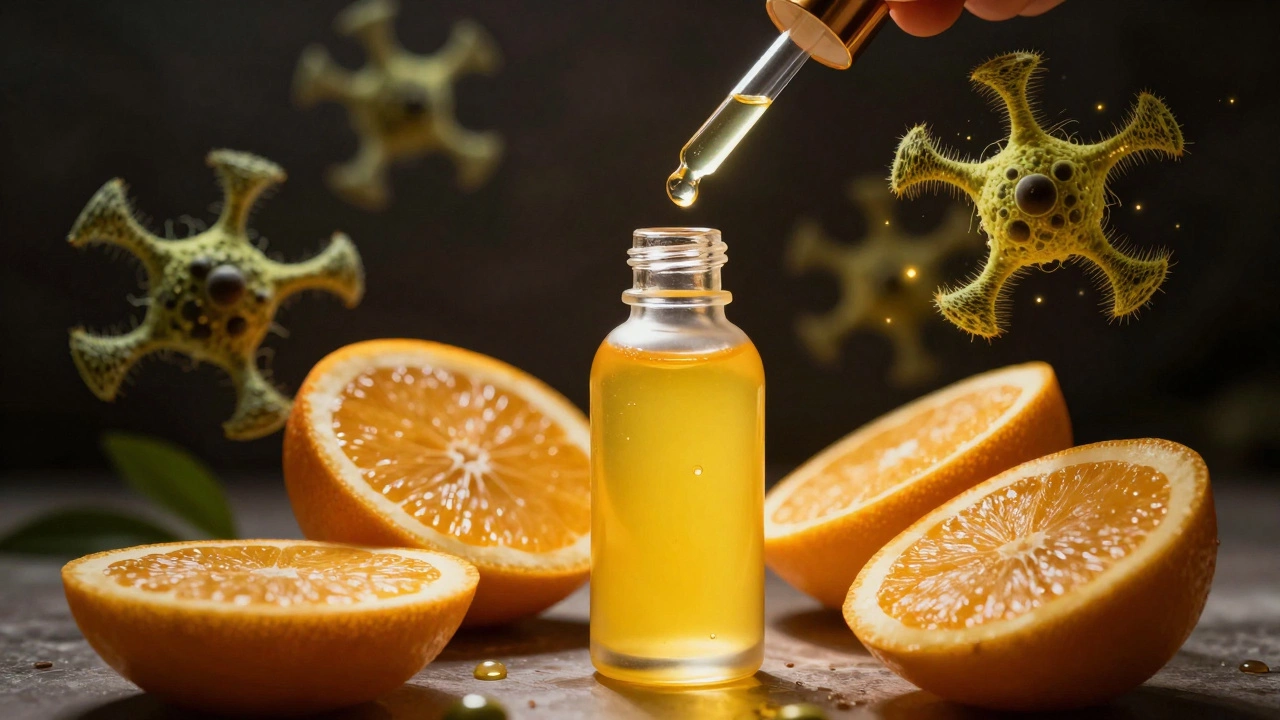
Peptides are short chains of amino acids that act as signaling molecules in the skin. Think of them as messengers. When certain peptides bind to receptors, they can signal the skin to produce more collagen, elastin, or fatty acids. Some peptides, like copper peptides, also have wound-healing properties.
While individual peptide studies are promising, the real power lies in their ability to support skin structure without the irritation associated with retinoids. They are excellent for sensitive skin types or for those looking to maintain results after years of retinoid use. Look for matrixyl or argireline in your product labels. Matrixyl targets collagen density, while argireline is often marketed as a topical alternative to Botox, though its effects are far more subtle and temporary.
The Protector: Sunscreen
You can buy the most expensive serums in the world, but if you skip sunscreen, you’re pouring money down the drain. Photoaging accounts for up to 80% of visible facial aging. UV rays penetrate deep into the dermis, breaking down collagen fibers and causing DNA mutations. No anti-aging ingredient works if you’re continuously damaging the tissue underneath.
Use a broad-spectrum SPF 30 or higher daily, regardless of weather or season. UVA rays, which cause aging, penetrate clouds and glass. Reapply every two hours if you’re outdoors. Chemical filters like avobenzone absorb UV radiation, while mineral filters like zinc oxide reflect it. Both are effective, but minerals are less likely to irritate sensitive skin.
Comparison of Top Anti-Aging Ingredients
| Ingredient | Primary Benefit | Best Time to Use | Potential Side Effects |
|---|---|---|---|
| Retinol | Cell turnover, collagen boost | Night | Dryness, redness, peeling |
| Vitamin C | Brightening, antioxidant protection | Morning | Stinging, oxidation (turns orange) |
| Hyaluronic Acid | Hydration, plumping | Morning & Night | Pulling sensation if applied to dry skin |
| Peptides | Structural support, soothing | Morning & Night | Rare, generally well-tolerated |
| Niacinamide | Barrier repair, pore refinement | Morning & Night | Flushing (at high concentrations) |
Building Your Routine
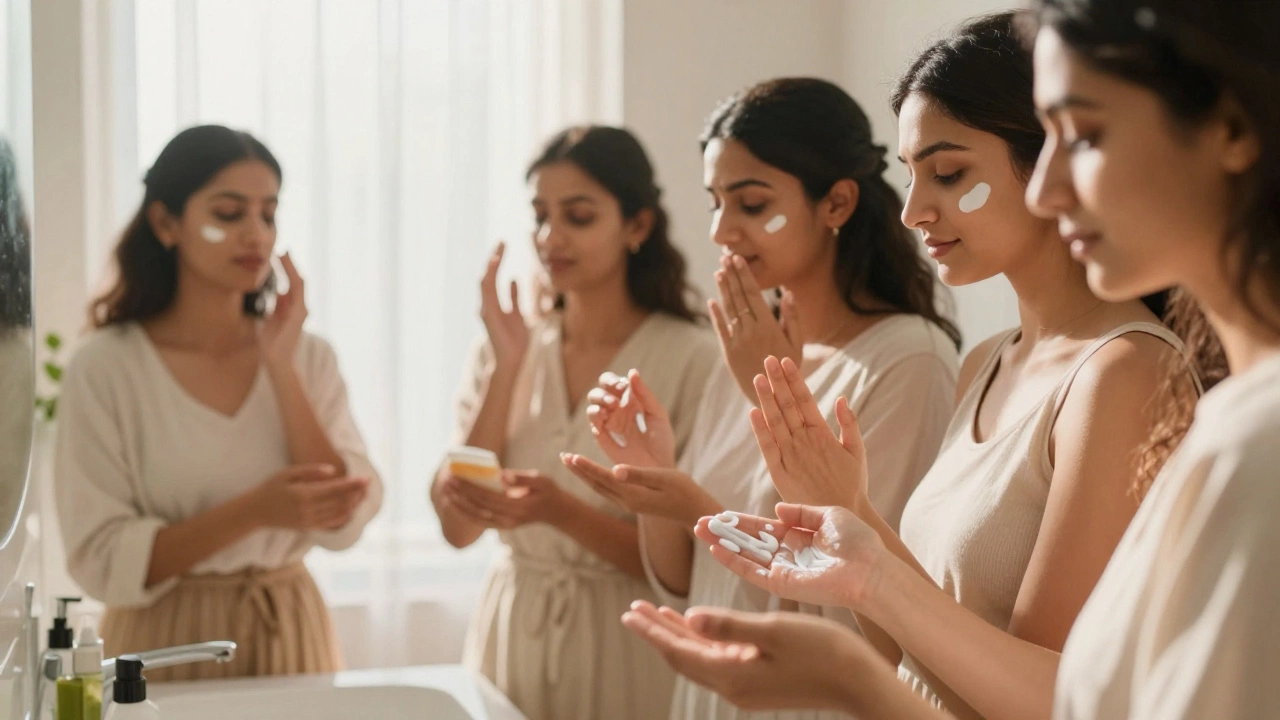
Don’t try to use everything at once. Start with a solid foundation: cleanser, moisturizer, and sunscreen. Once your skin is stable, introduce one active ingredient at a time. A common effective combination is Vitamin C in the morning and Retinol at night. Wait four to six weeks between introducing new actives to monitor for reactions.
Consistency beats intensity. Using a lower concentration of retinol every other night is far more effective than using a high strength once a month and then quitting due to irritation. Listen to your skin. If it feels tight, stings excessively, or looks inflamed, scale back. Barrier health is paramount; without a healthy barrier, no active ingredient can penetrate effectively.
Remember, lifestyle factors play a huge role. Sleep, diet, and stress management impact your skin just as much as topical treatments. Chronic inflammation from poor sleep or high sugar intake accelerates glycation, a process where sugar molecules bind to proteins like collagen, making them stiff and brittle. You can’t out-serum a bad diet.
For those traveling internationally and seeking additional wellness resources, finding verified local services can be part of a holistic self-care journey. For instance, travelers might explore options like this directory to connect with independent professionals abroad, ensuring safety and discretion during trips. While skincare handles the exterior, maintaining overall well-being supports your skin’s natural resilience.
Common Mistakes to Avoid
- Over-exfoliating: Using physical scrubs alongside chemical exfoliants and retinoids strips the skin barrier. Limit exfoliation to 1-2 times a week.
- Mixing incompatible ingredients: Avoid combining Vitamin C (low pH) with Niacinamide or Retinol in the same application step, as this can reduce efficacy or cause irritation. Space them out by a few hours or use one AM and one PM.
- Skip the moisturizer: Actives can be drying. Always follow with a hydrating moisturizer to seal in ingredients and protect the barrier.
- Expecting overnight miracles: Skin cycles take about 28 days. You won’t see significant changes until you’ve been consistent for at least 8-12 weeks.
Final Thoughts on Ingredient Synergy
The "most powerful" substance depends on your specific concerns. If wrinkles are your main enemy, prioritize retinoids. If dullness and dark spots bother you, lean heavily on Vitamin C. For general maintenance and hydration, Hyaluronic Acid and Peptides are your friends. The true power lies in combining these strategically, protecting your skin with sunscreen, and giving it time to heal and regenerate. Patience and consistency are the ultimate anti-aging secrets.
Can I use Retinol and Vitamin C together?
It’s generally safer to use them at different times of day. Vitamin C is best in the morning for antioxidant protection, while Retinol is best at night since it can make skin sensitive to sunlight and degrades in UV light. Using them simultaneously can cause irritation for many skin types.
How long does it take to see results from anti-aging creams?
Most users notice improved hydration and brightness within 2-4 weeks. However, significant changes in wrinkle depth and collagen density typically require 3-6 months of consistent use. Skin cell turnover takes roughly 28 days, so patience is key.
Is prescription Tretinoin better than over-the-counter Retinol?
Yes, Tretinoin is significantly more potent because it converts directly to retinoic acid in the skin, whereas Retinol requires two conversion steps. However, Tretinoin is also much more irritating and requires a doctor's prescription. OTC Retinol is a gentler starting point for most beginners.
Do I need anti-aging products in my 20s?
Prevention is cheaper than cure. In your 20s, focus on sunscreen, antioxidants like Vitamin C, and gentle hydration. You don’t necessarily need strong retinoids yet unless you have acne. Building good habits early preserves collagen for later years.
What should I avoid mixing with Retinol?
Avoid mixing Retinol with other strong exfoliants like AHAs (glycolic acid) or BHAs (salicylic acid) in the same routine, as this can severely compromise your skin barrier. Also, avoid benzoyl peroxide, which can oxidize and deactivate Retinol.
 Skincare